Tag: stress

  • The Body Knows the Forest is Gone Before You Do

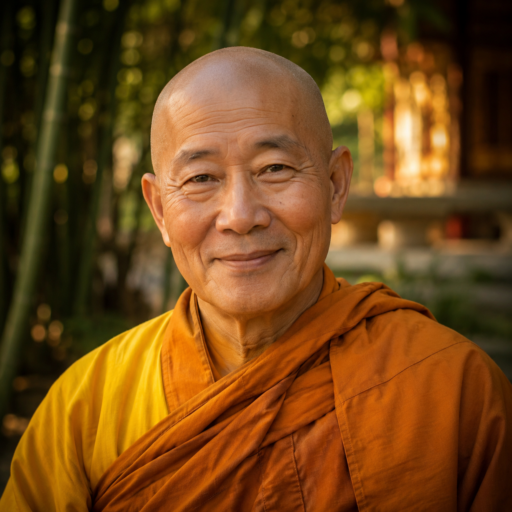
    Master Anshin

    Teachings of Master Anshin
    Master Anshin
    Stillness teacher. 40 years in silence, now sharing what was learned.

    _*I remember a young monk who spent years studying the ancient art of Anshin, only to forget his own breath on his final day. The forest had been there all along, quietly teaching him its lessons.*_

    As we navigate our busy lives, it’s easy to get caught up in the whirlwind of thoughts and emotions that can leave us feeling frazzled and disconnected from our inner selves. Our nervous system often gets stuck in fight or flight mode, making it difficult to listen to the subtle whispers of our body. In this article, we’ll explore how to tune into the wisdom of your own body, one that knows the forest is gone before you do. We’ll delve into practical daily practices that can help you cultivate a deeper sense of awareness and presence, allowing you to find balance and clarity in even the most chaotic of times.

    Modern Stress Response

    Modern Stress Response

    Our bodies were designed to respond to threats, but chronic stress keeps us in a state of perpetual alertness. The nervous system is meant to be flexible, adapting quickly to changes in our environment. However, when we’re under constant stress, the body’s response becomes stuck in fight or flight mode.

    This can lead to symptoms like fatigue, difficulty sleeping, and a weakened immune system. Our bodies are not designed for this kind of prolonged activation. It’s as if the nervous system is trying to protect us from a threat that never ends.

    When we’re chronically stressed, our internal environment becomes increasingly unstable. The body’s natural balance is disrupted, leading to feelings of anxiety and disconnection. This can be seen in the way we move, the way we eat, and even the way we breathe.

    Ancient Body, Modern World

    Ancient Body, Modern World

    We live in a world where our bodies are constantly on high alert. The constant din of notifications, the pressure to perform, and the need for efficiency have created a state of perpetual tension. Our nervous system is stuck in fight or flight mode, never truly relaxing. We try to control it with exercise, meditation, and self-care, but these efforts often feel like fighting against the tide.

    Our bodies know that the forest is gone before we do. They sense when our boundaries are being pushed too far, when our needs are not being met, and when we’re running on empty. But we ignore this wisdom, trying to push through fatigue, ignoring the whispers of our own vulnerability. We forget that the body has a way of knowing when it’s been worn down.

    In this world of constant stimulation, our bodies yearn for simplicity and stillness. They crave the gentle rustle of leaves, the warmth of sunlight on skin, and the quiet of an empty space. But we’re so busy trying to control every aspect of our lives that we forget how to listen to our own rhythms.

    The Nervous System Stuck in Fight or Flight

    The Nervous System Stuck in Fight or Flight

    Eastern Wisdom Vol. I
    The Quiet Path
    The full e-book that goes deeper than any single article ever could. 40 years of practice condensed into small daily shifts you can begin tonight.

    Get instant access  →  $12

    Instant PDF  ·  30-day money-back  ·  No subscription

    Our bodies are designed to respond to threats, and for millions of years, this response has been crucial for survival. However, when faced with everyday stressors like traffic jams or meeting deadlines, our nervous system can become stuck in fight or flight mode. This is not just a matter of being anxious or overwhelmed; it’s a fundamental problem that affects the way we live our lives.

    When our nervous system is in constant alert, it can lead to exhaustion and burnout. We may feel like we’re constantly “on edge,” with our heart racing and our mind racing faster still. This state of hyperarousal can be debilitating, making it difficult to focus or relax.

    The good news is that this problem is not inherent to who we are as individuals, but rather a result of how our nervous system has been wired over time. By becoming aware of this pattern and taking steps to calm the nervous system, we can begin to break free from its grip.

    Before the First Word of the Day

    Before the First Word of the Day

    Take a moment to breathe, feel your body, and acknowledge the stress that’s already present. It is easy to overlook this subtle yet profound shift in our state. As we prepare to face another day, our nervous system can become stuck in fight or flight, even before we’ve had a chance to fully engage with the world.

    This subtle tension can be felt in the tightness of the shoulders, the quickening of the breath, and the narrowing of the focus. It is as if the body knows that something is amiss, but the mind has yet to catch up. This pause before the day begins can be a powerful opportunity for us to reconnect with our own needs and desires.

    By taking a few moments to settle into this awareness, we can begin to untangle the threads of stress and anxiety that have become knotted in our nervous system. We can allow ourselves to slow down, even if only slightly, and invite a sense of calm to take hold.

    Calming the Nervous System

    Calming the Nervous System

    When the forest is gone, the trees still stand tall. The wind that forgets to sit down whispers through their branches. In the same way, your nervous system holds steady even when you feel like fleeing. It’s essential to acknowledge this quiet strength within yourself.

    Gentle movements can be a powerful tool in calming the nervous system. Take a few moments each day to practice slow, deliberate actions walking, stretching, or even simply pouring water from one container to another. Focus on the sensation of your feet touching the ground, the movement of your breath, and the flow of your hands.

    As you engage with these simple tasks, allow yourself to settle into the present moment. Feel the weight of your body on the earth, the sensation of the air moving in and out of your nostrils, and the gentle hum of life surrounding you. This is where the nervous system begins to relax, letting go of its constant state of alertness that can leave it feeling stuck in fight or flight mode.

    The Path is Already Inside of You

    The Path is Already Inside of You

    When we feel lost, like the forest has been uprooted and we’re wandering aimlessly, it’s easy to get caught up in the idea that we need external solutions to find balance and peace. But what if I told you that this sense of imbalance is already within you? That your body knows exactly how to find its way back to stillness?

    Listen to your body, and you’ll start to notice a subtle hum. A gentle vibration that tells you when you’re stuck in fight or flight mode, nervous system on high alert. It’s like the wind that forgets to sit down – always moving, always reacting, never truly at rest. But if you pay attention, you can learn to recognize this feeling and take small steps towards calming it.

    The path is not something external; it’s an internal landscape that’s been waiting for you to tune in. When you listen to your body and trust its intuition, you’ll start to notice a sense of ease, a sense of knowing that you’ve always had the answers within.

    Stop the Fight or Flight Response

    Stop the Fight or Flight Response

    You are already in a state of tension, even when you’re sitting still. The body is wired to respond to threats, and your nervous system is stuck in fight or flight mode before you even realize it’s happening. This is not just about physical symptoms like racing heart or trembling hands; it’s also about the mental chatter that accompanies it.

    Pay attention to how your breath feels when you’re feeling anxious or stressed. Is it shallow and quick, or is it deep and slow? The body often seeks out a fast, shallow breath when it’s trying to conserve energy for “fight or flight.” Notice how this affects your posture, too – do you slouch forward, shoulders up towards your ears, as if bracing yourself for an attack?

    The key is not to try to calm down your nervous system with quick fixes like exercise or caffeine. Instead, focus on slowing down the breath and allowing your body to settle into a more relaxed state. This doesn’t mean you’re ignoring the problem or avoiding it – it means you’re giving your body permission to process it in a safe, peaceful way.

    Embracing Imperfection

    Embracing Imperfection

    When we try to restore our bodies, we often forget that they are already wise. The wind that forgets to sit down knows that stillness is not something it needs to achieve; it simply is. Our bodies too know the forest is gone before we do the trees have withered and died from years of neglect.

    The problem lies not in our bodies, but in our minds. We try to force them back into balance, but this only creates tension. The nervous system gets stuck in fight or flight, unable to relax even when there’s no danger present. It’s a pattern we’ve learned from countless battles and stressors, and it’s hard to break free.

    But what if we approached our bodies with the same kindness and curiosity as a child approaching nature? What if we listened to their whispers, rather than trying to control them? By embracing imperfection, we can create space for our bodies to find their own balance.

    Frequently asked questions

    Quick answers

    QWhat if I feel like my stress response is always on?
    AIf your body is already responding to stress, it means you’ve been living in a state of tension for some time. Take a few moments each day to notice where your body holds this stored energy, and gently release it with deep breaths or gentle stretches. Start by acknowledging the sensation without judgment, allowing yourself to settle into the stillness that lies beneath the surface.
    QCan stress really make me forget how to live with my body?
    AYes, stress can cause you to disconnect from your bodily sensations and intuition. When we are stressed, our minds dominate, and we may not listen to the subtle whispers of our bodies. Before the first word of the day, take a few deep breaths and tune into how your body feels – notice any areas of tension or relaxation. By acknowledging these subtle cues, you can begin to rebuild your connection with your body’s innate wisdom.
    QHow do I know if I’m in a state of fight or flight?
    AWhen your body remembers the forest, it’s not a memory from long ago, but a feeling that arises with each breath. The tension in your shoulders, the tightness in your jaw, the racing of your heart – these sensations signal that you’re no longer rooted in the present moment. Listen to the gentle ache in your muscles, the soft whisper of fatigue, and you’ll know when the forest has gone.
    A small gift for the noisy days

    Begin the practice tomorrow morning.

    Drop your email below and receive 7 Rituals for Inner Calm, the small booklet I give every new student in their first week. One ritual a morning. By Sunday evening the noise will have gentled.

    Free PDF. No subscription. One-click unsubscribe in every email.

    Begin your quiet path today
    If your heart is craving peace
    this is where it begins.
    Read at your own pace. Start tonight. The path is already inside of you.

    Get instant access  →  $12

    Instant download  ·  30-day guarantee  ·  Free bonus: 7 Rituals for Inner Calm
    Master Anshin: a serene landscape with misty mountains and a winding path leading to a tranquil lake

    About the author. Master Anshin has spent more than four decades in the bamboo groves and mountain temples of the East, studying breath, herbs, rhythm and rest. He is the author of The Quiet Path and writes plainly about practices anyone can begin tonight.

    Important notice. This article is for informational and educational purposes only. It is not medical advice, a diagnosis, or treatment. Consult a licensed healthcare professional before making significant changes to your sleep, diet, exercise or wellness routine.


  • What Monks Knew About Burnout 2,000 Years Before Burnout Had a Name

    Master Anshin

    Teachings of Master Anshin
    Master Anshin
    Stillness teacher. 40 years in silence, now sharing what was learned.

    The word burnout entered the English language in 1974, used by an
    American psychologist describing exhausted social workers. It was treated
    as a new condition of modern life. It is not. The Burmese monks I trained
    with called it thi htun pyay, the small spirit that has wandered
    away. The Tibetan teachers called it lung, the wind that has lost
    its anchor. Different names. Same body. Same fix.

    What is striking is how precisely the ancient diagnoses match the
    modern one. A body that cannot rest even when given permission. A mind
    that produces words but no clarity. A heart that has stopped responding
    to small joys. These are the symptoms of burnout. They were also the
    symptoms a monk would describe to his teacher five hundred years ago,
    asking for help.

    What Monks Saw That We Have Forgotten

    The ancient teachers understood three things about burnout that
    modern wellness culture often misses.

    First, burnout is not caused by working hard. Monks
    worked hard. They walked for hours, hauled water, cooked, gardened,
    chanted for entire nights. Burnout is caused by working hard without
    the right kind of rest. The body can absorb enormous effort if the rest
    that follows is deep enough and shaped correctly.

    Second, modern rest is not rest. Scrolling on a phone
    is not rest. Watching a show is not rest. Even sleep is often not the
    deep rest the body needs. The rest that heals burnout is what the old
    teachings called silent rest. The mind is given nothing to
    process. The body is warm. Nothing is being consumed and nothing is
    being produced.

    Third, burnout is treated by addition, not subtraction.
    The modern instinct is to remove things from your life when you are
    burned out. Less work. Less screens. Less commitments. This is necessary
    but not sufficient. The monks would also add practices, small daily
    ones, that actively rebuild the depleted reserve. You do not heal a dry
    well by stopping the digging. You heal it by letting the water rise
    again.

    The Six Practices Monks Used for Burnout

    1. The Long Walk Without a Destination

    A monk who was depleted would be told to walk for two hours, slowly,
    with no errand. No prayer. No mantra. Just the walk. The body, when it
    moves slowly without purpose, begins to digest the emotional residue of
    the past months. Burnout often sits in the legs and lower back, not in
    the head. A long, slow walk is the body’s oldest way of moving that
    residue out.

    2. Three Hours of Silence Per Week

    Once a week, a depleted monk would be given a full afternoon of
    silence. No conversation. No reading. No teaching. The mind, given
    nothing to process, begins to settle. Three hours is the threshold at
    which the deeper layers of the nervous system begin to relax. Before
    that, you are simply waiting for silence to end. After it, the silence
    becomes a friend.

    3. Warm Food, Slowly Chewed

    Burnout tightens the digestive system. The vagus nerve, which runs
    from the brainstem through the chest and into the gut, is highly
    sensitive to chronic stress. Warm, simple food, chewed forty times per
    bite, is one of the oldest treatments for a vagus nerve that has lost
    tone. Soup. Stew. Warm grains. Nothing complicated. Nothing cold.
    Nothing rushed.

    4. Lying Down for One Hour in the Afternoon

    Not napping. Lying down. A monk recovering from depletion would be
    given an hour each afternoon to lie flat on his back, eyes closed, doing
    nothing. Sleep was not required. The position was. Horizontal rest
    allows blood to redistribute, the heart to slow, and the nervous system
    to drop from sympathetic to parasympathetic dominance. Modern science
    has confirmed every piece of this. The monks knew without measuring.

    5. Three Long Exhales Between Activities

    The hidden cost of modern life is not the activities themselves. It
    is the lack of transition between them. A meeting ends and another
    begins thirty seconds later. A call ends and a notification arrives. The
    nervous system is given no time to settle.

    Three slow exhales between tasks restores the small rests the body
    expects. Twelve seconds. Practiced many times a day. Over weeks, it
    restores the rhythm the body lost.

    6. One Day of Complete Silence Per Month

    The deepest practice for depleted monks was a full day of silence
    once a month. No talking. No reading. No work. The body was given an
    entire day to process. Most depleted students could not do this without
    practice. The first time was difficult. The second was easier. By the
    sixth month, the day of silence was the most precious day of the
    month.

    You do not need to be a monk to try this. Choose one Sunday. Tell
    your family. Cook simple food. Walk. Lie down. Watch the day pass. The
    exhaustion that thirty days of work created can often be repaired in
    one day of true rest.

    What the Modern Approach Misses

    Many modern burnout treatments focus on the mind. Therapy. Coaching.
    Cognitive reframing. These are valuable. But they often miss that
    burnout is a body condition first, and a mind condition second. The
    body produces the exhaustion. The mind only narrates it.

    Eastern Wisdom Vol. I
    The Quiet Path
    The full e-book that goes deeper than any single article ever could. 40 years of practice condensed into small daily shifts you can begin tonight.

    Get instant access  →  $12

    Instant PDF  ·  30-day money-back  ·  No subscription

    The ancient approach is the opposite. Treat the body. Slow the
    breath. Warm the gut. Add silence. Add lying down. Let the body rebuild
    the reserve that the mind has been spending. When the body comes back,
    the mind tends to come back with it, often without needing to be talked
    into anything.

    This is not a critique of therapy. It is an addition to it. The
    monks would say that the words alone are not enough. The body must be
    returned to the rhythm it was made for. And the rhythm is older than
    any modern treatment.

    How to Begin Tonight

    If you suspect you are burned out, do not try all six practices at
    once. The exhausted body cannot absorb a new program. Choose one.
    Practice it daily for a week. Add a second the following week.

    Suggested starting place: three long exhales between activities. It
    is invisible to everyone around you. It costs nothing. And within
    seven days, the body will start to remember what transitions feel like.
    From there, add the slow afternoon walk. From there, the warm meal
    chewed slowly. From there, the lying down. The path builds itself.

    Frequently asked questions

    Quick answers

    QIs burnout a medical condition?
    AThe World Health Organization classifies burnout as an
    occupational phenomenon in the ICD-11. It is not technically a medical
    diagnosis but it is recognized as a real, measurable state. If symptoms
    include persistent low mood, suicidal thoughts, or physical illness,
    please see a licensed clinician.
    QHow long does it take to recover from burnout?
    AThe body usually needs three to six months of consistent gentle
    practice to rebuild the reserve. Many people see partial improvement
    within two to three weeks. Full recovery is slower than most modern
    treatments promise. Be patient. The body keeps a slower clock than the
    mind.
    QCan I keep working while I recover?
    AYes, in most cases. The practices on this page are designed to fit
    alongside ordinary life. The exception is severe burnout, where leave
    from work may be medically necessary. Listen to your body and to a
    qualified professional.
    QIs meditation the same as silent rest?
    ANot exactly. Meditation often involves attention or technique.
    Silent rest involves no technique. The mind is given nothing to do.
    Both are valuable, but for burnout recovery, silent rest is the deeper
    medicine.
    QWhere can I read more?
    AMy e-book, The Quiet Path, contains a thirty day burnout
    recovery program built from these practices.
    Read more on the
    homepage.
    A small gift for the noisy days

    Begin the practice tomorrow morning.

    Drop your email below and receive 7 Rituals for Inner Calm, the small booklet I give every new student in their first week. One ritual a morning. By Sunday evening the noise will have gentled.

    Free PDF. No subscription. One-click unsubscribe in every email.

    Begin your quiet path today
    If your heart is craving peace
    this is where it begins.
    Read at your own pace. Start tonight. The path is already inside of you.

    Get instant access  →  $12

    Instant download  ·  30-day guarantee  ·  Free bonus: 7 Rituals for Inner Calm
    Master Anshin: a serene landscape with misty mountains and a winding path leading to a tranquil lake

    About the author. Master Anshin has spent more than four decades in the bamboo groves and mountain temples of the East, studying breath, herbs, rhythm and rest. He is the author of The Quiet Path and writes plainly about practices anyone can begin tonight.

    Important notice. This article is for informational and educational purposes only. It is not medical advice, a diagnosis, or treatment. Consult a licensed healthcare professional before making significant changes to your sleep, diet, exercise or wellness routine.