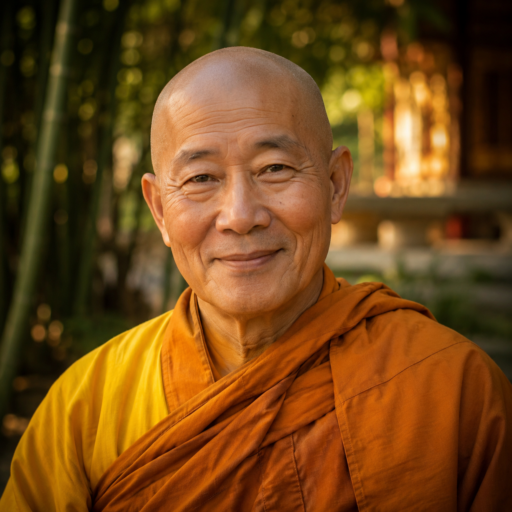
*_A young monk sat on the mountain’s edge, watching the wind that forgets to sit down carry his master’s ashes away._*
I recall my own journey beginning before the first word of a new day. The body has not yet realized the forest is gone, and still it stumbles upon hidden paths. It is easy to get caught up in searching for answers outside, but sometimes the only answer lies within. In this quiet space, I want to share with you some simple practices that have helped me find my way.
This article will offer a glimpse into my daily routine, focusing on concrete actions that can help you cultivate greater awareness and connection with your inner self. We will explore how to tune in to the sensations of the body, listen to the whispers of the mind, and allow the path to unfold within you. By embracing these practices, you may find that the path is already inside you, waiting to be discovered.
Before the First Word of the Day
Before the First Word of the Day
As you stand at the threshold, poised on the edge of morning, take a deep breath in and out. Feel the weight of your body, the sensation of your feet touching the earth. Notice the quiet that surrounds you the stillness of the air, the silence of the space.
Do not strive to create this quiet; instead, acknowledge its presence. Recognize that it is already there, waiting for you like a familiar friend. The wind that forgets to sit down has been whispering through your windows all night, reminding you of its gentle touch. Listen to its soft caress and allow yourself to settle into the present moment.
In this space before the first word of the day, you have the freedom to simply be. Let go of expectations, of goals, of outcomes. Allow yourself to rest in the stillness, like a leaf on a quiet pond, reflecting the beauty that lies within. The path is already inside you; do not try to find it instead, let it unfold before you, like a slow and gentle stream meandering through the landscape of your soul.
The Body Has Not Yet Realized
The Body Has Not Yet Realized
As we move through our daily lives, our bodies often become accustomed to the pace and rhythm of activity. We may feel like we’re just going through the motions, without much attention or awareness. But what if I told you that your body is trying to tell you something? Perhaps it’s not saying anything loud or clear, but rather whispering subtle cues that can guide you into stillness and awareness.
Take a moment to notice how your body feels in different situations. When are you tense or tight? Where do you feel a sense of relaxation or ease? These sensations can be like gentle nudges, urging you to slow down and pay attention to the present moment. Listen to these cues without judgment, allowing yourself to settle into whatever state arises.
It’s possible that your body is trying to tell you that it’s not as disconnected from its own inner wisdom as you think. The path is already inside you, waiting to be discovered through gentle exploration of your physical sensations. By tuning in to the subtleties of your body, you may find that you’re able to access a deeper sense of calm and clarity, one that arises from within, rather than from external sources.
Eastern Wisdom in Daily Rituals
Incorporating Eastern wisdom into our daily lives can be as simple as paying attention to our breath. Before the first word of the day, take a moment to sit still and breathe deeply. Notice the sensation of the air moving in and out of your body, without trying to control it or change it. This brief pause can help you connect with your inner self and set a calm tone for the day ahead.
As we move through our daily activities, we can also bring Eastern principles into play. When faced with a task that requires focus, try incorporating deep breathing exercises or meditation. The goal is not to achieve some specific state, but rather to cultivate awareness of the present moment. By doing so, you may find that your work becomes more efficient and enjoyable, as well as less stressful.
The path is already inside you, waiting to be uncovered. It’s a gentle unfolding, like the slow reveal of a lotus flower in the morning dew. Rather than striving for some external goal or outcome, trust that the wisdom and guidance you seek are already available to you. By embracing this quiet confidence, you can navigate life’s challenges with greater ease and clarity.
The Wind That Forgets to Sit Down
The Wind That Forgets to Sit Down
When we try to control every moment, every breath, and every step, we forget that life is a fluid dance. We grasp too tightly, and our bodies stiffen in resistance. But what if we let go of the need for control? What if we allowed ourselves to be carried by the natural flow of life, like leaves on a breeze?
Imagine yourself standing at the edge of a river, watching the water flow effortlessly downstream. You can try to resist its current, but it will always find a way to carry you along. Similarly, when we let go of our need for control, we allow ourselves to be carried by the currents of life. We learn to surrender, to trust that everything is unfolding as it should.
In this letting go, we discover freedom. Not from our bodies or minds, but from the constant striving and struggling that keeps us bound. The path is already inside you, waiting to be revealed. Trust in its wisdom, and let your body move with the gentle breeze of life.
Stillness Practice
Stillness Practice
When I first began my own slow practice journey, I found myself drawn to the gentle movements of tai chi and qigong. These ancient practices seemed to hold a quiet wisdom that resonated deeply within me. I would begin each day by finding a quiet spot, either in nature or indoors, where I could sit still and breathe. The wind that forgets to sit down whispers secrets to those who listen.
As I moved through the slow, flowing sequences of movement, I began to notice a subtle shift within myself. My mind, which had grown accustomed to racing thoughts and distractions, slowly started to quiet. It was as if the body has not yet realized the forest is gone, and it takes time for the trees to let go of their roots before they can be replanted elsewhere.
In these moments of stillness, I began to sense a deeper connection to my own inner wisdom. The path is already inside you, waiting to be uncovered. It is not something that needs to be discovered; rather, it is a gentle reminder to trust in the present moment and allow yourself to unfold as needed.
The Path Is Already Inside You (Reflection)
The wind that forgets to sit down whispers secrets in my ear, reminding me that the path I seek is not outside of me. It is a gentle hum, a vibration that echoes through every cell, guiding me toward the stillness at the heart of things.
Before the first word of the day, when the world is yet to awaken and the mind is fresh, I pause. In this quiet moment, I listen for the subtle guidance that arises from within. It is not always loud or clear, but it is always there, a gentle nudge that encourages me to move forward with intention and awareness.
As I walk my daily path, I come to realize that the body has not yet realized the forest is gone. The trees remain, their branches swaying in the breeze, reminding me that even as the world around us changes, we can still find peace and clarity within ourselves.
Embracing Imperfection
Embracing Imperfection
When we try to follow a strict path, we often find ourselves stuck in a cycle of striving and dissatisfaction. We expect ourselves to be perfect, to have it all together, and when we don’t meet these expectations, we feel like failures. But what if this striving is actually the problem? What if our pursuit of perfection is like trying to hold onto a leaf that’s being blown away by the wind?
The truth is, imperfection is not something to be feared or avoided. It’s an opportunity for growth and learning. When we let go of our need for control and perfection, we create space for the natural unfolding of life to happen. We start to listen more deeply to our bodies and hearts, and we begin to trust in the process.
The path is already inside you, waiting to be explored. It’s not something that needs to be found or achieved it’s simply a part of your being, always present and always available. When you approach life with an attitude of curiosity and openness, rather than one of expectation and striving, you’ll find that the path reveals itself in all its beauty and simplicity.
The Power of Patience
The Power of Patience
Practice patience as a way to deepen your connection with yourself and the world around you. It begins before the first word of the day, when the mind is still and the breath is calm. Take a moment to notice the sensation of your feet touching the ground, the weight of your body in space. Allow yourself to settle into this present moment, without expectation or distraction.
As you move through your day, bring patience with you like a gentle companion. When faced with challenges or difficulties, pause and breathe deeply. The wind that forgets to sit down will still find its way; it is not rushed by the urgency of the mind. Instead, allow yourself to be guided by the natural pace of the world around you.
The path is already inside you. It is a subtle presence, one that does not require grand gestures or dramatic transformations. Rather, it is a gentle unfolding, a slow and steady growth that arises from the depths of your own being. Practice patience as an invitation to this unfolding, and trust that the wisdom you seek will emerge in its own sweet time.
Quick answers
- QWhat if I feel restless or impatient?
- ARestlessness and impatience arise when the mind is not yet calm enough to listen. Sit before the first word of your day, breathe into the space between breaths, and let the stillness seep in. The body will find its way; it does not need your haste.
- QHow do I know what ‘the path’ feels like?
- AThe path is not something you find, but rather a sense of ease and fluidity in your daily movements. It’s the feeling of being fully engaged with each task, without trying to achieve or control. Listen to your body: when it feels relaxed and open, that’s where the path resides.
- QCan slow practice be adapted for busy lives?
- AYes, slow practice can be adapted to fit a busy life by incorporating small, consistent moments of stillness throughout the day. Before the first word of your day, take a few deep breaths and notice the sensation of your feet on the ground. Even a single moment of pause can help calm the mind and bring greater awareness to your actions.
Begin the practice tomorrow morning.
Drop your email below and receive 7 Rituals for Inner Calm, the small booklet I give every new student in their first week. One ritual a morning. By Sunday evening the noise will have gentled.
Free PDF. No subscription. One-click unsubscribe in every email.
Important notice. This article is for informational and educational purposes only. It is not medical advice, a diagnosis, or treatment. Consult a licensed healthcare professional before making significant changes to your sleep, diet, exercise or wellness routine.