Category: Body

  • The Wind That Forgets to Sit Down: Finding Stillness in the Body

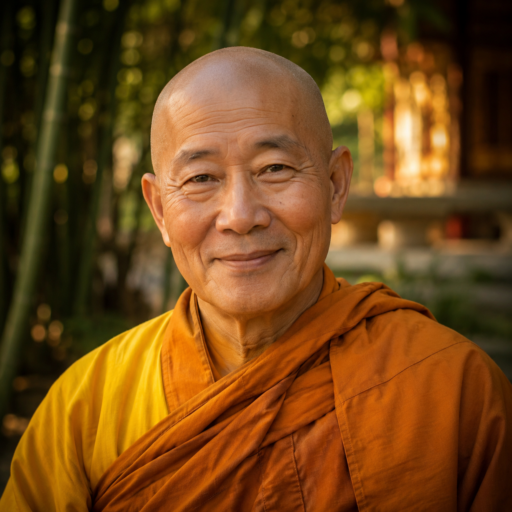
    Master Anshin

    Teachings of Master Anshin
    Master Anshin
    Stillness teacher. 40 years in silence, now sharing what was learned.

    _*I remember a winter morning when I was a young monk, walking through the forest with my master. The wind that forgets to sit down howled around us, its icy breath sending shivers down our spines. As we walked, the trees seemed to sway in rhythm with the gusts, their branches like nature’s own dance. It was as if the wind had forgotten the stillness of winter, and instead reveled in the wild freedom of the forest.*_

    This article will explore how to cultivate stillness within your body, just as the forest is untouched by the wind’s wildness. We’ll delve into simple yet profound practices that can help you develop a deeper connection with your physical form, allowing you to find peace and clarity amidst life’s chaos. By honoring the wisdom of the natural world and tuning into the subtle sensations of your own body, you can discover a sense of inner stillness that is always available, waiting to be discovered on the path that lies within.

    Why This Practice Matters

    The Wind That Forgets to Sit Down: Finding Stillness in the Body

    Why This Practice Matters

    I recall a morning at the monastery when the sun had barely risen, casting a warm glow over the courtyard. A young monk, still learning the ways of our tradition, was struggling to sit still during meditation. His mind was racing, and his body felt restless, as if it wanted to break free from its seat. I watched him, and then turned to my own practice, finding my breath in the quiet. In that moment, I realized that this young monk’s discomfort was not unique we all struggle with stillness.

    We live in a world that values movement and action, where our bodies are constantly on the go. The wind that forgets to sit down is a metaphor for our own tendency to stay active, even when we need to rest. Our minds are like the wind, always blowing, never still. And yet, it is in the stillness that we find true peace and understanding.

    In this practice, we learn to listen to our bodies, to honor their needs and limitations. We come to understand that stillness is not the absence of movement, but rather a state of being that allows us to move with greater ease and intention. It is a reminder that the path is already inside of you, waiting to be discovered.

    What the Body Already Knows

    What the Body Already Knows

    The body knows how to fall asleep in a matter of seconds, yet it takes us hours to relax in a chair. It knows how to sink into the earth beneath our feet, yet we spend most of our days standing or sitting on hard surfaces. The body remembers the sensation of a warm breeze on its skin, and it can recall the feeling of cool air on a summer day. These are not just physical sensations; they are memories that hold within them a sense of stillness.

    When the wind blows, it stirs up dust and settles in the crevices of our being. It carries the whispers of the past and the present, reminding us of what is already known. The body feels this wind, even when we try to sit still. We may think we are calm, but the body knows that the wind that forgets to sit down is always there, a gentle reminder of life’s ever-changing nature.

    The body’s awareness is not something we can turn on and off like a switch; it is an inherent part of our existence. It is a sense of knowing that arises from being present in the world around us. When we listen to the wind within ourselves, we begin to understand that stillness is not something we must strive for, but rather something that already exists beneath the surface of our busy lives.

    The Teaching

    The teaching is simple yet profound. It begins before the first word of the day, when the mind is still and quiet. Find a place where you can sit comfortably, with your back straight and your feet planted firmly on the ground. Take a deep breath in, feeling the air fill your lungs, and then exhale slowly, allowing any tension or stress to release.

    Eastern Wisdom Vol. I
    The Quiet Path
    The full e-book that goes deeper than any single article ever could. 40 years of practice condensed into small daily shifts you can begin tonight.

    Get instant access  →  $12

    Instant PDF  ·  30-day money-back  ·  No subscription

    As you sit, bring your attention to your body, starting at the crown of your head and working down to your toes. Notice the sensation of each part of your body, the weight of your seat on the chair, the feeling of your feet touching the ground. Allow yourself to relax further with each breath, letting go of any holding or tension.

    Now, imagine the wind that forgets to sit down is blowing gently through you. Feel its soft caress against your skin, its gentle rustle through your hair. As you breathe in and out, allow this sensation to deepen, to fill your entire body from head to toe. Remember, the goal is not to achieve a specific state or feeling, but simply to be present with yourself, to rest in the stillness of the moment.

    How To Begin Tonight

    How To Begin Tonight

    To start, find a comfortable seated position on the floor or a chair, whichever feels most grounded for you. Take a deep breath in, and as you exhale, allow your head to relax, letting go of any tension. Allow your gaze to soften, like the wind that forgets to sit down.

    Notice the sensation of your feet touching the ground. Feel the weight of your body distributed evenly, the sensation of the chair or floor beneath you. As you inhale, imagine fresh air filling your lungs, and as you exhale, imagine any remaining tension or stress leaving your body. Allow yourself to settle into this present moment, without trying to control it.

    Before the first word of the day, take a moment to acknowledge what you already know. Notice how your body feels in this seated position, the sensation of your breath moving in and out of your nostrils. Do not try to change anything; simply observe. Allow yourself to settle into the stillness, like the wind that forgets to sit down.

    Common Mistakes And Gentle Corrections

    As you embark on your journey to cultivate stillness in the body, it is essential to recognize common mistakes that can hinder your progress. Many beginners rush into practices without establishing a solid foundation, leading to frustration and burnout. One such mistake is overemphasizing the importance of relaxation techniques, neglecting the need for gentle mobilization and warmth.

    When you first begin, you may find yourself struggling with stiffness or tension in specific areas of the body. Instead of pushing through these sensations, take a step back and allow your body to warm up gradually. The wind that forgets to sit down is not one that rushes into stillness; it gently glides across the landscape, taking its time to settle. Similarly, approach your practice with patience and kindness, allowing your body to find its own natural rhythm.

    Another common error is failing to listen to the subtle cues of your body. You may feel a twinge of discomfort or fatigue, but instead of acknowledging these signals, you push through them as if they are nothing more than minor annoyances. The truth is that your body is trying to tell you something it is trying to remind you that it needs space to breathe, to move, and to relax.

    What Will Change In A Week

    In a week, you may notice the wind that forgets to sit down begins to settle slightly. You might catch yourself taking shorter breaths, feeling more grounded as you move through your day. This is not about stilling the breath entirely, but rather about becoming aware of its natural movement.

    As you make this small adjustment, you may start to feel a subtle shift in your posture. Your shoulders relax just a little, your spine lengthens slightly. It’s not about achieving perfection, but rather about allowing yourself to settle into the present moment. You might find that you’re able to focus more easily on the tasks at hand, without the constant tug of distraction.

    By the end of the week, you may have begun to notice a change in your relationship with your body. Your joints don’t ache as much after a long day, and you feel a sense of calm that’s not dependent on external circumstances. This is not about achieving some sort of inner peace, but rather about developing a deeper awareness of the world around you the way the light falls, the sound of the wind in the trees, the sensation of your feet touching the ground.

    A Closing Reflection

    As we come to the end of our exploration of finding stillness in the body, I offer you one final thought: that the wind that forgets to sit down is not just a metaphor, but a reminder of the ever-present movement within us. We often try to quiet the mind and settle the breath, but what about the restlessness of the body? What about the sensations that arise in our limbs, like the gentle hum of a harp string or the rustle of leaves on an autumn day?

    We can start by paying attention to these sensations. Notice how they change throughout the day, from the stiffness of morning to the relaxation of evening. Allow yourself to settle into each moment, rather than trying to push aside the restlessness. Remember that the body has not yet realized the forest is gone it still responds to the rhythms of nature, even in the midst of urban life.

    As you close this exploration, I invite you to take a few moments before the first word of your day to breathe into your body. Feel the weight of your seat on the ground, the sensation of your feet touching the earth. Allow yourself to settle into this quiet, warm space, and know that the path is already inside of you.

    Frequently asked questions

    Quick answers

    QHow long until I feel a difference from the wind that forgets to?
    APatience, young one. The body remembers its own rhythms, and stillness is not something you wait for, but rather it awakens within you when you begin to listen to your breath and the sensations of your feet touching the earth. It is a subtle shift, like the gentle rustle of leaves, that begins with small, consistent practices, such as sitting still before dawn or paying attention to the sensation of your body on its surface.
    QWhat if my mind keeps wandering?
    AWhen your mind wanders, gently bring attention back to the sensation of your feet touching the ground. Notice how this simple anchor can calm the restlessness of the mind, allowing the body to settle into stillness. The practice is not about stopping thoughts completely, but rather learning to observe them without being controlled by them.
    QCan I do this if I have never meditated before?
    AYes, you can start with stillness. Before your first breath of the day, take a few deep breaths and notice where tension or tightness resides in your body. The path is already inside of you, even if it feels hidden; gentle inquiry will reveal it.
    QIs this safe to do every day?
    AYes, it is safe to practice stillness every day. Listen to your body, and if you feel discomfort or pain, stop immediately. Start with short periods of time, such as 5-10 minutes a day, and gradually increase as your body adapts.
    A small gift for the noisy days

    Begin the practice tomorrow morning.

    Drop your email below and receive 7 Rituals for Inner Calm, the small booklet I give every new student in their first week. One ritual a morning. By Sunday evening the noise will have gentled.

    Free PDF. No subscription. One-click unsubscribe in every email.

    Begin your quiet path today
    If your heart is craving peace
    this is where it begins.
    Read at your own pace. Start tonight. The path is already inside of you.

    Get instant access  →  $12

    Instant download  ·  30-day guarantee  ·  Free bonus: 7 Rituals for Inner Calm
    Master Anshin: a serene landscape with misty mountains and a winding path leading to a tranquil lake

    About the author. Master Anshin has spent more than four decades in the bamboo groves and mountain temples of the East, studying breath, herbs, rhythm and rest. He is the author of The Quiet Path and writes plainly about practices anyone can begin tonight.

    Important notice. This article is for informational and educational purposes only. It is not medical advice, a diagnosis, or treatment. Consult a licensed healthcare professional before making significant changes to your sleep, diet, exercise or wellness routine.


  • Why Sitting on the Floor for Five Minutes a Day Can Reset Your Whole Nervous System

    Master Anshin

    Teachings of Master Anshin
    Master Anshin
    Stillness teacher. 40 years in silence, now sharing what was learned.

    _*A young girl sat cross-legged on the forest floor, her eyes closed as she listened to the sound of leaves rustling in the wind. She was learning to still the mind by sitting with the body, letting go of distractions and focusing on the breath.*_

    Sitting is a simple practice that can bring great benefit to our nervous system. When we sit, our bodies relax and our minds quiet. The wind that forgets to sit down it’s always moving, always in motion but when we sit still, we begin to notice its presence. Our nervous system benefits from the gentle pressure of our feet on the ground, the sensation of weight distributed evenly across our seat bones, and the calmness that settles into our chest. In this article, we’ll explore how sitting can help us tune into our nervous system, and offer practical tips for incorporating it into your daily routine starting with just a few minutes on the floor each day, where you can sit comfortably, eyes open or closed, and simply be present.

    Why Floor Sitting Matters

    Why Floor Sitting Matters

    Sitting on the floor, as a practice, is often misunderstood. We associate sitting with comfort and relaxation, but in reality, our chairs can be a barrier to true relaxation. When we sit, our muscles contract, our mind focuses inward, and our breath becomes shallow. The floor invites us to let go of these tight spaces.

    In a world that values productivity over presence, it’s easy to forget the importance of sitting still. Our bodies are designed for movement, but in modern life, we often find ourselves stuck in one place. Floor sitting reminds us that rest is not the absence of activity, but an invitation to slow down and listen.

    By dedicating just five minutes a day to floor sitting, you may notice a subtle shift within yourself. Your body will begin to release tension, your mind will quiet, and your breath will deepen. This simple practice can be a powerful tool for resetting your nervous system, allowing you to approach life with greater clarity and awareness.

    The Science Behind Grounding

    The Science Behind Grounding

    Our bodies have an innate ability to ground ourselves, but modern life often disrupts this natural balance. We spend most of our time indoors, surrounded by screens and technology that can interfere with our connection to the earth. The constant hum of machines and the glow of digital lights can make it difficult for us to feel a sense of stability and calm.

    When we sit on the floor, we are able to reconnect with the earth beneath us. The weight of our bodies presses down into the ground, sending signals through the soles of our feet that help to calm our nervous system. This is not just about physical sensation, but also about the emotional and mental state we inhabit.

    Sitting on the floor benefits by allowing us to settle into a sense of being present in our own skin. It gives us permission to slow down and listen to our bodies, rather than rushing through life at breakneck speed. By doing so, we can begin to repair the disconnection that modern life has caused, and find a sense of balance and harmony within ourselves.

    A Simple Monk’s Daily Routine

    A Simple Monk’s Daily Routine

    Eastern Wisdom Vol. I
    The Quiet Path
    The full e-book that goes deeper than any single article ever could. 40 years of practice condensed into small daily shifts you can begin tonight.

    Get instant access  →  $12

    Instant PDF  ·  30-day money-back  ·  No subscription

    Sitting on the floor is an old habit that can be rekindled in your daily life. In ancient monasteries, monks would sit on the floor for hours to meditate and connect with their breath. This simple act of sitting can help you cultivate a sense of calm and clarity.

    When we sit on the floor, our body is encouraged to engage its natural support system the muscles in our legs and back. Our spine lengthens, our shoulders relax, and our entire being becomes more grounded. The wind that forgets to sit down cannot disturb us when we are seated in this way.

    Before the first word of the day, take a few minutes to sit on the floor. Feel the weight of your body distributed evenly across both feet, with your knees bent at a 90-degree angle and your back straight. Allow yourself to settle into this position, letting go of any tension or stress. The body has not yet realized the forest is gone it simply knows that it is sitting in stillness.

    The Body Remembers Before the Mind Does

    The body remembers before the mind does. When we sit on the floor, our bodies respond in ways that are often subtle but profound. The muscles relax, the joints release tension, and the breath deepens. It is as if the floor is a gentle whisper to the body, reminding it of its own weight and balance.

    In this state, the body’s nervous system begins to unwind. The constant hum of stress and anxiety that accompanies our daily lives starts to quiet. The mind may still be caught up in thoughts and worries, but the body knows that there is more to life than the present moment. As we sit on the floor, our bodies begin to remember a sense of calm and clarity.

    Sitting on the floor benefits us in ways that are not always immediately apparent. It can help us feel more grounded and centered, even when we’re feeling unsteady or uncertain. By taking just five minutes each day to sit on the floor, we can start to experience this sense of calm and clarity for ourselves.

    From Forest to Floor

    From Forest to Floor

    As you sit on the floor, notice how your body responds to this simple act. At first, there may be tension in your muscles, as if the floor is not enough support for your weight. This is like the forest after a storm, where the trees stand bare and exposed. But with time, and regular practice, you will begin to feel a subtle shift.

    Your body starts to release its grip on the idea of needing constant stimulation. The wind that forgets to sit down whispers through your cells, reminding you that stillness is possible. Your mind, too, begins to settle, like the morning dew glistening on a leaf. Before the first word of the day, you start to feel a sense of clarity, as if the fog has lifted from your eyes.

    The path is already inside of you, waiting to be walked. As you sit on the floor, allow yourself to feel this inner guidance. Notice how your nervous system responds to the gentle pressure of the earth beneath you. Your body has not yet realized the forest is gone, but with each passing day, it begins to sense that there is a new landscape unfolding one where rest and relaxation are not weaknesses, but strengths.

    The Path is Already Inside You

    The path is already inside you, waiting to be acknowledged. Floor sitting isn’t about achieving some mystical state or forcing a specific outcome. It’s about listening to your body and trusting its wisdom.

    When we sit on the floor, our bodies respond in ways that can be subtle yet profound. Our muscles relax, our breath deepens, and our minds quieten. The sensation of weight on our bones and the feeling of being grounded can be incredibly soothing. This is not a means to escape or distract ourselves, but rather an invitation to tune in.

    By committing to just five minutes of floor sitting each day, we create space for our nervous system to recalibrate. Our bodies learn to settle into stillness, and our minds begin to let go of the constant chatter that can wear us down. In this quiet moment, we may discover a sense of clarity or calm that wasn’t there before not because we’re doing something new, but because we’re listening to what’s already been there all along.

    By sitting on the floor, we open ourselves up to the possibility of being more present in our daily lives. We begin to notice the way our bodies move, the sensation of our feet touching the ground, and the rhythm of our breath. This awareness can be a powerful antidote to the stress and overwhelm that often accompanies modern life.

    Common Misconceptions About Floor Sitting

    As we explore the benefits of sitting on the floor, let us first examine common misconceptions that may have arisen. Some believe that sitting on the floor for five minutes is an exercise in self-discipline or a test of endurance. They think it’s about pushing oneself to sit still and quiet, like a statue. But this is not what floor sitting is about.

    The truth lies in understanding how our bodies respond to changing environments. When we move from a chair to the floor, our nervous system is presented with a new challenge. Our body needs to adapt to a different gravitational pull, one that requires us to engage our muscles and connect with the earth beneath us. This shift can have a profound impact on our overall well-being.

    By sitting on the floor for five minutes a day, we are not just changing our physical posture; we are also influencing our nervous system’s response to stress and relaxation. The benefits of sitting on the floor are not just about physical alignment but also about cultivating a deeper sense of calm and connection with ourselves and the world around us.

    Getting Started with Floor Sitting

    When beginning your daily floor sitting practice, it’s essential to start small and be consistent. Begin by setting aside just five minutes each day, in a quiet and comfortable space where you can sit without distraction. The goal is not to push yourself to spend hours on the floor, but rather to cultivate a gentle habit that will eventually become second nature.

    As you sit on the floor, allow your body to settle into its natural position. Feel the weight of your seat bones sinking into the surface, and the length of your spine unfolding from its usual slouch. Notice how your breath becomes deeper and more relaxed, as your nervous system begins to calm. It’s in these quiet moments that you’ll start to feel a subtle shift within yourself.

    Remember, the benefits of sitting on the floor are multifaceted. By strengthening your core and improving your posture, you’ll also be able to sit more comfortably and focus for longer periods. Additionally, this simple practice can help regulate your nervous system, reducing stress and anxiety as you become more attuned to your body’s needs.

    Frequently asked questions

    Quick answers

    QIs floor sitting just a fad or a real health benefit?
    AFloor sitting is not a fleeting trend, but a simple practice that can bring profound benefits to your nervous system. By dedicating five minutes each day to sitting on the floor, you’ll help calm the body’s constant alert state and allow it to return to its natural balance. Regular floor sitting can also increase blood flow, reduce muscle tension, and promote a sense of grounding and connection to your physical self.
    QWhat if I’m not flexible or comfortable on the floor?
    AIf your body protests, try sitting on a cushion or chair with a straight back. The goal is not to stretch or contort, but to still sit and focus on the breath. Five minutes of gentle attention can be enough to calm the nervous system, even if it’s just for a brief respite from discomfort.
    QCan I do floor sitting with my eyes closed?
    AYes, you can sit on the floor with your eyes closed, but be gentle with yourself and start slowly. Begin by sitting comfortably on the floor with your back straight, then close your eyes and focus on your breath, feeling the sensation of the air moving in and out of your body. As you rest, allow your nervous system to settle into stillness, just like the forest after a quiet rain.
    A small gift for the noisy days

    Begin the practice tomorrow morning.

    Drop your email below and receive 7 Rituals for Inner Calm, the small booklet I give every new student in their first week. One ritual a morning. By Sunday evening the noise will have gentled.

    Free PDF. No subscription. One-click unsubscribe in every email.

    Begin your quiet path today
    If your heart is craving peace
    this is where it begins.
    Read at your own pace. Start tonight. The path is already inside of you.

    Get instant access  →  $12

    Instant download  ·  30-day guarantee  ·  Free bonus: 7 Rituals for Inner Calm
    Master Anshin: a serene landscape with misty mountains and a winding path leading to a tranquil lake

    About the author. Master Anshin has spent more than four decades in the bamboo groves and mountain temples of the East, studying breath, herbs, rhythm and rest. He is the author of The Quiet Path and writes plainly about practices anyone can begin tonight.

    Important notice. This article is for informational and educational purposes only. It is not medical advice, a diagnosis, or treatment. Consult a licensed healthcare professional before making significant changes to your sleep, diet, exercise or wellness routine.


  • The Body Knows the Forest is Gone Before You Do

    Master Anshin

    Teachings of Master Anshin
    Master Anshin
    Stillness teacher. 40 years in silence, now sharing what was learned.

    _*I remember a young monk who spent years studying the ancient art of Anshin, only to forget his own breath on his final day. The forest had been there all along, quietly teaching him its lessons.*_

    As we navigate our busy lives, it’s easy to get caught up in the whirlwind of thoughts and emotions that can leave us feeling frazzled and disconnected from our inner selves. Our nervous system often gets stuck in fight or flight mode, making it difficult to listen to the subtle whispers of our body. In this article, we’ll explore how to tune into the wisdom of your own body, one that knows the forest is gone before you do. We’ll delve into practical daily practices that can help you cultivate a deeper sense of awareness and presence, allowing you to find balance and clarity in even the most chaotic of times.

    Modern Stress Response

    Modern Stress Response

    Our bodies were designed to respond to threats, but chronic stress keeps us in a state of perpetual alertness. The nervous system is meant to be flexible, adapting quickly to changes in our environment. However, when we’re under constant stress, the body’s response becomes stuck in fight or flight mode.

    This can lead to symptoms like fatigue, difficulty sleeping, and a weakened immune system. Our bodies are not designed for this kind of prolonged activation. It’s as if the nervous system is trying to protect us from a threat that never ends.

    When we’re chronically stressed, our internal environment becomes increasingly unstable. The body’s natural balance is disrupted, leading to feelings of anxiety and disconnection. This can be seen in the way we move, the way we eat, and even the way we breathe.

    Ancient Body, Modern World

    Ancient Body, Modern World

    We live in a world where our bodies are constantly on high alert. The constant din of notifications, the pressure to perform, and the need for efficiency have created a state of perpetual tension. Our nervous system is stuck in fight or flight mode, never truly relaxing. We try to control it with exercise, meditation, and self-care, but these efforts often feel like fighting against the tide.

    Our bodies know that the forest is gone before we do. They sense when our boundaries are being pushed too far, when our needs are not being met, and when we’re running on empty. But we ignore this wisdom, trying to push through fatigue, ignoring the whispers of our own vulnerability. We forget that the body has a way of knowing when it’s been worn down.

    In this world of constant stimulation, our bodies yearn for simplicity and stillness. They crave the gentle rustle of leaves, the warmth of sunlight on skin, and the quiet of an empty space. But we’re so busy trying to control every aspect of our lives that we forget how to listen to our own rhythms.

    The Nervous System Stuck in Fight or Flight

    The Nervous System Stuck in Fight or Flight

    Eastern Wisdom Vol. I
    The Quiet Path
    The full e-book that goes deeper than any single article ever could. 40 years of practice condensed into small daily shifts you can begin tonight.

    Get instant access  →  $12

    Instant PDF  ·  30-day money-back  ·  No subscription

    Our bodies are designed to respond to threats, and for millions of years, this response has been crucial for survival. However, when faced with everyday stressors like traffic jams or meeting deadlines, our nervous system can become stuck in fight or flight mode. This is not just a matter of being anxious or overwhelmed; it’s a fundamental problem that affects the way we live our lives.

    When our nervous system is in constant alert, it can lead to exhaustion and burnout. We may feel like we’re constantly “on edge,” with our heart racing and our mind racing faster still. This state of hyperarousal can be debilitating, making it difficult to focus or relax.

    The good news is that this problem is not inherent to who we are as individuals, but rather a result of how our nervous system has been wired over time. By becoming aware of this pattern and taking steps to calm the nervous system, we can begin to break free from its grip.

    Before the First Word of the Day

    Before the First Word of the Day

    Take a moment to breathe, feel your body, and acknowledge the stress that’s already present. It is easy to overlook this subtle yet profound shift in our state. As we prepare to face another day, our nervous system can become stuck in fight or flight, even before we’ve had a chance to fully engage with the world.

    This subtle tension can be felt in the tightness of the shoulders, the quickening of the breath, and the narrowing of the focus. It is as if the body knows that something is amiss, but the mind has yet to catch up. This pause before the day begins can be a powerful opportunity for us to reconnect with our own needs and desires.

    By taking a few moments to settle into this awareness, we can begin to untangle the threads of stress and anxiety that have become knotted in our nervous system. We can allow ourselves to slow down, even if only slightly, and invite a sense of calm to take hold.

    Calming the Nervous System

    Calming the Nervous System

    When the forest is gone, the trees still stand tall. The wind that forgets to sit down whispers through their branches. In the same way, your nervous system holds steady even when you feel like fleeing. It’s essential to acknowledge this quiet strength within yourself.

    Gentle movements can be a powerful tool in calming the nervous system. Take a few moments each day to practice slow, deliberate actions walking, stretching, or even simply pouring water from one container to another. Focus on the sensation of your feet touching the ground, the movement of your breath, and the flow of your hands.

    As you engage with these simple tasks, allow yourself to settle into the present moment. Feel the weight of your body on the earth, the sensation of the air moving in and out of your nostrils, and the gentle hum of life surrounding you. This is where the nervous system begins to relax, letting go of its constant state of alertness that can leave it feeling stuck in fight or flight mode.

    The Path is Already Inside of You

    The Path is Already Inside of You

    When we feel lost, like the forest has been uprooted and we’re wandering aimlessly, it’s easy to get caught up in the idea that we need external solutions to find balance and peace. But what if I told you that this sense of imbalance is already within you? That your body knows exactly how to find its way back to stillness?

    Listen to your body, and you’ll start to notice a subtle hum. A gentle vibration that tells you when you’re stuck in fight or flight mode, nervous system on high alert. It’s like the wind that forgets to sit down – always moving, always reacting, never truly at rest. But if you pay attention, you can learn to recognize this feeling and take small steps towards calming it.

    The path is not something external; it’s an internal landscape that’s been waiting for you to tune in. When you listen to your body and trust its intuition, you’ll start to notice a sense of ease, a sense of knowing that you’ve always had the answers within.

    Stop the Fight or Flight Response

    Stop the Fight or Flight Response

    You are already in a state of tension, even when you’re sitting still. The body is wired to respond to threats, and your nervous system is stuck in fight or flight mode before you even realize it’s happening. This is not just about physical symptoms like racing heart or trembling hands; it’s also about the mental chatter that accompanies it.

    Pay attention to how your breath feels when you’re feeling anxious or stressed. Is it shallow and quick, or is it deep and slow? The body often seeks out a fast, shallow breath when it’s trying to conserve energy for “fight or flight.” Notice how this affects your posture, too – do you slouch forward, shoulders up towards your ears, as if bracing yourself for an attack?

    The key is not to try to calm down your nervous system with quick fixes like exercise or caffeine. Instead, focus on slowing down the breath and allowing your body to settle into a more relaxed state. This doesn’t mean you’re ignoring the problem or avoiding it – it means you’re giving your body permission to process it in a safe, peaceful way.

    Embracing Imperfection

    Embracing Imperfection

    When we try to restore our bodies, we often forget that they are already wise. The wind that forgets to sit down knows that stillness is not something it needs to achieve; it simply is. Our bodies too know the forest is gone before we do the trees have withered and died from years of neglect.

    The problem lies not in our bodies, but in our minds. We try to force them back into balance, but this only creates tension. The nervous system gets stuck in fight or flight, unable to relax even when there’s no danger present. It’s a pattern we’ve learned from countless battles and stressors, and it’s hard to break free.

    But what if we approached our bodies with the same kindness and curiosity as a child approaching nature? What if we listened to their whispers, rather than trying to control them? By embracing imperfection, we can create space for our bodies to find their own balance.

    Frequently asked questions

    Quick answers

    QWhat if I feel like my stress response is always on?
    AIf your body is already responding to stress, it means you’ve been living in a state of tension for some time. Take a few moments each day to notice where your body holds this stored energy, and gently release it with deep breaths or gentle stretches. Start by acknowledging the sensation without judgment, allowing yourself to settle into the stillness that lies beneath the surface.
    QCan stress really make me forget how to live with my body?
    AYes, stress can cause you to disconnect from your bodily sensations and intuition. When we are stressed, our minds dominate, and we may not listen to the subtle whispers of our bodies. Before the first word of the day, take a few deep breaths and tune into how your body feels – notice any areas of tension or relaxation. By acknowledging these subtle cues, you can begin to rebuild your connection with your body’s innate wisdom.
    QHow do I know if I’m in a state of fight or flight?
    AWhen your body remembers the forest, it’s not a memory from long ago, but a feeling that arises with each breath. The tension in your shoulders, the tightness in your jaw, the racing of your heart – these sensations signal that you’re no longer rooted in the present moment. Listen to the gentle ache in your muscles, the soft whisper of fatigue, and you’ll know when the forest has gone.
    A small gift for the noisy days

    Begin the practice tomorrow morning.

    Drop your email below and receive 7 Rituals for Inner Calm, the small booklet I give every new student in their first week. One ritual a morning. By Sunday evening the noise will have gentled.

    Free PDF. No subscription. One-click unsubscribe in every email.

    Begin your quiet path today
    If your heart is craving peace
    this is where it begins.
    Read at your own pace. Start tonight. The path is already inside of you.

    Get instant access  →  $12

    Instant download  ·  30-day guarantee  ·  Free bonus: 7 Rituals for Inner Calm
    Master Anshin: a serene landscape with misty mountains and a winding path leading to a tranquil lake

    About the author. Master Anshin has spent more than four decades in the bamboo groves and mountain temples of the East, studying breath, herbs, rhythm and rest. He is the author of The Quiet Path and writes plainly about practices anyone can begin tonight.

    Important notice. This article is for informational and educational purposes only. It is not medical advice, a diagnosis, or treatment. Consult a licensed healthcare professional before making significant changes to your sleep, diet, exercise or wellness routine.


  • Why Your Shoulders Hurt When You Are Sad

    Master Anshin

    Teachings of Master Anshin
    Master Anshin
    Stillness teacher. 40 years in silence, now sharing what was learned.

    _*The old woman sat on the mountain slope, her worn wooden cane beside her. She had lost her daughter to war many years ago, and still, her shoulders would ache when the wind picked up, reminding her of the day she stood alone, watching her child walk into battle.*_

    When we experience profound loss or sorrow, our bodies can become heavy with grief. The weight of our emotions can manifest physically, causing tension in our muscles, particularly in our shoulders. This somatic response is a natural part of the grieving process, and understanding it can be a powerful tool for healing. In this article, we will explore how to recognize and work with the physical sensations that arise when we are sad, using simple yet effective practices to help your body release tension and find stillness.

    The Body Holds Grief

    The Body Holds Grief

    When your shoulders ache, it is often not from overuse or strain, but from carrying an unseen burden. The weight of sadness settles upon us, and our bodies feel the gravity of our emotions. It is as if the wind that forgets to sit down has taken up residence within us, pressing against our skin and muscles.

    In this state, we may try to push the pain away or distract ourselves from it, but the truth is, our bodies remember. They recall the moments when joy was not enough, when happiness seemed fleeting, and when sorrow felt like a permanent resident. The body has not yet realized the forest is gone, so it continues to hold onto what it knows.

    It is in these moments that we must learn to listen to our bodies, to acknowledge their pain and allow ourselves to feel it fully. Before the first word of the day, take a moment to breathe into your shoulders, to invite them to release the weight they have been carrying. The path is already inside of you, and it may lead you to places of healing and understanding.

    Tension and Emotion

    Tension and Emotion

    When your shoulders hurt, you may wonder why physical pain is connected to emotional suffering. The answer lies in the way our bodies respond to stress and emotions. When we feel sad or overwhelmed, our body’s natural response is to tense up, preparing us for a perceived threat. This tension can manifest in various parts of the body, including our shoulders.

    The reason our shoulders are often affected is that they carry much of our weight, both literally and figuratively. We use them to hold ourselves upright, to support our daily activities, and to convey our emotions through posture. When we’re sad or anxious, these roles become exaggerated, leading to increased tension in the shoulders. This physical discomfort can be a subtle reminder that our emotional pain has not yet been fully released.

    The key is to acknowledge this tension without judgment. Allow yourself to feel it, rather than pushing it away or trying to numb it with distractions. By doing so, you may find that your body begins to relax, and the pain in your shoulders starts to ease. This is not about avoiding emotions but about creating space for them to arise and be processed.

    The Path is Already Inside You

    The path is already inside you. When we are sad, our entire being becomes heavy. Our shoulders, in particular, take on this weight. It’s as if they’re carrying not just our physical burden but also the emotional ache.

    Eastern Wisdom Vol. I
    The Quiet Path
    The full e-book that goes deeper than any single article ever could. 40 years of practice condensed into small daily shifts you can begin tonight.

    Get instant access  →  $12

    Instant PDF  ·  30-day money-back  ·  No subscription

    Look within to find the source of your physical discomfort. Notice where your sadness settles. Is it in your chest? Your stomach? Or perhaps it’s a gentle hum in your lower back? The body is a map, and by tuning into its sensations, we can begin to understand what’s causing our shoulders to hurt.

    It’s not that our shoulders are the source of our sorrow; rather, they’re a reflection of our inner state. When we’re sad, our shoulders often become tense, as if they’re trying to shield us from the discomfort within. By acknowledging and accepting this tension, we can begin to release it, allowing ourselves to feel the weight of our emotions in a more gentle way.

    Release Stuck Feeling

    Release Stuck Feeling

    When you are sad, your shoulders often feel heavy and tight. This physical sensation can be a reflection of the emotional weight that is bearing down on you. The wind that forgets to sit down carries many burdens, and sometimes our bodies mirror those feelings.

    To release this stuck feeling, allow yourself to feel it fully. Notice the tension in your shoulders and the heaviness in your chest. Do not try to push these sensations away or distract yourself from them. Instead, gently acknowledge their presence and begin to breathe into them. With each breath, imagine any tension or discomfort slowly releasing its grip on your body.

    As you continue to breathe, notice how your body responds. Does your shoulder relax slightly? Does the weight in your chest feel a little lighter? Allow this sense of release to spread throughout your entire body, like a gentle warmth that dissolves into the present moment.

    Before the First Word of the Day

    Before the first word of the day, take a moment to breathe into your body. Find a comfortable seated position, with your back straight and your feet planted firmly on the ground. Close your eyes and bring your attention to your shoulders. Notice any areas of tension or tightness.

    As you inhale, imagine fresh breath filling your lungs and expanding your chest. As you exhale, imagine any tension or stress leaving your body. Bring your attention to your shoulders again, this time noticing how they feel when you’re feeling sad or overwhelmed. Do they feel heavy, tight, or knotted?

    Notice the sensation in your shoulders without judgment. Are there areas that feel particularly sore or tight? Allow yourself to acknowledge these sensations without trying to push them away or change them. Simply observe and breathe into them. As you do this, remember that your body is not separate from your emotions. Your shoulders hurt when sad because they are reflecting the weight of your emotions.

    The Wind that Forgets to Sit Down

    The Wind that Forgets to Sit Down

    When you are sad, your body often holds tension, like the wind that forgets to sit down. It’s as if the air is restless, unable to settle into stillness. Your shoulders, in particular, may feel heavy and tight, a reflection of the weight of emotions.

    Notice how your body moves with each breath, and gently bring awareness to areas of discomfort. As you inhale, allow your chest to expand, feeling any tension release. Exhale, and notice if your shoulders drop or relax slightly. Allow yourself to settle into this gentle movement, without trying to force it.

    The key is not to push away the sadness, but to acknowledge its presence in your body. By noticing how your body responds to each breath, you can begin to cultivate a sense of calm and release. Remember, the path is already inside of you; trust that with time and patience, your body will find its own way back to stillness.

    Listening to Your Body

    When sadness settles within you, notice how it manifests in your physical form. Your shoulders, in particular, often bear the weight of emotional pain. As you breathe, allow yourself to feel the heaviness that resides there. It’s not just a simple strain from daily activity; this tension is rooted in the emotions themselves.

    Pay attention to the sensations in your chest and shoulders. Do they feel constricted or tight? Is it as if a heavy weight is pressing against your skin? Allow these feelings to arise without judgment, simply observing them with kindness. You do not need to change or fix anything; you only need to acknowledge the presence of sorrow.

    As you cultivate this awareness, you may begin to sense that the pain in your shoulders is not just physical but also emotional. It’s a reminder that even in stillness, there is movement beneath the surface. The body knows the truth of our emotions long before our minds do; it’s only by listening to these whispers that we can begin to heal and understand ourselves more deeply.

    Finding Release

    As we sit in stillness, notice how your shoulders feel. When you are sad, do they ache or constrict? Perhaps they feel heavy, weighed down by the weight of emotions. The sensation is often subtle, yet palpable. It’s as if the very fabric of your body has been altered by the emotional storm.

    As you breathe in, imagine fresh air filling any spaces of tension that have developed along your spine and shoulders. Feel the gentle expansion of your chest, the softening of your jaw. Allow this breath to be a reminder that even in sorrow, there is still room for relaxation and release.

    Now, as you exhale, imagine any emotional pain slowly releasing. It’s not about erasing or avoiding these feelings, but rather about acknowledging their presence and allowing them to ebb away. With each exhalation, feel your shoulders relax further, the tension melting like mist in morning light.

    Frequently asked questions

    Quick answers

    QWhy do my shoulders hurt when I’m sad?
    AWhen your body is holding sadness, it can become heavy and tight, like a weight that settles into the shoulders. This physical tension is not just in the shoulders themselves, but also in the entire back and chest area, as if the pain is radiating out from within. Allow yourself to settle into this sensation, noticing how it feels without trying to change or push it away.
    QCan physical relaxation techniques help with somatic sadness?
    AWhen sorrow settles in, our bodies often mirror the turmoil of the mind. Physical tension, particularly in the shoulders, can be a manifestation of emotional pain. Gentle practices like deep breathing, progressive muscle relaxation, and mindful movement can help release physical holding patterns associated with sadness, allowing the body to relax into its natural state.
    QHow long does it take to feel relief from tension in my shoulders?
    AThe relief comes when you begin to move, not just physically, but also emotionally. As the body relaxes, the mind starts to let go of its weight. This can happen in a few breaths, or it may take some time, but the sense of release will come when you start to feel the ground beneath your feet again.
    Begin your quiet path today
    If your heart is craving peace
    this is where it begins.
    Read at your own pace. Start tonight. The path is already inside of you.

    Get instant access  →  $12

    Instant download  ·  30-day guarantee  ·  Free bonus: 7 Rituals for Inner Calm
    Master Anshin: a serene landscape with misty mountains and a winding path leading to a tranquil lake

    About the author. Master Anshin has spent more than four decades in the bamboo groves and mountain temples of the East, studying breath, herbs, rhythm and rest. He is the author of The Quiet Path and writes plainly about practices anyone can begin tonight.

    Important notice. This article is for informational and educational purposes only. It is not medical advice, a diagnosis, or treatment. Consult a licensed healthcare professional before making significant changes to your sleep, diet, exercise or wellness routine.