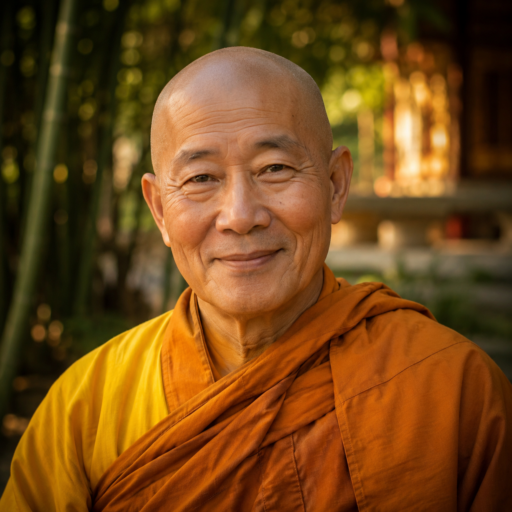
_*I remember a young monk who spent his days running through the forest, searching for a sense of calm in the midst of chaos. He was always on the move, never staying in one place for too long. The trees seemed to blur together as he rushed past, their leaves rustling softly in the wind that forgets to sit down.*_
As we navigate our own busy lives, it’s easy to get caught up in a sense of urgency and distraction. We often find ourselves wondering if we’re doing enough, or if we’ll ever have enough time for what truly matters. This article will explore the concept of a “stranger’s clock,” a metaphor for the way our minds can become disconnected from the present moment, and offer practical advice on how to cultivate a sense of inner peace in the midst of chaos. We’ll delve into the ways in which we can slow down, listen to our bodies, and discover that the path is already inside of us.
The Body Knows
The Body Knows
As we start each day, our minds often begin to tick away like a frantic clock, racing through thoughts and worries. But what if I told you that there’s a way to slow down the rhythm of your mind by tuning into the language of your body? Before the first word of the day, take a moment to notice how your body responds to stress. Do you feel tense, tight, or heavy? Perhaps your shoulders are rounded, your jaw is clenched, or your heart feels like it’s pounding in your chest.
Notice the physical sensations that arise when you’re feeling anxious or overwhelmed. Are there any areas of tension or discomfort? Take a deep breath and bring your attention to those places. Feel the sensation of each breath moving into and out of your body, allowing yourself to settle into the present moment. As you exhale, imagine any stress or tension leaving your body.
As you begin your day, remember that your body is already aware of what’s needed. It knows when you’re feeling stuck or uncertain, and it will guide you towards a sense of balance and calm. Listen to its whispers, and trust that the path ahead is unfolding in the most gentle and loving way possible.
Daily Ritual
A Stranger’s Clock: The Story of a Racing Mind
Daily Ritual
Before the first word of the day, take a breath into your skin. Feel the earth beneath you, the air moving in and out of your body. This is not a meditation, nor is it a breathing exercise though these are common companions to this practice. It’s simply being present. Notice how your mind stirs at the first whisper of light. The wind that forgets to sit down is stirring once more.
In this stillness, observe the racing thoughts without engaging with them. Let them be like the trees swaying in the breeze unattached and free. Your task is not to stop the wind, but to learn how it moves through you. This practice is not about achieving a specific state; it’s about cultivating awareness of your own inner landscape.
As you settle into this stillness, ask yourself: What is the first thing I want to accomplish today? The answer may surprise you. Your body has not yet realized the forest is gone the distractions and demands of the day are still far away. Take a moment to consider what truly matters before the world outside your door begins to stir.
Eastern Wisdom
Eastern Wisdom
When our minds are like a restless child, always on the move and never still, we may try to slow it down by setting a timer or making a schedule. But this approach often only perpetuates the cycle of busyness. Instead, consider the concept of wu wei, or non-action. This ancient Chinese principle encourages us to align ourselves with the natural flow of life, rather than trying to control every moment.
Imagine being a stranger in a forest, and your body is unaware that it has wandered into this new landscape. The trees, the creatures, and the wind are all moving according to their own rhythms, without any conscious effort or intention. Similarly, when we approach our racing minds with wu wei, we allow ourselves to settle into the present moment, unencumbered by thoughts of time or productivity.
The body has not yet realized that it is running on an outdated clock, one that was set by a stranger who never knew us. We can learn to listen to this inner voice, which whispers its own gentle rhythm, and align ourselves with its natural cadence. This is the path already inside of you, waiting to be discovered.
The Path is Already Inside You
The Path is Already Inside You
You are familiar with the sensation of your mind racing, like a restless horse that cannot be still. It’s as if you’re constantly chasing a deadline, never stopping to catch your breath. But what if I told you that this pace is not about speed, but about being present in each moment? The wind that forgets to sit down will continue to blow, regardless of whether you’re moving or standing still.
Consider the concept of a stranger’s clock. What would it look like if we were to observe our own inner rhythm without judgment? Would it tick away with a frantic urgency, as is often the case when we try to force ourselves into a specific mold? Or would it beat with a gentle, steady pulse, marking the passage of time in a way that feels authentic and true?
When you take a moment to tune into your own inner clock, you may discover that it’s not about being faster or more efficient. It’s about learning to listen to the subtle cues within yourself, allowing your body and mind to find their natural pace. The path is already inside of you; now, all you need to do is learn to walk upon it.
Stillness Practice
In the midst of daily life, our minds can become like a restless river, constantly in motion. We rush to catch up with each other, and in doing so, we forget how to sit still. But what if you were to listen to your own inner rhythm? What if you allowed yourself to rest in the quiet moments, like a stranger sitting by a forest stream?
Imagine finding a moment before the first word of the day. Before you even think about getting out of bed or starting your tasks, simply take a breath and sit still. Feel the weight of your body on the ground, the sensation of the air moving in and out of your nostrils. Allow yourself to settle into this quiet, like the wind that forgets to sit down.
In these moments of stillness, you may begin to notice the subtle whispers of your own heart. The thoughts will still come, but they will no longer be the dominant voice. You will start to hear the gentle hum of your own inner clock, a rhythm that is unique to you and yours alone. This is the stranger’s clock: the story of how your mind learns to listen to its own heartbeat.
The Wind That Forgets to Sit Down
The wind that forgets to sit down is a reminder that our thoughts and emotions are always in motion, like the gentle breeze on a summer day. We can observe how they constantly shift and change, never staying still for more than a moment. Our minds are like this restless wind, carrying us from one thought to another without pause.
As we watch ourselves, we begin to notice that our bodies remain grounded, rooted in the present moment. The earth beneath our feet is a steady anchor, a reminder of what is real and constant. It is here that we can find stillness, even in the midst of turmoil.
In this quiet space, we may begin to hear the sound of our own heartbeat, like the ticking of a stranger’s clock. This strange and foreign rhythm becomes a gentle guide, helping us to navigate the twists and turns of our inner world.
From Chaos to Clarity
From Chaos to Clarity
As you begin your journey, you may find yourself lost in a sea of thoughts, each one chasing the next like waves on a restless shore. The wind that forgets to sit down whispers constant doubts and fears, making it difficult to discern what is truly important. It is in these moments that you must learn to listen to the stillness within.
The first step towards finding clarity is to acknowledge the chaos that surrounds you. Recognize that your racing mind is not unique, and that many have walked this path before you. Before the first word of the day, take a moment to breathe in deeply, feeling the air fill your lungs and calm your heart. This simple act can help quiet the inner turmoil and allow you to approach the day with a sense of clarity.
The body has not yet realized the forest is gone; it only knows the sensation of its presence. Similarly, your mind may struggle to let go of thoughts and emotions that no longer serve you. But with consistent practice, you can learn to navigate these turbulent waters and find a sense of inner peace that remains even when the storm subsides. The path is already inside of you; it is up to you to listen to its gentle guidance.
Quick answers
- QHow do I start a daily stillness practice?
- ABegin by sitting quietly before the first word of your day, eyes closed, and listen to the silence. Allow yourself to settle into the present moment, without trying to achieve anything. The body will find its own rhythm, and the mind will calm with time. Start small, just a few minutes, and be gentle with yourself as you begin.
- QWhat if my mind is too restless to sit still?
- AYour mind is like the wind, it cannot be forced to settle. Before attempting stillness, learn to listen to its natural pace. Allow yourself to slow down with each breath, feeling the body’s weight on the earth beneath you. The path of calm is not one of resistance, but rather surrender to the present moment.
- QCan this practice really help me find inner peace?
- AWith regular stillness practice, you may begin to notice that your mind’s constant racing slows, and moments of quiet emerge. This can be a gentle unfolding, not a sudden transformation. As the body settles, the forest within begins to reveal itself, and inner peace starts to take shape. It is not something found, but rather an already-present presence waiting to be acknowledged.
Begin the practice tomorrow morning.
Drop your email below and receive 7 Rituals for Inner Calm, the small booklet I give every new student in their first week. One ritual a morning. By Sunday evening the noise will have gentled.
Free PDF. No subscription. One-click unsubscribe in every email.
Important notice. This article is for informational and educational purposes only. It is not medical advice, a diagnosis, or treatment. Consult a licensed healthcare professional before making significant changes to your sleep, diet, exercise or wellness routine.
Leave a Reply