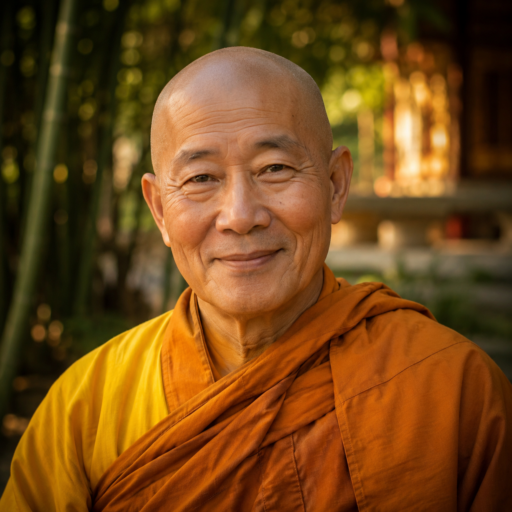
_*A young monk sat in stillness beside a river, watching as the water carried away the footprints of a lone traveler. The sun had long since passed overhead, yet the air remained heavy with the scent of damp earth and new life.*_
As we sit in quiet contemplation, we often find ourselves caught between the expectations of our minds and the gentle reminders of our bodies. We may try to push through physical discomfort or mental fatigue, only to realize that our efforts are like the wind that forgets to sit down – constantly in motion, yet never truly present. Waiting for the body to remember is a simple yet profound practice that allows us to tap into the wisdom of our own being. In this article, we will explore how to cultivate patience and awareness in our daily lives, allowing us to listen more deeply to the whispers of our bodies and hearts.
The Wind That Forgets
The Wind That Forgets
In the quiet moments, I find myself standing on the edge of stillness. The world around me seems to be moving at its usual pace, yet I stand frozen, observing the gentle dance of leaves in the breeze. The wind that forgets to sit down whispers secrets in my ear – that even in the midst of chaos, there is a deep peace waiting to be uncovered.
It is here, on this threshold between movement and stillness, that we begin our journey into the depths of ourselves. We wait for the body to remember its own rhythms, its own cadence. We wait for it to recognize the patterns of tension and release, of contraction and expansion. And as we wait, we find that the world begins to slow down, ever so slightly.
Before the first word of the day, I take a breath in, feeling the weight of my body settle onto the earth. I let go of any expectations or desires, and simply allow myself to be present in this moment. The world may still be spinning around us, but we are no longer caught up in its whirlwind. We are waiting for the body to remember, and when it does, we will find that we have been there all along.
Morning Rituals
Morning Rituals
As morning dawns, we find ourselves at the threshold of a new day. Before the first word of the day is spoken, before our minds are stirred by the world’s noise, let us pause and honor the body’s rhythms. Take slow, deep breaths, feeling the air fill your lungs, then release it slowly back out. Notice the sensation of the breath in your chest, the rise and fall of your belly.
Or take a walk outside, without destination or purpose. Simply step forward with each foot, paying attention to the weight of your body on the earth beneath you. Feel the ground supporting you, the air resisting your movement. Allow yourself to settle into the present moment, without trying to change it or control it.
In these quiet moments, we wait for the body to remember its own wisdom. We wait for the wind that forgets to sit down to guide us, to remind us of the simplicity and beauty of stillness. As we cultivate this awareness, we begin to listen to the subtle whispers of our bodies, allowing them to lead us on a path that is already inside of you.
The Body Has Not Yet Realized
The Body Has Not Yet Realized
As you sit, allow yourself to settle into each moment, rather than rushing towards a specific state of calm. The body is like the forest after a storm – the trees may look bare and still, but beneath the surface, roots are stirring, and life is beginning anew.
Notice how your breath moves in and out of your body, without trying to control it or change its rhythm. Allow yourself to settle into this natural flow, rather than pushing against it. The wind that forgets to sit down is always moving, yet finds peace in its gentle motion.
Before the first word of the day, when the world outside feels most vibrant and awake, take a moment to quiet the body’s inner dialogue. What thoughts arise? Allow them to pass through without judgment or attachment, like leaves on a stream carrying water downstream.
Eastern Wisdom on Waiting
As we wait, we often find ourselves caught in the whirlwind of our thoughts. We try to push forward, to make progress, to achieve our goals. But what if we were to approach waiting with a different mindset? In Taoist and Buddhist traditions, there is a concept known as wu wei, or effortless action. It is the idea that when we align ourselves with the natural flow of life, we can move through challenges with ease and fluidity.
The body has a way of remembering us, but often we forget its own wisdom. We try to impose our will on it, to control every movement and thought. But what if we were to let go of that need for control? What if we waited before the first word of the day, allowing ourselves to settle into the stillness of the morning? The body would begin to remember, slowly at first, but with time, its own rhythm and wisdom would emerge.
In this sense, waiting is not a passive state, but an active one. It is an invitation for the body to recall its own knowing, to trust in its ability to move forward without our need for control. As we wait, we can begin to listen to the wind that forgets to sit down, and allow ourselves to be guided by its gentle wisdom.
The Path is Already Inside You
The path is already inside you, waiting to be discovered by the eyes that have grown accustomed to distractions. It begins with attention to the sensations in your body, the gentle hum of fatigue or the sharp sting of tension. This awareness is not about achieving a specific state, but rather about paying attention to the present moment.
As you cultivate this awareness, notice how the mind tends to wander, like a restless leaf blown by the wind that forgets to sit down. The thoughts will come and go, but it’s essential to acknowledge them without becoming entangled in their narrative. Instead, gently bring your focus back to the sensations in your body, allowing yourself to settle into the present.
Before the first word of the day, take a moment to breathe into your body, feeling the weight of your bones on the earth and the rise and fall of your chest with each breath. This simple act can help you remember that the path is already inside you, waiting to be explored, and that the journey begins with a willingness to slow down and listen to the whispers of your own being.
Embracing the Unknown
Embracing the Unknown
Waiting for the body to remember is not about arriving at a destination, but rather embracing the journey itself. It is a process that unfolds like a river, ever-changing and constantly in motion. The more we try to grasp or control it, the more elusive stillness becomes.
In this space of waiting, we are invited to let go of our expectations and preconceptions about what stillness should look like. We must be willing to surrender to the unknown, just as the wind that forgets to sit down surrenders to its natural flow. This surrender is not a sign of weakness, but rather a testament to our courage in the face of uncertainty.
As we wait for the body to remember, we come to realize that stillness is not something that can be found; it is something that is already present within us. The path is already inside of you, and all we need to do is listen to its gentle whispers.
Patience as Practice
Patience as Practice
As we wait for the body to remember, patience becomes our companion on this journey. It is not about being still in the sense that our minds are quiet, but rather about allowing the body to unfold its own wisdom. We practice patience by noticing when our minds start to wander and gently bring our attention back to the present moment. This quiet persistence cultivates trust in the body’s ability to recall its inner knowing.
In this waiting space, we begin to understand that the body is not a passive recipient of external guidance but an active participant in its own unfolding. The wind that forgets to sit down becomes a reminder that even our most ingrained habits and patterns can be gently nudged by the subtle whispers of patience. As we wait for the body to remember, we learn to listen to its own rhythms and cadences.
Before the first word of the day, when the mind is still and the body is quiet, we can begin to sense the stirrings of life within us. The body has not yet realized the forest is gone, but in this waiting space, we can start to feel a gentle stirring of awareness that whispers “remember.” It is here that patience becomes our anchor, holding us steady as we wait for the body to remember its own inner wisdom.
Quick answers
- QWhat if my mind is restless?
- AIf your mind is restless, it means the body has not yet realized its own limits. Take a few deep breaths and sit quietly before the first word of your day. Allow yourself to settle into stillness, even for just a moment, and trust that the body will remember its own pace.
- QHow long should I wait for stillness?
- AThere is no need to wait for stillness, my friend. The body remembers when it is allowed to slow down and listen. Before the first word of the day, take a few deep breaths and notice the sensations in your body; this is where stillness begins.
- QIs this practice only for those with a calm mind?
- ANo, waiting for the body to remember is not limited to those with a calm mind. It’s a practice that can be approached by anyone, regardless of their mental state. The stillness you seek begins in the body, and it’s the gentle guidance of the body that will help quiet the mind.
Begin the practice tomorrow morning.
Drop your email below and receive 7 Rituals for Inner Calm, the small booklet I give every new student in their first week. One ritual a morning. By Sunday evening the noise will have gentled.
Free PDF. No subscription. One-click unsubscribe in every email.
Important notice. This article is for informational and educational purposes only. It is not medical advice, a diagnosis, or treatment. Consult a licensed healthcare professional before making significant changes to your sleep, diet, exercise or wellness routine.
Leave a Reply