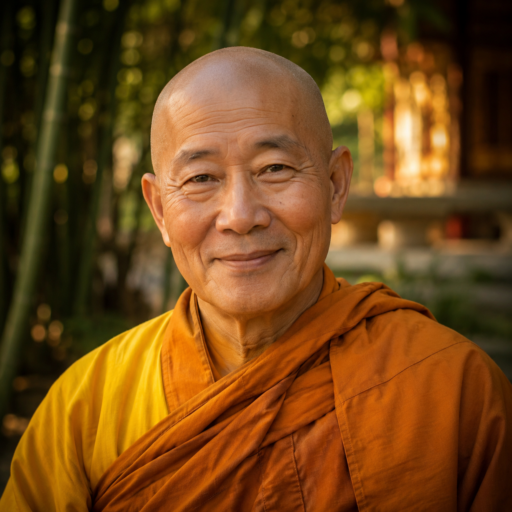
_*A young monk sat beside his master on a mountain slope, watching as the wind gently lifted his robes. The master’s hands were clasped together in stillness, and the monk asked, “How do you find peace?” The master replied, “The body knows, but the mind needs to rest.”*
When tension leaves your shoulders, you begin to notice the subtle shifts in your posture, the way your breath deepens, and the quietening of your thoughts. You start to feel the weight of your daily worries slowly lifting, like autumn leaves drifting to the ground. This is not a sudden epiphany, but a gentle unfolding, as if the very foundation of your being is relaxing into stillness. What happens when you release tension from your body? How does it change the way you move through the world, interact with others, and experience life itself?
The Body’s Response
The Body’s Response
When you release tension from your shoulders, your body responds by letting go of its weight. The muscles that were holding onto stress and anxiety begin to relax, allowing the skeleton to feel lighter. This is not just about physical sensation, but also about the subtle shifts in posture and alignment.
As tension releases, your body becomes more receptive to movement and touch. Your joints can move with greater ease, and your senses become more attuned to the world around you. You may notice a sense of release or expansion, as if your entire being is unfolding like a lotus flower.
In this state, you may find that your breath becomes more relaxed, and your heart rate slows. The body’s natural response to relaxation is often accompanied by a sense of calm and serenity. As you continue to release tension from your shoulders, you may begin to feel a sense of connection to the present moment, unencumbered by worries about the past or future.
Your body has not yet realized the forest is gone, but as you release tension, it begins to sense that something is shifting.
Breathing Becomes Easier
When you release tension from your shoulders, breathing becomes easier. The muscles that were holding your breath contract and relax, allowing your lungs to expand fully.
As you let go of tension, your chest opens up, and your diaphragm descends further into the abdominal cavity. This allows for a more efficient exchange of oxygen and carbon dioxide, making each breath feel more expansive and nourishing. The body’s natural tendency towards relaxation takes over, and your breathing becomes more harmonious with the rhythm of your heartbeat.
In this state, you begin to notice the subtle shifts in your respiratory pattern. Your breath becomes less shallow and more deliberate, as if it is guided by an inner wisdom. The wind that forgets to sit down stirs within you, carrying the scent of fresh air and possibility.
The Mind Begins to Soothe
The Mind Begins to Soothe
As physical tension dissipates, the mind starts to calm. The constant chatter that can keep us awake at night begins to quiet. Thoughts that were racing, like a restless horse, start to slow their pace. The mind is no longer a jumble of worries and concerns, but rather a peaceful lake on a windless day.
In this state, the mind becomes more receptive to its own wisdom. It can hear the gentle whispers of intuition, guiding us towards clarity and insight. The constant need for stimulation and activity begins to fade, replaced by a sense of stillness and quiet contemplation.
What happens when you release tension from your shoulders is not just a physical sensation, but a shift in the way the mind operates. It is an invitation to surrender, to let go of the need to control every thought and emotion. In this surrender, we find a deeper sense of peace and calm.
Your Posture Improves
Your Posture Improves
When you release tension from your shoulders, your entire posture shifts. The weight that has been holding you down begins to lift, and your spine starts to lengthen. This subtle yet profound change allows you to stand taller, with more awareness of the ground beneath your feet.
As you let go of tension, your body becomes more receptive to relaxation. Your muscles release their grip on each other, allowing for a sense of ease that was previously inaccessible. Your shoulders no longer hunch forward in an attempt to protect yourself from perceived threats; instead, they relax into a state of gentle openness.
In this new posture, you are better able to settle into stillness. Your body becomes more receptive to the quiet of the present moment, and your mind begins to unwind. Sleep becomes more restorative, as your body is no longer held in a state of constant tension.
The Path Unfolds
When you release tension from your shoulders, the weight of holding onto thoughts and emotions begins to lift. The physical sensation of relaxation seeps into your being, like warm water flowing down a parched riverbed. Your breath deepens, becoming more fluid and expansive, as if it’s drinking in the air around you.
As you let go of tension, the path to rest becomes clearer, guiding you toward a deeper state of relaxation. The world around you begins to feel more vibrant, yet less overwhelming. You may notice that your senses become more acute, allowing you to appreciate the small details and sounds that were previously muffled by tension.
In this state, you’re no longer fighting against the wind that forgets to sit down instead, you’re moving with it, letting its gentle caress carry you toward a place of stillness. The body has not yet realized the forest is gone; it’s simply found its way back to the present moment, where peace and tranquility reside.
Your Sleep Quality Enhances
When you release tension from your shoulders, you create space in the body for relaxation to settle in. The shoulders are the gatekeepers of the body’s tension, holding onto stress and anxiety like a vice. When they relax, the entire body begins to unwind.
As the shoulders release their grip, the breath deepens and becomes more nourishing. The chest expands, and the lungs fill with fresh air, allowing for more efficient oxygenation. This is not just about physical relaxation; it’s also about clearing mental clutter. The mind can only focus on one thing at a time, and when the shoulders are tense, the mind is clouded.
In this state of release, you become more receptive to rest. Your body no longer holds onto the day’s stressors, allowing yourself to let go even further into sleep. You wake up feeling refreshed, not just physically but also mentally. The world feels like a quieter, more peaceful place, and you’re ready to face it with clarity and calmness.
The Cycle Repeats
The Cycle Repeats
As you practice releasing tension from your shoulders, you may begin to notice that the pattern repeats itself throughout your day. You might feel a sense of calm in the morning, only to find yourself tightening up again as the demands of the day take hold. This is not a failure on your part, but rather an opportunity for growth and refinement.
The cycle repeats because tension is not something you either have or you don’t – it’s a state of being that can arise at any moment. By practicing release, you’re not trying to eliminate tension from your life entirely; you’re learning to respond to it in a more gentle way. This doesn’t mean you’ll never feel tense again, but rather that you’ll know how to move through those moments with greater ease.
As the cycle repeats itself, pay attention to what’s happening within and around you. Notice the subtleties of your body language, the tone of your voice, and the thoughts that arise in response to tension. With time and practice, you’ll come to see that release is not just a physical act, but a way of being that permeates every aspect of your life.
Integration is Key
When you release tension from your shoulders, what happens is that the weight of holding onto it begins to lift. Your posture adjusts, ever so slightly, and your breath becomes more relaxed. The sensation of being stuck or constricted starts to dissipate, like mist evaporating in the morning sun.
As you continue on this path, you may notice a subtle shift in your awareness. Your mind is no longer fixed on the source of tension, but rather begins to explore its roots. What are you holding onto? Is it fear, anxiety, or perhaps a sense of obligation? By releasing physical tension, you create space for introspection and self-inquiry.
The body has not yet realized the forest is gone. It is only when we release our grip on tension that we can begin to perceive the world with fresh eyes. The path is already inside of you; it is up to you to listen to its gentle whispers and allow yourself to be guided by its quiet wisdom.
Quick answers
- QWhat happens to my muscles when I release tension?
- AWhen you release tension from your shoulders, your muscles relax and lengthen, no longer holding onto stored energy. The physical sensation is often described as a softening or unwinding of the muscles, like releasing a gentle grip on the body. This can lead to a sense of calm and ease in the entire upper body, allowing the breath to settle deeper into the chest.
- QCan releasing tension from my shoulders improve my sleep?
- AWhen you release tension from your shoulders, you allow your entire body to relax and settle into stillness. This can lead to a deeper state of calm and reduced stress, making it easier to fall asleep and stay asleep. By releasing tension from your shoulders, you create space for the rest of your body to unwind, allowing you to drift off into a more peaceful slumber.
- QHow often should I practice this daily ritual?
- AWhen you release tension from your shoulders, your body relaxes into its own weight, and your mind quiets. This simple act can be done at any time of day, but it is most effective before the first word of the day when the body is still in a receptive state. Begin with just one or two breaths, feeling the release of tension as you exhale, and allow yourself to settle into the present moment.
Begin the practice tomorrow morning.
Drop your email below and receive 7 Rituals for Inner Calm, the small booklet I give every new student in their first week. One ritual a morning. By Sunday evening the noise will have gentled.
Free PDF. No subscription. One-click unsubscribe in every email.
Important notice. This article is for informational and educational purposes only. It is not medical advice, a diagnosis, or treatment. Consult a licensed healthcare professional before making significant changes to your sleep, diet, exercise or wellness routine.
Leave a Reply