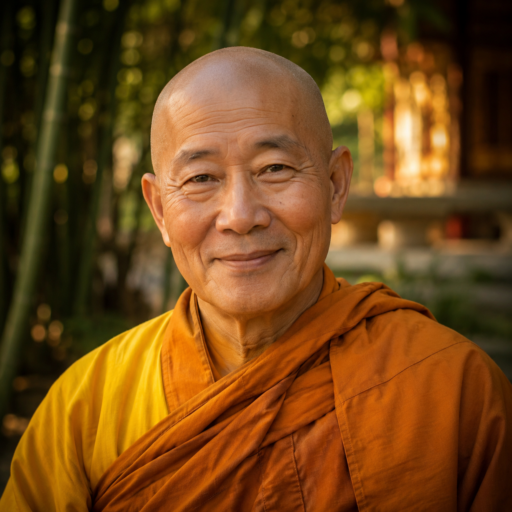
_*A young monk sat in stillness for hours, his eyes closed, as the sun shone through the temple’s latticework windows. His breathing was slow and steady, a gentle reminder that some days, even the most disciplined among us need to surrender.*_
The body’s natural rest: understanding burnout in monastic traditions. As we navigate our modern lives, it’s easy to lose sight of what truly sustains us. Burnout, a state of emotional, mental, and physical exhaustion, can creep up on anyone, regardless of their background or circumstances. In traditional monastic communities, the concept of “shinzen” a state of calm awareness in the midst of chaos has long been recognized as a vital component of well-being. This article will explore the principles and practices that have helped monks and practitioners find balance and renewal in the face of burnout, drawing from the wisdom of monastic traditions to offer practical guidance for those seeking to cultivate their own inner peace.
Eastern Wisdom on Fatigue
Eastern Wisdom on Fatigue
In monastic traditions, burnout is often viewed as a sign of imbalance, rather than a personal failing. This perspective shifts the focus from individual weakness to the need for restoration and renewal. The body’s natural rest is not something that can be forced or willfully achieved; it is a state that arises from acknowledging and honoring the limits of our physical and emotional endurance.
The concept of “shinzen” in Zen Buddhism, which refers to the moment when one becomes aware of their own exhaustion, is a powerful reminder of this understanding. It is not about pushing through fatigue, but rather about recognizing the signs and surrendering to the body’s natural response. This surrender allows us to approach our work and daily life with renewed intention and clarity.
Before seeking solutions or remedies, it is essential to acknowledge that burnout is not something that needs to be overcome; it is a signal that we need to slow down and listen to our bodies. In this sense, the body’s natural rest becomes an invitation to pause, reflect, and reconnect with ourselves and the world around us.
The Monk’s Daily Ritual
The Monk’s Daily Ritual
To find stillness, begin before the first word of the day. Sit in silence for as little as five breaths, and ask yourself what the body is holding onto. Does it feel heavy? Tight? Stiff? Allow these sensations to rise to the surface, without judgment.
As you sit, bring your attention to the areas of tension. Place a hand on each spot, feeling the weight of the body’s resistance. Breathe into these areas, imagining fresh air and relaxation seeping in. With each inhale, allow the body to release just a little more. The wind that forgets to sit down can be tamed by this gentle practice.
In stillness, the body begins to remember its natural state. It is not burdened by thoughts of yesterday’s tasks or tomorrow’s obligations. The forest has not yet realized it is gone; the trees do not know they are being felled. By listening to the body and honoring its rest, you cultivate a sense of balance that permeates every aspect of your life.
Before the First Word of the Day
Before the First Word of the Day
Silence is not a luxury, but a necessity for those who seek balance in their lives. In monastic traditions, we have long recognized the importance of beginning each day with stillness. It is a chance to tune into our bodies, to listen to its whispers and intuition. The body has a way of knowing when it needs rest, whether it’s from the weariness of exhaustion or the fatigue of overexertion.
In this quiet moment, we can assess our readiness for the day ahead. We can check in with our breath, our posture, and our emotions. Are we calm? Are we centered? Or do we feel like a leaf blown about by the wind, struggling to find balance? By starting each day with silence, we create space for self-reflection and awareness.
This is not a moment of indulgence or escape; it’s an opportunity to connect with what truly matters. The body has not yet realized the forest is gone, and in this stillness, we can rediscover our place within nature. We can listen to its rhythms and allow ourselves to be guided by its wisdom.
The Body Has Not Yet Realized the Forest is Gone
The body has not yet realized the forest is gone. We live as if we are still rooted in a familiar landscape, even when the land beneath us shifts and changes. Our bodies remember the rhythms of nature: the warmth of sun on skin, the coolness of shade, the scent of damp earth. But our minds often forget this connection, forgetting that rest is not a luxury but a necessity.
We try to push through fatigue, to keep moving forward even when exhaustion seeps into every pore. We convince ourselves that we are strong, that we can endure anything. But in doing so, we neglect the body’s own wisdom. The body knows it needs to slow down, to rest and recharge. It sends signals: aching muscles, dull eyes, a sense of disconnection from the world around us.
Rest is not something we do for others or for ourselves as a reward; it is simply what the body does when it needs to. We can learn to listen to this wisdom, to trust that the body’s natural rest is not a sign of weakness but of resilience.
Listening to the Wind
Listening to the Wind
As we move through our daily lives, we often forget to listen to the subtle cues of our own bodies. Fatigue, tension, and stress can be signs that we are out of balance, but these signals are easily overlooked in the hustle and bustle of modern life. The body’s natural rest is not something we need to force or achieve; it is simply a matter of paying attention to its needs.
When fatigue sets in, take a moment to notice where it resides in your body. Is it a heaviness in your limbs, a dullness in your mind, or a feeling of exhaustion that seems to seep into every cell? Allow yourself to acknowledge this sensation without judgment, and then respond with gentle care. This might mean taking a break from activity, resting in a quiet space, or engaging in activities that bring you relaxation.
The body has not yet realized the forest is gone; it still remembers the feeling of standing beneath its ancient trees, breathing in the scent of damp earth and greenery. Our bodies are wired to respond to the natural world, and by tuning into this sense of connection, we can find a deeper sense of balance and well-being.
The Path is Already Inside of You
The Path is Already Inside of You
When we feel burnt out, our minds often turn to seeking external solutions or answers. We look for a quick fix or a magic pill to restore balance. But in monastic traditions, we’ve come to understand that the path to rest and rejuvenation lies within.
Consider this: before the first word of your day, take a moment to breathe deeply into your body. Feel the weight of your feet on the ground, the sensation of the air moving in and out of your nostrils. Allow yourself to settle into this present moment, without judgment or expectation. The wind that forgets to sit down is always within you, ready to calm the turbulence of the mind.
In these moments of quiet, the body begins to remind us that it has not yet realized the forest is gone. The trees are still standing, the creatures are still living, and the earth is still spinning beneath our feet. Trust that you have within you the ability to find balance and rest when needed. This is not something that needs to be taught or learned; it’s a natural state of being that can be accessed at any moment.
Cultivating Stillness in a Busy World
In our busy world, stillness is often seen as a luxury we can’t afford. We rush from one task to another, never taking the time to breathe, to feel, or to listen. But what if I told you that this constant movement was actually a sign of burnout? The body’s natural rest is not something we need to find; it’s something we’ve forgotten.
When we’re still, our bodies remember how to function without our conscious mind taking over. Our muscles relax, our breath slows, and our minds quiet. It’s as if the body has been waiting for this moment, holding its breath in anticipation of release. The wind that forgets to sit down it’s not just a metaphor; it’s a reminder that stillness is always present, even when we think we’re moving.
In monastic traditions, we’ve long understood the importance of cultivating stillness in our daily lives. We take time each day to meditate, to walk, and to simply be. It’s not about achieving some sort of spiritual state; it’s about recognizing that the body has a natural rhythm, one that can guide us back to balance and harmony.
Embracing Imperfection and Rest
Embracing Imperfection and Rest
The body knows that rest is not something we can schedule, but rather an unfolding process. It is a subtle shift in our awareness, a gentle surrender to the present moment. Before the first word of the day, when the world outside still holds its breath, we can begin to allow ourselves to relax. The wind that forgets to sit down whispers secrets to those who listen.
In monastic traditions, rest has long been recognized as an essential component of spiritual practice. It is not a luxury reserved for the few, but a necessity for living a balanced life. The body has not yet realized the forest is gone; it still recognizes the patterns of the trees, the rustle of leaves, and the gentle hum of insects. We can learn to listen to our own inner rhythms, to honor the natural ebb and flow of energy within us.
Rest is not about escaping or avoiding the world around us, but rather about being fully present in the midst of it. The path is already inside of you, waiting to be explored. By embracing imperfection and rest, we can cultivate a deeper sense of connection with ourselves and the world. In this way, we may discover that rest is not something we need to find, but rather something that has been within us all along.
Quick answers
- QWhat is the body’s natural rest?
- AThe body’s natural rest is a subtle surrender to its own rhythms, a quiet acceptance of its limitations and the world around it. It is not a forced stillness, but an effortless release from tension, like the wind that forgets to sit down. In this state, the body is not trying to achieve something; it is simply being present, allowing itself to rest in the midst of movement.
- QCan stillness practices really help prevent burnout?
- AStillness practices can be a powerful tool for cultivating balance and resilience, allowing you to approach challenges with greater clarity and ease. By regularly taking time to rest and quiet the mind, you may find that your body and spirit are better equipped to handle life’s demands. This is not about avoiding or escaping difficulties, but rather about being more grounded and present when faced with them.
- QHow do I incorporate stillness into my busy schedule?
- ATo incorporate stillness, begin before the first word of your day. Sit quietly for a few breaths, feeling the weight of your body on the earth. Let go of expectations and simply be with what is present. The wind that forgets to sit down will find its own pace in you.
Begin the practice tomorrow morning.
Drop your email below and receive 7 Rituals for Inner Calm, the small booklet I give every new student in their first week. One ritual a morning. By Sunday evening the noise will have gentled.
Free PDF. No subscription. One-click unsubscribe in every email.
Important notice. This article is for informational and educational purposes only. It is not medical advice, a diagnosis, or treatment. Consult a licensed healthcare professional before making significant changes to your sleep, diet, exercise or wellness routine.
Leave a Reply