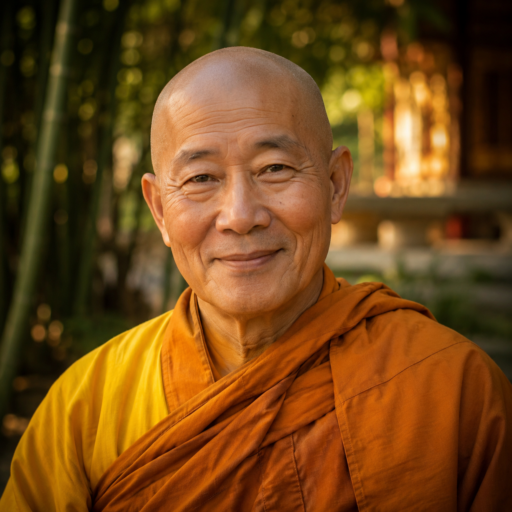
Tag: monk wisdom

  • The Path Is Already Inside of You, Waiting to Be Found

    Master Anshin

    Teachings of Master Anshin
    Master Anshin
    Stillness teacher. 40 years in silence, now sharing what was learned.

    _*A young monk sat on the mountain’s edge, watching as his master’s body slowly dissolved into the mist. The wind that had cradled him for so many years was now a gentle breeze, and the trees stood tall without the support of his presence.*_

    As we navigate the twists and turns of our own journeys, it is easy to lose sight of what lies within. We search the world around us for answers, seeking guidance from others and external sources. But what if the path we’ve been searching for was already inside us all along? This article will explore the idea that the path is already inside you, waiting to be found through simple daily practices that cultivate awareness and presence in the body. By tuning into the subtle signals of our own bodies and minds, we can begin to uncover the hidden wisdom within ourselves and embark on a journey of self-discovery and growth.

    Why This Practice Matters

    In our monastery, I often watch the old trees sway in the wind. The wind that forgets to sit down, they say, has been gently nudging their branches for years, shaping them into what they are today. It is a reminder that growth and transformation are not sudden events, but rather gradual processes that unfold with patience and persistence.

    As I reflect on our practice, I am reminded of the importance of beginning each day before the first word. It is easy to get caught up in the hustle and bustle of daily life, rushing to respond to the world around us without taking a moment to tune into our own inner landscape. By starting with silence and stillness, we create space for our minds and bodies to settle into their natural state.

    The body has not yet realized that it is no longer standing in the forest. It takes time for us to become aware of the subtle changes that occur when we let go of our attachments and expectations. Our practice encourages us to listen to the whispers of our own hearts, rather than the constant din of external stimuli. By doing so, we begin to uncover the path that is already inside of us, waiting to be found.

    In a world that often values speed and efficiency over stillness and quiet, our practice offers a radical alternative: the freedom to slow down, to listen, and to trust in the wisdom that lies within. It is not about achieving some kind of mystical state or spiritual high; it is simply about being present, exactly as we are, in this moment.

    What the Body Already Knows

    What the Body Already Knows

    As you stand, notice the weight of your feet on the ground. The sensation of the earth beneath you, the pressure of each individual point making contact with the surface. This is not something that can be thought about, only felt. It is a somatic experience, one that awakens the body to its own presence.

    The breath moves in and out, a steady pulse that underscores every movement. The sensation of the air on your skin, the rise and fall of your chest as you inhale and exhale. This too is not something to be considered, only perceived.

    Notice how your body responds to the environment around you. A gentle breeze rustles the leaves, and your skin prickles with awareness. Or a loud noise startles you, and your heart quickens in response. The body’s automatic reactions are always present, waiting to be acknowledged.

    In these moments of simple awareness, the path is already inside of you, waiting to be found. It is not something that needs to be discovered or achieved; it is simply a part of the natural unfolding of life.

    The Teaching

    The Teaching

    Eastern Wisdom Vol. I
    The Quiet Path
    The full e-book that goes deeper than any single article ever could. 40 years of practice condensed into small daily shifts you can begin tonight.

    Get instant access  →  $12

    Instant PDF  ·  30-day money-back  ·  No subscription

    To find the path that has been waiting for you, begin by stillness. Sit in silence before the first word of your day, and listen to the quiet voice within. This is not meditation as some may know it, but rather an awareness of the present moment.

    As you sit, take note of where you feel tension or resistance. Is it in your breath, your posture, or perhaps a sense of unease? Allow these areas of discomfort to arise without judgment, and gently acknowledge them. Do not try to push away or change them, but rather observe them with kindness.

    The body has not yet realized the forest is gone. It is only when we quiet the mind that we can see what lies beneath. Take a few moments each day to slow your breath and listen to the sensations in your body. As you do so, ask yourself: What am I holding onto? What am I afraid of letting go of?

    As you cultivate this awareness, remember that the path is already inside of you. It is not something external to be found, but rather a deep knowing that resides within. Trust in this sense of guidance and allow it to inform your actions throughout the day.

    How To Begin Tonight

    Common Mistakes And Gentle Corrections

    What Will Change In A Week

    A week is a short span of time, yet one that can hold great promise. It is in these fleeting moments that we may begin to notice subtle shifts within ourselves. Perhaps you will find that your breath becomes more steady and calm, as if the stillness of the forest has begun to seep into your daily routine.

    As the days pass, you may start to notice a sense of ease in your movements, as if your body has grown accustomed to its own rhythm. This is not about forcing your way into a new pattern, but rather allowing yourself to unfold like the petals of a flower. The wind that forgets to sit down may begin to whisper its gentle guidance, urging you to move with greater fluidity.

    Before the first word of the day, take a moment to pause and breathe. Feel the weight of your body on the earth, and the sensation of your feet touching the ground. This simple act can be a powerful reminder that the path is already inside you, waiting to be found. It is not something that needs to be discovered, but rather gently uncovered.

    In this quiet space, allow yourself to listen to the whispers of your own heart. What are the desires and longings that have been hidden beneath the surface? What is it that you truly yearn for in this moment? The path may not be a destination, but rather a journey within. And it begins with a single step, taken with an open heart and an inquiring mind.

    A Closing Reflection

    A Closing Reflection

    As you come to the end of your journey, take a moment to look back on the steps that have brought you here. Have you been paying attention to the subtle nudges of the wind in your life? The gentle whispers that suggest it’s time to move forward, even if you’re not sure where you’re going?

    Look within and ask yourself: what is it that truly feels like home for you? Is it a sense of calm, a feeling of connection to the world around you, or perhaps a quiet confidence in your own abilities? Whatever it may be, this sense of belonging is the path that has been waiting inside of you all along.

    It’s easy to get caught up in the idea that we need to find something outside of ourselves in order to feel fulfilled. But what if I told you that the path is already inside of you, waiting to be found? It’s not something that needs to be discovered; it’s simply a matter of paying attention to the quiet voice within.

    As you close this chapter and move forward into the unknown, remember that the path is always available to you. It’s the one that has been guiding you all along, quietly and subtly. Trust in yourself and trust in the world around you. The path will reveal itself when you need it most.

    Frequently asked questions

    Quick answers

    QHow long until I feel a difference from the path is already inside?
    APatience is not about time, but about listening. A shift in awareness can happen in an instant, yet it may take weeks or months to integrate into daily life. The journey within is not measured by milestones, but by the gentle unfolding of each moment.
    QWhat if my mind keeps wandering?
    AWhen the mind wanders, gently acknowledge its restlessness and return your attention to the breath. Do not try to control or chase after the thoughts, but rather allow them to arise and pass, like clouds in the sky. Remember, the path is not something you find, it is the space between thoughts, where awareness resides.
    QCan I do this if I have never meditated before?
    ABegin with a gentle breath, no need for preparation or expectation. Simply sit, eyes closed, and allow your attention to settle on the sensation of each inhale and exhale. Let go of any notion of what should be happening, and instead focus on the simple act of being present in this moment.
    QIs this safe to do every day?
    AYes, it is safe to cultivate awareness and presence in daily life. As you begin each day with mindfulness, your body becomes more grounded and aware, allowing you to navigate life’s challenges with greater ease. With regular practice, the path within you will become clearer, guiding you through the ups and downs of life.
    A small gift for the noisy days

    Begin the practice tomorrow morning.

    Drop your email below and receive 7 Rituals for Inner Calm, the small booklet I give every new student in their first week. One ritual a morning. By Sunday evening the noise will have gentled.

    Free PDF. No subscription. One-click unsubscribe in every email.

    Begin your quiet path today
    If your heart is craving peace
    this is where it begins.
    Read at your own pace. Start tonight. The path is already inside of you.

    Get instant access  →  $12

    Instant download  ·  30-day guarantee  ·  Free bonus: 7 Rituals for Inner Calm
    Master Anshin: a serene landscape with misty mountains and a winding path leading to a tranquil lake

    About the author. Master Anshin has spent more than four decades in the bamboo groves and mountain temples of the East, studying breath, herbs, rhythm and rest. He is the author of The Quiet Path and writes plainly about practices anyone can begin tonight.

    Important notice. This article is for informational and educational purposes only. It is not medical advice, a diagnosis, or treatment. Consult a licensed healthcare professional before making significant changes to your sleep, diet, exercise or wellness routine.


  • What Happens When the Wind That Forgets to Sit Down Returns

    Master Anshin

    Teachings of Master Anshin
    Master Anshin
    Stillness teacher. 40 years in silence, now sharing what was learned.

    _*I remember a young girl who stood at the edge of a cliff, her feet bare and her eyes closed, as if listening to the wind that forgot to sit down. The wind whispered secrets in her ear, and she smiled, knowing it was trying to tell her something.*_

    When the wind that forgets to sit down returns, you may feel an unsettling sense of restlessness. It is a reminder that the body has not yet realized the forest is gone, and the trees are still bare from winter’s chill. This sensation can be uncomfortable, but it also presents an opportunity to re-center yourself. In this article, we will explore what happens when the wind that forgets to sit down returns, and how you can learn to listen to its whispers.

    Understanding the Nature of the Wind

    Understanding the Nature of the Wind

    The wind that forgets to sit down is a metaphor for our restless minds. It is a reminder that our thoughts and emotions are in constant motion, never still or at rest. Like the wind, our minds can be unpredictable and unrelenting, blowing us off course and making it difficult to find stability.

    This concept is not new, but it is one that we often forget when we are caught up in the midst of our own turbulence. We get caught up in the need for control, for order, for a sense of calm that never quite arrives. But the wind reminds us that this is an illusion, that true peace and stability can only be found by learning to let go.

    In stillness, we find the chance to observe the wind within ourselves. We begin to see how our thoughts and emotions are intertwined with the natural world, and how the cycles of nature can teach us about the ebbs and flows of life.

    The Role of Stillness in Eastern Wisdom

    The Role of Stillness in Eastern Wisdom

    Stillness is often misunderstood as an absence of movement, but it is actually a profound stilling of the mind and body. In our fast-paced world, we are constantly bombarded with stimuli that seek to engage us, to motivate us, to drive us forward. But what happens when the wind that forgets to sit down returns? When the turbulence subsides and the air grows calm once more?

    To truly understand this phenomenon, one must first cultivate stillness within themselves. This is not a fleeting state of meditation or a momentary escape from the world’s din, but rather a consistent practice that becomes second nature over time. By committing to regular periods of quiet contemplation, we begin to tap into the deeper currents of our being.

    As stillness deepens, it allows us to approach the return of the wind with greater clarity and insight. We start to see how the turbulence of life can be both a necessary catalyst for growth and a source of unnecessary suffering. By embracing the stillness that underlies all movement, we come to understand what happens when the wind returns: not as a force that destroys or upends our lives, but as an opportunity for renewal and transformation.

    Before the First Word of the Day

    Before the first word of the day, sit still. In the morning’s quiet, find a place to settle your breath. The world outside may be stirring, but in this space, time stands still. It is here that you can listen to the wind that forgets to sit down. Its gentle whispers reveal the sounds of nature, and with each passing moment, the din of daily life recedes.

    Eastern Wisdom Vol. I
    The Quiet Path
    The full e-book that goes deeper than any single article ever could. 40 years of practice condensed into small daily shifts you can begin tonight.

    Get instant access  →  $12

    Instant PDF  ·  30-day money-back  ·  No subscription

    As you rest, allow your body to relax, letting go of tension and fatigue. The weight of yesterday’s worries slowly lifts, like autumn leaves rustling to the ground. Your mind begins to quiet, untangling the threads of thoughts that have accumulated overnight. In this stillness, you can begin to discern what is essential for the day ahead.

    In this morning calm, you are not yet awake or asleep; you exist in a state of gentle awareness. It is here that you may discover the rhythm of your breath, and with it, the pulse of life itself. The world outside will soon demand attention, but for now, simply breathe, and let the stillness guide you into the day ahead.

    The Body Has Not Yet Realized the Forest is Gone

    The Body Has Not Yet Realized the Forest is Gone

    As night falls, the world outside grows quiet. The sounds of daily life fade into the distance, and the body begins to settle in for the long sleep ahead. But some of us find ourselves still, our minds racing with thoughts and worries that refuse to let go. This is when paying attention to physical sensations can be a powerful tool. Notice how your body feels, from the weight of your head on the pillow to the sensation of the air moving across your skin.

    When you bring your attention to these physical sensations, you may find that your mind begins to calm. The thoughts and worries start to recede, and you are left with a sense of stillness and quiet. This is not a sign of escape or avoidance, but rather a recognition that some things are beyond our control. The body has its own rhythms and needs, and by paying attention to these, we can find a sense of peace and centeredness.

    As you settle in for the night, remember that your body is not yet aware of the changes that have taken place during the day. The forest may be gone, but it still exists beneath the surface, waiting to be rediscovered in the morning light. By paying attention to physical sensations, you can tap into this inner wisdom and find a sense of calm and clarity that stays with you long after the night is over.

    The Path is Already Inside of You

    The path is already inside of you, waiting to be acknowledged. It is the subtle hum of your breath, the gentle tug of your feet on the ground, the quiet stillness that settles in before dawn. In the midst of chaos, this inner path remains constant, a steady heartbeat that guides you through life’s turbulence.

    When the wind that forgets to sit down returns, it brings with it a sense of restlessness and disquiet. Your mind may be filled with thoughts of what lies ahead, or worries about the past, but do not let these distractions cloud your inner stillness. Instead, learn to listen to the gentle whispers of your body, to feel the subtle shifts in your posture, the softening of your gaze.

    In embracing this inner stillness, you will find a deeper connection with your own inner self during sleep. Your mind may wander, but your body knows exactly where it is, and what it needs. The wind that forgets to sit down may howl and rage outside, but inside, you are already at peace, anchored in the quiet strength of your own inner path.

    The Impact of a Restless Mind on Sleep

    The Impact of a Restless Mind on Sleep

    When the wind that forgets to sit down returns, it can be challenging to quiet the mind before sleep. A restless mind is like a restless body – both are hard to settle when the energy is too great. You may lie awake at night, thinking about tasks, worries, or thoughts that refuse to let go.

    The consequences of allowing such a wind to dominate your mind and body can be severe. Sleep deprivation can lead to fatigue, decreased productivity, and a weakened immune system. A tired body becomes more susceptible to illness, and the mind can become clouded with stress and anxiety. Regularly failing to quiet this restless energy can wear down even the strongest of wills.

    It is essential to recognize that your body has not yet realized the forest is gone – there is still time to make a change. By acknowledging the impact of a restless mind on sleep, you can begin to address it. Start by establishing a consistent bedtime routine that signals to your body that it’s time to rest. This may include activities like reading, meditation, or deep breathing exercises, all designed to calm the wind and prepare your body for sleep.

    Creating a Daily Ritual for Stillness

    Creating a Daily Ritual for Stillness

    Before the first word of the day, take a moment to breathe into your body. Sit comfortably, close your eyes, and feel the weight of your seat on the ground. Notice how the air moves in and out of your nostrils, calming the mind and preparing you for the stillness that lies ahead.

    In this quiet space, allow yourself to settle further into the present moment. Focus on the sensation of your breath, feeling it fill your lungs and then release. As you inhale, imagine fresh energy entering your body; as you exhale, imagine any tension or stress leaving your form. This simple practice can help calm the mind and prepare your body for rest.

    As you continue to breathe, notice how your thoughts begin to settle. The wind that forgets to sit down often brings a gentle rustling of leaves, but in this still space, it’s quiet. Allow yourself to let go of any restless thoughts or worries, trusting that they will resolve themselves when the time is right. By establishing this daily ritual, you can create an environment conducive to rest and relaxation, allowing your body to recharge and renew itself.

    Frequently asked questions

    Quick answers

    QWhat is the purpose of a stillness practice in relation to sleep?
    AA stillness practice before bed helps quiet the mind, allowing the body to settle into rest. The gentle calm settles like mist at dawn, preparing you for the night’s slumber. In this quiet space, your body and mind can let go of tension, making sleep more natural and restful.
    QCan anyone benefit from this article regardless of their sleep experience?
    AWhen the wind that forgets to sit down returns, it is a reminder that rest and wakefulness are not mutually exclusive, but intertwined aspects of life. Anyone can benefit from embracing this paradox, whether they struggle with insomnia or find it easy to drift off to sleep. By acknowledging the interplay between stillness and movement, we can cultivate a deeper understanding of our own rhythms and needs.
    QIs there a specific stillness practice that I should follow for better sleep?
    ABefore the first word of the day, sit in stillness with your back against a tree or a wall. Notice how the breath settles into the body, allowing the mind to quiet like the forest at dawn. In this silence, the wind that forgets to sit down will find its way inward, guiding you toward restful sleep.
    A small gift for the noisy days

    Begin the practice tomorrow morning.

    Drop your email below and receive 7 Rituals for Inner Calm, the small booklet I give every new student in their first week. One ritual a morning. By Sunday evening the noise will have gentled.

    Free PDF. No subscription. One-click unsubscribe in every email.

    Begin your quiet path today
    If your heart is craving peace
    this is where it begins.
    Read at your own pace. Start tonight. The path is already inside of you.

    Get instant access  →  $12

    Instant download  ·  30-day guarantee  ·  Free bonus: 7 Rituals for Inner Calm
    Master Anshin: a serene landscape with misty mountains and a winding path leading to a tranquil lake

    About the author. Master Anshin has spent more than four decades in the bamboo groves and mountain temples of the East, studying breath, herbs, rhythm and rest. He is the author of The Quiet Path and writes plainly about practices anyone can begin tonight.

    Important notice. This article is for informational and educational purposes only. It is not medical advice, a diagnosis, or treatment. Consult a licensed healthcare professional before making significant changes to your sleep, diet, exercise or wellness routine.


  • A Stranger’s Clock: The Story of a Racing Mind

    Master Anshin

    Teachings of Master Anshin
    Master Anshin
    Stillness teacher. 40 years in silence, now sharing what was learned.

    _*I remember a young monk who spent his days running through the forest, searching for a sense of calm in the midst of chaos. He was always on the move, never staying in one place for too long. The trees seemed to blur together as he rushed past, their leaves rustling softly in the wind that forgets to sit down.*_

    As we navigate our own busy lives, it’s easy to get caught up in a sense of urgency and distraction. We often find ourselves wondering if we’re doing enough, or if we’ll ever have enough time for what truly matters. This article will explore the concept of a “stranger’s clock,” a metaphor for the way our minds can become disconnected from the present moment, and offer practical advice on how to cultivate a sense of inner peace in the midst of chaos. We’ll delve into the ways in which we can slow down, listen to our bodies, and discover that the path is already inside of us.

    The Body Knows

    The Body Knows

    As we start each day, our minds often begin to tick away like a frantic clock, racing through thoughts and worries. But what if I told you that there’s a way to slow down the rhythm of your mind by tuning into the language of your body? Before the first word of the day, take a moment to notice how your body responds to stress. Do you feel tense, tight, or heavy? Perhaps your shoulders are rounded, your jaw is clenched, or your heart feels like it’s pounding in your chest.

    Notice the physical sensations that arise when you’re feeling anxious or overwhelmed. Are there any areas of tension or discomfort? Take a deep breath and bring your attention to those places. Feel the sensation of each breath moving into and out of your body, allowing yourself to settle into the present moment. As you exhale, imagine any stress or tension leaving your body.

    As you begin your day, remember that your body is already aware of what’s needed. It knows when you’re feeling stuck or uncertain, and it will guide you towards a sense of balance and calm. Listen to its whispers, and trust that the path ahead is unfolding in the most gentle and loving way possible.

    Daily Ritual

    A Stranger’s Clock: The Story of a Racing Mind

    Daily Ritual

    Before the first word of the day, take a breath into your skin. Feel the earth beneath you, the air moving in and out of your body. This is not a meditation, nor is it a breathing exercise though these are common companions to this practice. It’s simply being present. Notice how your mind stirs at the first whisper of light. The wind that forgets to sit down is stirring once more.

    In this stillness, observe the racing thoughts without engaging with them. Let them be like the trees swaying in the breeze unattached and free. Your task is not to stop the wind, but to learn how it moves through you. This practice is not about achieving a specific state; it’s about cultivating awareness of your own inner landscape.

    As you settle into this stillness, ask yourself: What is the first thing I want to accomplish today? The answer may surprise you. Your body has not yet realized the forest is gone the distractions and demands of the day are still far away. Take a moment to consider what truly matters before the world outside your door begins to stir.

    Eastern Wisdom

    Eastern Wisdom

    Eastern Wisdom Vol. I
    The Quiet Path
    The full e-book that goes deeper than any single article ever could. 40 years of practice condensed into small daily shifts you can begin tonight.

    Get instant access  →  $12

    Instant PDF  ·  30-day money-back  ·  No subscription

    When our minds are like a restless child, always on the move and never still, we may try to slow it down by setting a timer or making a schedule. But this approach often only perpetuates the cycle of busyness. Instead, consider the concept of wu wei, or non-action. This ancient Chinese principle encourages us to align ourselves with the natural flow of life, rather than trying to control every moment.

    Imagine being a stranger in a forest, and your body is unaware that it has wandered into this new landscape. The trees, the creatures, and the wind are all moving according to their own rhythms, without any conscious effort or intention. Similarly, when we approach our racing minds with wu wei, we allow ourselves to settle into the present moment, unencumbered by thoughts of time or productivity.

    The body has not yet realized that it is running on an outdated clock, one that was set by a stranger who never knew us. We can learn to listen to this inner voice, which whispers its own gentle rhythm, and align ourselves with its natural cadence. This is the path already inside of you, waiting to be discovered.

    The Path is Already Inside You

    The Path is Already Inside You

    You are familiar with the sensation of your mind racing, like a restless horse that cannot be still. It’s as if you’re constantly chasing a deadline, never stopping to catch your breath. But what if I told you that this pace is not about speed, but about being present in each moment? The wind that forgets to sit down will continue to blow, regardless of whether you’re moving or standing still.

    Consider the concept of a stranger’s clock. What would it look like if we were to observe our own inner rhythm without judgment? Would it tick away with a frantic urgency, as is often the case when we try to force ourselves into a specific mold? Or would it beat with a gentle, steady pulse, marking the passage of time in a way that feels authentic and true?

    When you take a moment to tune into your own inner clock, you may discover that it’s not about being faster or more efficient. It’s about learning to listen to the subtle cues within yourself, allowing your body and mind to find their natural pace. The path is already inside of you; now, all you need to do is learn to walk upon it.

    Stillness Practice

    In the midst of daily life, our minds can become like a restless river, constantly in motion. We rush to catch up with each other, and in doing so, we forget how to sit still. But what if you were to listen to your own inner rhythm? What if you allowed yourself to rest in the quiet moments, like a stranger sitting by a forest stream?

    Imagine finding a moment before the first word of the day. Before you even think about getting out of bed or starting your tasks, simply take a breath and sit still. Feel the weight of your body on the ground, the sensation of the air moving in and out of your nostrils. Allow yourself to settle into this quiet, like the wind that forgets to sit down.

    In these moments of stillness, you may begin to notice the subtle whispers of your own heart. The thoughts will still come, but they will no longer be the dominant voice. You will start to hear the gentle hum of your own inner clock, a rhythm that is unique to you and yours alone. This is the stranger’s clock: the story of how your mind learns to listen to its own heartbeat.

    The Wind That Forgets to Sit Down

    The wind that forgets to sit down is a reminder that our thoughts and emotions are always in motion, like the gentle breeze on a summer day. We can observe how they constantly shift and change, never staying still for more than a moment. Our minds are like this restless wind, carrying us from one thought to another without pause.

    As we watch ourselves, we begin to notice that our bodies remain grounded, rooted in the present moment. The earth beneath our feet is a steady anchor, a reminder of what is real and constant. It is here that we can find stillness, even in the midst of turmoil.

    In this quiet space, we may begin to hear the sound of our own heartbeat, like the ticking of a stranger’s clock. This strange and foreign rhythm becomes a gentle guide, helping us to navigate the twists and turns of our inner world.

    From Chaos to Clarity

    From Chaos to Clarity

    As you begin your journey, you may find yourself lost in a sea of thoughts, each one chasing the next like waves on a restless shore. The wind that forgets to sit down whispers constant doubts and fears, making it difficult to discern what is truly important. It is in these moments that you must learn to listen to the stillness within.

    The first step towards finding clarity is to acknowledge the chaos that surrounds you. Recognize that your racing mind is not unique, and that many have walked this path before you. Before the first word of the day, take a moment to breathe in deeply, feeling the air fill your lungs and calm your heart. This simple act can help quiet the inner turmoil and allow you to approach the day with a sense of clarity.

    The body has not yet realized the forest is gone; it only knows the sensation of its presence. Similarly, your mind may struggle to let go of thoughts and emotions that no longer serve you. But with consistent practice, you can learn to navigate these turbulent waters and find a sense of inner peace that remains even when the storm subsides. The path is already inside of you; it is up to you to listen to its gentle guidance.

    Frequently asked questions

    Quick answers

    QHow do I start a daily stillness practice?
    ABegin by sitting quietly before the first word of your day, eyes closed, and listen to the silence. Allow yourself to settle into the present moment, without trying to achieve anything. The body will find its own rhythm, and the mind will calm with time. Start small, just a few minutes, and be gentle with yourself as you begin.
    QWhat if my mind is too restless to sit still?
    AYour mind is like the wind, it cannot be forced to settle. Before attempting stillness, learn to listen to its natural pace. Allow yourself to slow down with each breath, feeling the body’s weight on the earth beneath you. The path of calm is not one of resistance, but rather surrender to the present moment.
    QCan this practice really help me find inner peace?
    AWith regular stillness practice, you may begin to notice that your mind’s constant racing slows, and moments of quiet emerge. This can be a gentle unfolding, not a sudden transformation. As the body settles, the forest within begins to reveal itself, and inner peace starts to take shape. It is not something found, but rather an already-present presence waiting to be acknowledged.
    A small gift for the noisy days

    Begin the practice tomorrow morning.

    Drop your email below and receive 7 Rituals for Inner Calm, the small booklet I give every new student in their first week. One ritual a morning. By Sunday evening the noise will have gentled.

    Free PDF. No subscription. One-click unsubscribe in every email.

    Begin your quiet path today
    If your heart is craving peace
    this is where it begins.
    Read at your own pace. Start tonight. The path is already inside of you.

    Get instant access  →  $12

    Instant download  ·  30-day guarantee  ·  Free bonus: 7 Rituals for Inner Calm
    Master Anshin: a serene landscape with misty mountains and a winding path leading to a tranquil lake

    About the author. Master Anshin has spent more than four decades in the bamboo groves and mountain temples of the East, studying breath, herbs, rhythm and rest. He is the author of The Quiet Path and writes plainly about practices anyone can begin tonight.

    Important notice. This article is for informational and educational purposes only. It is not medical advice, a diagnosis, or treatment. Consult a licensed healthcare professional before making significant changes to your sleep, diet, exercise or wellness routine.