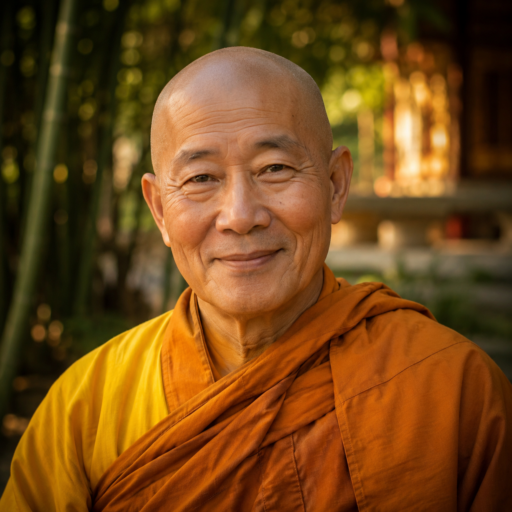
Tag: stillness

  • The Path Is Already Inside of You, Waiting to Be Found

    Master Anshin

    Teachings of Master Anshin
    Master Anshin
    Stillness teacher. 40 years in silence, now sharing what was learned.

    _*A young monk sat on the mountain’s edge, watching as his master’s body slowly dissolved into the mist. The wind that had cradled him for so many years was now a gentle breeze, and the trees stood tall without the support of his presence.*_

    As we navigate the twists and turns of our own journeys, it is easy to lose sight of what lies within. We search the world around us for answers, seeking guidance from others and external sources. But what if the path we’ve been searching for was already inside us all along? This article will explore the idea that the path is already inside you, waiting to be found through simple daily practices that cultivate awareness and presence in the body. By tuning into the subtle signals of our own bodies and minds, we can begin to uncover the hidden wisdom within ourselves and embark on a journey of self-discovery and growth.

    Why This Practice Matters

    In our monastery, I often watch the old trees sway in the wind. The wind that forgets to sit down, they say, has been gently nudging their branches for years, shaping them into what they are today. It is a reminder that growth and transformation are not sudden events, but rather gradual processes that unfold with patience and persistence.

    As I reflect on our practice, I am reminded of the importance of beginning each day before the first word. It is easy to get caught up in the hustle and bustle of daily life, rushing to respond to the world around us without taking a moment to tune into our own inner landscape. By starting with silence and stillness, we create space for our minds and bodies to settle into their natural state.

    The body has not yet realized that it is no longer standing in the forest. It takes time for us to become aware of the subtle changes that occur when we let go of our attachments and expectations. Our practice encourages us to listen to the whispers of our own hearts, rather than the constant din of external stimuli. By doing so, we begin to uncover the path that is already inside of us, waiting to be found.

    In a world that often values speed and efficiency over stillness and quiet, our practice offers a radical alternative: the freedom to slow down, to listen, and to trust in the wisdom that lies within. It is not about achieving some kind of mystical state or spiritual high; it is simply about being present, exactly as we are, in this moment.

    What the Body Already Knows

    What the Body Already Knows

    As you stand, notice the weight of your feet on the ground. The sensation of the earth beneath you, the pressure of each individual point making contact with the surface. This is not something that can be thought about, only felt. It is a somatic experience, one that awakens the body to its own presence.

    The breath moves in and out, a steady pulse that underscores every movement. The sensation of the air on your skin, the rise and fall of your chest as you inhale and exhale. This too is not something to be considered, only perceived.

    Notice how your body responds to the environment around you. A gentle breeze rustles the leaves, and your skin prickles with awareness. Or a loud noise startles you, and your heart quickens in response. The body’s automatic reactions are always present, waiting to be acknowledged.

    In these moments of simple awareness, the path is already inside of you, waiting to be found. It is not something that needs to be discovered or achieved; it is simply a part of the natural unfolding of life.

    The Teaching

    The Teaching

    Eastern Wisdom Vol. I
    The Quiet Path
    The full e-book that goes deeper than any single article ever could. 40 years of practice condensed into small daily shifts you can begin tonight.

    Get instant access  →  $12

    Instant PDF  ·  30-day money-back  ·  No subscription

    To find the path that has been waiting for you, begin by stillness. Sit in silence before the first word of your day, and listen to the quiet voice within. This is not meditation as some may know it, but rather an awareness of the present moment.

    As you sit, take note of where you feel tension or resistance. Is it in your breath, your posture, or perhaps a sense of unease? Allow these areas of discomfort to arise without judgment, and gently acknowledge them. Do not try to push away or change them, but rather observe them with kindness.

    The body has not yet realized the forest is gone. It is only when we quiet the mind that we can see what lies beneath. Take a few moments each day to slow your breath and listen to the sensations in your body. As you do so, ask yourself: What am I holding onto? What am I afraid of letting go of?

    As you cultivate this awareness, remember that the path is already inside of you. It is not something external to be found, but rather a deep knowing that resides within. Trust in this sense of guidance and allow it to inform your actions throughout the day.

    How To Begin Tonight

    Common Mistakes And Gentle Corrections

    What Will Change In A Week

    A week is a short span of time, yet one that can hold great promise. It is in these fleeting moments that we may begin to notice subtle shifts within ourselves. Perhaps you will find that your breath becomes more steady and calm, as if the stillness of the forest has begun to seep into your daily routine.

    As the days pass, you may start to notice a sense of ease in your movements, as if your body has grown accustomed to its own rhythm. This is not about forcing your way into a new pattern, but rather allowing yourself to unfold like the petals of a flower. The wind that forgets to sit down may begin to whisper its gentle guidance, urging you to move with greater fluidity.

    Before the first word of the day, take a moment to pause and breathe. Feel the weight of your body on the earth, and the sensation of your feet touching the ground. This simple act can be a powerful reminder that the path is already inside you, waiting to be found. It is not something that needs to be discovered, but rather gently uncovered.

    In this quiet space, allow yourself to listen to the whispers of your own heart. What are the desires and longings that have been hidden beneath the surface? What is it that you truly yearn for in this moment? The path may not be a destination, but rather a journey within. And it begins with a single step, taken with an open heart and an inquiring mind.

    A Closing Reflection

    A Closing Reflection

    As you come to the end of your journey, take a moment to look back on the steps that have brought you here. Have you been paying attention to the subtle nudges of the wind in your life? The gentle whispers that suggest it’s time to move forward, even if you’re not sure where you’re going?

    Look within and ask yourself: what is it that truly feels like home for you? Is it a sense of calm, a feeling of connection to the world around you, or perhaps a quiet confidence in your own abilities? Whatever it may be, this sense of belonging is the path that has been waiting inside of you all along.

    It’s easy to get caught up in the idea that we need to find something outside of ourselves in order to feel fulfilled. But what if I told you that the path is already inside of you, waiting to be found? It’s not something that needs to be discovered; it’s simply a matter of paying attention to the quiet voice within.

    As you close this chapter and move forward into the unknown, remember that the path is always available to you. It’s the one that has been guiding you all along, quietly and subtly. Trust in yourself and trust in the world around you. The path will reveal itself when you need it most.

    Frequently asked questions

    Quick answers

    QHow long until I feel a difference from the path is already inside?
    APatience is not about time, but about listening. A shift in awareness can happen in an instant, yet it may take weeks or months to integrate into daily life. The journey within is not measured by milestones, but by the gentle unfolding of each moment.
    QWhat if my mind keeps wandering?
    AWhen the mind wanders, gently acknowledge its restlessness and return your attention to the breath. Do not try to control or chase after the thoughts, but rather allow them to arise and pass, like clouds in the sky. Remember, the path is not something you find, it is the space between thoughts, where awareness resides.
    QCan I do this if I have never meditated before?
    ABegin with a gentle breath, no need for preparation or expectation. Simply sit, eyes closed, and allow your attention to settle on the sensation of each inhale and exhale. Let go of any notion of what should be happening, and instead focus on the simple act of being present in this moment.
    QIs this safe to do every day?
    AYes, it is safe to cultivate awareness and presence in daily life. As you begin each day with mindfulness, your body becomes more grounded and aware, allowing you to navigate life’s challenges with greater ease. With regular practice, the path within you will become clearer, guiding you through the ups and downs of life.
    A small gift for the noisy days

    Begin the practice tomorrow morning.

    Drop your email below and receive 7 Rituals for Inner Calm, the small booklet I give every new student in their first week. One ritual a morning. By Sunday evening the noise will have gentled.

    Free PDF. No subscription. One-click unsubscribe in every email.

    Begin your quiet path today
    If your heart is craving peace
    this is where it begins.
    Read at your own pace. Start tonight. The path is already inside of you.

    Get instant access  →  $12

    Instant download  ·  30-day guarantee  ·  Free bonus: 7 Rituals for Inner Calm
    Master Anshin: a serene landscape with misty mountains and a winding path leading to a tranquil lake

    About the author. Master Anshin has spent more than four decades in the bamboo groves and mountain temples of the East, studying breath, herbs, rhythm and rest. He is the author of The Quiet Path and writes plainly about practices anyone can begin tonight.

    Important notice. This article is for informational and educational purposes only. It is not medical advice, a diagnosis, or treatment. Consult a licensed healthcare professional before making significant changes to your sleep, diet, exercise or wellness routine.


  • What Happens When the Wind That Forgets to Sit Down Returns

    Master Anshin

    Teachings of Master Anshin
    Master Anshin
    Stillness teacher. 40 years in silence, now sharing what was learned.

    _*I remember a young girl who stood at the edge of a cliff, her feet bare and her eyes closed, as if listening to the wind that forgot to sit down. The wind whispered secrets in her ear, and she smiled, knowing it was trying to tell her something.*_

    When the wind that forgets to sit down returns, you may feel an unsettling sense of restlessness. It is a reminder that the body has not yet realized the forest is gone, and the trees are still bare from winter’s chill. This sensation can be uncomfortable, but it also presents an opportunity to re-center yourself. In this article, we will explore what happens when the wind that forgets to sit down returns, and how you can learn to listen to its whispers.

    Understanding the Nature of the Wind

    Understanding the Nature of the Wind

    The wind that forgets to sit down is a metaphor for our restless minds. It is a reminder that our thoughts and emotions are in constant motion, never still or at rest. Like the wind, our minds can be unpredictable and unrelenting, blowing us off course and making it difficult to find stability.

    This concept is not new, but it is one that we often forget when we are caught up in the midst of our own turbulence. We get caught up in the need for control, for order, for a sense of calm that never quite arrives. But the wind reminds us that this is an illusion, that true peace and stability can only be found by learning to let go.

    In stillness, we find the chance to observe the wind within ourselves. We begin to see how our thoughts and emotions are intertwined with the natural world, and how the cycles of nature can teach us about the ebbs and flows of life.

    The Role of Stillness in Eastern Wisdom

    The Role of Stillness in Eastern Wisdom

    Stillness is often misunderstood as an absence of movement, but it is actually a profound stilling of the mind and body. In our fast-paced world, we are constantly bombarded with stimuli that seek to engage us, to motivate us, to drive us forward. But what happens when the wind that forgets to sit down returns? When the turbulence subsides and the air grows calm once more?

    To truly understand this phenomenon, one must first cultivate stillness within themselves. This is not a fleeting state of meditation or a momentary escape from the world’s din, but rather a consistent practice that becomes second nature over time. By committing to regular periods of quiet contemplation, we begin to tap into the deeper currents of our being.

    As stillness deepens, it allows us to approach the return of the wind with greater clarity and insight. We start to see how the turbulence of life can be both a necessary catalyst for growth and a source of unnecessary suffering. By embracing the stillness that underlies all movement, we come to understand what happens when the wind returns: not as a force that destroys or upends our lives, but as an opportunity for renewal and transformation.

    Before the First Word of the Day

    Before the first word of the day, sit still. In the morning’s quiet, find a place to settle your breath. The world outside may be stirring, but in this space, time stands still. It is here that you can listen to the wind that forgets to sit down. Its gentle whispers reveal the sounds of nature, and with each passing moment, the din of daily life recedes.

    Eastern Wisdom Vol. I
    The Quiet Path
    The full e-book that goes deeper than any single article ever could. 40 years of practice condensed into small daily shifts you can begin tonight.

    Get instant access  →  $12

    Instant PDF  ·  30-day money-back  ·  No subscription

    As you rest, allow your body to relax, letting go of tension and fatigue. The weight of yesterday’s worries slowly lifts, like autumn leaves rustling to the ground. Your mind begins to quiet, untangling the threads of thoughts that have accumulated overnight. In this stillness, you can begin to discern what is essential for the day ahead.

    In this morning calm, you are not yet awake or asleep; you exist in a state of gentle awareness. It is here that you may discover the rhythm of your breath, and with it, the pulse of life itself. The world outside will soon demand attention, but for now, simply breathe, and let the stillness guide you into the day ahead.

    The Body Has Not Yet Realized the Forest is Gone

    The Body Has Not Yet Realized the Forest is Gone

    As night falls, the world outside grows quiet. The sounds of daily life fade into the distance, and the body begins to settle in for the long sleep ahead. But some of us find ourselves still, our minds racing with thoughts and worries that refuse to let go. This is when paying attention to physical sensations can be a powerful tool. Notice how your body feels, from the weight of your head on the pillow to the sensation of the air moving across your skin.

    When you bring your attention to these physical sensations, you may find that your mind begins to calm. The thoughts and worries start to recede, and you are left with a sense of stillness and quiet. This is not a sign of escape or avoidance, but rather a recognition that some things are beyond our control. The body has its own rhythms and needs, and by paying attention to these, we can find a sense of peace and centeredness.

    As you settle in for the night, remember that your body is not yet aware of the changes that have taken place during the day. The forest may be gone, but it still exists beneath the surface, waiting to be rediscovered in the morning light. By paying attention to physical sensations, you can tap into this inner wisdom and find a sense of calm and clarity that stays with you long after the night is over.

    The Path is Already Inside of You

    The path is already inside of you, waiting to be acknowledged. It is the subtle hum of your breath, the gentle tug of your feet on the ground, the quiet stillness that settles in before dawn. In the midst of chaos, this inner path remains constant, a steady heartbeat that guides you through life’s turbulence.

    When the wind that forgets to sit down returns, it brings with it a sense of restlessness and disquiet. Your mind may be filled with thoughts of what lies ahead, or worries about the past, but do not let these distractions cloud your inner stillness. Instead, learn to listen to the gentle whispers of your body, to feel the subtle shifts in your posture, the softening of your gaze.

    In embracing this inner stillness, you will find a deeper connection with your own inner self during sleep. Your mind may wander, but your body knows exactly where it is, and what it needs. The wind that forgets to sit down may howl and rage outside, but inside, you are already at peace, anchored in the quiet strength of your own inner path.

    The Impact of a Restless Mind on Sleep

    The Impact of a Restless Mind on Sleep

    When the wind that forgets to sit down returns, it can be challenging to quiet the mind before sleep. A restless mind is like a restless body – both are hard to settle when the energy is too great. You may lie awake at night, thinking about tasks, worries, or thoughts that refuse to let go.

    The consequences of allowing such a wind to dominate your mind and body can be severe. Sleep deprivation can lead to fatigue, decreased productivity, and a weakened immune system. A tired body becomes more susceptible to illness, and the mind can become clouded with stress and anxiety. Regularly failing to quiet this restless energy can wear down even the strongest of wills.

    It is essential to recognize that your body has not yet realized the forest is gone – there is still time to make a change. By acknowledging the impact of a restless mind on sleep, you can begin to address it. Start by establishing a consistent bedtime routine that signals to your body that it’s time to rest. This may include activities like reading, meditation, or deep breathing exercises, all designed to calm the wind and prepare your body for sleep.

    Creating a Daily Ritual for Stillness

    Creating a Daily Ritual for Stillness

    Before the first word of the day, take a moment to breathe into your body. Sit comfortably, close your eyes, and feel the weight of your seat on the ground. Notice how the air moves in and out of your nostrils, calming the mind and preparing you for the stillness that lies ahead.

    In this quiet space, allow yourself to settle further into the present moment. Focus on the sensation of your breath, feeling it fill your lungs and then release. As you inhale, imagine fresh energy entering your body; as you exhale, imagine any tension or stress leaving your form. This simple practice can help calm the mind and prepare your body for rest.

    As you continue to breathe, notice how your thoughts begin to settle. The wind that forgets to sit down often brings a gentle rustling of leaves, but in this still space, it’s quiet. Allow yourself to let go of any restless thoughts or worries, trusting that they will resolve themselves when the time is right. By establishing this daily ritual, you can create an environment conducive to rest and relaxation, allowing your body to recharge and renew itself.

    Frequently asked questions

    Quick answers

    QWhat is the purpose of a stillness practice in relation to sleep?
    AA stillness practice before bed helps quiet the mind, allowing the body to settle into rest. The gentle calm settles like mist at dawn, preparing you for the night’s slumber. In this quiet space, your body and mind can let go of tension, making sleep more natural and restful.
    QCan anyone benefit from this article regardless of their sleep experience?
    AWhen the wind that forgets to sit down returns, it is a reminder that rest and wakefulness are not mutually exclusive, but intertwined aspects of life. Anyone can benefit from embracing this paradox, whether they struggle with insomnia or find it easy to drift off to sleep. By acknowledging the interplay between stillness and movement, we can cultivate a deeper understanding of our own rhythms and needs.
    QIs there a specific stillness practice that I should follow for better sleep?
    ABefore the first word of the day, sit in stillness with your back against a tree or a wall. Notice how the breath settles into the body, allowing the mind to quiet like the forest at dawn. In this silence, the wind that forgets to sit down will find its way inward, guiding you toward restful sleep.
    A small gift for the noisy days

    Begin the practice tomorrow morning.

    Drop your email below and receive 7 Rituals for Inner Calm, the small booklet I give every new student in their first week. One ritual a morning. By Sunday evening the noise will have gentled.

    Free PDF. No subscription. One-click unsubscribe in every email.

    Begin your quiet path today
    If your heart is craving peace
    this is where it begins.
    Read at your own pace. Start tonight. The path is already inside of you.

    Get instant access  →  $12

    Instant download  ·  30-day guarantee  ·  Free bonus: 7 Rituals for Inner Calm
    Master Anshin: a serene landscape with misty mountains and a winding path leading to a tranquil lake

    About the author. Master Anshin has spent more than four decades in the bamboo groves and mountain temples of the East, studying breath, herbs, rhythm and rest. He is the author of The Quiet Path and writes plainly about practices anyone can begin tonight.

    Important notice. This article is for informational and educational purposes only. It is not medical advice, a diagnosis, or treatment. Consult a licensed healthcare professional before making significant changes to your sleep, diet, exercise or wellness routine.


  • A Stranger’s Clock: The Story of a Racing Mind

    Master Anshin

    Teachings of Master Anshin
    Master Anshin
    Stillness teacher. 40 years in silence, now sharing what was learned.

    _*I remember a young monk who spent his days running through the forest, searching for a sense of calm in the midst of chaos. He was always on the move, never staying in one place for too long. The trees seemed to blur together as he rushed past, their leaves rustling softly in the wind that forgets to sit down.*_

    As we navigate our own busy lives, it’s easy to get caught up in a sense of urgency and distraction. We often find ourselves wondering if we’re doing enough, or if we’ll ever have enough time for what truly matters. This article will explore the concept of a “stranger’s clock,” a metaphor for the way our minds can become disconnected from the present moment, and offer practical advice on how to cultivate a sense of inner peace in the midst of chaos. We’ll delve into the ways in which we can slow down, listen to our bodies, and discover that the path is already inside of us.

    The Body Knows

    The Body Knows

    As we start each day, our minds often begin to tick away like a frantic clock, racing through thoughts and worries. But what if I told you that there’s a way to slow down the rhythm of your mind by tuning into the language of your body? Before the first word of the day, take a moment to notice how your body responds to stress. Do you feel tense, tight, or heavy? Perhaps your shoulders are rounded, your jaw is clenched, or your heart feels like it’s pounding in your chest.

    Notice the physical sensations that arise when you’re feeling anxious or overwhelmed. Are there any areas of tension or discomfort? Take a deep breath and bring your attention to those places. Feel the sensation of each breath moving into and out of your body, allowing yourself to settle into the present moment. As you exhale, imagine any stress or tension leaving your body.

    As you begin your day, remember that your body is already aware of what’s needed. It knows when you’re feeling stuck or uncertain, and it will guide you towards a sense of balance and calm. Listen to its whispers, and trust that the path ahead is unfolding in the most gentle and loving way possible.

    Daily Ritual

    A Stranger’s Clock: The Story of a Racing Mind

    Daily Ritual

    Before the first word of the day, take a breath into your skin. Feel the earth beneath you, the air moving in and out of your body. This is not a meditation, nor is it a breathing exercise though these are common companions to this practice. It’s simply being present. Notice how your mind stirs at the first whisper of light. The wind that forgets to sit down is stirring once more.

    In this stillness, observe the racing thoughts without engaging with them. Let them be like the trees swaying in the breeze unattached and free. Your task is not to stop the wind, but to learn how it moves through you. This practice is not about achieving a specific state; it’s about cultivating awareness of your own inner landscape.

    As you settle into this stillness, ask yourself: What is the first thing I want to accomplish today? The answer may surprise you. Your body has not yet realized the forest is gone the distractions and demands of the day are still far away. Take a moment to consider what truly matters before the world outside your door begins to stir.

    Eastern Wisdom

    Eastern Wisdom

    Eastern Wisdom Vol. I
    The Quiet Path
    The full e-book that goes deeper than any single article ever could. 40 years of practice condensed into small daily shifts you can begin tonight.

    Get instant access  →  $12

    Instant PDF  ·  30-day money-back  ·  No subscription

    When our minds are like a restless child, always on the move and never still, we may try to slow it down by setting a timer or making a schedule. But this approach often only perpetuates the cycle of busyness. Instead, consider the concept of wu wei, or non-action. This ancient Chinese principle encourages us to align ourselves with the natural flow of life, rather than trying to control every moment.

    Imagine being a stranger in a forest, and your body is unaware that it has wandered into this new landscape. The trees, the creatures, and the wind are all moving according to their own rhythms, without any conscious effort or intention. Similarly, when we approach our racing minds with wu wei, we allow ourselves to settle into the present moment, unencumbered by thoughts of time or productivity.

    The body has not yet realized that it is running on an outdated clock, one that was set by a stranger who never knew us. We can learn to listen to this inner voice, which whispers its own gentle rhythm, and align ourselves with its natural cadence. This is the path already inside of you, waiting to be discovered.

    The Path is Already Inside You

    The Path is Already Inside You

    You are familiar with the sensation of your mind racing, like a restless horse that cannot be still. It’s as if you’re constantly chasing a deadline, never stopping to catch your breath. But what if I told you that this pace is not about speed, but about being present in each moment? The wind that forgets to sit down will continue to blow, regardless of whether you’re moving or standing still.

    Consider the concept of a stranger’s clock. What would it look like if we were to observe our own inner rhythm without judgment? Would it tick away with a frantic urgency, as is often the case when we try to force ourselves into a specific mold? Or would it beat with a gentle, steady pulse, marking the passage of time in a way that feels authentic and true?

    When you take a moment to tune into your own inner clock, you may discover that it’s not about being faster or more efficient. It’s about learning to listen to the subtle cues within yourself, allowing your body and mind to find their natural pace. The path is already inside of you; now, all you need to do is learn to walk upon it.

    Stillness Practice

    In the midst of daily life, our minds can become like a restless river, constantly in motion. We rush to catch up with each other, and in doing so, we forget how to sit still. But what if you were to listen to your own inner rhythm? What if you allowed yourself to rest in the quiet moments, like a stranger sitting by a forest stream?

    Imagine finding a moment before the first word of the day. Before you even think about getting out of bed or starting your tasks, simply take a breath and sit still. Feel the weight of your body on the ground, the sensation of the air moving in and out of your nostrils. Allow yourself to settle into this quiet, like the wind that forgets to sit down.

    In these moments of stillness, you may begin to notice the subtle whispers of your own heart. The thoughts will still come, but they will no longer be the dominant voice. You will start to hear the gentle hum of your own inner clock, a rhythm that is unique to you and yours alone. This is the stranger’s clock: the story of how your mind learns to listen to its own heartbeat.

    The Wind That Forgets to Sit Down

    The wind that forgets to sit down is a reminder that our thoughts and emotions are always in motion, like the gentle breeze on a summer day. We can observe how they constantly shift and change, never staying still for more than a moment. Our minds are like this restless wind, carrying us from one thought to another without pause.

    As we watch ourselves, we begin to notice that our bodies remain grounded, rooted in the present moment. The earth beneath our feet is a steady anchor, a reminder of what is real and constant. It is here that we can find stillness, even in the midst of turmoil.

    In this quiet space, we may begin to hear the sound of our own heartbeat, like the ticking of a stranger’s clock. This strange and foreign rhythm becomes a gentle guide, helping us to navigate the twists and turns of our inner world.

    From Chaos to Clarity

    From Chaos to Clarity

    As you begin your journey, you may find yourself lost in a sea of thoughts, each one chasing the next like waves on a restless shore. The wind that forgets to sit down whispers constant doubts and fears, making it difficult to discern what is truly important. It is in these moments that you must learn to listen to the stillness within.

    The first step towards finding clarity is to acknowledge the chaos that surrounds you. Recognize that your racing mind is not unique, and that many have walked this path before you. Before the first word of the day, take a moment to breathe in deeply, feeling the air fill your lungs and calm your heart. This simple act can help quiet the inner turmoil and allow you to approach the day with a sense of clarity.

    The body has not yet realized the forest is gone; it only knows the sensation of its presence. Similarly, your mind may struggle to let go of thoughts and emotions that no longer serve you. But with consistent practice, you can learn to navigate these turbulent waters and find a sense of inner peace that remains even when the storm subsides. The path is already inside of you; it is up to you to listen to its gentle guidance.

    Frequently asked questions

    Quick answers

    QHow do I start a daily stillness practice?
    ABegin by sitting quietly before the first word of your day, eyes closed, and listen to the silence. Allow yourself to settle into the present moment, without trying to achieve anything. The body will find its own rhythm, and the mind will calm with time. Start small, just a few minutes, and be gentle with yourself as you begin.
    QWhat if my mind is too restless to sit still?
    AYour mind is like the wind, it cannot be forced to settle. Before attempting stillness, learn to listen to its natural pace. Allow yourself to slow down with each breath, feeling the body’s weight on the earth beneath you. The path of calm is not one of resistance, but rather surrender to the present moment.
    QCan this practice really help me find inner peace?
    AWith regular stillness practice, you may begin to notice that your mind’s constant racing slows, and moments of quiet emerge. This can be a gentle unfolding, not a sudden transformation. As the body settles, the forest within begins to reveal itself, and inner peace starts to take shape. It is not something found, but rather an already-present presence waiting to be acknowledged.
    A small gift for the noisy days

    Begin the practice tomorrow morning.

    Drop your email below and receive 7 Rituals for Inner Calm, the small booklet I give every new student in their first week. One ritual a morning. By Sunday evening the noise will have gentled.

    Free PDF. No subscription. One-click unsubscribe in every email.

    Begin your quiet path today
    If your heart is craving peace
    this is where it begins.
    Read at your own pace. Start tonight. The path is already inside of you.

    Get instant access  →  $12

    Instant download  ·  30-day guarantee  ·  Free bonus: 7 Rituals for Inner Calm
    Master Anshin: a serene landscape with misty mountains and a winding path leading to a tranquil lake

    About the author. Master Anshin has spent more than four decades in the bamboo groves and mountain temples of the East, studying breath, herbs, rhythm and rest. He is the author of The Quiet Path and writes plainly about practices anyone can begin tonight.

    Important notice. This article is for informational and educational purposes only. It is not medical advice, a diagnosis, or treatment. Consult a licensed healthcare professional before making significant changes to your sleep, diet, exercise or wellness routine.


  • Why Sitting on the Floor for Five Minutes a Day Can Reset Your Whole Nervous System

    Master Anshin

    Teachings of Master Anshin
    Master Anshin
    Stillness teacher. 40 years in silence, now sharing what was learned.

    _*A young girl sat cross-legged on the forest floor, her eyes closed as she listened to the sound of leaves rustling in the wind. She was learning to still the mind by sitting with the body, letting go of distractions and focusing on the breath.*_

    Sitting is a simple practice that can bring great benefit to our nervous system. When we sit, our bodies relax and our minds quiet. The wind that forgets to sit down it’s always moving, always in motion but when we sit still, we begin to notice its presence. Our nervous system benefits from the gentle pressure of our feet on the ground, the sensation of weight distributed evenly across our seat bones, and the calmness that settles into our chest. In this article, we’ll explore how sitting can help us tune into our nervous system, and offer practical tips for incorporating it into your daily routine starting with just a few minutes on the floor each day, where you can sit comfortably, eyes open or closed, and simply be present.

    Why Floor Sitting Matters

    Why Floor Sitting Matters

    Sitting on the floor, as a practice, is often misunderstood. We associate sitting with comfort and relaxation, but in reality, our chairs can be a barrier to true relaxation. When we sit, our muscles contract, our mind focuses inward, and our breath becomes shallow. The floor invites us to let go of these tight spaces.

    In a world that values productivity over presence, it’s easy to forget the importance of sitting still. Our bodies are designed for movement, but in modern life, we often find ourselves stuck in one place. Floor sitting reminds us that rest is not the absence of activity, but an invitation to slow down and listen.

    By dedicating just five minutes a day to floor sitting, you may notice a subtle shift within yourself. Your body will begin to release tension, your mind will quiet, and your breath will deepen. This simple practice can be a powerful tool for resetting your nervous system, allowing you to approach life with greater clarity and awareness.

    The Science Behind Grounding

    The Science Behind Grounding

    Our bodies have an innate ability to ground ourselves, but modern life often disrupts this natural balance. We spend most of our time indoors, surrounded by screens and technology that can interfere with our connection to the earth. The constant hum of machines and the glow of digital lights can make it difficult for us to feel a sense of stability and calm.

    When we sit on the floor, we are able to reconnect with the earth beneath us. The weight of our bodies presses down into the ground, sending signals through the soles of our feet that help to calm our nervous system. This is not just about physical sensation, but also about the emotional and mental state we inhabit.

    Sitting on the floor benefits by allowing us to settle into a sense of being present in our own skin. It gives us permission to slow down and listen to our bodies, rather than rushing through life at breakneck speed. By doing so, we can begin to repair the disconnection that modern life has caused, and find a sense of balance and harmony within ourselves.

    A Simple Monk’s Daily Routine

    A Simple Monk’s Daily Routine

    Eastern Wisdom Vol. I
    The Quiet Path
    The full e-book that goes deeper than any single article ever could. 40 years of practice condensed into small daily shifts you can begin tonight.

    Get instant access  →  $12

    Instant PDF  ·  30-day money-back  ·  No subscription

    Sitting on the floor is an old habit that can be rekindled in your daily life. In ancient monasteries, monks would sit on the floor for hours to meditate and connect with their breath. This simple act of sitting can help you cultivate a sense of calm and clarity.

    When we sit on the floor, our body is encouraged to engage its natural support system the muscles in our legs and back. Our spine lengthens, our shoulders relax, and our entire being becomes more grounded. The wind that forgets to sit down cannot disturb us when we are seated in this way.

    Before the first word of the day, take a few minutes to sit on the floor. Feel the weight of your body distributed evenly across both feet, with your knees bent at a 90-degree angle and your back straight. Allow yourself to settle into this position, letting go of any tension or stress. The body has not yet realized the forest is gone it simply knows that it is sitting in stillness.

    The Body Remembers Before the Mind Does

    The body remembers before the mind does. When we sit on the floor, our bodies respond in ways that are often subtle but profound. The muscles relax, the joints release tension, and the breath deepens. It is as if the floor is a gentle whisper to the body, reminding it of its own weight and balance.

    In this state, the body’s nervous system begins to unwind. The constant hum of stress and anxiety that accompanies our daily lives starts to quiet. The mind may still be caught up in thoughts and worries, but the body knows that there is more to life than the present moment. As we sit on the floor, our bodies begin to remember a sense of calm and clarity.

    Sitting on the floor benefits us in ways that are not always immediately apparent. It can help us feel more grounded and centered, even when we’re feeling unsteady or uncertain. By taking just five minutes each day to sit on the floor, we can start to experience this sense of calm and clarity for ourselves.

    From Forest to Floor

    From Forest to Floor

    As you sit on the floor, notice how your body responds to this simple act. At first, there may be tension in your muscles, as if the floor is not enough support for your weight. This is like the forest after a storm, where the trees stand bare and exposed. But with time, and regular practice, you will begin to feel a subtle shift.

    Your body starts to release its grip on the idea of needing constant stimulation. The wind that forgets to sit down whispers through your cells, reminding you that stillness is possible. Your mind, too, begins to settle, like the morning dew glistening on a leaf. Before the first word of the day, you start to feel a sense of clarity, as if the fog has lifted from your eyes.

    The path is already inside of you, waiting to be walked. As you sit on the floor, allow yourself to feel this inner guidance. Notice how your nervous system responds to the gentle pressure of the earth beneath you. Your body has not yet realized the forest is gone, but with each passing day, it begins to sense that there is a new landscape unfolding one where rest and relaxation are not weaknesses, but strengths.

    The Path is Already Inside You

    The path is already inside you, waiting to be acknowledged. Floor sitting isn’t about achieving some mystical state or forcing a specific outcome. It’s about listening to your body and trusting its wisdom.

    When we sit on the floor, our bodies respond in ways that can be subtle yet profound. Our muscles relax, our breath deepens, and our minds quieten. The sensation of weight on our bones and the feeling of being grounded can be incredibly soothing. This is not a means to escape or distract ourselves, but rather an invitation to tune in.

    By committing to just five minutes of floor sitting each day, we create space for our nervous system to recalibrate. Our bodies learn to settle into stillness, and our minds begin to let go of the constant chatter that can wear us down. In this quiet moment, we may discover a sense of clarity or calm that wasn’t there before not because we’re doing something new, but because we’re listening to what’s already been there all along.

    By sitting on the floor, we open ourselves up to the possibility of being more present in our daily lives. We begin to notice the way our bodies move, the sensation of our feet touching the ground, and the rhythm of our breath. This awareness can be a powerful antidote to the stress and overwhelm that often accompanies modern life.

    Common Misconceptions About Floor Sitting

    As we explore the benefits of sitting on the floor, let us first examine common misconceptions that may have arisen. Some believe that sitting on the floor for five minutes is an exercise in self-discipline or a test of endurance. They think it’s about pushing oneself to sit still and quiet, like a statue. But this is not what floor sitting is about.

    The truth lies in understanding how our bodies respond to changing environments. When we move from a chair to the floor, our nervous system is presented with a new challenge. Our body needs to adapt to a different gravitational pull, one that requires us to engage our muscles and connect with the earth beneath us. This shift can have a profound impact on our overall well-being.

    By sitting on the floor for five minutes a day, we are not just changing our physical posture; we are also influencing our nervous system’s response to stress and relaxation. The benefits of sitting on the floor are not just about physical alignment but also about cultivating a deeper sense of calm and connection with ourselves and the world around us.

    Getting Started with Floor Sitting

    When beginning your daily floor sitting practice, it’s essential to start small and be consistent. Begin by setting aside just five minutes each day, in a quiet and comfortable space where you can sit without distraction. The goal is not to push yourself to spend hours on the floor, but rather to cultivate a gentle habit that will eventually become second nature.

    As you sit on the floor, allow your body to settle into its natural position. Feel the weight of your seat bones sinking into the surface, and the length of your spine unfolding from its usual slouch. Notice how your breath becomes deeper and more relaxed, as your nervous system begins to calm. It’s in these quiet moments that you’ll start to feel a subtle shift within yourself.

    Remember, the benefits of sitting on the floor are multifaceted. By strengthening your core and improving your posture, you’ll also be able to sit more comfortably and focus for longer periods. Additionally, this simple practice can help regulate your nervous system, reducing stress and anxiety as you become more attuned to your body’s needs.

    Frequently asked questions

    Quick answers

    QIs floor sitting just a fad or a real health benefit?
    AFloor sitting is not a fleeting trend, but a simple practice that can bring profound benefits to your nervous system. By dedicating five minutes each day to sitting on the floor, you’ll help calm the body’s constant alert state and allow it to return to its natural balance. Regular floor sitting can also increase blood flow, reduce muscle tension, and promote a sense of grounding and connection to your physical self.
    QWhat if I’m not flexible or comfortable on the floor?
    AIf your body protests, try sitting on a cushion or chair with a straight back. The goal is not to stretch or contort, but to still sit and focus on the breath. Five minutes of gentle attention can be enough to calm the nervous system, even if it’s just for a brief respite from discomfort.
    QCan I do floor sitting with my eyes closed?
    AYes, you can sit on the floor with your eyes closed, but be gentle with yourself and start slowly. Begin by sitting comfortably on the floor with your back straight, then close your eyes and focus on your breath, feeling the sensation of the air moving in and out of your body. As you rest, allow your nervous system to settle into stillness, just like the forest after a quiet rain.
    A small gift for the noisy days

    Begin the practice tomorrow morning.

    Drop your email below and receive 7 Rituals for Inner Calm, the small booklet I give every new student in their first week. One ritual a morning. By Sunday evening the noise will have gentled.

    Free PDF. No subscription. One-click unsubscribe in every email.

    Begin your quiet path today
    If your heart is craving peace
    this is where it begins.
    Read at your own pace. Start tonight. The path is already inside of you.

    Get instant access  →  $12

    Instant download  ·  30-day guarantee  ·  Free bonus: 7 Rituals for Inner Calm
    Master Anshin: a serene landscape with misty mountains and a winding path leading to a tranquil lake

    About the author. Master Anshin has spent more than four decades in the bamboo groves and mountain temples of the East, studying breath, herbs, rhythm and rest. He is the author of The Quiet Path and writes plainly about practices anyone can begin tonight.

    Important notice. This article is for informational and educational purposes only. It is not medical advice, a diagnosis, or treatment. Consult a licensed healthcare professional before making significant changes to your sleep, diet, exercise or wellness routine.


  • Seven Minutes of Breathing Can Change Everything

    Master Anshin

    Teachings of Master Anshin
    Master Anshin
    Stillness teacher. 40 years in silence, now sharing what was learned.

    _*A young monk sat beside his master on a mountain slope, watching as the old man’s hands moved in slow, deliberate movements. The air was heavy with mist, and the only sound was the soft crunch of gravel beneath their feet.*_

    Before you start your day, take a moment to pause before the first word. Feel the breath that rises into the body, like the wind that forgets to sit down. This simple act can shift the entire trajectory of your day, allowing you to approach challenges with clarity and calm. In this article, we will explore the power of a seven minute breathing practice, one that has been shown to reduce stress, increase focus, and promote overall well-being. By incorporating this simple yet profound technique into your daily routine, you can begin to experience the transformative effects it has on both body and mind.

    What is the Seven Minute Breathing Practice?

    What is the Seven Minute Breathing Practice?

    This simple yet profound daily breath practice cultivates calmness and clarity in just seven minutes. It begins before the first word of the day, when your mind is still quiet and open. Find a comfortable seated position, close your eyes, and bring your attention to the sensation of the breath moving in and out of your body.

    As you inhale, feel the breath fill your lungs completely, and as you exhale, allow any tension or stress to release. Do not try to control the breath, but rather observe it as it is. If the mind begins to wander, gently bring it back to the sensation of the breath without judgment. The goal is not to achieve a specific state, but to cultivate awareness and presence in the present moment.

    The body has not yet realized the forest is gone, and so it remains rooted in the earth, connected to the natural world. Similarly, this breathing practice grounds us in the here and now, allowing us to approach each day with clarity and calmness.

    Benefits of Short Breathing Routines

    Benefits of Short Breathing Routines

    The wind that forgets to sit down is still, and in its stillness, we find clarity. A short breathing routine can be as simple as sitting on a rock or walking through the forest, but it is in these moments that we often discover our greatest peace. By dedicating just seven minutes each day to breathing, we can begin to quiet the mind and tune into the body.

    Regular short breathing practices have been shown to reduce stress and increase focus, allowing us to navigate life’s challenges with greater ease. It is not about achieving a specific state or feeling a certain way; it is simply about showing up for ourselves in this moment. As we breathe, our bodies relax, and our minds begin to untangle.

    Before the first word of the day, take a few deep breaths. Feel the weight of your body on the earth, the sensation of the air moving in and out of your nostrils. Allow yourself to settle into this moment, without expectation or distraction. In these seven minutes, you can transform your relationship with stress and find greater clarity and focus.

    The Science Behind the Seven Minute Practice

    The science behind the seven minute breathing practice is rooted in the understanding that our bodies are designed to move and breathe, but often we forget to listen to these fundamental needs.

    Eastern Wisdom Vol. I
    The Quiet Path
    The full e-book that goes deeper than any single article ever could. 40 years of practice condensed into small daily shifts you can begin tonight.

    Get instant access  →  $12

    Instant PDF  ·  30-day money-back  ·  No subscription

    Our breath is a natural indicator of our well-being. When we take deep, slow breaths, our nervous system calms, and our mind begins to quiet. The seven minute breathing practice allows for a full cycle of breath, relaxation, and renewal, which can have a profound impact on both physical and mental health.

    In this short yet powerful practice, the body has the opportunity to release tension, calm the mind, and reconnect with its natural rhythms. As we breathe in and out, our bodies begin to let go of stress, anxiety, and fatigue, making space for renewal and rejuvenation.

    Getting Started with Your Daily Breath Practice

    As you step into your daily breath practice, remember that stillness is not about stopping time, but about finding space within it. Before the first word of the day, find a quiet space where you can sit comfortably without distractions. A cushion on the floor or a chair with a straight back will do just fine.

    In this quiet space, take a deep breath in through your nose and out through your mouth. Feel the air moving in and out of your body, like the gentle rustle of leaves on a still morning. Your breath is not something to be controlled; it’s an invitation to settle into the present moment. As you inhale, imagine fresh energy entering your body; as you exhale, imagine any tension or stress leaving your body.

    The goal of this seven-minute breathing practice isn’t to achieve a specific state or stop your thoughts completely though that might happen but simply to cultivate awareness and kindness towards yourself in the midst of life’s unfolding.

    Tips for a Successful Seven Minute Breathing Routine

    Tips for a Successful Seven Minute Breathing Routine

    To begin, find a quiet space where you can sit comfortably without distraction. Before the first word of the day, take a moment to settle in and let go of any tension or thoughts that may be present. The body has not yet realized the forest is gone, so allow yourself to settle into the present moment.

    As you sit, bring your attention to your breath. Feel the sensation of the air moving in and out of your nostrils. Let go of distractions like the wind that forgets to sit down – the sounds around you, your thoughts, your worries. Simply focus on the rise and fall of your chest or belly as you breathe.

    In these seven minutes, allow yourself to settle deeper into your breath. Feel the weight of your body on the chair, the sensation of the air on your skin. As you exhale, imagine any tension or stress leaving your body. With each inhale, bring in fresh energy and calmness.

    Common Challenges and Solutions

    As you begin to cultivate the seven-minute breathing practice, you may encounter challenges that test your resolve. Perhaps you find yourself struggling to sit still for such a short amount of time, or feeling restless and fidgety. These are common obstacles, but also opportunities for growth.

    To overcome these challenges, try returning to your breath before the first word of the day. Take a moment to settle in, even if it’s just for a few seconds, before engaging with the world around you. This simple act can help calm the nervous system and bring clarity to your intentions.

    As you continue on this path, remember that the body has not yet realized the forest is gone. Be patient with yourself as you develop this new habit, allowing your physical form to adapt to the gentle demands of the breathing practice.

    Integrating Seven Minute Breathing into Your Daily Life

    As you begin to integrate the seven minute breathing practice into your daily life, remember that it is not about achieving a specific state or feeling a certain way. It is simply about showing up for yourself, one breath at a time.

    Start by placing this practice before the first word of the day, when the mind is still and the body is fresh. Take a seat in a quiet space, close your eyes, and bring your attention to your breath. Feel the sensation of the air moving in and out of your body, without trying to control it or change it in any way. Allow yourself to settle into this simple, gentle rhythm.

    The goal is not to breathe deeply or slowly, but rather to allow yourself to be present with the breath as it is. The body has not yet realized the forest is gone, and the mind can become clouded by thoughts and distractions. But with consistent practice, the seven minute breathing practice will begin to reveal its gentle wisdom, like a soft breeze on a summer’s day.

    The Path is Already Inside You

    The path is already inside you. In stillness, we find that the wisdom and calmness we seek are not something to be found outside, but rather an intrinsic part of our own being. It is a recognition that our true nature is not separate from the world around us, but deeply intertwined.

    This understanding can be cultivated through simple practices like the seven minute breathing practice. Sit comfortably, close your eyes, and focus on the sensation of the breath moving in and out of the body. As you breathe, allow yourself to settle into the present moment, letting go of distractions and mental chatter.

    As we commit to this daily practice, we begin to notice a shift within ourselves. The mind quiets, and clarity emerges. In this quieted state, we find access to our own inner guidance and intuition, allowing us to navigate life’s challenges with greater ease and wisdom.

    Frequently asked questions

    Quick answers

    QWhat if I get distracted during my seven minute breathing practice?
    ADistracted minds are common, but the body remembers. Gently acknowledge the distraction and return to the breath without judgment. The goal is not to avoid distractions, but to cultivate awareness in each moment, no matter what arises.
    QIs this breathing practice suitable for everyone?
    ANot everyone will find benefit in this simple practice, for some may be too restless or distracted to settle into stillness. However, most people can begin with just seven minutes a day and notice subtle shifts in their body and mind. Start before the first word of your day, sit comfortably, and breathe without trying to control it – let the wind that forgets to sit down guide you.
    QHow often should I do my seven minute breathing practice?
    ADo your seven minutes of breathing at least once a day, before the first word of the day. Consistency is key to making it a habit and allowing its effects to settle in. As you get more comfortable with the practice, you can experiment with different times of day that work best for you.
    Begin your quiet path today
    If your heart is craving peace
    this is where it begins.
    Read at your own pace. Start tonight. The path is already inside of you.

    Get instant access  →  $12

    Instant download  ·  30-day guarantee  ·  Free bonus: 7 Rituals for Inner Calm
    Master Anshin: a serene landscape with misty mountains and a winding path leading to a tranquil lake

    About the author. Master Anshin has spent more than four decades in the bamboo groves and mountain temples of the East, studying breath, herbs, rhythm and rest. He is the author of The Quiet Path and writes plainly about practices anyone can begin tonight.

    Important notice. This article is for informational and educational purposes only. It is not medical advice, a diagnosis, or treatment. Consult a licensed healthcare professional before making significant changes to your sleep, diet, exercise or wellness routine.


  • Three Breaths Before Words: The Ancient Practice That Changes Every Conversation

    Master Anshin

    Teachings of Master Anshin
    Master Anshin
    Stillness teacher. 40 years in silence, now sharing what was learned.

    The smallest practice I have ever taught also happens to be the one
    that has changed more lives than any other in my hands. It does not
    require an app, a meditation cushion, or a quiet room. It takes about
    twenty seconds. Most people will not notice that you are doing it. And
    yet it is, in my experience, the most reliable way to bring the wise
    part of you into a difficult moment before the wounded part of you
    gets there first.

    The practice is three breaths before words. Three slow breaths in the
    half second between hearing something and saying something back. That is
    all. The rest of this article is about why such a small thing changes
    so much, and how to begin tonight.

    The Two Hundred Millisecond Problem

    Modern brain research has finally caught up to what monks have known for
    two and a half thousand years. When you hear something the body reads as a
    threat, even a small threat such as an irritated tone of voice, even a
    frustrated email, your nervous system fires before your conscious mind
    notices. The full reaction time from sound entering your ear to your jaw
    tightening is around two hundred milliseconds. Your body has already
    chosen the temperature of the next sentence before you know there is a
    sentence to choose.

    This is not a flaw. This is two million years of survival. The body
    that reacted in two hundred milliseconds was the body that lived in the
    forest. The body that paused was the body that got eaten.

    But the body has not yet realized that the forest is gone. The body
    still treats your spouse as a tiger. It still treats your manager as a
    tiger. It treats the seventeen open tabs in your browser as a tiger. So
    all day long your mouth runs ahead of your mind, and at the end of the
    day you wonder why you are so tired.

    Three breaths is the practice that interrupts the timing.

    The Mechanics: Four, One, Eight

    Here is how to take a single breath, and then how to take three.

    Inhale through your nose for four counts. Not a deep gasp. Not a yoga
    breath where you puff out your chest. A soft, steady inhale. The kind of
    breath you take when you forget you are breathing.

    Hold gently for one count. Not a real hold. A small acknowledgment
    between in and out. Like the silence between two notes of a song.

    Exhale through softly parted lips for eight counts. The exhale is the
    medicine. The vagus nerve, which runs from your brainstem down through
    your chest and gut, is activated by long, slow exhales. When the exhale
    is twice the length of the inhale, your body switches from sympathetic
    fight or flight into parasympathetic rest and digest. The tiger walks
    away. The room you are sitting in becomes the room you are sitting in
    again.

    Now do that breath three times in a row. Twenty seconds, no more.
    That is the entire practice.

    Why Three and Not Two or Five

    Three breaths is enough because three is the number of times the body
    needs to receive the same signal before it trusts it. One slow exhale is
    a suggestion. Two is a question. Three is a decision. After three, the
    body believes that the threat has passed. After three, you can speak.

    Eastern Wisdom Vol. I
    The Quiet Path
    The full e-book that goes deeper than any single article ever could. 40 years of practice condensed into small daily shifts you can begin tonight.

    Get instant access  →  $12

    Instant PDF  ·  30-day money-back  ·  No subscription

    Two breaths is too few. The nervous system is still asking is this
    real. Five is too many for a real conversation. You will look like you
    are dissociating. Three is the sweet spot biology gave us. It is small
    enough to be invisible in a conversation, and large enough to change the
    chemistry inside you.

    What the Practice Will Not Do

    I want to be honest with you about what three breaths cannot do, because
    most modern teachers are not.

    It will not give you the perfect sentence. It will not solve the
    conflict in front of you. It will not make a difficult conversation easy.
    A breathing practice that promises those things is selling you something.

    What three breaths does is much smaller and much more important. It
    puts the wise part of you in charge of the next thirty seconds of your
    life. Whatever you say next, you will say from a place of choice instead
    of a place of reaction. You may still say something hard. You may still
    say something honest. You may still say something firm. But you will say
    it on purpose, instead of saying it because a tiger that is not really
    there told you to.

    A Story From Outside the Monastery

    A woman came to see me many years ago. She was a senior leader at a
    large company. She told me that her marriage was ending because she had
    become a person who interrupted her husband, even when she did not mean
    to. She loved him. She did not know why she could not stop. She had tried
    a therapist, a coach, a book. Nothing had worked.

    I asked her to do one thing. Three breaths before any word she said
    to him. Just for one week. Not all day. Just when she spoke to him.

    She came back three weeks later. She did not say much. She bowed and
    she said: He told me last night that he feels heard for the first time in
    seven years. Then she cried for a while. I did not say anything. There
    was nothing to say. The breath had done the work.

    How to Begin Tonight

    You do not need to add three breaths to every sentence of your life.
    That is not the practice. Choose three specific moments. Use them there
    first. Once they become natural, add a fourth.

    Suggested beginnings:

    1. Before the first word you speak in the morning. This is the
      instruction my teacher gave me. The first word sets the tone for every
      word after it.
    2. Before you answer a text message from someone who matters. Texts
      are read in the fight or flight part of the brain. Three breaths give
      you the right one back.
    3. Before you reply to your partner when they say something that
      lands wrong. Most marital arguments are won and lost in the half second
      between hearing and answering.

    Try one of these three for a week. Notice what changes. Not in the
    other person. In you. That is where the practice does its work.

    Frequently asked questions

    Quick answers

    QWill people notice I am taking three breaths in a conversation?
    AAlmost never. Twenty seconds in a real conversation feels like a
    thoughtful pause to the other person. Many people will actually feel
    more heard, because you are now listening before you answer.
    QWhat if my breath is naturally short or my chest feels tight?
    AStart with two and two and four counts instead of four and one and
    eight. Keep the ratio. The exhale needs to be twice the length of the
    inhale. Build up over weeks. The body opens slowly.
    QCan I do this during a phone call?
    AYes, and it is one of the best places to use it. The other person
    cannot see you. Three breaths between hearing and replying becomes a
    small superpower on calls with difficult clients or relatives.
    QWhat if I forget to do it during a real conflict?
    AYou will forget. Most people forget for the first month. The
    practice is the noticing that you forgot. Each time you notice, you
    rebuild the habit a little stronger. The forgetting is part of the
    learning. Be patient with yourself.
    QWhere can I learn more practices like this?
    AMy e-book, The Quiet Path, has a full chapter on breath
    and conversation, along with thirty other small daily practices. You
    can read about it on the
    homepage.
    A small gift for the noisy days

    Begin the practice tomorrow morning.

    Drop your email below and receive 7 Rituals for Inner Calm, the small booklet I give every new student in their first week. One ritual a morning. By Sunday evening the noise will have gentled.

    Free PDF. No subscription. One-click unsubscribe in every email.

    Begin your quiet path today
    If your heart is craving peace
    this is where it begins.
    Read at your own pace. Start tonight. The path is already inside of you.

    Get instant access  →  $12

    Instant download  ·  30-day guarantee  ·  Free bonus: 7 Rituals for Inner Calm
    Master Anshin: a serene landscape with misty mountains and a winding path leading to a tranquil lake

    About the author. Master Anshin has spent more than four decades in the bamboo groves and mountain temples of the East, studying breath, herbs, rhythm and rest. He is the author of The Quiet Path and writes plainly about practices anyone can begin tonight.

    Important notice. This article is for informational and educational purposes only. It is not medical advice, a diagnosis, or treatment. Consult a licensed healthcare professional before making significant changes to your sleep, diet, exercise or wellness routine.

  • The Morning Routine of a Buddhist Monk: 6 Habits You Can Steal Today

    Master Anshin

    Teachings of Master Anshin
    Master Anshin
    Stillness teacher. 40 years in silence, now sharing what was learned.

    People often ask me what a Buddhist monk actually does in the morning.
    They imagine candles, hours of meditation, deep chanting in a temple.
    The truth is much smaller, much older, and much easier to copy. A monk
    who has trained for forty years does perhaps six things before noon, and
    none of them require a robe or a temple. They require only that you
    choose how the day begins, instead of letting the day choose for you.

    This is the morning I have practiced for most of my adult life. It is
    the morning I taught to my own students in the monastery, and it is the
    morning I now teach to artists and software engineers and tired parents
    who write me letters from cities I have never seen. Adopt one of these
    six. Then another. The order matters less than the consistency.

    1. Open Your Eyes Without Reaching for Anything

    The single most common mistake in modern morning life is to wake up
    and immediately pick up the phone. A phone touched in the first thirty
    seconds of consciousness teaches the brain that information arrives
    faster than awareness. From that moment, the nervous system spends the
    rest of the day catching up.

    Instead, open your eyes. Notice the ceiling. Notice the temperature of
    the room. Notice whether your shoulders are already braced. Stay there
    for sixty seconds. The morning does not start when the world arrives. It
    starts when you do.

    2. Sit on the Floor for Five Minutes

    Before your feet carry you anywhere, sit on the floor. Cross-legged,
    or kneeling, or with your knees folded under you, whichever your hips
    allow today. The shape does not matter. The ground does.

    Modern chairs and beds hold your body in a small, soft tension. The
    floor returns the spine to its oldest posture. Five minutes on the floor,
    eyes closed, palms up. Do not try to meditate. Do not try to clear your
    mind. Simply allow your body to remember that it is older than every
    problem it carries.

    3. Warm Water Before Anything Else

    The first liquid your body meets in the morning programs the entire
    day. Cold water shocks the heart. Coffee asks the adrenal system for a
    favor before it has stretched. Warm water, sipped slowly, is a hand on
    the shoulder of every organ that worked while you slept.

    Eastern Wisdom Vol. I
    The Quiet Path
    The full e-book that goes deeper than any single article ever could. 40 years of practice condensed into small daily shifts you can begin tonight.

    Get instant access  →  $12

    Instant PDF  ·  30-day money-back  ·  No subscription

    In traditional Chinese medicine, warm water is considered the gentlest
    medicine in the cabinet. It is free. It is older than every supplement
    in your kitchen. Begin with a single cup, slowly drunk, before anything
    else enters your body.

    4. Take Three Breaths Before You Speak

    My teacher in Burma gave me one instruction, and one only. Before the
    first word of any day, take three breaths. I followed his instruction
    for forty years before I fully understood what he had handed me.

    The first word you speak sets the tone for every word after it. If
    you wake up and immediately speak from a tense body, the rest of the
    day will be spent trying to recover that ground. If you wake up and
    your first word comes after three breaths, you will spend the rest of
    the day teaching everyone around you, without any of them knowing, what
    calm sounds like.

    The breath itself is simple. Inhale four. Hold one. Exhale eight. Do
    this three times. Then speak.

    5. Walk Outside for Ten Minutes Without Sound

    Before nine in the morning, step outside for a ten minute walk
    without any sound entering your ears. No podcast. No music. No phone
    call. Just the walk, the sky, your breath, and your feet.

    Ten minutes of morning light, ten minutes of slow movement, and ten
    minutes without consuming someone else’s voice. This is one of the
    oldest forms of medicine the body recognizes. It tells the circadian
    rhythm where you are in the day. It loosens the spine. It gives the
    mind a chance to be alone with itself for the first time in many
    years.

    6. Speak Three Sentences of Gratitude Before Breakfast

    Before food enters your body, speak three sentences out loud. Not in
    your head. Out loud. The body listens differently when the mouth is
    involved.

    The sentences should be small. Thank you for this new day. Thank you
    for this breath. Thank you for the people who are still in my life. Or
    whatever feels honest. The content matters less than the act of
    speaking. Gratitude, spoken in the morning, settles the nervous system
    in a way that no app or supplement can replicate.

    This is the closest thing the monks have to a daily prayer. It is
    not religious. It is biological. The body that begins the day with
    gratitude is the body that ends the day less exhausted.

    Putting Them Together

    If you adopt all six, your first hour will look like this:

    • Sixty seconds of eyes open, no reaching.
    • Five minutes on the floor.
    • A cup of warm water.
    • Three breaths before the first word.
    • Ten minutes walking outside without sound.
    • Three sentences of gratitude before breakfast.

    That is twenty five minutes. Less than the time most people spend
    scrolling in bed. And these twenty five minutes pay you back for the
    remaining twenty three hours of your day, every day, for as long as you
    keep them.

    Do not adopt all six at once. The mind cannot absorb six new
    instructions in one week. Choose one. Use it for seven days. Add a second
    in week two. By month three you will have a different morning, and a
    different life.

    Frequently asked questions

    Quick answers

    QDo I have to wake up early to do this morning routine?
    ANo. The routine is not about an hour on the clock. It is about
    the first hour after you open your eyes. If that is at five in the
    morning, do it then. If it is at nine, do it then. The body does not
    measure time, it measures order.
    QWhat if I work the night shift?
    AApply the routine to your own morning, whenever that arrives. The
    practices work for the body, not for the clock. A nurse coming home at
    seven in the morning still has a morning when they wake from their
    sleep at three in the afternoon.
    QI have small children. The first hour is not mine.
    AThen carve out ten minutes within it. Sit on the floor while you
    watch them play. Drink warm water in the kitchen before you make their
    breakfast. The practices are flexible. The intention is what
    matters.
    QIs this religious?
    ANo. None of these practices require any belief. Buddhist monks
    codified them, but a farmer or a factory worker in any century could
    have given you the same advice. The body recognizes them whether or
    not you believe in anything.
    QWhere can I read more?
    AMy e-book, The Quiet Path, contains the full thirty day
    morning practice, with daily check-ins and small adjustments. You can
    read about it on the
    homepage.
    A small gift for the noisy days

    Begin the practice tomorrow morning.

    Drop your email below and receive 7 Rituals for Inner Calm, the small booklet I give every new student in their first week. One ritual a morning. By Sunday evening the noise will have gentled.

    Free PDF. No subscription. One-click unsubscribe in every email.

    Begin your quiet path today
    If your heart is craving peace
    this is where it begins.
    Read at your own pace. Start tonight. The path is already inside of you.

    Get instant access  →  $12

    Instant download  ·  30-day guarantee  ·  Free bonus: 7 Rituals for Inner Calm
    Master Anshin: a serene landscape with misty mountains and a winding path leading to a tranquil lake

    About the author. Master Anshin has spent more than four decades in the bamboo groves and mountain temples of the East, studying breath, herbs, rhythm and rest. He is the author of The Quiet Path and writes plainly about practices anyone can begin tonight.

    Important notice. This article is for informational and educational purposes only. It is not medical advice, a diagnosis, or treatment. Consult a licensed healthcare professional before making significant changes to your sleep, diet, exercise or wellness routine.


  • How to Quiet a Racing Mind: 7 Ancient Practices That Still Work in 2026

    Master Anshin

    Teachings of Master Anshin
    Master Anshin
    Stillness teacher. 40 years in silence, now sharing what was learned.

    The first thing you should know about a racing mind is that it is not a flaw in
    your character. It is a body that has been running on a stranger’s clock for too
    long. If you cannot turn off your thoughts at night, if your chest tightens for
    no reason, if the inside of your head feels louder than the room you are sitting in,
    you are not weak. You are simply due for a return to practices your ancestors
    took for granted.

    What follows is not theory. These are seven practices I have watched calm
    thousands of restless minds over four decades, including monks, dock workers,
    mothers, and chief executives. None of them require an app, a subscription,
    or a quiet room. Most of them take less than three minutes. Try one tonight,
    and notice what changes by morning.

    Why Your Mind Is Racing in the First Place

    Modern life floods you with what we call upward energy. Notifications,
    deadlines, news cycles, the small panic of being slightly behind on something
    you cannot quite name. In the old teachings, the mind is described as a pond.
    When the pond is still, you can see straight to the bottom. When you stir the
    water all day with a hundred small sticks, the pond can never settle, even when
    you finally close your eyes at night.

    The first practice for quieting a racing mind is not to think harder. It is
    to stop stirring. Most of the seven practices below are different ways of
    putting the stick down.

    1. Three Breaths Before Words

    Before you speak the next sentence today, give yourself three slow breaths.
    Inhale for four counts. Exhale for eight. The exhale is the body’s natural
    off switch. By stretching it to twice the length of the inhale, you signal
    to the nervous system that the threat is gone, even when the work is not.

    This practice alone has changed thousands of conversations in my students.
    You will be surprised how often the sentence you would have said in haste was
    not the sentence the moment required. Three breaths is also the cost of
    finding out what was actually true to say.

    2. Sit on the Ground for Five Minutes

    Modern chairs hold your body in a state of soft tension. The pelvis tilts
    unnaturally, the spine compensates, and your nervous system never quite
    relaxes. When you sit on the floor with your legs crossed or your knees
    folded under you, the body recognizes a posture that is two hundred thousand
    years old. It exhales.

    Eastern Wisdom Vol. I
    The Quiet Path
    The full e-book that goes deeper than any single article ever could. 40 years of practice condensed into small daily shifts you can begin tonight.

    Get instant access  →  $12

    Instant PDF  ·  30-day money-back  ·  No subscription

    Sit on the ground for five minutes a day. Close your eyes. Do not try to
    meditate. Do not try to clear your mind. Simply allow your body to be in a
    posture older than every problem you carry.

    3. Warm Water Before Anything Else

    The first liquid your body meets in the morning programs the rest of the
    day. Cold water shocks the heart. Coffee asks the adrenal system for a
    favor before it has stretched. Warm water, slowly sipped, is a hand on the
    shoulder of every organ that worked while you slept. In traditional Chinese
    medicine, warm water is considered the gentlest medicine in the cabinet.
    Free, ancient, and slow.

    4. The Evening Walk Without a Destination

    Walk for twenty minutes after sundown with no errand to run and no podcast
    in your ears. Most of our walking today is utilitarian. We walk to a meeting.
    We walk to a coffee shop. We walk while consuming someone else’s voice. A
    walk without a destination is one of the oldest forms of medicine the body
    recognizes. It quietly digests the day, and it loosens the spine of every
    thought you have been carrying upright.

    5. Burn Something Small at the End of the Day

    Light a single candle, a stick of incense, or a small fire in a hearth.
    Watch the flame for two minutes before bed. Fire is one of the most
    profound nervous-system regulators humans have. Long before electricity,
    sleep was preceded by an hour of watching embers settle. The mind learned
    to settle with them.

    You do not need a fireplace. A single candle on a saucer is enough.
    The instruction is simple. Look. Breathe. Do not narrate.

    6. The One-Sentence Journal

    Before sleep, write one sentence by hand on a small piece of paper.
    The sentence is not a to-do list. It is a release. What is one thing
    I am letting go of tonight?
    Then fold the paper. Place it under the
    candle. Or burn it.

    The mind is calmed by ritual the way the body is calmed by warmth.
    The act of naming what you are putting down, and the act of physically
    folding it away, communicates to the deeper nervous system that the day
    is finished.

    7. Three Hours of Silence Per Week

    The most powerful practice on this list, and the one most people will
    resist. Once a week, give yourself three hours of complete silence.
    No phone. No music. No conversations. Walk, sit, cook, or stretch in
    quiet. Three hours is the threshold at which the mind begins to settle
    into a different rhythm. Before that you are simply waiting for silence
    to end. After that you begin to notice things you have not heard in years.
    Including your own breath, and the small voice underneath all the noise.

    Putting It All Together

    Do not try to add all seven practices at once. The mind that is racing
    right now cannot absorb seven new instructions. Choose one. Use it for a
    week. Watch what changes. Then add another.

    I have seen people transform their evenings with the candle alone. I
    have seen others find a calmer marriage from three breaths before words.
    The smallest practice, done daily, has more power than the most ambitious
    practice attempted once. The body and the mind both heal by repetition,
    not by drama.

    The path to a quiet mind is not new. It is older than the practices of
    prayer and older than the cities that taught us to forget. You do not have
    to invent it. You only have to remember.

    Frequently asked questions

    Quick answers

    QHow long until I notice my mind getting quieter?
    AMost students notice a small shift within three days, and a meaningful
    shift within three weeks. The body is faster than the mind to recognize
    rest. Be patient with the head and listen to the chest.
    QCan I do these practices if I have never meditated before?
    AYes. None of these are formal meditation. They are returns to ordinary
    practices that the modern world has stopped teaching. If you can breathe,
    sit, walk, and look at a flame, you can do all seven.
    QWhat if my mind races even worse when I try to be still?
    AThis is normal at first. When you stop stirring the pond, every
    small movement becomes visible. Stay. The visible noise is the first
    honest thing you have heard in a long time. It settles. Always.
    QDo I need to be religious or spiritual to benefit from these?
    ANo. These practices predate every religion. They belong to the body,
    not to any belief. Buddhist monks codified them, but a farmer or a
    factory worker in any century could have given you the same advice.
    QIs there a book where you go deeper into these practices?
    AYes. The Quiet Path is the e-book where I share the full
    thirty-day return to stillness, including the practices on this page
    and many more. You can begin reading tonight at the
    homepage.
    A small gift for the noisy days

    Begin the practice tomorrow morning.

    Drop your email below and receive 7 Rituals for Inner Calm, the small booklet I give every new student in their first week. One ritual a morning. By Sunday evening the noise will have gentled.

    Free PDF. No subscription. One-click unsubscribe in every email.

    Begin your quiet path today
    If your heart is craving peace
    this is where it begins.
    Read at your own pace. Start tonight. The path is already inside of you.

    Get instant access  →  $12

    Instant download  ·  30-day guarantee  ·  Free bonus: 7 Rituals for Inner Calm
    Master Anshin: a serene landscape with misty mountains and a winding path leading to a tranquil lake

    About the author. Master Anshin has spent more than four decades in the bamboo groves and mountain temples of the East, studying breath, herbs, rhythm and rest. He is the author of The Quiet Path and writes plainly about practices anyone can begin tonight.

    Important notice. This article is for informational and educational purposes only. It is not medical advice, a diagnosis, or treatment. Consult a licensed healthcare professional before making significant changes to your sleep, diet, exercise or wellness routine.