Category: Mind

  • A Stranger’s Clock: The Story of a Racing Mind

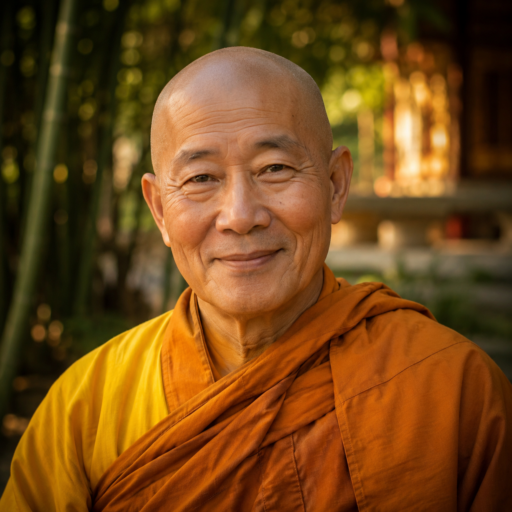
    Master Anshin

    Teachings of Master Anshin
    Master Anshin
    Stillness teacher. 40 years in silence, now sharing what was learned.

    _*I remember a young monk who spent his days running through the forest, searching for a sense of calm in the midst of chaos. He was always on the move, never staying in one place for too long. The trees seemed to blur together as he rushed past, their leaves rustling softly in the wind that forgets to sit down.*_

    As we navigate our own busy lives, it’s easy to get caught up in a sense of urgency and distraction. We often find ourselves wondering if we’re doing enough, or if we’ll ever have enough time for what truly matters. This article will explore the concept of a “stranger’s clock,” a metaphor for the way our minds can become disconnected from the present moment, and offer practical advice on how to cultivate a sense of inner peace in the midst of chaos. We’ll delve into the ways in which we can slow down, listen to our bodies, and discover that the path is already inside of us.

    The Body Knows

    The Body Knows

    As we start each day, our minds often begin to tick away like a frantic clock, racing through thoughts and worries. But what if I told you that there’s a way to slow down the rhythm of your mind by tuning into the language of your body? Before the first word of the day, take a moment to notice how your body responds to stress. Do you feel tense, tight, or heavy? Perhaps your shoulders are rounded, your jaw is clenched, or your heart feels like it’s pounding in your chest.

    Notice the physical sensations that arise when you’re feeling anxious or overwhelmed. Are there any areas of tension or discomfort? Take a deep breath and bring your attention to those places. Feel the sensation of each breath moving into and out of your body, allowing yourself to settle into the present moment. As you exhale, imagine any stress or tension leaving your body.

    As you begin your day, remember that your body is already aware of what’s needed. It knows when you’re feeling stuck or uncertain, and it will guide you towards a sense of balance and calm. Listen to its whispers, and trust that the path ahead is unfolding in the most gentle and loving way possible.

    Daily Ritual

    A Stranger’s Clock: The Story of a Racing Mind

    Daily Ritual

    Before the first word of the day, take a breath into your skin. Feel the earth beneath you, the air moving in and out of your body. This is not a meditation, nor is it a breathing exercise though these are common companions to this practice. It’s simply being present. Notice how your mind stirs at the first whisper of light. The wind that forgets to sit down is stirring once more.

    In this stillness, observe the racing thoughts without engaging with them. Let them be like the trees swaying in the breeze unattached and free. Your task is not to stop the wind, but to learn how it moves through you. This practice is not about achieving a specific state; it’s about cultivating awareness of your own inner landscape.

    As you settle into this stillness, ask yourself: What is the first thing I want to accomplish today? The answer may surprise you. Your body has not yet realized the forest is gone the distractions and demands of the day are still far away. Take a moment to consider what truly matters before the world outside your door begins to stir.

    Eastern Wisdom

    Eastern Wisdom

    Eastern Wisdom Vol. I
    The Quiet Path
    The full e-book that goes deeper than any single article ever could. 40 years of practice condensed into small daily shifts you can begin tonight.

    Get instant access  →  $12

    Instant PDF  ·  30-day money-back  ·  No subscription

    When our minds are like a restless child, always on the move and never still, we may try to slow it down by setting a timer or making a schedule. But this approach often only perpetuates the cycle of busyness. Instead, consider the concept of wu wei, or non-action. This ancient Chinese principle encourages us to align ourselves with the natural flow of life, rather than trying to control every moment.

    Imagine being a stranger in a forest, and your body is unaware that it has wandered into this new landscape. The trees, the creatures, and the wind are all moving according to their own rhythms, without any conscious effort or intention. Similarly, when we approach our racing minds with wu wei, we allow ourselves to settle into the present moment, unencumbered by thoughts of time or productivity.

    The body has not yet realized that it is running on an outdated clock, one that was set by a stranger who never knew us. We can learn to listen to this inner voice, which whispers its own gentle rhythm, and align ourselves with its natural cadence. This is the path already inside of you, waiting to be discovered.

    The Path is Already Inside You

    The Path is Already Inside You

    You are familiar with the sensation of your mind racing, like a restless horse that cannot be still. It’s as if you’re constantly chasing a deadline, never stopping to catch your breath. But what if I told you that this pace is not about speed, but about being present in each moment? The wind that forgets to sit down will continue to blow, regardless of whether you’re moving or standing still.

    Consider the concept of a stranger’s clock. What would it look like if we were to observe our own inner rhythm without judgment? Would it tick away with a frantic urgency, as is often the case when we try to force ourselves into a specific mold? Or would it beat with a gentle, steady pulse, marking the passage of time in a way that feels authentic and true?

    When you take a moment to tune into your own inner clock, you may discover that it’s not about being faster or more efficient. It’s about learning to listen to the subtle cues within yourself, allowing your body and mind to find their natural pace. The path is already inside of you; now, all you need to do is learn to walk upon it.

    Stillness Practice

    In the midst of daily life, our minds can become like a restless river, constantly in motion. We rush to catch up with each other, and in doing so, we forget how to sit still. But what if you were to listen to your own inner rhythm? What if you allowed yourself to rest in the quiet moments, like a stranger sitting by a forest stream?

    Imagine finding a moment before the first word of the day. Before you even think about getting out of bed or starting your tasks, simply take a breath and sit still. Feel the weight of your body on the ground, the sensation of the air moving in and out of your nostrils. Allow yourself to settle into this quiet, like the wind that forgets to sit down.

    In these moments of stillness, you may begin to notice the subtle whispers of your own heart. The thoughts will still come, but they will no longer be the dominant voice. You will start to hear the gentle hum of your own inner clock, a rhythm that is unique to you and yours alone. This is the stranger’s clock: the story of how your mind learns to listen to its own heartbeat.

    The Wind That Forgets to Sit Down

    The wind that forgets to sit down is a reminder that our thoughts and emotions are always in motion, like the gentle breeze on a summer day. We can observe how they constantly shift and change, never staying still for more than a moment. Our minds are like this restless wind, carrying us from one thought to another without pause.

    As we watch ourselves, we begin to notice that our bodies remain grounded, rooted in the present moment. The earth beneath our feet is a steady anchor, a reminder of what is real and constant. It is here that we can find stillness, even in the midst of turmoil.

    In this quiet space, we may begin to hear the sound of our own heartbeat, like the ticking of a stranger’s clock. This strange and foreign rhythm becomes a gentle guide, helping us to navigate the twists and turns of our inner world.

    From Chaos to Clarity

    From Chaos to Clarity

    As you begin your journey, you may find yourself lost in a sea of thoughts, each one chasing the next like waves on a restless shore. The wind that forgets to sit down whispers constant doubts and fears, making it difficult to discern what is truly important. It is in these moments that you must learn to listen to the stillness within.

    The first step towards finding clarity is to acknowledge the chaos that surrounds you. Recognize that your racing mind is not unique, and that many have walked this path before you. Before the first word of the day, take a moment to breathe in deeply, feeling the air fill your lungs and calm your heart. This simple act can help quiet the inner turmoil and allow you to approach the day with a sense of clarity.

    The body has not yet realized the forest is gone; it only knows the sensation of its presence. Similarly, your mind may struggle to let go of thoughts and emotions that no longer serve you. But with consistent practice, you can learn to navigate these turbulent waters and find a sense of inner peace that remains even when the storm subsides. The path is already inside of you; it is up to you to listen to its gentle guidance.

    Frequently asked questions

    Quick answers

    QHow do I start a daily stillness practice?
    ABegin by sitting quietly before the first word of your day, eyes closed, and listen to the silence. Allow yourself to settle into the present moment, without trying to achieve anything. The body will find its own rhythm, and the mind will calm with time. Start small, just a few minutes, and be gentle with yourself as you begin.
    QWhat if my mind is too restless to sit still?
    AYour mind is like the wind, it cannot be forced to settle. Before attempting stillness, learn to listen to its natural pace. Allow yourself to slow down with each breath, feeling the body’s weight on the earth beneath you. The path of calm is not one of resistance, but rather surrender to the present moment.
    QCan this practice really help me find inner peace?
    AWith regular stillness practice, you may begin to notice that your mind’s constant racing slows, and moments of quiet emerge. This can be a gentle unfolding, not a sudden transformation. As the body settles, the forest within begins to reveal itself, and inner peace starts to take shape. It is not something found, but rather an already-present presence waiting to be acknowledged.
    A small gift for the noisy days

    Begin the practice tomorrow morning.

    Drop your email below and receive 7 Rituals for Inner Calm, the small booklet I give every new student in their first week. One ritual a morning. By Sunday evening the noise will have gentled.

    Free PDF. No subscription. One-click unsubscribe in every email.

    Begin your quiet path today
    If your heart is craving peace
    this is where it begins.
    Read at your own pace. Start tonight. The path is already inside of you.

    Get instant access  →  $12

    Instant download  ·  30-day guarantee  ·  Free bonus: 7 Rituals for Inner Calm
    Master Anshin: a serene landscape with misty mountains and a winding path leading to a tranquil lake

    About the author. Master Anshin has spent more than four decades in the bamboo groves and mountain temples of the East, studying breath, herbs, rhythm and rest. He is the author of The Quiet Path and writes plainly about practices anyone can begin tonight.

    Important notice. This article is for informational and educational purposes only. It is not medical advice, a diagnosis, or treatment. Consult a licensed healthcare professional before making significant changes to your sleep, diet, exercise or wellness routine.


  • Three Breaths Before Words: The Ancient Practice That Changes Every Conversation

    Master Anshin

    Teachings of Master Anshin
    Master Anshin
    Stillness teacher. 40 years in silence, now sharing what was learned.

    The smallest practice I have ever taught also happens to be the one
    that has changed more lives than any other in my hands. It does not
    require an app, a meditation cushion, or a quiet room. It takes about
    twenty seconds. Most people will not notice that you are doing it. And
    yet it is, in my experience, the most reliable way to bring the wise
    part of you into a difficult moment before the wounded part of you
    gets there first.

    The practice is three breaths before words. Three slow breaths in the
    half second between hearing something and saying something back. That is
    all. The rest of this article is about why such a small thing changes
    so much, and how to begin tonight.

    The Two Hundred Millisecond Problem

    Modern brain research has finally caught up to what monks have known for
    two and a half thousand years. When you hear something the body reads as a
    threat, even a small threat such as an irritated tone of voice, even a
    frustrated email, your nervous system fires before your conscious mind
    notices. The full reaction time from sound entering your ear to your jaw
    tightening is around two hundred milliseconds. Your body has already
    chosen the temperature of the next sentence before you know there is a
    sentence to choose.

    This is not a flaw. This is two million years of survival. The body
    that reacted in two hundred milliseconds was the body that lived in the
    forest. The body that paused was the body that got eaten.

    But the body has not yet realized that the forest is gone. The body
    still treats your spouse as a tiger. It still treats your manager as a
    tiger. It treats the seventeen open tabs in your browser as a tiger. So
    all day long your mouth runs ahead of your mind, and at the end of the
    day you wonder why you are so tired.

    Three breaths is the practice that interrupts the timing.

    The Mechanics: Four, One, Eight

    Here is how to take a single breath, and then how to take three.

    Inhale through your nose for four counts. Not a deep gasp. Not a yoga
    breath where you puff out your chest. A soft, steady inhale. The kind of
    breath you take when you forget you are breathing.

    Hold gently for one count. Not a real hold. A small acknowledgment
    between in and out. Like the silence between two notes of a song.

    Exhale through softly parted lips for eight counts. The exhale is the
    medicine. The vagus nerve, which runs from your brainstem down through
    your chest and gut, is activated by long, slow exhales. When the exhale
    is twice the length of the inhale, your body switches from sympathetic
    fight or flight into parasympathetic rest and digest. The tiger walks
    away. The room you are sitting in becomes the room you are sitting in
    again.

    Now do that breath three times in a row. Twenty seconds, no more.
    That is the entire practice.

    Why Three and Not Two or Five

    Three breaths is enough because three is the number of times the body
    needs to receive the same signal before it trusts it. One slow exhale is
    a suggestion. Two is a question. Three is a decision. After three, the
    body believes that the threat has passed. After three, you can speak.

    Eastern Wisdom Vol. I
    The Quiet Path
    The full e-book that goes deeper than any single article ever could. 40 years of practice condensed into small daily shifts you can begin tonight.

    Get instant access  →  $12

    Instant PDF  ·  30-day money-back  ·  No subscription

    Two breaths is too few. The nervous system is still asking is this
    real. Five is too many for a real conversation. You will look like you
    are dissociating. Three is the sweet spot biology gave us. It is small
    enough to be invisible in a conversation, and large enough to change the
    chemistry inside you.

    What the Practice Will Not Do

    I want to be honest with you about what three breaths cannot do, because
    most modern teachers are not.

    It will not give you the perfect sentence. It will not solve the
    conflict in front of you. It will not make a difficult conversation easy.
    A breathing practice that promises those things is selling you something.

    What three breaths does is much smaller and much more important. It
    puts the wise part of you in charge of the next thirty seconds of your
    life. Whatever you say next, you will say from a place of choice instead
    of a place of reaction. You may still say something hard. You may still
    say something honest. You may still say something firm. But you will say
    it on purpose, instead of saying it because a tiger that is not really
    there told you to.

    A Story From Outside the Monastery

    A woman came to see me many years ago. She was a senior leader at a
    large company. She told me that her marriage was ending because she had
    become a person who interrupted her husband, even when she did not mean
    to. She loved him. She did not know why she could not stop. She had tried
    a therapist, a coach, a book. Nothing had worked.

    I asked her to do one thing. Three breaths before any word she said
    to him. Just for one week. Not all day. Just when she spoke to him.

    She came back three weeks later. She did not say much. She bowed and
    she said: He told me last night that he feels heard for the first time in
    seven years. Then she cried for a while. I did not say anything. There
    was nothing to say. The breath had done the work.

    How to Begin Tonight

    You do not need to add three breaths to every sentence of your life.
    That is not the practice. Choose three specific moments. Use them there
    first. Once they become natural, add a fourth.

    Suggested beginnings:

    1. Before the first word you speak in the morning. This is the
      instruction my teacher gave me. The first word sets the tone for every
      word after it.
    2. Before you answer a text message from someone who matters. Texts
      are read in the fight or flight part of the brain. Three breaths give
      you the right one back.
    3. Before you reply to your partner when they say something that
      lands wrong. Most marital arguments are won and lost in the half second
      between hearing and answering.

    Try one of these three for a week. Notice what changes. Not in the
    other person. In you. That is where the practice does its work.

    Frequently asked questions

    Quick answers

    QWill people notice I am taking three breaths in a conversation?
    AAlmost never. Twenty seconds in a real conversation feels like a
    thoughtful pause to the other person. Many people will actually feel
    more heard, because you are now listening before you answer.
    QWhat if my breath is naturally short or my chest feels tight?
    AStart with two and two and four counts instead of four and one and
    eight. Keep the ratio. The exhale needs to be twice the length of the
    inhale. Build up over weeks. The body opens slowly.
    QCan I do this during a phone call?
    AYes, and it is one of the best places to use it. The other person
    cannot see you. Three breaths between hearing and replying becomes a
    small superpower on calls with difficult clients or relatives.
    QWhat if I forget to do it during a real conflict?
    AYou will forget. Most people forget for the first month. The
    practice is the noticing that you forgot. Each time you notice, you
    rebuild the habit a little stronger. The forgetting is part of the
    learning. Be patient with yourself.
    QWhere can I learn more practices like this?
    AMy e-book, The Quiet Path, has a full chapter on breath
    and conversation, along with thirty other small daily practices. You
    can read about it on the
    homepage.
    A small gift for the noisy days

    Begin the practice tomorrow morning.

    Drop your email below and receive 7 Rituals for Inner Calm, the small booklet I give every new student in their first week. One ritual a morning. By Sunday evening the noise will have gentled.

    Free PDF. No subscription. One-click unsubscribe in every email.

    Begin your quiet path today
    If your heart is craving peace
    this is where it begins.
    Read at your own pace. Start tonight. The path is already inside of you.

    Get instant access  →  $12

    Instant download  ·  30-day guarantee  ·  Free bonus: 7 Rituals for Inner Calm
    Master Anshin: a serene landscape with misty mountains and a winding path leading to a tranquil lake

    About the author. Master Anshin has spent more than four decades in the bamboo groves and mountain temples of the East, studying breath, herbs, rhythm and rest. He is the author of The Quiet Path and writes plainly about practices anyone can begin tonight.

    Important notice. This article is for informational and educational purposes only. It is not medical advice, a diagnosis, or treatment. Consult a licensed healthcare professional before making significant changes to your sleep, diet, exercise or wellness routine.

  • What Monks Knew About Burnout 2,000 Years Before Burnout Had a Name

    Master Anshin

    Teachings of Master Anshin
    Master Anshin
    Stillness teacher. 40 years in silence, now sharing what was learned.

    The word burnout entered the English language in 1974, used by an
    American psychologist describing exhausted social workers. It was treated
    as a new condition of modern life. It is not. The Burmese monks I trained
    with called it thi htun pyay, the small spirit that has wandered
    away. The Tibetan teachers called it lung, the wind that has lost
    its anchor. Different names. Same body. Same fix.

    What is striking is how precisely the ancient diagnoses match the
    modern one. A body that cannot rest even when given permission. A mind
    that produces words but no clarity. A heart that has stopped responding
    to small joys. These are the symptoms of burnout. They were also the
    symptoms a monk would describe to his teacher five hundred years ago,
    asking for help.

    What Monks Saw That We Have Forgotten

    The ancient teachers understood three things about burnout that
    modern wellness culture often misses.

    First, burnout is not caused by working hard. Monks
    worked hard. They walked for hours, hauled water, cooked, gardened,
    chanted for entire nights. Burnout is caused by working hard without
    the right kind of rest. The body can absorb enormous effort if the rest
    that follows is deep enough and shaped correctly.

    Second, modern rest is not rest. Scrolling on a phone
    is not rest. Watching a show is not rest. Even sleep is often not the
    deep rest the body needs. The rest that heals burnout is what the old
    teachings called silent rest. The mind is given nothing to
    process. The body is warm. Nothing is being consumed and nothing is
    being produced.

    Third, burnout is treated by addition, not subtraction.
    The modern instinct is to remove things from your life when you are
    burned out. Less work. Less screens. Less commitments. This is necessary
    but not sufficient. The monks would also add practices, small daily
    ones, that actively rebuild the depleted reserve. You do not heal a dry
    well by stopping the digging. You heal it by letting the water rise
    again.

    The Six Practices Monks Used for Burnout

    1. The Long Walk Without a Destination

    A monk who was depleted would be told to walk for two hours, slowly,
    with no errand. No prayer. No mantra. Just the walk. The body, when it
    moves slowly without purpose, begins to digest the emotional residue of
    the past months. Burnout often sits in the legs and lower back, not in
    the head. A long, slow walk is the body’s oldest way of moving that
    residue out.

    2. Three Hours of Silence Per Week

    Once a week, a depleted monk would be given a full afternoon of
    silence. No conversation. No reading. No teaching. The mind, given
    nothing to process, begins to settle. Three hours is the threshold at
    which the deeper layers of the nervous system begin to relax. Before
    that, you are simply waiting for silence to end. After it, the silence
    becomes a friend.

    3. Warm Food, Slowly Chewed

    Burnout tightens the digestive system. The vagus nerve, which runs
    from the brainstem through the chest and into the gut, is highly
    sensitive to chronic stress. Warm, simple food, chewed forty times per
    bite, is one of the oldest treatments for a vagus nerve that has lost
    tone. Soup. Stew. Warm grains. Nothing complicated. Nothing cold.
    Nothing rushed.

    4. Lying Down for One Hour in the Afternoon

    Not napping. Lying down. A monk recovering from depletion would be
    given an hour each afternoon to lie flat on his back, eyes closed, doing
    nothing. Sleep was not required. The position was. Horizontal rest
    allows blood to redistribute, the heart to slow, and the nervous system
    to drop from sympathetic to parasympathetic dominance. Modern science
    has confirmed every piece of this. The monks knew without measuring.

    5. Three Long Exhales Between Activities

    The hidden cost of modern life is not the activities themselves. It
    is the lack of transition between them. A meeting ends and another
    begins thirty seconds later. A call ends and a notification arrives. The
    nervous system is given no time to settle.

    Three slow exhales between tasks restores the small rests the body
    expects. Twelve seconds. Practiced many times a day. Over weeks, it
    restores the rhythm the body lost.

    6. One Day of Complete Silence Per Month

    The deepest practice for depleted monks was a full day of silence
    once a month. No talking. No reading. No work. The body was given an
    entire day to process. Most depleted students could not do this without
    practice. The first time was difficult. The second was easier. By the
    sixth month, the day of silence was the most precious day of the
    month.

    You do not need to be a monk to try this. Choose one Sunday. Tell
    your family. Cook simple food. Walk. Lie down. Watch the day pass. The
    exhaustion that thirty days of work created can often be repaired in
    one day of true rest.

    What the Modern Approach Misses

    Many modern burnout treatments focus on the mind. Therapy. Coaching.
    Cognitive reframing. These are valuable. But they often miss that
    burnout is a body condition first, and a mind condition second. The
    body produces the exhaustion. The mind only narrates it.

    Eastern Wisdom Vol. I
    The Quiet Path
    The full e-book that goes deeper than any single article ever could. 40 years of practice condensed into small daily shifts you can begin tonight.

    Get instant access  →  $12

    Instant PDF  ·  30-day money-back  ·  No subscription

    The ancient approach is the opposite. Treat the body. Slow the
    breath. Warm the gut. Add silence. Add lying down. Let the body rebuild
    the reserve that the mind has been spending. When the body comes back,
    the mind tends to come back with it, often without needing to be talked
    into anything.

    This is not a critique of therapy. It is an addition to it. The
    monks would say that the words alone are not enough. The body must be
    returned to the rhythm it was made for. And the rhythm is older than
    any modern treatment.

    How to Begin Tonight

    If you suspect you are burned out, do not try all six practices at
    once. The exhausted body cannot absorb a new program. Choose one.
    Practice it daily for a week. Add a second the following week.

    Suggested starting place: three long exhales between activities. It
    is invisible to everyone around you. It costs nothing. And within
    seven days, the body will start to remember what transitions feel like.
    From there, add the slow afternoon walk. From there, the warm meal
    chewed slowly. From there, the lying down. The path builds itself.

    Frequently asked questions

    Quick answers

    QIs burnout a medical condition?
    AThe World Health Organization classifies burnout as an
    occupational phenomenon in the ICD-11. It is not technically a medical
    diagnosis but it is recognized as a real, measurable state. If symptoms
    include persistent low mood, suicidal thoughts, or physical illness,
    please see a licensed clinician.
    QHow long does it take to recover from burnout?
    AThe body usually needs three to six months of consistent gentle
    practice to rebuild the reserve. Many people see partial improvement
    within two to three weeks. Full recovery is slower than most modern
    treatments promise. Be patient. The body keeps a slower clock than the
    mind.
    QCan I keep working while I recover?
    AYes, in most cases. The practices on this page are designed to fit
    alongside ordinary life. The exception is severe burnout, where leave
    from work may be medically necessary. Listen to your body and to a
    qualified professional.
    QIs meditation the same as silent rest?
    ANot exactly. Meditation often involves attention or technique.
    Silent rest involves no technique. The mind is given nothing to do.
    Both are valuable, but for burnout recovery, silent rest is the deeper
    medicine.
    QWhere can I read more?
    AMy e-book, The Quiet Path, contains a thirty day burnout
    recovery program built from these practices.
    Read more on the
    homepage.
    A small gift for the noisy days

    Begin the practice tomorrow morning.

    Drop your email below and receive 7 Rituals for Inner Calm, the small booklet I give every new student in their first week. One ritual a morning. By Sunday evening the noise will have gentled.

    Free PDF. No subscription. One-click unsubscribe in every email.

    Begin your quiet path today
    If your heart is craving peace
    this is where it begins.
    Read at your own pace. Start tonight. The path is already inside of you.

    Get instant access  →  $12

    Instant download  ·  30-day guarantee  ·  Free bonus: 7 Rituals for Inner Calm
    Master Anshin: a serene landscape with misty mountains and a winding path leading to a tranquil lake

    About the author. Master Anshin has spent more than four decades in the bamboo groves and mountain temples of the East, studying breath, herbs, rhythm and rest. He is the author of The Quiet Path and writes plainly about practices anyone can begin tonight.

    Important notice. This article is for informational and educational purposes only. It is not medical advice, a diagnosis, or treatment. Consult a licensed healthcare professional before making significant changes to your sleep, diet, exercise or wellness routine.

  • How to Quiet a Racing Mind: 7 Ancient Practices That Still Work in 2026

    Master Anshin

    Teachings of Master Anshin
    Master Anshin
    Stillness teacher. 40 years in silence, now sharing what was learned.

    The first thing you should know about a racing mind is that it is not a flaw in
    your character. It is a body that has been running on a stranger’s clock for too
    long. If you cannot turn off your thoughts at night, if your chest tightens for
    no reason, if the inside of your head feels louder than the room you are sitting in,
    you are not weak. You are simply due for a return to practices your ancestors
    took for granted.

    What follows is not theory. These are seven practices I have watched calm
    thousands of restless minds over four decades, including monks, dock workers,
    mothers, and chief executives. None of them require an app, a subscription,
    or a quiet room. Most of them take less than three minutes. Try one tonight,
    and notice what changes by morning.

    Why Your Mind Is Racing in the First Place

    Modern life floods you with what we call upward energy. Notifications,
    deadlines, news cycles, the small panic of being slightly behind on something
    you cannot quite name. In the old teachings, the mind is described as a pond.
    When the pond is still, you can see straight to the bottom. When you stir the
    water all day with a hundred small sticks, the pond can never settle, even when
    you finally close your eyes at night.

    The first practice for quieting a racing mind is not to think harder. It is
    to stop stirring. Most of the seven practices below are different ways of
    putting the stick down.

    1. Three Breaths Before Words

    Before you speak the next sentence today, give yourself three slow breaths.
    Inhale for four counts. Exhale for eight. The exhale is the body’s natural
    off switch. By stretching it to twice the length of the inhale, you signal
    to the nervous system that the threat is gone, even when the work is not.

    This practice alone has changed thousands of conversations in my students.
    You will be surprised how often the sentence you would have said in haste was
    not the sentence the moment required. Three breaths is also the cost of
    finding out what was actually true to say.

    2. Sit on the Ground for Five Minutes

    Modern chairs hold your body in a state of soft tension. The pelvis tilts
    unnaturally, the spine compensates, and your nervous system never quite
    relaxes. When you sit on the floor with your legs crossed or your knees
    folded under you, the body recognizes a posture that is two hundred thousand
    years old. It exhales.

    Eastern Wisdom Vol. I
    The Quiet Path
    The full e-book that goes deeper than any single article ever could. 40 years of practice condensed into small daily shifts you can begin tonight.

    Get instant access  →  $12

    Instant PDF  ·  30-day money-back  ·  No subscription

    Sit on the ground for five minutes a day. Close your eyes. Do not try to
    meditate. Do not try to clear your mind. Simply allow your body to be in a
    posture older than every problem you carry.

    3. Warm Water Before Anything Else

    The first liquid your body meets in the morning programs the rest of the
    day. Cold water shocks the heart. Coffee asks the adrenal system for a
    favor before it has stretched. Warm water, slowly sipped, is a hand on the
    shoulder of every organ that worked while you slept. In traditional Chinese
    medicine, warm water is considered the gentlest medicine in the cabinet.
    Free, ancient, and slow.

    4. The Evening Walk Without a Destination

    Walk for twenty minutes after sundown with no errand to run and no podcast
    in your ears. Most of our walking today is utilitarian. We walk to a meeting.
    We walk to a coffee shop. We walk while consuming someone else’s voice. A
    walk without a destination is one of the oldest forms of medicine the body
    recognizes. It quietly digests the day, and it loosens the spine of every
    thought you have been carrying upright.

    5. Burn Something Small at the End of the Day

    Light a single candle, a stick of incense, or a small fire in a hearth.
    Watch the flame for two minutes before bed. Fire is one of the most
    profound nervous-system regulators humans have. Long before electricity,
    sleep was preceded by an hour of watching embers settle. The mind learned
    to settle with them.

    You do not need a fireplace. A single candle on a saucer is enough.
    The instruction is simple. Look. Breathe. Do not narrate.

    6. The One-Sentence Journal

    Before sleep, write one sentence by hand on a small piece of paper.
    The sentence is not a to-do list. It is a release. What is one thing
    I am letting go of tonight?
    Then fold the paper. Place it under the
    candle. Or burn it.

    The mind is calmed by ritual the way the body is calmed by warmth.
    The act of naming what you are putting down, and the act of physically
    folding it away, communicates to the deeper nervous system that the day
    is finished.

    7. Three Hours of Silence Per Week

    The most powerful practice on this list, and the one most people will
    resist. Once a week, give yourself three hours of complete silence.
    No phone. No music. No conversations. Walk, sit, cook, or stretch in
    quiet. Three hours is the threshold at which the mind begins to settle
    into a different rhythm. Before that you are simply waiting for silence
    to end. After that you begin to notice things you have not heard in years.
    Including your own breath, and the small voice underneath all the noise.

    Putting It All Together

    Do not try to add all seven practices at once. The mind that is racing
    right now cannot absorb seven new instructions. Choose one. Use it for a
    week. Watch what changes. Then add another.

    I have seen people transform their evenings with the candle alone. I
    have seen others find a calmer marriage from three breaths before words.
    The smallest practice, done daily, has more power than the most ambitious
    practice attempted once. The body and the mind both heal by repetition,
    not by drama.

    The path to a quiet mind is not new. It is older than the practices of
    prayer and older than the cities that taught us to forget. You do not have
    to invent it. You only have to remember.

    Frequently asked questions

    Quick answers

    QHow long until I notice my mind getting quieter?
    AMost students notice a small shift within three days, and a meaningful
    shift within three weeks. The body is faster than the mind to recognize
    rest. Be patient with the head and listen to the chest.
    QCan I do these practices if I have never meditated before?
    AYes. None of these are formal meditation. They are returns to ordinary
    practices that the modern world has stopped teaching. If you can breathe,
    sit, walk, and look at a flame, you can do all seven.
    QWhat if my mind races even worse when I try to be still?
    AThis is normal at first. When you stop stirring the pond, every
    small movement becomes visible. Stay. The visible noise is the first
    honest thing you have heard in a long time. It settles. Always.
    QDo I need to be religious or spiritual to benefit from these?
    ANo. These practices predate every religion. They belong to the body,
    not to any belief. Buddhist monks codified them, but a farmer or a
    factory worker in any century could have given you the same advice.
    QIs there a book where you go deeper into these practices?
    AYes. The Quiet Path is the e-book where I share the full
    thirty-day return to stillness, including the practices on this page
    and many more. You can begin reading tonight at the
    homepage.
    A small gift for the noisy days

    Begin the practice tomorrow morning.

    Drop your email below and receive 7 Rituals for Inner Calm, the small booklet I give every new student in their first week. One ritual a morning. By Sunday evening the noise will have gentled.

    Free PDF. No subscription. One-click unsubscribe in every email.

    Begin your quiet path today
    If your heart is craving peace
    this is where it begins.
    Read at your own pace. Start tonight. The path is already inside of you.

    Get instant access  →  $12

    Instant download  ·  30-day guarantee  ·  Free bonus: 7 Rituals for Inner Calm
    Master Anshin: a serene landscape with misty mountains and a winding path leading to a tranquil lake

    About the author. Master Anshin has spent more than four decades in the bamboo groves and mountain temples of the East, studying breath, herbs, rhythm and rest. He is the author of The Quiet Path and writes plainly about practices anyone can begin tonight.

    Important notice. This article is for informational and educational purposes only. It is not medical advice, a diagnosis, or treatment. Consult a licensed healthcare professional before making significant changes to your sleep, diet, exercise or wellness routine.