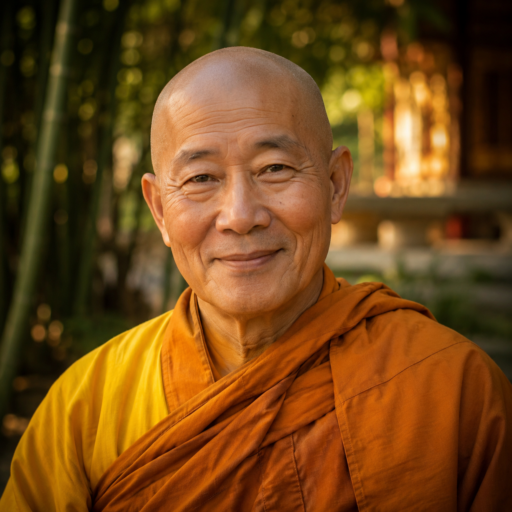
*_A young monk sat beside a frozen pond, watching as a fish swam beneath the surface, its scales shimmering in the morning light. The sun had not yet risen, but the air was already awake, holding the promise of a new day._*
Inhaling Stillness: 5 Simple Exercises for Modern Life. As we navigate the demands of modern life, it’s easy to forget the simple act of stillness. Our days are filled with distractions, and our minds are constantly racing. But what if you could find calm in the midst of chaos? In this article, I’ll share five simple exercises to help you cultivate a sense of stillness, allowing you to breathe more deeply and live more fully. These practices can be done anywhere, at any time, and require no special equipment or training. By incorporating them into your daily routine, you may find that the world slows down around you, and the peace within begins to emerge.
The Importance of Inhaling Stillness
The Importance of Inhaling Stillness
In our modern lives, we often find ourselves caught in a whirlwind of thoughts and emotions, racing from one thing to another without pause. Our breath becomes shallow and rushed, reflecting the frenetic pace of our daily routines. But what if we could slow down just a little? What if we could take a moment before the first word of the day to breathe in stillness?
Imagine standing at the edge of a forest, feeling the gentle breeze on your skin. The trees stand tall and quiet, their leaves rustling softly in the wind. In this peaceful scene, what is it that you notice? Is it the sound of birds chirping or the warmth of the sun on your face? It’s not just these external sensations that bring us calm it’s also the stillness within ourselves. This is where our breath can help.
The body knows when we are out of balance, even before our minds do. We may feel a knot in our stomach or a heaviness in our chest. These physical sensations are our bodies’ way of telling us that we need to slow down and breathe more deeply. By taking a moment each day to inhale stillness, we can begin to listen to these whispers and find greater peace within ourselves.
Inhaling stillness: 5 simple exercises will be explored in the following sections. For now, let us simply commit to this daily practice of breathing in stillness before our first word of the day. May it become a gentle reminder that even in the midst of chaos, we have the power to find calm and clarity within ourselves.
Finding Space in Daily Routines
Finding Space in Daily Routines
As you go about your day, notice where you can pause and breathe into the present moment. The wind that forgets to sit down is often found in the spaces between tasks, when the mind is not racing or filled with distractions. Take a few deep breaths before the first word of the day, and allow yourself to settle into the stillness that lies just beneath the surface.
Inhaling stillness is not about finding it in some distant future state, but rather about cultivating it right here, right now. The body has not yet realized the forest is gone; it remains rooted in the earth, connected to the land and its rhythms. Take a moment to notice your feet touching the ground, the sensation of the chair beneath you, or the texture of the air on your skin. These small, everyday moments hold the potential for profound connection.
One way to begin inhaling stillness is through mindful movement. As you walk, pay attention to the sensation of each step, the weight and balance of your body. Feel the ground supporting you, the movement of your legs and arms, and the rhythm of your breath. Allow yourself to settle into this process, letting go of any tension or distraction.
Another way to cultivate stillness is through the simple act of observation. Take a few moments each day to simply look at something: a flower, a tree, a piece of art. Notice the colors, textures, and shapes that make it up, without trying to label or analyze them. Allow yourself to rest in the present moment, letting go of any need to understand or categorize what you see. This quiet attention can be a powerful way to inhale stillness into your daily life.
The Body’s Wisdom
The Body’s Wisdom
As we navigate the complexities of modern life, it’s easy to lose sight of our inner rhythms. We’re constantly bombarded with stimuli, from the city streets to our screens and social media feeds. But amidst all this chaos, our bodies hold a profound wisdom that can guide us back to stillness. Listen to the body’s subtle cues, like a gentle whisper from the wind that forgets to sit down.
When we pause to listen, we often discover areas of tension or discomfort. Perhaps our shoulders are knotted from hours of typing, or our feet ache from standing for long periods. These physical sensations can serve as a reminder to slow down and tend to ourselves. By acknowledging and honoring these cues, we begin to cultivate a deeper awareness of our bodily needs.
This awareness is not about intellectual understanding, but rather a direct, intuitive knowing that arises from the body itself. It’s a sense of trust in our own inner wisdom, which guides us toward rest and rejuvenation. When we allow ourselves to receive this guidance, we start to embody a greater sense of stillness and calm.
Inhaling Stillness: 5 Simple Exercises
One way to tap into this bodily wisdom is through simple exercises that promote relaxation and awareness. These practices can be done anywhere, at any time, and are designed to help us cultivate the inhaling stillness we crave.
By incorporating these exercises into our daily routine, we begin to weave a sense of stillness into the fabric of our lives. We learn to listen to our bodies in ways that feel authentic and gentle, rather than pushing or forcing ourselves into uncomfortable positions. As we breathe in stillness, we start to notice the subtle shifts within ourselves the softening of tension, the expansion of space, and the quieting of the mind.
Inhaling stillness is not a destination; it’s a journey that unfolds with each breath. It’s an invitation to slow down, observe our bodies, and allow ourselves to be guided by their wisdom. By embracing this practice, we cultivate a deeper sense of connection to ourselves and the world around us a connection that flows like the gentle breeze on a summer day.
Monk Practice for Modern Life
Inhaling Stillness: 5 Simple Exercises for Modern Life
As you begin each day, take a moment to pause before the first word of your intention. Sit comfortably with your eyes closed, feeling the weight of your body on the earth. Take one slow, deep breath in through your nose, and as you exhale, allow any tension or stress to release from your body. This simple act sets the tone for the day ahead, inviting stillness into every moment.
One exercise that can help cultivate this sense of calm is the practice of “body scan.” Lie down or sit comfortably with your eyes closed, bringing your attention to different parts of your body, starting at your toes and working your way up to the top of your head. As you focus on each area, release any areas of tension or discomfort, allowing yourself to settle deeper into relaxation.
Another exercise that can help bring stillness into modern life is the practice of “walking meditation.” Take a slow, deliberate walk, paying attention to the sensation of your feet touching the ground with each step. Notice the movement of your legs, hips, and arms as you walk, but avoid focusing on the destination instead, focus on the present moment. This practice can help bring mindfulness into even the most mundane tasks.
As you integrate these exercises into your daily routine, remember that stillness is not something that needs to be achieved it is simply a state of being that exists when we allow ourselves to let go. The body has not yet realized the forest is gone; in this moment, the trees and birds are present, waiting for us to notice. By cultivating inhaling stillness, you can find peace and clarity in even the most chaotic of times.
The practice of “mindful breathing” can also be a powerful tool for bringing stillness into modern life. Focus on your breath, feeling the sensation of the air moving in and out of your body. When your mind wanders and it will wander gently bring your attention back to the present moment. This practice can help calm the mind and bring clarity to even the most complex of thoughts.
Another exercise that can help cultivate stillness is the practice of “sensory exploration.” Choose an object, such as a flower or a rock, and focus on its texture, color, shape, and scent. Notice the way it feels in your hand, the way it looks, the way it smells. This practice can help bring mindfulness into even the most ordinary tasks.
As you continue to cultivate inhaling stillness, remember that the path is already inside of you. Trust that you have the capacity to find peace and clarity in every moment it simply needs to be remembered.
Inhaling Stillness in Nature
Inhaling Stillness in Nature
When we step into nature, our bodies are met with an overwhelming sense of vastness. The wind that forgets to sit down whispers secrets through the trees, reminding us that stillness is not absence, but presence. We can find peace in the quiet hours before dawn, when the world is still waking from its slumber. It is here, at the threshold of daybreak, that we may begin to inhale stillness.
As you walk among the trees, notice the sensation of your feet touching the earth. Feel the weight and solidity of the ground beneath you. The body has not yet realized the forest is gone; it remains rooted in the present moment. Take a deep breath, and as you exhale, allow any tension or stress to release into the earth. Imagine roots growing from the soles of your feet, deep into the soil, anchoring you in stability.
Inhaling stillness is not just about the physical body; it is also about cultivating awareness within the mind. As you breathe in, bring your attention to the present moment. Let go of thoughts and worries, allowing them to drift away like leaves on a stream. The path is already inside of you; trust that you have been here before, and that you can return to this sense of calm whenever needed.
As you continue to walk, notice the sounds around you. Listen for the gentle rustle of leaves or the soft chirping of birds. Allow these sounds to become a reminder of the stillness within you. Inhaling stillness is not something we find outside; it is an inner knowing that can be cultivated in any moment, regardless of our surroundings.
Quick answers
- QWhat if I’m feeling anxious or stressed?
- AIf you are feeling anxious or stressed, begin by sitting comfortably with your back straight and taking a few deep breaths in through your nose and out through your mouth. As you inhale stillness, allow any tension to release from your body, starting at the crown of your head and working its way down to your toes. Notice how your body responds as you cultivate this calm, and gently bring your attention back whenever it wanders.
- QHow do I make time for stillness in my busy schedule?
- AMake time by being before the first word of the day, sitting quietly with eyes closed or open, allowing the wind that forgets to sit down to settle within you. Start small, even a few deep breaths during your morning routine can be beneficial. The body has not yet realized the forest is gone; it will adapt to the stillness.
- QWhat if I’m not sure what kind of exercises to try?
- AIf you’re unsure where to begin, start with your breath. Notice how stillness arises in a pause between inhales, then exhale. Bring this awareness into daily activities like eating or walking, allowing each moment to settle before moving forward.
Begin the practice tomorrow morning.
Drop your email below and receive 7 Rituals for Inner Calm, the small booklet I give every new student in their first week. One ritual a morning. By Sunday evening the noise will have gentled.
Free PDF. No subscription. One-click unsubscribe in every email.
Important notice. This article is for informational and educational purposes only. It is not medical advice, a diagnosis, or treatment. Consult a licensed healthcare professional before making significant changes to your sleep, diet, exercise or wellness routine.
Leave a Reply