Category: Emotional release

  • The Wind That Sits on the Table: Calming with a Cup of Tea

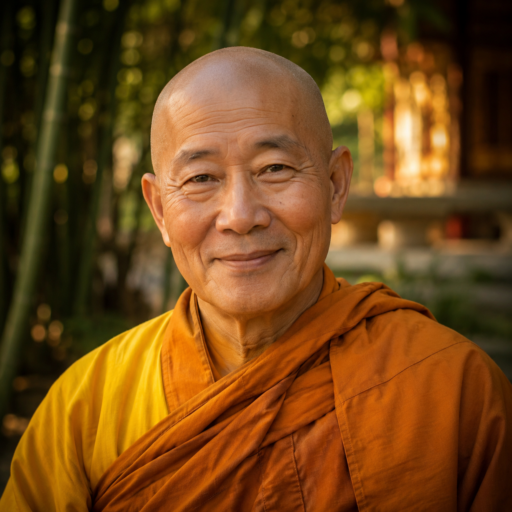
    Master Anshin

    Teachings of Master Anshin
    Master Anshin
    Stillness teacher. 40 years in silence, now sharing what was learned.

    _*A young monk once asked his master to teach him how to calm the mind in a busy monastery. The master replied, “Sit with me on the edge of the pond at dawn. Watch as the wind that sits on the table stirs the leaves and rustles the reeds. It is not trying to disturb you, but rather to remind you that even in stillness, there is always movement.”*_

    Before the first word of the day, when the world outside seems to be waking up and the mind is already racing with thoughts, it can be a good idea to slow down and take a moment for yourself. In this quiet space, we can invite the gentle wisdom of mindfulness into our lives. This article will explore simple yet profound practices that you can incorporate into your daily routine to cultivate calmness and clarity in the midst of chaos. We’ll look at how to harness the power of the present moment, just as the wind stirs the leaves on a peaceful morning by the pond.

    Why This Practice Matters

    The Wind That Sits on the Table: Calming with a Cup of Tea

    Why This Practice Matters

    I remember a day when our young monk, Kaito, was struggling to calm his mind after a heated argument with his brother. He sat in stillness, but his body was tense and restless. I invited him to join me by the tea table, where we brewed a simple chamomile tea together. As we waited for the leaves to unfurl, I noticed how the wind outside had picked up, rustling the leaves of our trees and carrying the scent of blooming cherry blossoms on its breath. Kaito asked why the wind didn’t seem to be bothered by its own turbulence, just as he was.

    I smiled and said that perhaps the wind is simply accustomed to being present in all things, without attachment or expectation. The tea leaves began to unfurl, releasing their calming essence into our cups. As we sipped, I encouraged Kaito to focus on the sensation of the warmth spreading through his cupped hands, the gentle flavor on his tongue, and the peacefulness that settled over him with each breath.

    In the stillness, we found a sense of clarity and calm. The wind outside may have been turbulent, but in our quiet moment together, it was as if the world had slowed its pace. We sat with the present moment, unencumbered by thoughts or worries. It was then that I realized the value of this simple practice: finding peace in the midst of chaos.

    The simplicity of sitting with a cup of tea can be a powerful reminder to slow down and observe our own inner landscape. As we cultivate awareness and acceptance, we begin to understand that even the most turbulent moments are accompanied by a deeper, quieter truth one that is always available to us, like the wind that sits on the table, waiting to be noticed.

    What the Body Already Knows

    The Wind That Sits on the Table: Calming with a Cup of Tea

    What the Body Already Knows

    As you sit with your cup of tea, notice how your body settles into stillness. It’s as if the wind that forgets to sit down has finally found a place to rest, its gentle caress on your skin calming any tension. You may feel a subtle shift in your posture, a release of tightness in your shoulders or a softening of your jaw. This is not something you must achieve; it’s simply what happens when the body is allowed to settle.

    In this quiet moment, before the first word of the day, your body begins to remember its own rhythms. It recalls the gentle lapping of waves on a peaceful shore, the warmth of sunlight on skin, or the softness of a feather bed. These sensations are not just memories; they’re an invitation to return to a state of ease and relaxation.

    As you sit with your tea, notice how the wind that sits on the table creates a sense of space around you. It’s as if the clutter and distractions of daily life have been gently swept away, leaving only the present moment. This is not about achieving a specific state; it’s about allowing yourself to be present with what is.

    In this quiet, your body begins to realize that it has not yet realized the forest is gone. The trees are still there, standing tall and strong, but they’re no longer in front of you. They’ve simply become background noise, a gentle hum of life that allows you to focus on the present moment.

    The Teaching

    The teaching is simple, yet profound. It begins with a cup of tea. Not just any tea, but one that has been carefully prepared to bring balance to your day. As you sit with the cup in front of you, take a moment to acknowledge the stillness within. The body may be restless, the mind racing with thoughts and worries. But as you breathe in the aroma of the tea, allow yourself to settle into the present moment.

    Eastern Wisdom Vol. I
    The Quiet Path
    The full e-book that goes deeper than any single article ever could. 40 years of practice condensed into small daily shifts you can begin tonight.

    Get instant access  →  $12

    Instant PDF  ·  30-day money-back  ·  No subscription

    Place one hand on the table, feeling the weight of your palm against the surface. Let this sensation anchor you, reminding you that some things remain constant even in a world of change. Now, bring your attention to the cup. Feel the warmth of the liquid, the gentle curve of the ceramic, and the delicate dance of the steam rising from its surface.

    As you take your first sip, allow yourself to relax further into the present moment. The wind that sits on the table is not just a metaphor, but a reminder that even in the midst of turbulence, there is always a place of calm to be found. It is here, in this quiet space, that you may begin to discern the whispers of your own heart.

    In these moments of stillness, you may start to notice the subtle shifts within yourself. The wind that sits on the table is not just a physical phenomenon, but a symbolic representation of the inner peace that can be cultivated with practice and patience.

    How To Begin Tonight

    The Wind That Sits on the Table: Calming with a Cup of Tea

    How To Begin Tonight

    To start, find a quiet spot to sit with your back straight. Place a simple cup of tea in front of you. The wind that sits on the table is already there, waiting for you to notice its presence.

    Take a moment to breathe into the stillness. Let go of any thoughts or distractions, and focus on the sensation of your breath moving in and out of your body. You can close your eyes if it feels comfortable, but do not try to force anything. Simply allow yourself to settle into the present moment.

    As you sit, notice the cup of tea in front of you. Feel its weight, its texture, its presence. You can take a sip now, or wait a few moments longer. The choice is yours, and it is not important. What is important is that you are sitting with your body, with your breath, and with the simple act of being.

    When you are ready, slowly open your eyes, and begin to notice the world around you. Notice the sounds, the sights, the sensations in your body. The wind that sits on the table has already begun its work, calming your mind and soothing your spirit.

    Common Mistakes And Gentle Corrections

    When sitting in stillness, many of us tend to get caught up in our thoughts and worries. We may find ourselves replaying the events of the day, or worrying about what lies ahead. This is like trying to hold onto a leaf that’s being blown by the wind – it’s a futile effort. The mind will always wander, but instead of fighting it, we can learn to observe our thoughts with kindness.

    One common mistake beginners make is to try to calm their minds through mental exercises or techniques. While these may provide temporary relief, they often create more stress in the long run. It’s like trying to hold your breath for too long – eventually, you’ll need to exhale and let go. Instead of focusing on calming the mind, we can focus on cultivating a sense of awareness that allows us to simply be with what is.

    Another mistake is to get caught up in the idea that stillness means complete silence or emptiness. This can lead to feelings of loneliness or disconnection from our bodies. But the truth is, even when we’re sitting still, there’s always something present – like the sensation of our breath moving in and out of our body, or the feeling of the chair beneath us.

    When we approach stillness with a gentle mindset, we can learn to appreciate the simple things. Like sipping tea on a quiet morning, watching the wind sit on the table outside my window, I find that it’s not about achieving some kind of state – but rather about being present in this moment, just as it is.

    What Will Change In A Week

    In a week, you may find yourself more present in your daily activities. You’ll notice the way the light falls on your hands as you wash dishes, or the sound of birds outside your window. These small moments can bring a sense of calm to an otherwise busy day.

    You might also start to appreciate the quiet hours before dawn. The world is still dark, and the only sounds are those of your own breathing and the creaks of the old house. It’s a time for reflection, and you may find yourself sitting in silence, letting go of any tension or worries.

    The body will begin to remember its own needs. You’ll feel more inclined to take breaks during long tasks, and to stretch when your muscles ache. This is not about being lazy, but about listening to the subtle signals that tell you it’s time to rest.

    As you settle into this new rhythm, you may start to notice the ways in which you’re holding onto things that no longer serve you. It might be a thought pattern, a habit, or even just a way of being. The wind that sits on the table can remind us that there’s always space for change, and that sometimes it’s not about making drastic shifts, but about gentle adjustments.

    A Closing Reflection

    As we come to the end of our journey together, let us sit in stillness and reflect on the lessons learned. The wind that sits on the table is not just a metaphor for calm in the midst of chaos, but also a reminder to slow down and savor each moment.

    In the stillness, I invite you to notice the sensation of your breath moving in and out of your body. Feel the rise and fall of your chest, the expansion and contraction of your lungs. Allow yourself to settle into this simple, yet profound, experience.

    As we close our time together, I offer you a final thought: before the first word of the day, take a moment to breathe in deeply and let go of any tension or resistance. The body has not yet realized that the world outside is still present, but your mind knows that it is. Take a deep breath and begin anew.

    May the peace you have cultivated during our time together stay with you long after we part ways. May the wind that sits on the table continue to whisper its gentle calm into your heart, reminding you to slow down and find serenity in the everyday moments.

    Frequently asked questions

    Quick answers

    QHow long until I feel a difference from the wind that sits on?
    AYou will begin to notice a difference in the stillness of your mind and body after a few days of consistent practice, perhaps by the end of the first week. The sensation of calm is not something you arrive at, but rather a gentle unfolding that begins with each cup of tea, as the warmth spreads from your hands into your chest.
    QWhat if my mind keeps wandering?
    AIf your mind keeps wandering, try sipping tea slowly before the first word of the day. Notice how the body relaxes as the warmth spreads through the cup in your hands, and allow that feeling to settle into your sitting posture. The wind that forgets to sit down does not stay still; neither will you if you focus on the sensation of each breath and the gentle heat of the tea.
    QCan I do this if I have never meditated before?
    AYou can start by bringing your attention to the sensation of sitting, feeling the weight of your body on the chair and the air around you. Take a moment to notice the breath moving in and out of the body, without trying to control it. Then, bring your focus to the cup of tea in front of you, noticing its shape, color, and temperature. As you take a sip, allow yourself to settle into the present moment, letting go of any tension or distraction.
    QIs this safe to do every day?
    AThis practice can be done daily, but listen to your body and rest when needed. If you experience discomfort or tension, slow down or take a break. The goal is not to push through, but to cultivate awareness and calmness.
    A small gift for the noisy days

    Begin the practice tomorrow morning.

    Drop your email below and receive 7 Rituals for Inner Calm, the small booklet I give every new student in their first week. One ritual a morning. By Sunday evening the noise will have gentled.

    Free PDF. No subscription. One-click unsubscribe in every email.

    Begin your quiet path today
    If your heart is craving peace
    this is where it begins.
    Read at your own pace. Start tonight. The path is already inside of you.

    Get instant access  →  $12

    Instant download  ·  30-day guarantee  ·  Free bonus: 7 Rituals for Inner Calm
    Master Anshin: a serene landscape with misty mountains and a winding path leading to a tranquil lake

    About the author. Master Anshin has spent more than four decades in the bamboo groves and mountain temples of the East, studying breath, herbs, rhythm and rest. He is the author of The Quiet Path and writes plainly about practices anyone can begin tonight.

    Important notice. This article is for informational and educational purposes only. It is not medical advice, a diagnosis, or treatment. Consult a licensed healthcare professional before making significant changes to your sleep, diet, exercise or wellness routine.


  • 7 Practices to Release Emotional Tension from the Body Down

    Master Anshin

    Teachings of Master Anshin
    Master Anshin
    Stillness teacher. 40 years in silence, now sharing what was learned.

    _*A young monk sat cross-legged on the mountain peak, his eyes fixed on the distant lake. The sun’s warmth seeped into his skin, and with it, a sense of stillness began to unfold.*_

    Emotional tension stored within the body can be a heavy burden. It is like carrying an unladen weight that affects every step we take. This burden often originates from our experiences, emotions, and thoughts. Over time, these feelings can become frozen in place, refusing to release their hold on our physical form. In this article, we will explore 7 practices to help you release emotional tension from the body down, allowing you to approach life with greater ease and clarity.

    The Wind That Forgets to Sit Down

    The wind that forgets to sit down is always moving, yet never truly at rest. It carries the weight of countless moments, each one leaving an imprint on its gentle caress. In our daily lives, we often find ourselves caught in this same rhythm, carrying the burdens of yesterday and worrying about tomorrow.

    As we begin our day, it is easy to get caught up in the whirlwind of thoughts and emotions that swirl within us. We may try to push them away, or perhaps attempt to distract ourselves with the world around us. But in doing so, we forget the present moment, which is all we truly have. The wind reminds us that even as it moves, it remains rooted in its place a paradox that can be a powerful lesson for our own lives.

    By starting your day before the first word of the day, you create space to acknowledge the present moment, without expectation or distraction. This simple act allows you to tune into your body’s subtle cues, feeling the tension and holding patterns that have accumulated over time. With this awareness, we can begin to release emotional tension from our bodies, allowing ourselves to breathe more fully and move with greater ease.

    Morning Stillness

    Morning Stillness

    As you wake before the first word of the day, find a quiet space where you can sit comfortably without distraction. Close your eyes and bring your attention to your breath. Feel the sensation of the air moving in and out of your body, the rise and fall of your chest or belly. Allow yourself to settle into this sensation, letting go of any tension or thoughts that may be present.

    Notice how your body feels in this stillness. Are there areas of tightness or discomfort? This is an opportunity to explore these sensations without judgment. Imagine any tension as a weight on your body, and with each breath, allow it to slowly release. You can also place one hand on your heart center and the other on your belly, feeling the space between them grow larger as you exhale.

    As you sit in stillness, remember that the wind that forgets to sit down is always present within you. Your body has not yet realized the forest is gone; it only knows the sensation of its own breath. Trust in this awareness and allow yourself to settle deeper into relaxation.

    Walking in Awareness

    Walking in Awareness

    Eastern Wisdom Vol. I
    The Quiet Path
    The full e-book that goes deeper than any single article ever could. 40 years of practice condensed into small daily shifts you can begin tonight.

    Get instant access  →  $12

    Instant PDF  ·  30-day money-back  ·  No subscription

    As you walk, bring your attention to each footfall. Notice the sensation of your feet touching the ground, the weight distribution on your legs, and the movement of your hips and arms. Keep your gaze soft and gentle, taking in the surroundings without focusing on any specific detail. Allow yourself to settle into the present moment, letting go of tension and distraction.

    Take slow, deliberate steps, paying attention to the rhythm of your breath. As you walk, notice how your body responds to each step does it feel relaxed or tense? Are there areas where you hold more weight than others? Bring awareness to these sensations, allowing yourself to release any unnecessary tension with each exhale. Remember that the goal is not to change anything but to observe and let go.

    Before you take each step, pause for a brief moment. Ask yourself: “What am I holding onto?” or “Where do I feel resistance in my body?” Take a deep breath and allow yourself to release any physical tension that arises. As you continue walking, notice how your body responds to these moments of release does it feel lighter, freer?

    Emotional Release through Movement

    Emotional Release through Movement

    When we feel stuck in our emotions, it’s as if the wind that forgets to sit down is stirring up trouble inside us. Our bodies hold onto tension and stress, making it hard to find calm and clarity. Engaging in a physical activity like yoga or tai chi can help release this stored emotional energy. These practices combine gentle movements with deep breathing and mindfulness, allowing you to tune into your body’s sensations and let go of what no longer serves you.

    As you move through the practice, pay attention to any areas of tension or discomfort. Allow yourself to feel these sensations fully, without judgment. The goal is not to push away or suppress your emotions, but to acknowledge and release them in a safe and controlled environment. By doing so, you’ll begin to notice a shift in your body’s holding patterns, as if the forest has begun to reveal itself anew.

    In the midst of this movement practice, remember that the path is already inside of you. Trust that your body knows what it needs to release, and allow yourself to surrender into the process. With each breath, with each movement, you’ll find a sense of freedom and lightness that can permeate all areas of your life.

    Grounding Techniques for Anxiety

    When anxiety settles in, the body becomes a battleground. The breath quickens, the muscles tense, and the mind whirls with thoughts. In such moments, it’s essential to bring awareness back to the physical form. One technique that can be particularly helpful is grounding through deep breathing. Sit comfortably, feet planted firmly on the ground, and focus on the sensation of each breath moving in and out of the body. Notice the rise and fall of your chest or belly, the sensation of the air entering and leaving the nostrils.

    Another effective technique is progressive muscle relaxation. Starting from the toes, bring awareness to each part of the body, tensing and then releasing the muscles one by one. This can be done while lying down or sitting comfortably. As you release tension from each area, allow the body to feel heavier, more grounded in the present moment. The wind that forgets to sit down may still rustle through the trees, but your own body is a safe haven.

    Before the first word of the day, take a few moments to ground yourself. Sit or lie down, close your eyes, and focus on the sensation of your feet touching the earth. Feel the weight and solidity of your body, the connection to the land beneath you. The path is already inside of you; it’s the gentle curve of the spine, the rise and fall of the chest. Allow this sense of grounding to permeate every cell in your body, a reminder that you are present, and the anxiety will pass with time.

    The Body Has Not Yet Realized the Forest is Gone

    The Body Has Not Yet Realized the Forest is Gone

    Notice areas of physical tension, such as tightness in your shoulders or a knot in your stomach. Allow yourself to settle into these sensations without judgment. Do not try to push away or distract yourself from them. Instead, bring your attention to the physical feeling, letting it become more pronounced.

    As you focus on the sensation, begin to breathe into it. Feel the breath move into the area of tension, filling it with a sense of relaxation. Notice how this subtle shift in awareness affects the physical sensations. Is the tightness easing? Does the knot begin to loosen?

    Allow yourself to rest in these areas of tension, letting go of any resistance or effort. The body has not yet realized that the forest is gone; it still holds onto the memory of discomfort. By allowing yourself to settle into this feeling, you create space for a deeper release.

    Rest and Recovery

    Rest and Recovery

    When you feel the weight of emotional tension in your body, it is essential to prioritize rest and recovery time. This may seem counterintuitive, but allowing your body to replenish and release stored energy can be a powerful catalyst for relaxation and renewal. Before attempting any physical activity or engagement with the world, take a moment to acknowledge that you are not yet fully present.

    The wind that forgets to sit down whispers secrets of surrender to those who listen. In this quiet space, allow your body to relax, letting go of tension and resistance. Feel the weight of your seat on the ground, the sensation of your breath moving in and out of your body, and the gentle beat of your heart. As you settle into stillness, notice any areas of discomfort or tightness these are opportunities for release.

    The body has not yet realized the forest is gone, but with patience and care, it will come to understand that rest is a fundamental part of healing. Allow yourself to rest in the present moment, without expectation or agenda. As you do so, notice how your body begins to soften, relax, and let go of stored emotional tension. This is not a luxury, but a necessity for restoring balance and well-being.

    The Path is Already Inside of You

    The path is already inside of you. It is a gentle unfolding, like the petals of a flower slowly revealing their beauty. When we seek answers and solutions from outside ourselves, we forget that they reside within. We look to others for guidance, to books and teachers, to external sources, when in truth, the wisdom we need is already present.

    To access this wisdom, we must first quiet the mind. This is not a task of willpower, but rather a surrendering of our ego’s need for control. We sit, or walk, or move with awareness, feeling the weight of our body on the earth. As we do so, we begin to sense the subtle tremors of tension within us. It may be in the shoulders, the jaw, the belly wherever there is a place of holding.

    The 7 practices outlined in this section are not meant to be a means of escaping or avoiding emotional tension, but rather to help us release it from its roots within our bodies. By doing so, we create space for clarity and peace to emerge. The body remembers what the mind has forgotten: that we are already whole, already enough, and already at peace.

    Frequently asked questions

    Quick answers

    QWhat if I feel overwhelmed by these practices?
    AIf you feel overwhelmed, remember that even small steps are enough. Start with a single practice each day, and be gentle with yourself as you explore what feels most nourishing for your body. Allow yourself to slow down if needed, and come back to it when you’re ready. The wind that forgets to sit down will still be there tomorrow, waiting for you to return to it.
    QCan these practices help with anxiety or depression?
    AThese practices can help you find calm in the midst of turmoil, allowing the body to release tension that often accompanies anxiety and depression. By quieting the mind and listening to the body’s whispers, you may discover a sense of peace that precedes understanding. The path is already inside of you; it is up to you to take small steps towards it.
    QHow often should I practice these techniques?
    ABegin with a single breath, and commit to practicing one technique each morning before the first word of the day. Consistency is key, but do not push yourself if you miss a day; simply acknowledge the pause and return to your practice when ready. The body remembers, the mind needs time to settle.
    A small gift for the noisy days

    Begin the practice tomorrow morning.

    Drop your email below and receive 7 Rituals for Inner Calm, the small booklet I give every new student in their first week. One ritual a morning. By Sunday evening the noise will have gentled.

    Free PDF. No subscription. One-click unsubscribe in every email.

    Begin your quiet path today
    If your heart is craving peace
    this is where it begins.
    Read at your own pace. Start tonight. The path is already inside of you.

    Get instant access  →  $12

    Instant download  ·  30-day guarantee  ·  Free bonus: 7 Rituals for Inner Calm
    Master Anshin: a serene landscape with misty mountains and a winding path leading to a tranquil lake

    About the author. Master Anshin has spent more than four decades in the bamboo groves and mountain temples of the East, studying breath, herbs, rhythm and rest. He is the author of The Quiet Path and writes plainly about practices anyone can begin tonight.

    Important notice. This article is for informational and educational purposes only. It is not medical advice, a diagnosis, or treatment. Consult a licensed healthcare professional before making significant changes to your sleep, diet, exercise or wellness routine.


  • 7 Practices for Quieting a Racing Mind in Daily Life

    Master Anshin

    Teachings of Master Anshin
    Master Anshin
    Stillness teacher. 40 years in silence, now sharing what was learned.

    _*A young monk sat by the river, watching the water’s edge. He noticed how the ripples from a thrown stone slowly vanished, leaving behind only the faintest impression of movement. It was as if the water had forgotten its past, and in that moment, he felt his own mind begin to let go.*_

    When our minds are racing, it can be difficult to know where to start. We may feel like we’re drowning in thoughts, emotions, or worries, with no clear way to calm the storm. This article offers 7 simple practices for quieting a racing mind, drawing from Master Anshin’s own experience and guidance. By incorporating these daily habits into your routine, you can begin to notice a shift in your mental state, allowing you to approach challenges with greater clarity and inner peace.

    Before the First Word of the Day

    Before the first word of the day, sit quietly in stillness. Find a place where you can be alone, yet not too far from your home. It does not matter how long it takes to find such a spot; the goal is not to prolong the practice but to make it a habit. Take a few deep breaths and allow your body to relax, letting go of any tension or stress from the previous day.

    As you sit in stillness, bring your attention to your breath. Focus on the sensation of the air moving in and out of your body, without trying to control it or change it. The wind that forgets to sit down is always present; observe its gentle caress on your skin. Allow yourself to settle into this quiet space, letting go of any thoughts or distractions.

    Your stillness practice can be as short as 5 minutes or as long as you like, but the key is consistency. Make it a part of your daily routine, so that when the day begins, you are already in a calmer state of mind. This will allow you to approach each task with clarity and focus, rather than being driven by anxiety or impatience.

    The Power of Movement

    The Power of Movement

    In the stillness of morning, before the first word of the day, find your breath and your feet on the earth. Begin with simple movements that awaken the body, like tai chi or qigong. These practices are not about achieving a specific state, but rather about cultivating awareness in every step. As you move, allow your attention to settle into the sensation of each breath and the weight of your body.

    As you practice, notice how your mind responds to the gentle flow of movement. Does it begin to calm, or does it stir up thoughts and worries? Allow yourself to observe these patterns without judgment, simply acknowledging them as they arise. Remember that the goal is not to stop the thoughts, but to learn to observe them from a place of calm.

    Incorporating physical activity into your daily routine can be a powerful tool for quieting a racing mind. By tuning into the sensations in your body and cultivating awareness with each movement, you can begin to feel more grounded and centered. This is not about achieving a specific state, but rather about developing a greater sense of connection between your body and your breath.

    Mindful Breathing

    Mindful Breathing

    Eastern Wisdom Vol. I
    The Quiet Path
    The full e-book that goes deeper than any single article ever could. 40 years of practice condensed into small daily shifts you can begin tonight.

    Get instant access  →  $12

    Instant PDF  ·  30-day money-back  ·  No subscription

    When you sit in stillness, your breath is the first thing to return. It is the anchor that holds the mind, a steady point from which to begin. To practice mindful breathing, set aside time each day to focus on your breath. Start before the first word of the day, when the world outside is quiet and still. Find a comfortable seated position, close your eyes, and bring your attention to the sensation of the breath moving in and out of the body.

    As you breathe, notice the thoughts that arise without judgment. The wind that forgets to sit down will come and go, but do not become entangled with its whispers. Instead, gently guide your focus back to the breath. When the mind wanders, as it inevitably will, do not try to force it back onto the breath. Simply acknowledge the distraction and return to the sensation of the breath in the body.

    The goal of mindful breathing is not to achieve a specific state or stop the thoughts completely, but rather to learn to observe them with kindness and curiosity. The body has not yet realized the forest is gone; it still feels the earth beneath it and the sun on its skin. Similarly, your mind can learn to settle into the present moment, even in the midst of chaos. With regular practice, you will begin to feel more grounded and centered, better equipped to navigate the challenges of daily life.

    The Body Knows

    The Body Knows

    When we try to quiet our racing minds, we often turn inward, focusing on thoughts and emotions that are already present. But what if we listened more closely to the sensations in our bodies? What if we allowed ourselves to be guided by the subtle whispers of tension and relaxation?

    As you sit or stand, bring your attention to the sensation of your feet touching the ground. Notice the weight, the pressure, the gentle give of the earth beneath you. Allow your body to settle into this foundation, letting go of any sense of resistance or tension. The wind that forgets to sit down can be a powerful teacher here – it doesn’t try to control its movements, it simply allows itself to flow.

    Notice how your breath moves in and out of your body. Is there any area of tension or holding? Allow these sensations to arise without judgment, simply observing them as they pass through. The body has not yet realized the forest is gone; it’s still connected to the natural world, even if our minds have wandered far from its rhythms.

    Nature Connection

    Spend time in nature, allowing the peacefulness of the environment to settle within you. Take a walk outside before the first word of the day. Feel the weight of your feet touching the earth, the breeze on your skin, and the sounds around you. Do not try to control or manipulate this experience; simply allow it to be.

    As you breathe in the fresh air, notice the sensation of the breath moving in and out of your body. The wind that forgets to sit down carries the scent of trees and grasses, reminding you that even in stillness, life is always present. Allow yourself to settle into this quiet, letting go of any thoughts or worries that may be racing through your mind.

    The forest has not yet realized its boundaries; it simply exists, a vast expanse of green and brown that stretches out before you. The path is already inside of you, waiting to be discovered. Take a moment to listen to the sounds around you, to feel the texture of the air on your skin, and to breathe in the peace of this natural world.

    The Path is Already Inside You

    The path is already inside of you, waiting to be walked. In the midst of chaos, take a moment before the first word of the day to breathe into your body. Feel the weight of your seat on the ground, the sensation of your feet touching the earth. This simple act can calm the mind and center you for the day ahead.

    As you move through your daily routine, pay attention to the thoughts that arise in your mind. Do not try to push them away or engage with them fully; simply observe them as they pass by. Notice how quickly they come and go, like the wind that forgets to sit down. With time and practice, you will learn to quiet the constant chatter and listen for a deeper wisdom.

    In stillness, trust in your inner guidance. The body has not yet realized the forest is gone; it remains connected to its natural rhythms. Your inner wisdom knows the way forward, even when the mind is clouded with doubt or uncertainty. Trust this wisdom, and you will find that it guides you through life’s challenges with greater ease and clarity.

    Letting Go of Attachment

    Letting Go of Attachment

    The wind that forgets to sit down is constantly in motion, never still for a moment. It carries the scent of blooming flowers and the sound of leaves rustling against its surface. We too can be like this wind, always moving, always striving for something more. But what happens when we attach ourselves too tightly to our goals? We become stagnant, unable to rest in the present moment.

    Before the first word of the day, take a few deep breaths and ask yourself: “What is it that I truly desire?” Do not think of specific outcomes, but rather the underlying sense of wanting. What is it that stirs your heart and soul? Allow this question to settle within you, and then let go of any attachments to what you think will bring you satisfaction.

    The body has not yet realized the forest is gone, and neither have we. We cling to our desires, our fears, our expectations all of which are ephemeral and constantly shifting. Practice releasing attachment to these things, allowing them to unfold as they should. In doing so, you may find that your mind quiets, like a still pond reflecting the beauty of the world around it.

    Cultivating Gratitude

    Cultivating Gratitude

    As you begin each day, take a moment to sit quietly before your first word. Close your eyes and breathe in the stillness of the present moment. Notice the sensation of your feet touching the ground, the sound of your breath, and the feeling of your body in space. Then, bring to mind three things that you are grateful for from the previous day. They can be as simple as a good cup of tea, a beautiful sunset, or a kind word from a friend.

    As you reflect on these things, allow yourself to feel a sense of appreciation and contentment. Notice how your body responds to this feeling, allowing it to settle into your bones and warm your heart. The wind that forgets to sit down may be blowing through your life, but in this moment, you are anchored in the stillness of gratitude.

    As you cultivate gratitude, you begin to see the world with fresh eyes. The things that once seemed insignificant or burdensome now shine with a new light. You start to notice the beauty in the everyday moments and the kindness in the people around you. This is the path that already lies within you, waiting to be discovered.

    Frequently asked questions

    Quick answers

    QHow do I incorporate stillness into my busy schedule?
    AIncorporating stillness into your busy schedule requires intention and simplicity. Start by setting aside just five minutes each morning, before the first word of the day, to breathe deeply and listen to the quiet within you. As you move through your day, take a few mindful breaths whenever your mind begins to wander, reminding yourself that the body has not yet realized the forest is gone.
    QWhat if I feel anxious or restless during a stillness practice?
    AIf you feel anxious or restless during a stillness practice, breathe into that feeling without judgment. Allow yourself to settle with the sensation of your breath moving through the body, and gently bring your attention back to the present moment. Remember, restlessness is not something to be overcome, but rather an opportunity to explore and understand it further.
    QCan these practices be adapted for those with physical limitations?
    AYes, these practices can be adapted for those with physical limitations. For example, seated meditation can become a gentle rocking motion or a slow breath focus while sitting on a chair or couch; walking meditation can involve paying attention to each step and weight transfer without needing to walk far; and body scan can be done while lying down or in bed, focusing on the sensations of relaxation spreading through the body.
    A small gift for the noisy days

    Begin the practice tomorrow morning.

    Drop your email below and receive 7 Rituals for Inner Calm, the small booklet I give every new student in their first week. One ritual a morning. By Sunday evening the noise will have gentled.

    Free PDF. No subscription. One-click unsubscribe in every email.

    Begin your quiet path today
    If your heart is craving peace
    this is where it begins.
    Read at your own pace. Start tonight. The path is already inside of you.

    Get instant access  →  $12

    Instant download  ·  30-day guarantee  ·  Free bonus: 7 Rituals for Inner Calm
    Master Anshin: a serene landscape with misty mountains and a winding path leading to a tranquil lake

    About the author. Master Anshin has spent more than four decades in the bamboo groves and mountain temples of the East, studying breath, herbs, rhythm and rest. He is the author of The Quiet Path and writes plainly about practices anyone can begin tonight.

    Important notice. This article is for informational and educational purposes only. It is not medical advice, a diagnosis, or treatment. Consult a licensed healthcare professional before making significant changes to your sleep, diet, exercise or wellness routine.


  • A Stranger’s Clock: The Power of Awareness in Daily Life

    Master Anshin

    Teachings of Master Anshin
    Master Anshin
    Stillness teacher. 40 years in silence, now sharing what was learned.

    _*In a small village nestled between two great mountains, there lived an elderly woman who was known for her remarkable kindness. She would often be seen walking the dusty roads, carrying a worn leather satchel and a wooden cane, her eyes fixed on some point in the distance. People would whisper that she had found solace in the stillness of nature, and that it showed in the gentle lines of her face.*_

    As we navigate the complexities of our daily lives, it’s easy to become trapped in the rhythm of our own making. We often find ourselves caught up in a cycle of wakefulness, rushing from one task to the next without pause or reflection. But what if there was a way to tap into a deeper sense of time, one that was not governed by clocks and calendars, but by the gentle pulse of the body? This article will explore the concept of “a stranger’s clock: the power” a metaphor for the inner rhythm that guides us towards balance, clarity, and a deeper connection with ourselves.

    The Wind that Forgets to Sit Down

    The Wind that Forgets to Sit Down

    In our daily lives, we often forget to be present. We rush through our days, driven by tasks and responsibilities, without taking time to notice the world around us. The wind that blows across our faces is a gentle reminder to stay grounded in the moment. It whispers secrets of patience and awareness, urging us to slow down and listen.

    As we go about our daily routines, it’s easy to get caught up in the rhythm of life. We find ourselves lost in thought, or distracted by the world around us. But what if we were to pause for just a moment? What if we took a deep breath, felt the sun on our skin, and listened to the sounds of nature? The wind that forgets to sit down is a gentle nudge to remind us to stay present.

    In this sense, our lives can be thought of as a stranger’s clock. It ticks away, marking the passage of time, but we often lose sight of its rhythm. We get caught up in our own pace, forgetting that life is a journey, not a destination. The wind that forgets to sit down reminds us to pay attention to the present moment, and to find our own inner cadence.

    Before the First Word of the Day

    Before the First Word of the Day

    Take a moment to breathe before starting your day. Sit comfortably, close your eyes, and feel the weight of your body on the ground. Allow yourself to settle into stillness, letting go of any tension or restless energy. As you inhale, notice the sensation of the breath moving in and out of your body. As you exhale, imagine any thoughts or worries leaving your body, like leaves floating away on a stream.

    The world outside is already awake, but for now, it’s quiet. The trees stand still, their branches motionless in the morning light. It’s as if the forest has forgotten to sit down, and all is calm. In this moment, you have the opportunity to reboot your systems, to clear the mental clutter that can weigh us down throughout the day.

    As you open your eyes, notice how they feel. Are they heavy or light? Do they sparkle with a sense of possibility or seem dull from disuse? Take a deep breath and begin your day with this awareness. You are not yet awake, but you are already aware. The power to shape your day is within you, waiting to be unfolded.

    The Body Has Not Yet Realized the Forest is Gone

    The Body Has Not Yet Realized the Forest is Gone

    Eastern Wisdom Vol. I
    The Quiet Path
    The full e-book that goes deeper than any single article ever could. 40 years of practice condensed into small daily shifts you can begin tonight.

    Get instant access  →  $12

    Instant PDF  ·  30-day money-back  ·  No subscription

    When we sit, notice how our bodies respond to stillness. We might tense up, feeling the weight of our seat on the chair or the floor beneath us. Our breath quickens, and our mind begins to wander. This is not a sign that we are being mindful; it’s a sign that our body has not yet realized it’s safe to relax.

    As we move through our day, notice how our bodies respond to stress and discomfort. Do you feel tension in your shoulders or jaw when you’re waiting in line? Do your feet tighten up on the bus? These physical sensations can be a clue to what’s really going on inside us. Our bodies are not just passive observers; they’re active participants in our experience.

    In the midst of chaos, it’s easy to lose touch with our own inner rhythm. But if we take the time to pay attention to how our body responds to stress and discomfort, we may begin to notice a stranger’s clock at work within us. It’s a reminder that our bodies have an innate sense of balance and harmony, waiting to be discovered and nurtured.

    Finding Stillness in Motion

    Finding Stillness in Motion

    When you walk, your feet move forward without much thought. Yet, what if you were to pay attention to each step? Notice how your foot lands on the ground, the sensation of weight transferring from one foot to the other. Allow yourself to settle into this rhythm, becoming aware of every movement. The wind that forgets to sit down is always present, yet we often overlook its gentle caress.

    As you walk, bring awareness to your breath. Feel the rise and fall of your chest, the sensation of air moving in and out of your body. If your mind begins to wander, gently acknowledge the thought and let it pass. The goal is not to achieve a specific state but rather to cultivate presence in the midst of motion.

    In daily activities like eating or even brushing your teeth, incorporate mindfulness. Chew slowly, savoring each bite. Notice the flavors, textures, and aromas. Allow yourself to fully experience the sensation of food on your tongue. The body has not yet realized the forest is gone; it still senses the presence of trees, even when they are no longer visible. Similarly, when eating or engaging in other daily activities, bring awareness to the present moment, and allow yourself to settle into the simplicity of existence.

    A Stranger’s Clock: Awareness as a Daily Ritual

    A Stranger’s Clock: Awareness as a Daily Ritual

    In the stillness of morning, before the first word of the day is spoken, we can find a sense of clarity. It is here that our attention becomes our ally, and we begin to discern the rhythm of our lives. This is not about achieving some specific state or outcome, but rather about cultivating awareness as it arises in each moment.

    To establish this practice, sit with your body, feeling its weight on the ground. Close your eyes, and breathe into your chest, allowing your breath to settle like a stone. As you inhale, ask yourself: what is my intention for the day? What am I hoping to accomplish or avoid? And as you exhale, consider: what is already present in this moment?

    In the midst of our daily routines, it is easy to lose sight of what truly matters. But by embracing awareness as a daily ritual, we can begin to notice the subtle patterns and habits that shape our lives. We start to see ourselves not just as individuals, but as part of a larger web of relationships and experiences.

    The Path is Already Inside You

    The path is already inside you, waiting to be uncovered like a hidden stream running beneath the surface of our daily lives. We often look outside for answers, to clocks and calendars that dictate our schedules and routines, but what if we were to listen to the stillness within?

    In the quiet moments before dawn, when the world is still and the darkness has not yet fully given way to light, it becomes possible to hear the whispers of our own inner wisdom. This is the time before the first word of the day, before the mind begins to chatter and the body starts its daily stirrings. It is here that we can tap into a deeper sense of awareness, one that guides us through life’s challenges with gentle yet unshakeable resolve.

    As we learn to trust this inner voice, we begin to notice how it whispers guidance in the midst of chaos, reminding us to breathe, to let go, and to trust in the unfolding of our lives. The wind that forgets to sit down, rustling through the leaves, carries a similar message: that we are not separate from nature, but an integral part of it, connected to all that surrounds us.

    Embracing Impermanence

    As you move through your day, notice how easily things can shift and change. A stranger walks into the room, their presence altering the air; a conversation takes an unexpected turn, leaving you to adapt. This is not about resistance or struggle, but about embracing the present moment as it unfolds.

    Before the first word of the day, take a breath in and out. Feel the sensation of your body on the earth, the weight of your limbs, the gentle rise and fall of your chest. Allow yourself to settle into this awareness, like a leaf settling onto its branch. The world around you is constantly changing, but your body remains a steady anchor.

    The wind that forgets to sit down whispers secrets in our ears, reminding us that nothing stays still for long. Yet, it is precisely in these moments of flux that we can tap into the power of awareness. Cultivate acceptance of change and uncertainty, and you will find that the world becomes a more vibrant, alive place full of unexpected beauty and possibility.

    A Stranger’s Clock: Integration into Daily Life

    As you go about your day, notice the rhythm of your breath and the sensation of your feet touching the ground. Before the first word of each task, pause for a moment to acknowledge what is unfolding. This subtle shift in attention can transform even the most mundane activities into opportunities for awareness.

    When eating, for example, bring your focus to the taste and texture of the food on your tongue, rather than getting caught up in thoughts or distractions. Or, while showering, pay attention to the sensation of the water against your skin, the sound of the water flowing, and the feeling of relaxation that washes over you as you let go of tension.

    By integrating awareness into these everyday moments, you begin to cultivate a sense of presence that can carry over into other areas of your life. This is not about achieving some sort of enlightenment or mystical state; it’s simply about being fully engaged in what is happening right now. The body has not yet realized the forest is gone it’s still rooted deeply in the present moment, waiting to be explored.

    Frequently asked questions

    Quick answers

    QHow do I start a stillness practice?
    ABegin by setting aside time each day, before the first word of your activity, to simply notice the breath moving in and out of the body. Sit with your eyes open, feeling the weight of your seat on the chair, the sensation of your feet touching the ground. Allow any thoughts or sensations to arise without trying to change them, but instead, gently observe them as they pass by like leaves on a stream.
    QWhat if my mind wanders during meditation?
    AYour mind will wander, and that is okay. When it does, gently acknowledge the thought and return your attention to your breath. The goal is not to stop the thoughts but to learn to observe them without getting caught up in them.
    QCan awareness improve relationships?
    AAwareness can be a gentle breeze that rustles the leaves of understanding, allowing you to see your interactions with others from a fresh perspective. By being present and attentive, you can respond more mindfully, rather than reacting out of habit or instinct. This small shift can indeed improve relationships, as it fosters deeper connection and mutual respect.
    A small gift for the noisy days

    Begin the practice tomorrow morning.

    Drop your email below and receive 7 Rituals for Inner Calm, the small booklet I give every new student in their first week. One ritual a morning. By Sunday evening the noise will have gentled.

    Free PDF. No subscription. One-click unsubscribe in every email.

    Begin your quiet path today
    If your heart is craving peace
    this is where it begins.
    Read at your own pace. Start tonight. The path is already inside of you.

    Get instant access  →  $12

    Instant download  ·  30-day guarantee  ·  Free bonus: 7 Rituals for Inner Calm
    Master Anshin: a serene landscape with misty mountains and a winding path leading to a tranquil lake

    About the author. Master Anshin has spent more than four decades in the bamboo groves and mountain temples of the East, studying breath, herbs, rhythm and rest. He is the author of The Quiet Path and writes plainly about practices anyone can begin tonight.

    Important notice. This article is for informational and educational purposes only. It is not medical advice, a diagnosis, or treatment. Consult a licensed healthcare professional before making significant changes to your sleep, diet, exercise or wellness routine.


  • Thi Htun Pyay: Understanding Burnout in a Different Light

    Master Anshin

    Teachings of Master Anshin
    Master Anshin
    Stillness teacher. 40 years in silence, now sharing what was learned.

    *A young monk sat alone on a mountain peak, watching the wind that forgets to sit down sweep through the valley below. The trees stood tall, their branches swaying gently in the breeze, yet rooted firmly in the earth.*

    As we navigate the demands of modern life, it’s easy to lose sight of what truly sustains us. Burnout, a concept often tied to exhaustion and physical fatigue, can also manifest as emotional and mental weariness. Thi Htun Pyay, an ancient Burmese Buddhist practice, offers a unique perspective on this phenomenon. This article will explore the intersection of thi htun pyay: understanding burnout, delving into the interconnectedness of our inner world and the external forces that shape our experiences. Through practical guidance and introspection, we’ll embark on a journey to cultivate awareness, balance, and renewal in the face of life’s challenges.

    What is Thi Htun Pyay?

    Thi Htun Pyay: Understanding Burnout in a Different Light

    What is Thi Htun Pyay? In the ancient Burmese tradition, thi htun pyay is a term used to describe a state of emotional exhaustion. It is often associated with feelings of burnout, yet it holds a profound wisdom that can guide us toward inner peace. This concept challenges our conventional understanding of burnout as a solely individual problem, instead revealing its roots in the broader web of relationships and societal expectations.

    Thi htun pyay is not just a personal affliction but also a reflection of our interconnectedness with others. It is a state where we lose touch with our own vitality, our sense of purpose, and our capacity for compassion. This phenomenon can arise from any number of sources: chronic stress, overcommitting, or even the expectations placed upon us by others.

    In thi htun pyay, we find ourselves at a crossroads. We can continue down the path that led to exhaustion, or we can seek a different way forward. By acknowledging thi htun pyay as an opportunity for growth and transformation, we can begin to heal not just our own emotional wounds but also the relationships and systems that contributed to our burnout.

    The Nature of Burnout

    The Nature of Burnout

    Burnout is a state of exhaustion that can creep up on anyone, regardless of age or background. It is a feeling of being drained, depleted, and disconnected from oneself and others. Yet, in our fast-paced modern world, we often forget to listen to the subtle cues of our own bodies. We push ourselves to keep going, even when the wind that forgets to sit down whispers warnings of fatigue and frustration.

    To understand burnout, we must look beyond the surface level and explore its roots in Eastern wisdom. In many traditional cultures, burnout is described as thi htun pyay, a state of being where one’s energy and vitality are depleted, leaving them feeling lost and disconnected. This concept speaks to the idea that our well-being is intricately tied to our relationship with the world around us.

    In thi htun pyay, we find a powerful reminder that burnout is not just a personal problem, but also a reflection of our broader cultural landscape. It is a signal that we have been pushing ourselves too hard, too long, and at the expense of our own inner balance. By acknowledging this truth, we can begin to make changes, starting with small, gentle shifts in our daily practices.

    Monastic Practices for Burnout Prevention

    Monastic Practices for Burnout Prevention

    Eastern Wisdom Vol. I
    The Quiet Path
    The full e-book that goes deeper than any single article ever could. 40 years of practice condensed into small daily shifts you can begin tonight.

    Get instant access  →  $12

    Instant PDF  ·  30-day money-back  ·  No subscription

    When faced with the exhaustion that comes from burnout, our minds often wander to what we can do to break free. But before we start searching for solutions, it is essential to understand that the body has not yet realized the forest is gone. In other words, the physical symptoms of burnout are often just a whisper of a deeper issue. As we cultivate awareness and patience, we begin to see that burnout is not something we can simply “fix” or “overcome.” Instead, it is an opportunity for growth, a chance to re-examine our relationship with ourselves and our work.

    One simple yet powerful practice is to start your day before the first word. Take a few moments each morning to breathe in the quiet of the present moment, allowing yourself to settle into the stillness. This sets the tone for the rest of the day, creating space between our thoughts and actions. As you go about your tasks, remember that the wind that forgets to sit down is also within you – it is a reminder that we are always in motion, yet can choose to be present with each step.

    In this sense, thi htun pyay: understanding burnout becomes less about finding a solution and more about cultivating resilience. By embracing our imperfections and impermanence, we begin to see that the path is already inside of you – it is not something we must search for outside ourselves. With gentle awareness and patience, we can learn to walk this path with greater ease, our steps guided by the wisdom of the present moment.

    The Importance of Rest

    The Importance of Rest

    Rest is often misunderstood as idleness, but in truth, it is an act of self-care that allows our bodies to heal and recover. In the midst of activity, we may feel like rest is something we should be doing less of, rather than more. But this thinking can lead us further down a path of exhaustion and burnout.

    When we engage in thi htun pyay: understanding burnout, we begin to see that rest is not a luxury, but a necessity. It is the wind that forgets to sit down, allowing it to continue moving forward without being weighed down by fatigue. Rest gives us the space to breathe, to relax, and to recharge.

    In this sense, rest is not something we do for others, but for ourselves. Before the first word of the day, take a moment to rest your body and mind. Feel the weight of your seat on the ground, the sensation of the air on your skin. Allow yourself to settle into the present moment, without expectation or distraction.

    Before the First Word of the Day

    Before the First Word of the Day

    In the stillness before dawn, when the world is yet to awaken, you can begin to let go of the weight that has accumulated overnight. Thi Htun Pyay, the concept of burnout, can be a heavy burden to carry. It is easy to get caught up in the idea that we must push through, that we cannot afford to slow down. But what if, instead, you were to allow yourself to settle into the present moment? What if, before the first word of the day, you could find some measure of peace?

    This quiet time can be as simple as sitting with your eyes closed, feeling the breath move in and out of the body. It is not necessary to achieve a specific state or to accomplish anything; simply to allow yourself to be. As you settle into this stillness, notice the sensation of your feet touching the earth, the sound of the air moving through your nostrils, the beat of your heart. Allow these sensations to become the anchor for your day.

    In thi Htun Pyay, understanding burnout is not about finding a solution or a magic fix; it is about learning to approach the challenge with kindness and compassion towards yourself. By beginning each day in stillness, you can begin to cultivate this inner awareness, this sense of what is already present within you.

    The Body Knows but the Mind Forgets

    The Body Knows but the Mind Forgets

    As you navigate the landscape of your daily life, pay attention to the subtle whispers of your physical body. It is often in these quiet moments that the body reveals its wisdom, warning us of impending burnout and exhaustion before the mind is fully aware.

    Notice how fatigue creeps into your movements, slowing your pace and dulling your senses. Observe the way your muscles ache with a heaviness that feels like lead, or the numbness that seeps into your fingertips like a chill. These are not just physical sensations; they are signals from the body that something is amiss.

    In thi htun pyay: understanding burnout, we often focus on the mind’s thoughts and emotions, neglecting the subtle language of the body. But it is in this very silence that the body holds its wisdom, waiting to be listened to before it fails completely.

    Embracing Imperfection

    Embracing Imperfection

    Thi Htun Pyay, a concept rooted in ancient Burmese wisdom, invites us to reframe our understanding of burnout. Rather than striving for an unattainable ideal, we are encouraged to acknowledge and accept the imperfections that make us human. This is not about excelling or achieving some mythical state; it is about embracing the beauty of our vulnerabilities.

    In a world where perfectionism often reigns, Thi Htun Pyay reminds us that our bodies and minds are imperfect by design. The wind that forgets to sit down the gentle rustling of leaves, the creaking of joints all remind us that we are not machines, but living, breathing beings. By embracing this imperfection, we open ourselves up to a more authentic and compassionate relationship with our own limitations.

    Before the first word of the day, take a moment to breathe in the beauty of your imperfections. Notice the way your body feels, the thoughts that arise, the emotions that surface. Allow yourself to be present in this state, without judgment or expectation. The path is already inside of you; it is not about finding a new way, but about uncovering the wisdom that has been there all along.

    The Path is Already Inside You

    The Path is Already Inside You

    When burnout strikes, we often look outward for answers, seeking solace in external remedies or quick fixes. But what if I told you that the solution lies within? Thi Htun Pyay, an ancient Burmese concept, teaches us that our inner landscape holds a profound well of resilience and strength. It is here, in the stillness of our own minds and bodies, that we can discover the power to heal and transform.

    Before the first word of the day, take a moment to breathe into your body. Feel the weight of your seat on the ground, the sensation of the air moving in and out of your nostrils. Allow yourself to settle into this present moment, letting go of any tension or stress that may be holding you back. As you exhale, imagine any burdens or worries leaving your body, like leaves rustling to the ground.

    The wind that forgets to sit down can bring great comfort, reminding us that even in stillness, there is movement and change. So too can our inner world shift and transform when we approach it with kindness and curiosity. Trust that within you lies a deep well of resilience and strength, waiting to be tapped into when burnout strikes. By listening to your own heartbeat, you may discover that the path to healing is already inside of you.

    Frequently asked questions

    Quick answers

    QWhat is thi htun pyay?
    AThi htun pyay, or “burnout” as it is commonly known, is not just a state of exhaustion, but rather an awareness that arises when we recognize our body’s discomfort with its current situation. It is a gentle nudge from the body to slow down and listen to its needs, allowing us to return to balance and harmony.
    QHow can I prevent burnout?
    ATo prevent burnout, begin by listening to your body before the first word of the day. Notice when you feel exhausted or restless, and take a few deep breaths. Take short breaks throughout the day to stretch and move, allowing the wind that forgets to sit down to circulate freely within you.
    QIs rest a luxury or necessity?
    ARest is not a luxury, but a fundamental necessity for our well-being. It allows us to return to ourselves, to listen to the body’s whispers and the wind that forgets to sit down, reminding us of life’s inherent simplicity. In a world that often values productivity over rest, it is essential to recognize rest as a necessary component of our daily lives.
    QCan thi htun pyay be overcome?
    AThi Htun Pyay is not something to be overcome, but rather understood and allowed to pass. Like the wind that forgets to sit down, it arises and then dissipates on its own; there is no need to force or resist its presence. By acknowledging and accepting thi Htun Pyay as a natural part of life, we can learn to move through it with greater ease and clarity.
    A small gift for the noisy days

    Begin the practice tomorrow morning.

    Drop your email below and receive 7 Rituals for Inner Calm, the small booklet I give every new student in their first week. One ritual a morning. By Sunday evening the noise will have gentled.

    Free PDF. No subscription. One-click unsubscribe in every email.

    Begin your quiet path today
    If your heart is craving peace
    this is where it begins.
    Read at your own pace. Start tonight. The path is already inside of you.

    Get instant access  →  $12

    Instant download  ·  30-day guarantee  ·  Free bonus: 7 Rituals for Inner Calm
    Master Anshin: a serene landscape with misty mountains and a winding path leading to a tranquil lake

    About the author. Master Anshin has spent more than four decades in the bamboo groves and mountain temples of the East, studying breath, herbs, rhythm and rest. He is the author of The Quiet Path and writes plainly about practices anyone can begin tonight.

    Important notice. This article is for informational and educational purposes only. It is not medical advice, a diagnosis, or treatment. Consult a licensed healthcare professional before making significant changes to your sleep, diet, exercise or wellness routine.