*_Imagine sitting beside a river at dawn, watching the mist rise from the water’s surface. The world is still, and the only sound is the gentle lapping of the waves against the shore._*
As you begin your day, take a moment to acknowledge the chaos that often settles within. Before the first word is spoken, the mind can already be racing with thoughts and worries. But what if, instead of trying to quiet the mind, you learned to listen to its subtle whispers? The body has not yet realized the forest is gone; it still feels the rough bark of ancient trees beneath its fingertips. It’s time to explore practices that will help calm the racing mind and connect with the present moment.
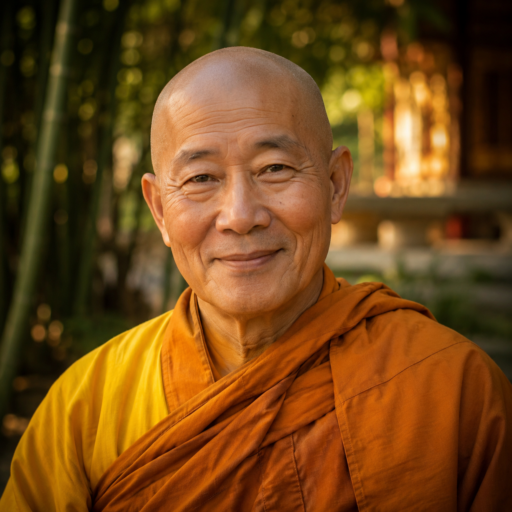
This article will offer 7 simple yet profound practices for calming a racing mind, drawing from Master Anshin’s own daily routine and experiences. By incorporating these habits into your life, you can begin to quiet the constant chatter of the mind and tune into the wisdom of your body. Through gentle stretches, mindful breathing, and other everyday activities, you’ll learn to find peace in the midst of chaos.
Morning Stillness
Morning Stillness
Before the first word of the day, sit quietly in stillness. This is not meditation, nor is it a specific technique. It is simply being present, without thought or distraction. The wind that forgets to sit down stirs within you, and this moment is an invitation to pause.
Find a place where you can sit comfortably for at least five minutes. Your back against the wall, your feet planted firmly on the ground, or perched on a cushion on the floor it matters little. What is important is that you are not moving, not thinking, but simply being. The body has not yet realized the forest is gone; the trees have not yet awakened from their slumber.
In this quiet space, allow your breath to become your anchor. Focus on the sensation of the air moving in and out of your body, without trying to control it or change it. Simply observe, and let go. This is where the day begins, not with a word or an action, but with a sense of stillness that seeps into every cell of your being.
Breath Awareness
Breath Awareness is a practice that can be done anywhere, at any time. It begins before the first word of the day, when you are still waking up and your mind is quiet. Sit comfortably, close your eyes, and focus on the sensation of the breath moving in and out of your body. Feel the texture of the air as it enters and leaves your nostrils.
Notice the rhythm of the breath, how it rises and falls with a gentle pattern. Try to let go of any thoughts or distractions, simply observing the movement of the breath. You can place one hand on your belly and the other on your chest to help you feel the rise and fall of the diaphragm. As you sit, allow yourself to settle into the present moment.
As you practice Breath Awareness, remember that it is not about achieving a specific state or stopping your thoughts completely. It is simply about being aware of the breath, allowing it to guide you back to the present moment whenever your mind begins to wander. The body has not yet realized the forest is gone; it is still rooted in the earth, waiting for the wind that forgets to sit down to stir its roots again.
Body Scan Meditation
Body Scan Meditation
As you sit comfortably with your eyes closed, bring your attention to the crown of your head. Notice any sensations, feelings, or thoughts without judgment. As you exhale, allow any tension or discomfort in this area to release. Move your awareness down through your face, neck, and shoulders, releasing any remaining tension with each breath.
Continue scanning your body, bringing your focus to your chest, abdomen, lower back, hips, legs, and finally your toes. With each exhalation, imagine any stored energy or stress leaving your body. Don’t try to force relaxation or change anything; simply allow the release of tension as it arises.
The goal of this practice is not to achieve a specific state but to cultivate awareness of the present moment. As you scan your body, remember that the wind that forgets to sit down is always in motion, yet can come to rest. Allow yourself to settle into this same gentle awareness, and when you’re ready, slowly open your eyes, carrying this sense of calm with you into your day.
Walking in Stillness
Walking in Stillness
As you step forward, allow your feet to be the anchor. Take slow, deliberate steps while focusing on the sensation of each footstep. Feel the weight of your body distributing evenly onto both feet, the gentle give of the earth supporting you. With each step, release any tension or distraction, allowing yourself to settle further into the present moment.
Notice how your breath synchronizes with the rhythm of your footsteps. The in-breath and out-breath become a steady beat, a reminder that life is unfolding in real-time. As you walk, bring awareness to the sensation of each step, the movement of your legs, hips, and arms. Allow yourself to settle into this gentle pace, letting go of any urge to speed up or slow down.
In stillness, the mind begins to quiet. The thoughts that normally swirl around you worries, distractions, mental chatter begin to recede as you focus on the sensation of each step. Your body becomes a vessel for the present moment, allowing you to walk in harmony with the world around you.
Evening Reflection
As evening falls, take a moment to sit in stillness before the first word of the day is spoken. This quiet reflection can help you let go of what no longer serves and prepare for the calm that lies within.
In this peaceful state, recall the events of the day, acknowledging what brought you joy and what caused stress. Allow yourself to release any tension or anxiety, like autumn leaves surrendering to the wind. Be gentle with yourself, remembering that it is okay to not be okay.
As you settle into your evening routine, take a deep breath and ask: What am I holding onto? Is there something from the day that still feels heavy in my heart or mind? Allow this inquiry to guide you towards letting go of what no longer serves.
Gentle Movement
As you begin your day, take a few moments to move your body in a gentle way. It is not necessary to push yourself or force your muscles beyond their limits. Instead, allow your body to unfold like a lotus flower, opening slowly and naturally. You can start with simple movements such as neck stretches, shoulder rolls, or wrist circles.
As you engage in this gentle movement, bring your attention to the sensation of each breath. Notice how the air moves in and out of your body, and allow yourself to settle into the present moment. The goal is not to achieve a specific state, but rather to cultivate awareness and calmness in the midst of activity. Remember that it is the wind that forgets to sit down, and so too can you learn to move with ease and fluidity.
Your body has not yet realized the forest is gone, meaning that it still trusts its innate sense of balance and harmony. Trust this trust by allowing yourself to move without forcing or striving. Instead, allow your movements to be guided by a sense of curiosity and openness. As you cultivate this gentle awareness, you will begin to feel more grounded and centered in your daily life.
Mindful Eating
Mindful Eating
Before eating, take a deep breath in and out, feeling the air fill and empty your lungs. This simple act helps calm the mind, allowing you to approach the meal with clarity. As you sit down to eat, notice the sensations in your body, from the weight of your seat on the chair to the sensation of your feet touching the ground.
Eat slowly and intentionally, savoring each bite. Pay attention to the colors, textures, and smells of your food. Notice how the flavors dance on your tongue. Chew thoroughly, allowing the food to release its essence into your being. As you eat, bring awareness to the present moment, letting go of thoughts about the past or future.
The body has not yet realized the forest is gone. In this sense, eating becomes a meditation in itself. By slowing down and paying attention to each bite, you connect with the world around you, finding peace in the simplicity of the everyday act of nourishment.
Quick answers
- QWhat if my mind is still racing after trying these practices?
- AIf your mind remains restless, try returning to before the first word of the day, when thoughts have not yet taken hold. Sit in silence and let the stillness settle like a quiet pool on a summer’s day. The body has not yet realized the forest is gone; only when it does will you know peace has arrived.
- QCan I adapt these practices for busy days?
- AYes, you can adapt these practices to fit your busy schedule. Simply take one or two minutes before starting your day to breathe deeply and notice the sensation of your feet touching the ground. You can also incorporate mindful walking or stretching into your daily routine, even if it’s just a few seconds while waiting for the elevator or during a short break at work.
- QAre these practices specific to Eastern wisdom?
- AThese practices are rooted in Eastern wisdom, but they can be applied by anyone seeking calm. They draw from Buddhist and Taoist traditions, yet their essence is universal and accessible to all who cultivate awareness and presence. Their simplicity lies in being grounded in everyday experience, not bound by specific creed or dogma.
Begin the practice tomorrow morning.
Drop your email below and receive 7 Rituals for Inner Calm, the small booklet I give every new student in their first week. One ritual a morning. By Sunday evening the noise will have gentled.
Free PDF. No subscription. One-click unsubscribe in every email.
Important notice. This article is for informational and educational purposes only. It is not medical advice, a diagnosis, or treatment. Consult a licensed healthcare professional before making significant changes to your sleep, diet, exercise or wellness routine.
Leave a Reply