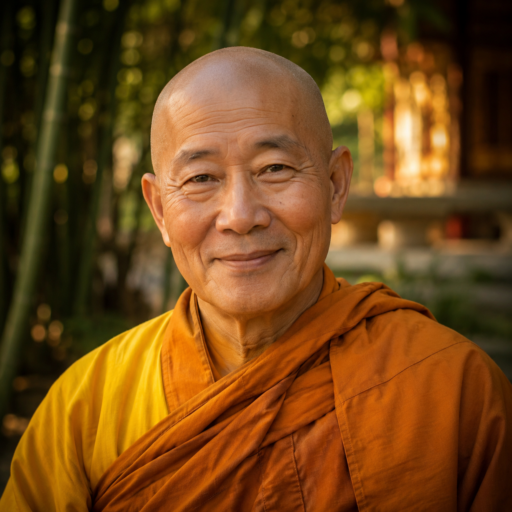
_*A young monk once sat for hours, staring at his hands in dismay. His father’s passing had left him feeling lost and ungrounded, and he couldn’t shake the sense that his entire world was crumbling.*_
In our modern lives, we often associate pain and discomfort with our physical bodies. We may seek relief through medication or therapy, but what if the solution to healing a hurting heart lies not in the mind, but in the body? Why posture can heal a hurting heart is a simple yet profound exploration of the interconnectedness between our physical and emotional well-being. By examining the relationship between posture, breath, and the nervous system, we can discover how even small adjustments to our daily habits can have a profound impact on our overall health and sense of well-being.
The Wind That Forgets to Sit Down
The Wind That Forgets to Sit Down
When we feel the weight of our emotions, our posture often reflects that feeling. We may slouch or hunch over, as if the burden is too much for our shoulders to bear. Our body becomes a physical manifestation of our inner state, and by changing it, we can begin to shift our emotional landscape.
Consider the wind that forgets to sit down it blows effortlessly, unencumbered by the weight of its own movement. It dances across the land, shaping and molding the world around it without resistance. Similarly, when we adopt a more expansive and open posture, we can begin to feel the ease and freedom that comes from releasing our emotional burdens.
By cultivating a sense of awareness in our body, we can start to recognize how our posture is influencing our mood and emotions. We may notice that when we slouch or hunch over, we feel more anxious or stressed but when we stand tall and open, we feel more centered and at peace.
Before the First Word of the Day
Before the First Word of the Day
The day begins, and yet it has not truly begun. The mind stirs, still heavy from the night’s restlessness. We try to shake off the sleep, to awaken our bodies and minds for the tasks ahead. But what if we were to pause, just for a moment, before the first word of the day? What if we were to take a few deep breaths, feel the weight of our bodies on the earth, and allow ourselves to settle into stillness?
In this quiet moment, we can begin to sense the posture that has been holding us. The tension in our shoulders, the curling of our spines, the way our feet are rooted or scattered across the floor. These physical habits reflect the emotional and mental states we carry with us. By acknowledging them, we can start to release some of the burdens that weigh upon us.
As we settle into stillness, we begin to feel the wind that forgets to sit down the gentle, insistent pressure of our breath on the skin of our bodies. This is where the healing begins, not with grand gestures or dramatic changes, but with small, incremental shifts in our awareness and our physical presence. Our posture can become a refuge for our hearts and minds, a place to find solace and peace before we embark on the day’s journey.
The Body Has Not Yet Realized the Forest is Gone
The Body Has Not Yet Realized the Forest is Gone
When we sit or stand, our bodies are constantly communicating with us. We feel tension in our shoulders, a heaviness in our chest, or a numbness in our legs. These physical sensations often arise from unconscious patterns of posture, which can be both a source and a symptom of emotional pain. A good posture is not just about straightening your back, but also about allowing the body to relax and release tension.
To begin to heal a hurting heart and mind‘s burden through posture, pay attention to these physical sensations in your body. Notice where you hold yourself tight or where you allow yourself to sink into relaxation. Allow your body to inform your actions, rather than trying to force a specific outcome. As you sit or stand, take a deep breath in and notice how your body responds. Does it feel more open or closed? More relaxed or tense?
In this space of awareness, you can begin to make small adjustments to your posture. Allow your shoulders to roll down and away from your ears, rather than scrunching them up towards your head. Feel the weight of your feet on the ground, rather than leaning forward or backward. As you make these subtle shifts, allow yourself to settle into a sense of calm and relaxation. The body has not yet realized the forest is gone; it is only in this awareness that we can begin to heal and restore ourselves.
Monk Practice and Posture
In our daily lives, we often find ourselves lost in the turmoil of thoughts and emotions, neglecting the simple act of standing tall. Posture is not just a physical alignment, but a reflection of our inner state. When we slouch or hunch over, it’s as if our body is mirroring the weight of our mental burdens. By cultivating good posture, we begin to release that weight and allow ourselves to breathe more freely.
Monk practice and posture have been intertwined for centuries. In traditional monastic traditions, seated meditation is a common practice that helps cultivate good posture as a habit. The simple act of sitting with awareness can help us develop a sense of grounding and stability, allowing our minds to settle and our bodies to relax. As we sit, we become more attuned to the sensations in our body, including any areas of tension or discomfort.
By incorporating mindful posture into our daily routine, we begin to notice subtle shifts in our physical and emotional state. We start to feel more centered and balanced, as if the wind that forgets to sit down has finally come to rest within us. This is not a quick fix, but rather a gentle unfolding of awareness that allows us to return to ourselves with greater ease and compassion.
Daily Ritual of Stillness
Daily Ritual of Stillness
As you sit in stillness, notice how your body begins to settle into its own weight. The wind that forgets to sit down stirs within you, but instead of rustling leaves, it quiets the mind. Your breath becomes a gentle anchor, holding space for any tension or discomfort to release.
In this quiet space, pay attention to your posture. Notice how your body is already aligned in the direction you wish to move towards. The path is already inside of you; you are not separate from where you want to be. As you breathe in, imagine fresh air filling any areas of tightness or strain, allowing your spine to lengthen and your shoulders to relax.
Regular stillness practice becomes a daily ritual that weaves into the fabric of your being. It is not about achieving a specific state, but rather about acknowledging and honoring the present moment. As you cultivate this sense of stillness, you begin to notice its impact on your posture and inner state. Your body begins to heal, and with it, so do any wounds that have been holding you back.
The Path is Already Inside You
The Path is Already Inside You
When you sit, stand, or move with awareness, your body begins to remember its own wisdom. It knows how to align itself in space, how to distribute weight evenly, and how to release tension. This is not just about physical alignment, but also about listening to the subtle cues of your inner world. As you settle into a posture that feels grounded and expansive, you may start to notice a shift within yourself.
This shift can be subtle at first, like the quiet rustle of leaves in a forest breeze. It’s only when we slow down enough to listen that we begin to hear the whispers of our own heart and mind. The body begins to communicate with us in its own way, sending signals about areas of tension or discomfort. By paying attention to these cues, you can start to release patterns of holding or strain that have been weighing on your heart and mind.
As you cultivate awareness in your posture, remember that the path is not something you need to find outside of yourself. It’s already inside of you, waiting to be uncovered. Trust that you have the ability to align your body with your inner wisdom and find healing through posture. With each breath, allow yourself to settle deeper into this truth, and let the gentle guidance of your own body lead you home.
Eastern Wisdom on Posture
Eastern Wisdom on Posture
In traditional Eastern practices, tai chi and qigong emphasize the importance of good posture for physical and spiritual well-being. This is not just about maintaining balance or preventing injury; it’s about cultivating awareness and harmony within the body. When we adopt a relaxed yet engaged posture, we begin to tune into our internal dynamics, allowing us to sense any areas of tension or imbalance.
As we practice tai chi or qigong, paying attention to our posture becomes an exercise in mindfulness. We learn to listen to our bodies, to feel the weight and alignment of our bones, and to respond with gentle yet firm adjustments. This attention to posture also translates to other aspects of daily life, helping us navigate challenges with greater ease and clarity.
The key is not to try to achieve a rigid or perfect posture, but rather to cultivate a sense of effortless alignment that allows the body to function optimally. By embracing this quality, we begin to heal the wounds of our past whether physical, emotional, or mental and find peace in the present moment. The body has not yet realized the forest is gone; it’s up to us to listen to its whispers and allow ourselves to rest in stillness.
Quick answers
- QHow can I start incorporating stillness practice into my daily routine?
- ABegin with small moments of stillness before your day begins, take a few deep breaths in silence. When you feel the weight of your heart and mind, pause and notice how your body holds space for that feeling. Take slow, gentle movements to release tension, allowing your body to settle into its own natural alignment. In this quiet, listen for the path within you, and find your way forward.
- QWhat if I have chronic pain or discomfort that prevents me from sitting comfortably?
- AIf you find it difficult to sit comfortably, try using a chair with good lumbar support or even sit on a cushion on the floor. The body will naturally adjust to this new position, allowing your heart and mind to begin to release tension. Before sitting, take a few deep breaths and notice how your body feels without discomfort, allowing yourself to settle into stillness.
- QCan good posture really heal a hurting heart?
- AGood posture can be a powerful ally in healing emotional pain, as it allows the body to release tension and relax into its natural state of balance. When we slouch or hunch, our energy is trapped, making it harder for us to breathe and feel calm. By straightening our spine and engaging our core, we can begin to unwind emotional knots and quiet the mind, allowing ourselves to heal and renew from within.
Begin the practice tomorrow morning.
Drop your email below and receive 7 Rituals for Inner Calm, the small booklet I give every new student in their first week. One ritual a morning. By Sunday evening the noise will have gentled.
Free PDF. No subscription. One-click unsubscribe in every email.
Important notice. This article is for informational and educational purposes only. It is not medical advice, a diagnosis, or treatment. Consult a licensed healthcare professional before making significant changes to your sleep, diet, exercise or wellness routine.
Leave a Reply