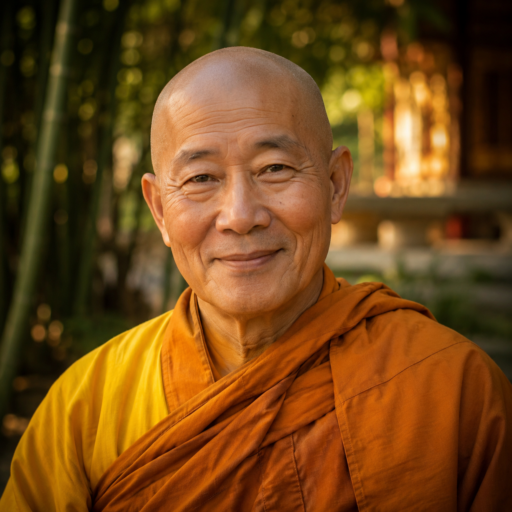
_*I remember a young student who came to me seeking relief from chronic pain. He had been practicing for years, but still struggled with stiffness and discomfort in his body. I asked him if he had ever noticed the wind that forgets to breathe, how it moves effortlessly through the trees without pause or hesitation.*_
The Wind That Forgets to Breathe will explore a simple yet profound practice that can help you cultivate greater ease and flexibility in your daily life. This practice is not about achieving a specific state or feeling a certain way, but rather about acknowledging and accepting the present moment just as it is. By bringing awareness to your breath and body, you can begin to let go of tension and resistance, allowing yourself to move more freely and naturally. Through this practice, you may find that your body begins to feel lighter, stronger, and more at peace, like the gentle rustle of leaves in a summer breeze.
Emptiness in Action
Emptiness in Action
As you go about your day, find a task that requires focus. Washing dishes or walking are good examples. The mind is already restless, but the body can be still. Imagine the wind that forgets to breathe – it blows effortlessly, without thought or distraction.
Observe how your breath becomes more shallow and quickened when you’re focused on the task at hand. This is a sign that the mind is trying to control the pace of life. But what if you could let go of this need for control? What if you allowed yourself to move with the same ease as the wind?
As you continue, pay attention to the sensations in your body. Notice where tension or relaxation resides. Allow these sensations to guide you, rather than trying to force a specific outcome. The task will still be done, but now it’s a means to cultivate awareness and stillness – not an end in itself.
Before the First Word
Before the First Word
The day begins, yet you are not yet awake. You sit, and your breath is calm. The world outside waits, but you do not feel its presence. Your mind is empty, like a still pond on a windless day.
You focus on your breath, feeling the sensation of air moving in and out of your body. The wind that forgets to breathe is always present, yet it is often unnoticed. As you sit, allow this wind to settle within you. Feel its gentle caress, its soothing presence.
Your task begins, but do not engage with it just yet. Simply observe the sensation of your fingers on the keyboard, the feel of the chair beneath you. The world will wait; your attention is needed now.
The Body Has Not Yet Realized
The Body Has Not Yet Realized
As you go about your day, pay attention to the physical sensations in your body. Notice how your muscles engage and release as you move through tasks. The way your feet touch the ground, the gentle pressure of your hands on a surface, these are all areas where tension or relaxation can be felt.
Tension often arises from trying to control or push against something. In daily activities, this might mean gripping a steering wheel too tightly while driving, or tensing up when waiting in line. Recognize these patterns and allow yourself to relax into them. The wind that forgets to breathe is not struggling to move forward; it simply flows with the current.
In the midst of daily tasks, take small moments to pause and observe your body’s sensations. Feel the weight of your arms as you lift a cup, or the gentle pressure of your feet on the ground. By tuning into these physical cues, you can begin to cultivate a sense of stillness that permeates even the most mundane activities.
Finding Space in Between
Finding Space in Between
As you move through your day, notice the spaces between breaths, steps, and actions. These moments can become opportunities for quiet reflection. The wind that forgets to sit down is always moving, yet it finds stillness in its gentle rustling of leaves.
In the midst of tasks, pause before each new action. Take a moment to acknowledge your body’s presence, rather than rushing forward without awareness. This subtle shift can help you tap into your inner world, where stillness and calm reside.
The spaces between breaths are particularly significant. As you inhale, feel the air fill your lungs; as you exhale, allow any tension or stress to release. In this quiet pause, listen for the whispers of your body’s needs, and respond with gentle attention.
A Stillness Practice
A Stillness Practice
Set aside time each day to sit quietly, focusing on your breath or a simple phrase. This daily sitting practice allows stillness to settle within you, like the gentle hush of a forest at dawn.
Find a comfortable seated position, with back straight and feet planted firmly on the ground. Close your eyes and take a few deep breaths, feeling the air fill your lungs and then release. As you exhale, allow any tension or thoughts to slowly drift away, leaving space for stillness to enter.
Begin to focus on the sensation of your breath, feeling the rise and fall of your chest or belly as you inhale and exhale. If a thought arises, gently acknowledge it and let it pass, returning your attention to the breath. As you sit, allow the wind that forgets to breathe its usual frantic pace, finding peace in the quiet calm of this daily stillness practice.
The Path is Already Inside You
The Path is Already Inside You
As you move through your daily tasks, notice how often you get caught up in the rhythm of activity. Your mind is like a restless bird, flitting from one thing to another without pause. But what if, instead of trying to calm the wind, you simply allowed it to be? What if you trusted that the wisdom and guidance you seek are already present within, waiting to be discovered through gentle attention and awareness?
Consider the way the wind stirs through the trees. It doesn’t try to sit down or still itself; it simply is, carrying the scent of leaves and branches on its breath. So too can we learn to be like this, allowing our own inner wisdom to guide us without resistance or effort. We don’t need to force a state of calm or tranquility; instead, we can learn to rest in the midst of activity.
In stillness, you may find that your tasks become less burdensome. You might notice the small things the way the light falls on a surface, the sound of a bird’s song and find joy in the simple moments of being present. This is not about achieving some distant state of inner peace; it’s simply about learning to be with what is, exactly as it is.
A Daily Ritual for Stillness
As you go about your day, remember that stillness is not something you find, but rather something you cultivate. It begins with small moments of pause. Take a few deep breaths before each meal, feeling the air fill and empty your lungs. Notice the sensation of your feet touching the ground, the weight of your body in the present moment.
In transitional moments when changing from one task to another, or leaving a space take a brief stillness practice. Sit comfortably, close your eyes, and focus on the sensation of your breath. Allow your mind to settle, like the wind that forgets to sit down, calm and unruffled. This simple pause can help you approach each new moment with clarity and intention.
As you incorporate these daily rituals into your routine, pay attention to how they affect your relationship with time. The body has not yet realized the forest is gone; it still responds to the rhythms of nature. By honoring this natural rhythm, you may find that your sense of urgency and stress begin to ease, like a gentle breeze on a summer’s day.
Embracing Impermanence
Embracing Impermanence
In the stillness of a quiet morning, before the first word of the day is spoken, we can begin to sense the impermanence of all things. The wind that forgets to sit down stirs, rustling leaves and carrying the whispers of yesterday’s thoughts away. It is in these moments that we are reminded that everything is constantly changing, that nothing remains static.
As we move through our daily tasks, we can cultivate stillness by embracing this impermanence. We do not try to hold onto anything; instead, we allow ourselves to be shaped by the present moment. The task at hand becomes the only thing that matters, and our attention is focused on the process rather than the end result.
In the midst of activity, it can be easy to forget that stillness is not something to be achieved, but rather a natural state that can be cultivated. We settle into the rhythm of our work, letting go of distractions and focusing on the task at hand. And as we do, we begin to find peace in the present moment, unencumbered by worries about the past or future.
Quick answers
- QHow do I find stillness when my mind feels restless?
- ABefore the first task of the day, take a few breaths and notice your body’s weight on the ground. As you begin to move, allow each action – every step, every gesture – to be a small invitation for stillness. The wind that forgets to sit down is already within you; find it in the simplicity of your daily tasks.
- QCan stillness practice hurt my relationships with others?
- AStillness is not about erasing your connection with others, but rather about being present in each moment. When you move through daily tasks with a clear and calm mind, you can interact with others more fully, without the distractions of your own thoughts. In this way, stillness can deepen your relationships by allowing you to see and engage with others more clearly.
- QIs stillness a spiritual concept?
- AStillness is not a separate concept, but rather a state that arises from being fully engaged with your daily tasks. When you focus on the task at hand, your mind quiets and you become more aware of your breath and body. In this way, stillness is not something you find, but rather it reveals itself as you go about your day.
Begin the practice tomorrow morning.
Drop your email below and receive 7 Rituals for Inner Calm, the small booklet I give every new student in their first week. One ritual a morning. By Sunday evening the noise will have gentled.
Free PDF. No subscription. One-click unsubscribe in every email.
Important notice. This article is for informational and educational purposes only. It is not medical advice, a diagnosis, or treatment. Consult a licensed healthcare professional before making significant changes to your sleep, diet, exercise or wellness routine.