Tag: stillness

  • 7 Practices for Quieting a Racing Mind in Daily Life

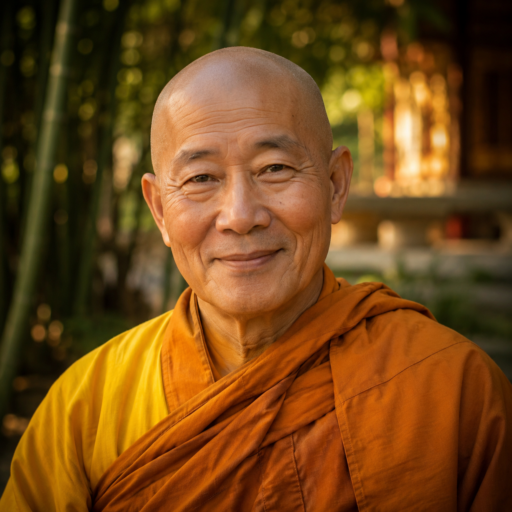
    Master Anshin

    Teachings of Master Anshin
    Master Anshin 慧
    Stillness teacher. 40 years in silence, now sharing what was learned.

    _*A young monk sat by the river, watching the water’s edge. He noticed how the ripples from a thrown stone slowly vanished, leaving behind only the faintest impression of movement. It was as if the water had forgotten its past, and in that moment, he felt his own mind begin to let go.*_

    When our minds are racing, it can be difficult to know where to start. We may feel like we’re drowning in thoughts, emotions, or worries, with no clear way to calm the storm. This article offers 7 simple practices for quieting a racing mind, drawing from Master Anshin’s own experience and guidance. By incorporating these daily habits into your routine, you can begin to notice a shift in your mental state, allowing you to approach challenges with greater clarity and inner peace.

    Before the First Word of the Day

    Before the first word of the day, sit quietly in stillness. Find a place where you can be alone, yet not too far from your home. It does not matter how long it takes to find such a spot; the goal is not to prolong the practice but to make it a habit. Take a few deep breaths and allow your body to relax, letting go of any tension or stress from the previous day.

    As you sit in stillness, bring your attention to your breath. Focus on the sensation of the air moving in and out of your body, without trying to control it or change it. The wind that forgets to sit down is always present; observe its gentle caress on your skin. Allow yourself to settle into this quiet space, letting go of any thoughts or distractions.

    Your stillness practice can be as short as 5 minutes or as long as you like, but the key is consistency. Make it a part of your daily routine, so that when the day begins, you are already in a calmer state of mind. This will allow you to approach each task with clarity and focus, rather than being driven by anxiety or impatience.

    The Power of Movement

    The Power of Movement

    In the stillness of morning, before the first word of the day, find your breath and your feet on the earth. Begin with simple movements that awaken the body, like tai chi or qigong. These practices are not about achieving a specific state, but rather about cultivating awareness in every step. As you move, allow your attention to settle into the sensation of each breath and the weight of your body.

    As you practice, notice how your mind responds to the gentle flow of movement. Does it begin to calm, or does it stir up thoughts and worries? Allow yourself to observe these patterns without judgment, simply acknowledging them as they arise. Remember that the goal is not to stop the thoughts, but to learn to observe them from a place of calm.

    Incorporating physical activity into your daily routine can be a powerful tool for quieting a racing mind. By tuning into the sensations in your body and cultivating awareness with each movement, you can begin to feel more grounded and centered. This is not about achieving a specific state, but rather about developing a greater sense of connection between your body and your breath.

    Mindful Breathing

    Mindful Breathing

    Eastern Wisdom Vol. I
    The Quiet Path
    The full e-book that goes deeper than any single article ever could. 40 years of practice condensed into small daily shifts you can begin tonight.

    Get instant access  →  $12

    Instant PDF  ·  30-day money-back  ·  No subscription

    When you sit in stillness, your breath is the first thing to return. It is the anchor that holds the mind, a steady point from which to begin. To practice mindful breathing, set aside time each day to focus on your breath. Start before the first word of the day, when the world outside is quiet and still. Find a comfortable seated position, close your eyes, and bring your attention to the sensation of the breath moving in and out of the body.

    As you breathe, notice the thoughts that arise without judgment. The wind that forgets to sit down will come and go, but do not become entangled with its whispers. Instead, gently guide your focus back to the breath. When the mind wanders, as it inevitably will, do not try to force it back onto the breath. Simply acknowledge the distraction and return to the sensation of the breath in the body.

    The goal of mindful breathing is not to achieve a specific state or stop the thoughts completely, but rather to learn to observe them with kindness and curiosity. The body has not yet realized the forest is gone; it still feels the earth beneath it and the sun on its skin. Similarly, your mind can learn to settle into the present moment, even in the midst of chaos. With regular practice, you will begin to feel more grounded and centered, better equipped to navigate the challenges of daily life.

    The Body Knows

    The Body Knows

    When we try to quiet our racing minds, we often turn inward, focusing on thoughts and emotions that are already present. But what if we listened more closely to the sensations in our bodies? What if we allowed ourselves to be guided by the subtle whispers of tension and relaxation?

    As you sit or stand, bring your attention to the sensation of your feet touching the ground. Notice the weight, the pressure, the gentle give of the earth beneath you. Allow your body to settle into this foundation, letting go of any sense of resistance or tension. The wind that forgets to sit down can be a powerful teacher here – it doesn’t try to control its movements, it simply allows itself to flow.

    Notice how your breath moves in and out of your body. Is there any area of tension or holding? Allow these sensations to arise without judgment, simply observing them as they pass through. The body has not yet realized the forest is gone; it’s still connected to the natural world, even if our minds have wandered far from its rhythms.

    Nature Connection

    Spend time in nature, allowing the peacefulness of the environment to settle within you. Take a walk outside before the first word of the day. Feel the weight of your feet touching the earth, the breeze on your skin, and the sounds around you. Do not try to control or manipulate this experience; simply allow it to be.

    As you breathe in the fresh air, notice the sensation of the breath moving in and out of your body. The wind that forgets to sit down carries the scent of trees and grasses, reminding you that even in stillness, life is always present. Allow yourself to settle into this quiet, letting go of any thoughts or worries that may be racing through your mind.

    The forest has not yet realized its boundaries; it simply exists, a vast expanse of green and brown that stretches out before you. The path is already inside of you, waiting to be discovered. Take a moment to listen to the sounds around you, to feel the texture of the air on your skin, and to breathe in the peace of this natural world.

    The Path is Already Inside You

    The path is already inside of you, waiting to be walked. In the midst of chaos, take a moment before the first word of the day to breathe into your body. Feel the weight of your seat on the ground, the sensation of your feet touching the earth. This simple act can calm the mind and center you for the day ahead.

    As you move through your daily routine, pay attention to the thoughts that arise in your mind. Do not try to push them away or engage with them fully; simply observe them as they pass by. Notice how quickly they come and go, like the wind that forgets to sit down. With time and practice, you will learn to quiet the constant chatter and listen for a deeper wisdom.

    In stillness, trust in your inner guidance. The body has not yet realized the forest is gone; it remains connected to its natural rhythms. Your inner wisdom knows the way forward, even when the mind is clouded with doubt or uncertainty. Trust this wisdom, and you will find that it guides you through life’s challenges with greater ease and clarity.

    Letting Go of Attachment

    Letting Go of Attachment

    The wind that forgets to sit down is constantly in motion, never still for a moment. It carries the scent of blooming flowers and the sound of leaves rustling against its surface. We too can be like this wind, always moving, always striving for something more. But what happens when we attach ourselves too tightly to our goals? We become stagnant, unable to rest in the present moment.

    Before the first word of the day, take a few deep breaths and ask yourself: “What is it that I truly desire?” Do not think of specific outcomes, but rather the underlying sense of wanting. What is it that stirs your heart and soul? Allow this question to settle within you, and then let go of any attachments to what you think will bring you satisfaction.

    The body has not yet realized the forest is gone, and neither have we. We cling to our desires, our fears, our expectations all of which are ephemeral and constantly shifting. Practice releasing attachment to these things, allowing them to unfold as they should. In doing so, you may find that your mind quiets, like a still pond reflecting the beauty of the world around it.

    Cultivating Gratitude

    Cultivating Gratitude

    As you begin each day, take a moment to sit quietly before your first word. Close your eyes and breathe in the stillness of the present moment. Notice the sensation of your feet touching the ground, the sound of your breath, and the feeling of your body in space. Then, bring to mind three things that you are grateful for from the previous day. They can be as simple as a good cup of tea, a beautiful sunset, or a kind word from a friend.

    As you reflect on these things, allow yourself to feel a sense of appreciation and contentment. Notice how your body responds to this feeling, allowing it to settle into your bones and warm your heart. The wind that forgets to sit down may be blowing through your life, but in this moment, you are anchored in the stillness of gratitude.

    As you cultivate gratitude, you begin to see the world with fresh eyes. The things that once seemed insignificant or burdensome now shine with a new light. You start to notice the beauty in the everyday moments and the kindness in the people around you. This is the path that already lies within you, waiting to be discovered.

    Frequently asked questions

    Quick answers

    QHow do I incorporate stillness into my busy schedule?
    AIncorporating stillness into your busy schedule requires intention and simplicity. Start by setting aside just five minutes each morning, before the first word of the day, to breathe deeply and listen to the quiet within you. As you move through your day, take a few mindful breaths whenever your mind begins to wander, reminding yourself that the body has not yet realized the forest is gone.
    QWhat if I feel anxious or restless during a stillness practice?
    AIf you feel anxious or restless during a stillness practice, breathe into that feeling without judgment. Allow yourself to settle with the sensation of your breath moving through the body, and gently bring your attention back to the present moment. Remember, restlessness is not something to be overcome, but rather an opportunity to explore and understand it further.
    QCan these practices be adapted for those with physical limitations?
    AYes, these practices can be adapted for those with physical limitations. For example, seated meditation can become a gentle rocking motion or a slow breath focus while sitting on a chair or couch; walking meditation can involve paying attention to each step and weight transfer without needing to walk far; and body scan can be done while lying down or in bed, focusing on the sensations of relaxation spreading through the body.
    A small gift for the noisy days

    Begin the practice tomorrow morning.

    Drop your email below and receive 7 Rituals for Inner Calm, the small booklet I give every new student in their first week. One ritual a morning. By Sunday evening the noise will have gentled.

    Free PDF. No subscription. One-click unsubscribe in every email.

    Begin your quiet path today
    If your heart is craving peace
    this is where it begins.
    Read at your own pace. Start tonight. The path is already inside of you.

    Get instant access  →  $12

    Instant download  ·  30-day guarantee  ·  Free bonus: 7 Rituals for Inner Calm
    Master Anshin: a serene landscape with misty mountains and a winding path leading to a tranquil lake

    About the author. Master Anshin has spent more than four decades in the bamboo groves and mountain temples of the East, studying breath, herbs, rhythm and rest. He is the author of The Quiet Path and writes plainly about practices anyone can begin tonight.

    Important notice. This article is for informational and educational purposes only. It is not medical advice, a diagnosis, or treatment. Consult a licensed healthcare professional before making significant changes to your sleep, diet, exercise or wellness routine.


  • Before the First Word of the Day, A Different Path Unfolds

    Master Anshin

    Teachings of Master Anshin
    Master Anshin 慧
    Stillness teacher. 40 years in silence, now sharing what was learned.

    _A small monk once sat beside a river, watching as a leaf floated downstream without a care in the world. It did not cling to its branch or worry about where it would end up; it simply surrendered to the current._

    As we begin each day, we often find ourselves caught in the same patterns of thought and action that have become familiar. We wake, we reach for our phone, we start our workday without much consideration for what lies ahead. But before the first word of the day is spoken, a different path unfolds. In this quiet moment, before the distractions and obligations take hold, we can catch a glimpse of the possibilities that await us. This article will explore the ways in which we can awaken to these possibilities, and begin our days with a sense of intention and clarity.

    Why This Practice Matters

    In the stillness of our monastery’s morning hours, I often find myself observing the way the monks and I move through the day. It is a gentle unfolding, like the petals of a flower opening to greet the sun. We begin not at the crack of dawn, nor with some grand gesture, but rather before the first word of the day has even been spoken. It is in this quiet, formless space that we may discover a different path unfolding.

    This pause, this stillness, it is where the body and mind come to rest. The world outside recedes, and for a moment, all that remains is the breath, the sensation of the earth beneath our feet, and the quiet hum of our own heartbeat. It is here that we may listen to the whispers of our own inner wisdom, untainted by the distractions of the day.

    In this space, before the first word of the day has been spoken, we may find a sense of clarity, a sense of purpose that arises not from external expectations, but from within ourselves. The path is already inside of you, waiting to be discovered; it is only when we take the time to listen, to stillness and to breath, that we may come to understand its gentle unfolding.

    What the Body Already Knows

    Before the First Word of the Day, A Different Path Unfolds

    What the Body Already Knows

    As you awaken to the day ahead, notice the sensation in your body. The weight of slumber has been lifted, yet a gentle heaviness remains. Your muscles are relaxed, but slightly tense, as if the morning light is still trying to seep into the shadows. This subtle discomfort is not anxiety or worry; it is simply the body’s recognition that something has shifted.

    This sensation is often referred to as ” morning tension” or “morning stiffness.” It is a physical manifestation of the transition from rest to activity, a gentle reminder that your body needs time to adjust and prepare for the day ahead. Allow yourself to settle into this feeling, rather than pushing against it. The body knows that the morning tension will dissipate as you begin to move and engage with the world.

    As you sit in stillness, notice how the sensation in your body is not a fixed point, but rather a dynamic process. It ebbs and flows, responding to the gentle stirrings of your nervous system. Allow yourself to be held by this sensation, to rest in its gentle pressure, and to trust that it will guide you on your path ahead.

    The Teaching

    The teaching begins at the threshold of dawn, when the world is still and the mind is quiet. It is here that we find ourselves on the cusp of a new day, yet before the first word of the day has spoken its truth, a different path unfolds.

    Eastern Wisdom Vol. I
    The Quiet Path
    The full e-book that goes deeper than any single article ever could. 40 years of practice condensed into small daily shifts you can begin tonight.

    Get instant access  →  $12

    Instant PDF  ·  30-day money-back  ·  No subscription

    To begin this practice, sit in stillness for three minutes, eyes closed, focusing on your breath. As you inhale and exhale, allow any tension or thoughts to pass through without attachment. When your mind begins to wander, gently bring your attention back to the sensation of the breath moving in and out of the body.

    In this brief moment, before the day’s words have shaped our thoughts, we can choose how we wish to approach the world. We can cultivate a sense of curiosity, openness, and receptivity, or we can allow ourselves to be carried by the currents of habit and expectation. The path is already inside of you; it is up to you to listen to its gentle whisper.

    How To Begin Tonight

    As you settle into your evening routine, consider taking a moment to pause before the first word of the day. This subtle shift in awareness can be a powerful catalyst for change. Before the first word of the day, the mind is still, and the body is receptive. It is an opportunity to set intentions, rather than simply reacting to circumstances.

    To begin tonight, take a few deep breaths as you wake from your day’s rest. Notice the sensation of your feet touching the ground, the weight of your body in its space. Allow yourself to settle into this moment, without trying to rush or control it. Alternatively, try writing down three things you are grateful for before beginning your daily tasks. This simple act can help shift your focus from what is lacking to what is already present.

    Another approach is to take a few moments to notice the sensations in your body. Starting with your toes and working your way up, bring awareness to each part of your physical form. Notice any areas of tension or relaxation. Allow yourself to settle into this awareness, rather than trying to push through or ignore it. By beginning in this way, you may find that the path unfolds before you in a different way, one that is more aligned with your true nature.

    Common Mistakes And Gentle Corrections

    Before the First Word of the Day, A Different Path Unfolds Common Mistakes And Gentle Corrections

    Many of us start our day with a sense of urgency, eager to tackle the tasks at hand and make progress on our goals. We rush out of bed, grab a cup of coffee, and dive into our work or daily routine without taking the time to pause and breathe. But what if we were to slow down just a little bit? What if we began each day with a sense of curiosity, rather than a sense of duty?

    One common mistake beginners make is trying to force their body into a state of alertness before they’re even awake. They might jump out of bed as soon as the alarm goes off, without taking the time to stretch or yawn. This can lead to feelings of stiffness and tension, which can be counterproductive to our goals. Instead, try taking a few deep breaths as soon as you wake up, feeling the air fill your lungs and then release.

    Another mistake is trying to cram all of our most important tasks into the first hour of the day. We might think that if we get everything done before lunchtime, we’ll have more time in the afternoon to relax. But this approach can lead to burnout and exhaustion. Instead, try leaving some space at the beginning of your day for simply being present. Take a few moments to notice how you’re feeling, what’s on your mind, and what you’re grateful for. This simple act of mindfulness can help set a positive tone for the rest of the day.

    What Will Change In A Week

    Before the First Word of the Day, A Different Path Unfolds

    In a week, you may find that your daily routine has shifted slightly. Perhaps you wake up 15 minutes earlier than usual and use those extra moments to breathe deeply, feeling the weight of your body on the earth. Or maybe you’ve started taking a different route to work, one that passes by a small park or a quiet neighborhood street.

    You might notice that the tasks you tackle in the morning have changed too. Instead of rushing through them, you’re doing them with more intention and attention. You’re savoring each step, rather than just going through the motions. This is not about making grand changes, but about cultivating awareness and presence in your daily life.

    As you settle into this new rhythm, you may find that your body has begun to listen more closely to its needs. Your posture improves, your movements become more fluid, and you feel a sense of ease that wasn’t there before. This is not a dramatic transformation, but rather a gentle unfolding of the path within you.

    A Closing Reflection

    A Closing Reflection

    As we come to the end of our journey together, I offer you one final thought. Before the first word of the day, a different path unfolds. It is easy to get caught up in the rhythm of routine, to follow the well-trodden paths that are familiar and comfortable. But what if we were to slow down just enough to notice the subtle shifts in our perspective? What if we were to listen for the whispers of our own hearts, rather than simply responding to the external world?

    The stillness before dawn is a time of great possibility. It is an invitation to awaken to the present moment, unencumbered by the weight of yesterday’s expectations or tomorrow’s obligations. In this quiet space, we can begin to untangle the threads of our own desires and intentions, and weave them into a tapestry that is uniquely our own.

    The path is already inside of you. Do not look for it outside; instead, listen to the gentle rustling of leaves within your own heart. It is there that you will find the wisdom to navigate life’s twists and turns with greater ease and clarity.

    Frequently asked questions

    Quick answers

    QHow long until I feel a difference from before the first word of?
    APatience is not about waiting for something to change within you, but rather being present with what already is. The subtle shifts in awareness and bodily ease will emerge as you settle into your daily practice, often unnoticed until they are deeply ingrained. This unfolding can take time, sometimes weeks or even months, depending on the depth of your commitment.
    QWhat if my mind keeps wandering?
    AIf your mind keeps wandering before the first word of the day, try not to force it into stillness. Instead, allow yourself to notice where your attention is drawn and gently bring your focus back to the breath. The goal is not to stop thoughts entirely, but to learn to observe them without getting caught up in their pull.
    QCan I do this if I have never meditated before?
    AYou can start with a simple inquiry into your body’s sensations and thoughts at dawn. Notice what arises without judgment, allowing yourself to settle into the present moment. This gentle exploration will unfold naturally, unencumbered by expectations or prior knowledge of meditation.
    QIs this safe to do every day?
    AYes, it is safe to begin with before the first word of the day as a daily practice. Start slowly and listen to your body; if discomfort arises, adjust or rest. Consistency is key, but so is awareness of your own needs.
    A small gift for the noisy days

    Begin the practice tomorrow morning.

    Drop your email below and receive 7 Rituals for Inner Calm, the small booklet I give every new student in their first week. One ritual a morning. By Sunday evening the noise will have gentled.

    Free PDF. No subscription. One-click unsubscribe in every email.

    Begin your quiet path today
    If your heart is craving peace
    this is where it begins.
    Read at your own pace. Start tonight. The path is already inside of you.

    Get instant access  →  $12

    Instant download  ·  30-day guarantee  ·  Free bonus: 7 Rituals for Inner Calm
    Master Anshin: a serene landscape with misty mountains and a winding path leading to a tranquil lake

    About the author. Master Anshin has spent more than four decades in the bamboo groves and mountain temples of the East, studying breath, herbs, rhythm and rest. He is the author of The Quiet Path and writes plainly about practices anyone can begin tonight.

    Important notice. This article is for informational and educational purposes only. It is not medical advice, a diagnosis, or treatment. Consult a licensed healthcare professional before making significant changes to your sleep, diet, exercise or wellness routine.


  • Waiting to Be Found: A Path Already Inside

    Master Anshin

    Teachings of Master Anshin
    Master Anshin 慧
    Stillness teacher. 40 years in silence, now sharing what was learned.

    *A young monk sat beside his abbot on a mountain peak, gazing out at the snow-capped range. The air was crisp and still, with a hint of wood smoke carried from a village below.*

    As I sit in silence, I feel the weight of waiting to be found. It is a sensation that has been present within me for years, yet remains elusive. Like a river flowing gently through the forest, it moves unseen, its depths unexplored. The body knows this feeling a sense of restlessness, a stirring in the belly but the mind struggles to grasp it. In stillness, I find myself drawn to the question: what is waiting to be found within me?

    The Wind That Forgets

    The Wind That Forgets

    As we begin, I invite you to sit still for a moment and let go of the idea that you need to achieve anything. This is not about accomplishment or progress; it’s about allowing yourself to be present. The wind that forgets to sit down doesn’t try to reach its destination; it simply flows.

    In this sense, waiting is not something we do to ourselves, but rather an opportunity for us to be found by our own nature. We often think of waiting as a passive state, but it’s also an active process of surrender and receptivity. The body has not yet realized the forest is gone; it simply exists in the present moment, unaware of the changes that have taken place.

    Before we start, take a deep breath and allow yourself to settle into this space. Let go of any tension or resistance. As you exhale, imagine any expectations or desires leaving your body. In this quiet, waiting space, we can begin to listen for the whispers of our own path.

    Daily Stillness Practice

    Waiting to Be Found: A Path Already Inside

    Daily Stillness Practice

    Take five minutes each morning to breathe deeply and focus on your body’s sensations. Sit comfortably, feet planted firmly on the ground, and bring your attention to the breath moving in and out of the body. Allow yourself to settle into stillness, like a leaf settling on a quiet pond.

    As you breathe, notice the sensation of your body touching the chair or floor. Feel the weight of your seat on the surface beneath it, the gentle pressure of your hands on your knees if you’ve placed them there. Notice any areas of tension or relaxation in your body, and allow those sensations to be acknowledged without judgment.

    In this quiet moment, ask yourself: what is waiting to be found within me? Is it a sense of calm, clarity, or perhaps something more subtle? Allow the question to settle into your awareness, like a gentle breeze on a summer day.

    The Forest Has Not Yet Disappeared

    The forest has not yet disappeared. It remains, even in the most familiar of places. Sometimes it is hidden beneath a layer of dust and routine, only to reveal itself when we take a step back or pause.

    Eastern Wisdom Vol. I
    The Quiet Path
    The full e-book that goes deeper than any single article ever could. 40 years of practice condensed into small daily shifts you can begin tonight.

    Get instant access  →  $12

    Instant PDF  ·  30-day money-back  ·  No subscription

    As you walk through your day, notice the thoughts that arise without judgment. Do not try to push them away or analyze them. Simply observe, allowing them to pass like clouds across the sky. Gently bring your mind back to the present moment, focusing on the sensation of your feet touching the ground.

    In this quiet attention, you may begin to sense a subtle shift within yourself. A stillness that settles beneath the surface of your awareness. This is not something to be achieved or cultivated; it is already present, waiting to be discovered.

    Listening to Your Body

    Listening to Your Body

    When you wait to be found, your body is often the first to reveal its state of being. Notice where tension or relaxation is in your body, and take care of it with kindness and awareness. Is there a knot in your stomach that feels like it’s been there for years? Perhaps it’s tied to a specific memory or emotion, holding onto it tightly. Take a deep breath, and allow yourself to feel the sensation of this tension. Can you imagine any other way to be?

    Look down at your feet, planted firmly on the ground. Feel the weight of your body distributed evenly, supported by the earth beneath you. Is there a place where you’re holding onto something that feels like it’s not quite right? Allow yourself to release it, just a little, and see what happens. The wind that forgets to sit down is always moving, ever-changing, yet it remains grounded in its essence.

    Before the first word of the day, take a moment to tune into your body’s unique rhythm. Notice where you’re holding onto patterns or habits that no longer serve you. Allow yourself to surrender to the present moment, and trust that the path ahead will unfold as needed. The body has not yet realized the forest is gone; it’s still rooted in its natural state, waiting for guidance from within.

    The Path Unfolds Within

    The wind that forgets to sit down stirs within you, rustling the leaves of your awareness. It is in these moments of quiet that the path unfolds within, revealing the contours of your own inner landscape.

    As you settle into stillness and attention, the world around you begins to blur, like a painting left out in the rain. The edges of reality soften, allowing the gentle current of your own being to come forward. It is here, in this quiet space, that the path within you begins to take shape.

    The body has not yet realized the forest is gone, but as you breathe, the trees of your own making begin to fade away. In their place, a different terrain emerges one of gentle hills and winding paths, where the only sound is the soft whisper of your own heartbeat.

    Embracing the Journey

    Waiting to Be Found: A Path Already Inside

    Embracing the Journey

    You are already on the path. The question is not whether you have arrived, but what you will do when you get there. Waiting to be found can feel like standing still, but it is actually a subtle movement inward. It is the body that knows this, long before your mind does. The wind that forgets to sit down, for example, is still moving, though its path may not be easily seen.

    Before the first word of the day, when the world outside is still quiet and dark, you have a chance to settle into yourself. Take a few deep breaths, feeling the air fill your lungs and then release. Notice the sensation of your feet touching the ground. The earth beneath you is solid and unchanging, yet it is also constantly shifting. This is the same with you you are always in motion, even when you feel like you’re not moving at all.

    The body has not yet realized the forest is gone, but that does not mean it is not aware of its presence. Your senses can pick up on subtle changes in your environment, even if your mind is still trying to wake up. Listen to the sounds around you are there birds chirping, or is it just silence? Feel the air on your skin is it cool and crisp, or warm and languid? These sensations can guide you deeper into yourself, even when you’re not actively doing anything.

    Finding Stillness in Movement

    As you move through your day, you may find that stillness is not something you can simply turn on or off. Instead, it is often hiding in plain sight, waiting to be discovered in the simplest acts of movement.

    Consider incorporating physical activity into your daily routine, such as a yoga practice or a walk outside. Notice how your body responds to these movements. Does tension release with each breath? Do you feel more grounded and centered?

    The key is not to try to achieve a state of stillness through movement alone, but rather to pay attention to how it affects your inner landscape. As you wait to be found in the midst of activity, allow yourself to settle into the present moment, just as the wind settles into its natural rhythm.

    The Body Knows What It Needs

    The Body Knows What It Needs

    When we wait to be found, it is often our bodies that remind us of what we need. The subtlest tension in our shoulders, the ache in our lower back, or the numbness in our extremities these physical sensations are not just random complaints; they hold a message from our body’s wisdom. It is as if the wind that forgets to sit down whispers to us, “Come back to me.

    We often try to ignore or distract ourselves from these physical cues, but our bodies know better. They remember the forest before it was ravaged by human hands, and they long for the serenity of nature’s presence. Our bodies crave balance and harmony, and when we listen to their whispers, we may find that we are already on a path that is unfolding within us.

    Before the first word of the day, take a moment to tune into your body’s needs. Notice where you feel tension or discomfort. Allow yourself to rest in those places, even if it means pausing the world outside. The stillness will reveal itself, and you may find that the path is already inside of you, waiting for you to trust its gentle guidance.

    Frequently asked questions

    Quick answers

    QWhat if I feel restless or impatient while waiting?
    ARestlessness and impatience are like leaves caught in a whirlwind, unable to settle. Before attempting to calm this unrest, take a moment before your day begins. Sit quietly, breathe deeply, and notice how your body is holding space for what it already knows: that the path is within you.
    QCan I use this practice in the midst of chaos?
    AIn chaos, you may feel like waiting is a luxury. Yet, it is precisely when the world spins fast that stillness can be found within. Listen to your body’s gentle hum, and sit before the first word of the day, even if just for a breath. The path is already inside you; trust its presence, and let it guide you through life’s turmoil.
    QHow long should I commit to this daily ritual?
    ACommit to your daily practice as long as you feel it is needed, not for a set amount of time. The path inside you will reveal itself in its own rhythm, and when it does, you will know. Do not wait for that moment to start; begin with the first breath of the day, and allow yourself to unfold into your true nature.
    A small gift for the noisy days

    Begin the practice tomorrow morning.

    Drop your email below and receive 7 Rituals for Inner Calm, the small booklet I give every new student in their first week. One ritual a morning. By Sunday evening the noise will have gentled.

    Free PDF. No subscription. One-click unsubscribe in every email.

    Begin your quiet path today
    If your heart is craving peace
    this is where it begins.
    Read at your own pace. Start tonight. The path is already inside of you.

    Get instant access  →  $12

    Instant download  ·  30-day guarantee  ·  Free bonus: 7 Rituals for Inner Calm
    Master Anshin: a serene landscape with misty mountains and a winding path leading to a tranquil lake

    About the author. Master Anshin has spent more than four decades in the bamboo groves and mountain temples of the East, studying breath, herbs, rhythm and rest. He is the author of The Quiet Path and writes plainly about practices anyone can begin tonight.

    Important notice. This article is for informational and educational purposes only. It is not medical advice, a diagnosis, or treatment. Consult a licensed healthcare professional before making significant changes to your sleep, diet, exercise or wellness routine.


  • The Path Is Already Inside of You

    Master Anshin

    Teachings of Master Anshin
    Master Anshin 慧
    Stillness teacher. 40 years in silence, now sharing what was learned.

    *_The old monk sat on the mountain peak, his eyes fixed on the wind that forgot to sit down._* _The trees stood tall and still, their leaves rustling softly in the breeze. The world seemed to have settled into a gentle calm._*

    As we begin our journey together, I invite you to slow your pace and listen to the whispers of your own heart. In this quiet space, we will explore the simple yet profound practices that can help you find balance and clarity in your daily life. We will delve into the everyday moments that hold the power to shape our experiences, and uncover the subtle wisdom that lies within the rhythm of your breath. The path is already inside you, waiting to be uncovered with gentle attention and an open heart.

    Eastern Wisdom

    Eastern Wisdom

    The wind that forgets to sit down whispers truths to those who listen. In ancient Eastern philosophies, the concept of a “path” is not something one must seek or strive for; it is an inherent part of the self. This understanding has been cultivated through centuries of meditation and introspection, allowing individuals to tap into their inner wisdom.

    To embark on this journey, one must first quiet the mind. Before the first word of the day, take a moment to breathe in stillness. Feel the weight of your body on the ground, the sensation of the air moving in and out of your nostrils. Allow yourself to settle into the present moment, letting go of thoughts that do not serve you.

    The path is not something external; it is a natural unfolding of the self. As you cultivate awareness and clarity, you will begin to see patterns and habits that no longer serve you. The body has not yet realized the forest is gone, but with each step, it becomes clearer. The path is already inside you, waiting to be revealed.

    In this sense, the journey is not about finding a destination; it is about embracing the unfolding of your own nature. Trust in the wisdom that resides within you, and allow yourself to be guided by its gentle yet unwavering presence.

    Monk Practice

    The wind that forgets to sit down whispers secrets in the stillness. It is here, in the quiet moments, that we may listen to the subtle voice within.

    To cultivate this inner guidance, we must first learn to inhabit our bodies fully. This means paying attention to the physical sensations that arise each morning, before the first word of the day has been spoken. Notice the weight of your body on the earth, the sensation of the air moving in and out of your nostrils, and the gentle hum of your heartbeat.

    As we settle into stillness, our minds begin to quiet and our intuition grows stronger. It is here that we may tap into the wisdom that lies within us. This is not a matter of trying to force or will our way into this state; rather, it is about creating a space for the natural unfolding of awareness.

    In this sense, the path is already inside you. It is the gentle curve of your spine, the softening of your muscles, and the quieting of your mind that allows you to access this inner guidance. By embracing these physical sensations as a source of wisdom, we may come to trust in our own inner navigation.

    Before the First Word

    Before the First Word

    Eastern Wisdom Vol. I
    The Quiet Path
    The full e-book that goes deeper than any single article ever could. 40 years of practice condensed into small daily shifts you can begin tonight.

    Get instant access  →  $12

    Instant PDF  ·  30-day money-back  ·  No subscription

    The stillness before dawn is a gift, one that sets the stage for the day ahead. It is in these quiet moments that we can begin to listen to the whispers of our own hearts. The world outside may be stirring, but within, there lies a sense of possibility waiting to unfold.

    To start the day with intention is not about adding more pressure or expectations but rather about clearing space for what already resides within us. This means letting go of the mental chatter that often accompanies the morning rush and instead, embracing the silence. It is in this quiet that we can begin to tune into our own inner wisdom.

    The body knows when it has enough rest; the mind needs time to settle. By beginning with stillness, we allow ourselves to slow down and become more receptive to the subtle cues of our own being. This gentle approach helps us navigate the day ahead with greater clarity and purpose.

    As we start each day in this quiet space, we begin to realize that the path is already inside us, waiting to be trusted. It is not something we need to seek out or find; it is simply a part of who we are, guiding us towards our deepest truths and highest potential.

    The Body Has Not Yet Realized

    The Body Has Not Yet Realized

    As you sit, notice how your body rests upon the earth. Feel the weight of your seat, the gentle pressure of your back against the chair or floor. Allow yourself to settle into this sensation, letting go of any tension or resistance. The wind that forgets to sit down may try to stir within you, but for now, bring your attention to the present moment.

    Notice how your body responds to the stillness around it. Does it relax, or does it remain alert and watchful? Allow yourself to settle into whichever state arises. Do not try to control or change this; simply observe. The world outside these walls is a distant hum, but for now, focus on the quiet within.

    As you breathe in and out, pay attention to any areas of tension or discomfort. Are there places where your body feels tight or constricted? These may be signs that you are holding onto thoughts or emotions from the past. Allow yourself to release these, just as a leaf falls from a branch. The path is not found in trying to control the wind, but rather in learning to yield.

    In this stillness, listen to your body’s whispers. It holds the wisdom of the path before we have fully acknowledged its presence. What does it need? What is it holding onto? Allow yourself to receive these gentle nudges, and trust that they will guide you along the way. The path is already inside of you; now, simply allow yourself to feel its gentle presence.

    Finding the Path

    Finding the Path

    When you walk through your day, notice how you move your feet. Do you take long strides or short, deliberate steps? Do you feel the weight of your body on the ground or do you lift it off the earth? These small movements are a reflection of the path that is already inside you.

    Observe how you carry yourself in conversation, in meetings, and even in silence. Are you open and receptive, or do you withdraw into yourself? Do you listen with an intention to truly hear, or do you use these interactions as a way to fill time? Your daily actions are a manifestation of the path that is already inside.

    Consider your relationship with your body. Do you honor its needs and limitations, or do you push it beyond what it can handle? Are there areas where you feel tension or discomfort? These signs can indicate the presence of the path within.

    As you go about your day, pay attention to these subtle cues. Notice how they reveal themselves in the way you eat, work, and interact with others. The path is already inside, waiting to be acknowledged and honored. By tuning into its presence, you may find that it begins to guide you more clearly.

    Letting Go of Expectations

    Letting Go of Expectations

    When we embark on the journey, expectations often arise like leaves on a tree in autumn. We imagine how the path will look, feel, and unfold, only to find ourselves lost in the present moment. The wind that forgets to sit down whispers to us of impermanence, reminding us that nothing remains still.

    Before the first word of the day, take a breath and ask yourself: what is it that I hope to achieve on this path? Is it not already within me, waiting to be revealed through stillness and awareness? The body has not yet realized the forest is gone; it simply knows the sensation of standing beneath its canopy. Release attachments to specific outcomes, for they will only cloud your vision.

    In the stillness, the path reveals itself. It is not something external that we must find; rather, it is a reflection of our own inner landscape. Trust that the path will unfold as you walk, and that every step brings you closer to the truth. The path is already inside of you, waiting to be discovered.

    As you let go of expectations, you begin to notice the subtle whispers of your own heart. It is a gentle voice, one that speaks in the language of the body, guiding you towards the present moment. Listen closely, and you will find that the path has been within you all along, waiting for the courage to reveal itself.

    The Path Unfolds

    As we walk the path of self-discovery, we often find ourselves searching for answers outside of ourselves. We look to others, to books, or to rituals to guide us on our journey. But the truth is, the path is already inside of you. It is a knowing that resides deep within your being, waiting to be uncovered.

    The more we listen to our bodies and minds, the more we begin to sense this inner guidance. We may feel a gentle nudge or a subtle shift in our perspective, signaling that we are on the right path. This is not something that can be forced or manufactured; it arises from within us when we allow ourselves to settle into stillness.

    Before the first word of the day, take a moment to breathe and listen to your body. Notice any areas of tension or discomfort. Allow yourself to settle into these sensations, rather than trying to push them away or distract yourself with thoughts. In this quiet space, you may begin to feel a sense of clarity and purpose.

    The path is not something that we must strive for; it is already present within us. It is the gentle whisper of our intuition, guiding us towards our deepest truth. When we learn to listen to this inner voice, we find that the path unfolds effortlessly before us, like a river flowing smoothly through the landscape.

    Frequently asked questions

    Quick answers

    QHow can I tap into this inner guidance?
    ASit in stillness before the first word of your day, and listen to the quiet hum of your body. Notice where tension resides, and allow it to release with each exhalation. The path is already inside you, it does not need to be found; it only needs to be remembered.
    QWhat if I feel lost or uncertain?
    AIf you feel lost or uncertain, remember that the path is already inside of you. Look to your body and its sensations, rather than seeking answers in your mind. Before the first word of the day, take a few deep breaths, feeling the weight of your feet on the ground and the rise and fall of your chest. In this stillness, allow yourself to settle into the present moment.
    QHow can I integrate this inner wisdom into my daily life?
    AStart each day by sitting in stillness, feeling the weight of your body on the earth. Notice where you carry tension, and gently allow it to release. As you breathe, ask yourself: what is the first action I can take with clarity and intention? The path inside you begins at this moment, not when you’ve figured it out.
    A small gift for the noisy days

    Begin the practice tomorrow morning.

    Drop your email below and receive 7 Rituals for Inner Calm, the small booklet I give every new student in their first week. One ritual a morning. By Sunday evening the noise will have gentled.

    Free PDF. No subscription. One-click unsubscribe in every email.

    Begin your quiet path today
    If your heart is craving peace
    this is where it begins.
    Read at your own pace. Start tonight. The path is already inside of you.

    Get instant access  →  $12

    Instant download  ·  30-day guarantee  ·  Free bonus: 7 Rituals for Inner Calm
    Master Anshin: a serene landscape with misty mountains and a winding path leading to a tranquil lake

    About the author. Master Anshin has spent more than four decades in the bamboo groves and mountain temples of the East, studying breath, herbs, rhythm and rest. He is the author of The Quiet Path and writes plainly about practices anyone can begin tonight.

    Important notice. This article is for informational and educational purposes only. It is not medical advice, a diagnosis, or treatment. Consult a licensed healthcare professional before making significant changes to your sleep, diet, exercise or wellness routine.


  • The Forest Has Already Been Gone: Embracing Impermanence

    Master Anshin

    Teachings of Master Anshin
    Master Anshin 慧
    Stillness teacher. 40 years in silence, now sharing what was learned.

    _*As I walked through the forest, I noticed the trees standing tall, their branches swaying gently in the breeze. But as I looked closer, I saw that they were not the same trees that had stood there years ago. The ones that had been there for decades, the ones with the gnarled trunks and twisted roots they were gone.*_

    Before we can find our way back to ourselves, the forest has already been gone. We must look within to see what is still standing. In this quiet moment, I want to share with you some simple practices that have helped me cultivate awareness and inner peace. These are not rituals or exercises, but rather moments of pause in a busy life. They are small steps towards understanding the body’s wisdom and listening to its gentle whispers.

    Eastern Wisdom for a Changing World

    Eastern Wisdom for a Changing World

    The world around us is in constant flux, like the wind that forgets to sit down. We often find ourselves caught up in the whirlwind of our daily lives, struggling to keep pace with the ever-changing landscape. But have we stopped to consider what it means to be present in this moment? To truly be alive?

    Before the first word of the day, take a moment to acknowledge that everything is already impermanent. The forest has already been gone, its trees felled and its creatures long since vanished into memory. And yet, in the midst of destruction, lies the seeds of new life. This is not a lesson of resignation or hopelessness, but rather one of acceptance and surrender.

    In this sense, our lives are like the forest itself – constantly evolving, always on the move. We cannot stay rooted in one place, for that would be to ignore the very nature of existence. Instead, we must learn to move with the wind, to adapt and flow like the water that shapes its course. It is only by embracing this impermanence that we can find true peace and contentment in our lives.

    Embracing Impermanence in Daily Life

    Embracing Impermanence in Daily Life

    As you go about your day, notice how everything around you is changing. The way the light falls on your face changes with the time of day, the colors of the flowers shift with the seasons, and the sounds of the city or countryside ebb and flow like a river. It is as if the world itself is constantly in motion.

    In this flux, it can be easy to get caught up in trying to hold onto things that are impermanent by nature. We grasp at relationships, possessions, and even our own sense of identity, hoping to anchor ourselves against the tides of change. But the truth is, everything is already gone the forest has already been gone for some time now.

    Rather than resisting this natural flow, try embracing it. Learn to find peace in the midst of transformation, to trust that what you need will arise like a leaf on a tree in the spring. The path is already inside of you, waiting to be walked.

    The Body Knows, the Mind Needs Rest

    The Body Knows, the Mind Needs Rest

    Eastern Wisdom Vol. I
    The Quiet Path
    The full e-book that goes deeper than any single article ever could. 40 years of practice condensed into small daily shifts you can begin tonight.

    Get instant access  →  $12

    Instant PDF  ·  30-day money-back  ·  No subscription

    As we move through our daily lives, it’s easy to get caught up in the idea that everything must be held onto tightly. We cling to thoughts, emotions, and experiences as if they were precious treasures. But the truth is, the forest has already been gone for a long time. The trees have withered and died, their branches bare and still. And yet, we continue to search for something that’s no longer there.

    It’s only when we slow down and listen to our bodies that we begin to understand this truth. Our muscles ache from holding tension, our breaths grow shallow from trying too hard. The forest has already been gone, and it’s time to let go of the things that are holding us back. This doesn’t mean giving up or resigning ourselves to a life of stagnation. It means releasing what no longer serves us, making space for new experiences and perspectives.

    In this sense, embracing impermanence is not about resisting change, but about being present in the midst of it. Before the first word of the day, take a deep breath and ask yourself: what am I holding onto too tightly? What’s it time to let go of, so that I can move forward with an open heart and mind?

    A Daily Ritual for Stillness

    As you begin your day, take a moment to acknowledge that the world is already in motion. The wind that forgets to sit down stirs the trees, rustling leaves and whispers secrets to the forest floor. Before the first word of the day, pause to notice this gentle hum of activity. Allow yourself to settle into the present moment, rather than rushing headlong into tasks and responsibilities.

    Find a quiet spot where you can sit without distraction a chair, a cushion on the ground, or even just a few moments of stillness in your daily routine. Set aside time each day to simply be with what is. The forest has already been gone for some time; its trees have long since weathered storms and seasons come and go. Your body has not yet realized the forest is lost; it continues to sway in the breeze, unaware of the passing of time.

    In this daily ritual, you are invited to embody a sense of stillness that underlies all movement. The path is already inside of you it is the gentle curve of your breath, the warmth of your skin on the earth, and the quiet hum of your own heartbeat. As you sit in silence, allow yourself to become more aware of this inner landscape, and let go of any need to rush or hurry.

    The Path is Already Inside You

    The path is already inside you. You may have walked many paths in your life, but this one is unique to you. It is the accumulation of experiences, joys and sorrows, that shape who you are today. The twists and turns, the ups and downs all part of the journey.

    Do not look for it outside; the answer lies within. The forest has already been gone, yet its memory remains with you. The trees may be felled, but their wisdom still lingers in the air. So too does your inner guidance. Trust that the wisdom and guidance you need are already within you, waiting to be tapped into.

    When you quiet the mind and listen, you will hear the whispers of your own heart. It is a gentle voice, one that knows what is best for you. Do not try to force it; simply allow yourself to settle into the present moment. The path is already inside you, and it will reveal itself in time.

    Sleep as a Practice of Impermanence

    Sleep as a Practice of Impermanence

    As you prepare for sleep, take a moment to reflect on the fleeting nature of all things. The day’s final moments are like the fading light of dusk soon lost in the darkness of night. In this sense, sleep is not an escape from life, but a surrender to its ever-changing currents.

    As you settle into your bed or cushion, repeat the phrase “the forest has already been gone” to yourself. Allow the words to sink deeply into your awareness, like the quiet lapping of waves against the shore. The forest, once vibrant and full of life, is now nothing more than a memory a reminder that all things must pass.

    Your body, too, knows this truth. It has already let go of its tension and stress, relaxing into the stillness of the night. As you lie here, allow your mind to follow suit. Let go of any thoughts or worries, and simply be present with the sensation of your breath moving in and out of your body. In this state, you will find that the forest has already been gone, and all that remains is the gentle rustle of leaves and the soft darkness of night.

    Finding Peace in Letting Go

    Finding Peace in Letting Go

    The forest has already been gone, but we still search for it. We cling to what is familiar, what feels safe and secure. But the truth is, nothing stays the same forever. The trees grow, change, and eventually fall. The seasons come and go, each one a reminder that impermanence is the only constant.

    Before the first word of the day, take a breath in and out. Feel the air moving in and out of your body. Notice how it changes with each breath. This simple act can help you let go of attachments to the past or worries about the future. The wind that forgets to sit down is constantly in motion, never staying still for long. We too can learn to be like this, embracing change rather than resisting it.

    When we finally do find something that brings us comfort or peace, do not get attached to it. The forest has already been gone, and what is left behind is often just a memory. This is the key to finding true peace: learning to let go of our need for control and attachment. When we do this, we open ourselves up to the present moment, where everything is new and full of possibility.

    Frequently asked questions

    Quick answers

    QHow can I apply this concept of impermanence to my daily life?
    ATo apply this concept to your daily life, begin by noticing how you react when something familiar changes or disappears, like a season passing or a loved one leaving. Before making any adjustments, simply acknowledge that everything is already impermanent and that nothing is permanent in the way we think it is. Then, observe what remains constant: your breath, your body’s sensations, and the present moment itself.
    QIs it okay to hold onto certain things even if they’re no longer serving me?
    AIt is natural to cling to what brings comfort, but holding onto what no longer serves can be a form of resistance to change. Recognize that attachment often stems from a sense of loss, rather than a genuine need for the thing itself. Let go not because you must, but because you have come to understand its role in your life and are ready for it to pass on.
    QHow can I use this concept of impermanence to improve my sleep?
    AThe forest has already been gone, and so is our attachment to a specific state of being. Before bed, quiet your mind by acknowledging that what was today will not be tomorrow. Allow yourself to settle into the present moment, letting go of expectations for rest or wakefulness. In stillness, the body can find its own natural rhythm, unencumbered by thoughts of what has passed or what may come.
    A small gift for the noisy days

    Begin the practice tomorrow morning.

    Drop your email below and receive 7 Rituals for Inner Calm, the small booklet I give every new student in their first week. One ritual a morning. By Sunday evening the noise will have gentled.

    Free PDF. No subscription. One-click unsubscribe in every email.

    Begin your quiet path today
    If your heart is craving peace
    this is where it begins.
    Read at your own pace. Start tonight. The path is already inside of you.

    Get instant access  →  $12

    Instant download  ·  30-day guarantee  ·  Free bonus: 7 Rituals for Inner Calm
    Master Anshin: a serene landscape with misty mountains and a winding path leading to a tranquil lake

    About the author. Master Anshin has spent more than four decades in the bamboo groves and mountain temples of the East, studying breath, herbs, rhythm and rest. He is the author of The Quiet Path and writes plainly about practices anyone can begin tonight.

    Important notice. This article is for informational and educational purposes only. It is not medical advice, a diagnosis, or treatment. Consult a licensed healthcare professional before making significant changes to your sleep, diet, exercise or wellness routine.


  • Waiting for the Body to Remember: A Journey into Stillness

    Master Anshin

    Teachings of Master Anshin
    Master Anshin 慧
    Stillness teacher. 40 years in silence, now sharing what was learned.

    _*A young monk sat in stillness beside a river, watching as the water carried away the footprints of a lone traveler. The sun had long since passed overhead, yet the air remained heavy with the scent of damp earth and new life.*_

    As we sit in quiet contemplation, we often find ourselves caught between the expectations of our minds and the gentle reminders of our bodies. We may try to push through physical discomfort or mental fatigue, only to realize that our efforts are like the wind that forgets to sit down – constantly in motion, yet never truly present. Waiting for the body to remember is a simple yet profound practice that allows us to tap into the wisdom of our own being. In this article, we will explore how to cultivate patience and awareness in our daily lives, allowing us to listen more deeply to the whispers of our bodies and hearts.

    The Wind That Forgets

    The Wind That Forgets

    In the quiet moments, I find myself standing on the edge of stillness. The world around me seems to be moving at its usual pace, yet I stand frozen, observing the gentle dance of leaves in the breeze. The wind that forgets to sit down whispers secrets in my ear – that even in the midst of chaos, there is a deep peace waiting to be uncovered.

    It is here, on this threshold between movement and stillness, that we begin our journey into the depths of ourselves. We wait for the body to remember its own rhythms, its own cadence. We wait for it to recognize the patterns of tension and release, of contraction and expansion. And as we wait, we find that the world begins to slow down, ever so slightly.

    Before the first word of the day, I take a breath in, feeling the weight of my body settle onto the earth. I let go of any expectations or desires, and simply allow myself to be present in this moment. The world may still be spinning around us, but we are no longer caught up in its whirlwind. We are waiting for the body to remember, and when it does, we will find that we have been there all along.

    Morning Rituals

    Morning Rituals

    As morning dawns, we find ourselves at the threshold of a new day. Before the first word of the day is spoken, before our minds are stirred by the world’s noise, let us pause and honor the body’s rhythms. Take slow, deep breaths, feeling the air fill your lungs, then release it slowly back out. Notice the sensation of the breath in your chest, the rise and fall of your belly.

    Or take a walk outside, without destination or purpose. Simply step forward with each foot, paying attention to the weight of your body on the earth beneath you. Feel the ground supporting you, the air resisting your movement. Allow yourself to settle into the present moment, without trying to change it or control it.

    In these quiet moments, we wait for the body to remember its own wisdom. We wait for the wind that forgets to sit down to guide us, to remind us of the simplicity and beauty of stillness. As we cultivate this awareness, we begin to listen to the subtle whispers of our bodies, allowing them to lead us on a path that is already inside of you.

    The Body Has Not Yet Realized

    The Body Has Not Yet Realized

    Eastern Wisdom Vol. I
    The Quiet Path
    The full e-book that goes deeper than any single article ever could. 40 years of practice condensed into small daily shifts you can begin tonight.

    Get instant access  →  $12

    Instant PDF  ·  30-day money-back  ·  No subscription

    As you sit, allow yourself to settle into each moment, rather than rushing towards a specific state of calm. The body is like the forest after a storm – the trees may look bare and still, but beneath the surface, roots are stirring, and life is beginning anew.

    Notice how your breath moves in and out of your body, without trying to control it or change its rhythm. Allow yourself to settle into this natural flow, rather than pushing against it. The wind that forgets to sit down is always moving, yet finds peace in its gentle motion.

    Before the first word of the day, when the world outside feels most vibrant and awake, take a moment to quiet the body’s inner dialogue. What thoughts arise? Allow them to pass through without judgment or attachment, like leaves on a stream carrying water downstream.

    Eastern Wisdom on Waiting

    As we wait, we often find ourselves caught in the whirlwind of our thoughts. We try to push forward, to make progress, to achieve our goals. But what if we were to approach waiting with a different mindset? In Taoist and Buddhist traditions, there is a concept known as wu wei, or effortless action. It is the idea that when we align ourselves with the natural flow of life, we can move through challenges with ease and fluidity.

    The body has a way of remembering us, but often we forget its own wisdom. We try to impose our will on it, to control every movement and thought. But what if we were to let go of that need for control? What if we waited before the first word of the day, allowing ourselves to settle into the stillness of the morning? The body would begin to remember, slowly at first, but with time, its own rhythm and wisdom would emerge.

    In this sense, waiting is not a passive state, but an active one. It is an invitation for the body to recall its own knowing, to trust in its ability to move forward without our need for control. As we wait, we can begin to listen to the wind that forgets to sit down, and allow ourselves to be guided by its gentle wisdom.

    The Path is Already Inside You

    The path is already inside you, waiting to be discovered by the eyes that have grown accustomed to distractions. It begins with attention to the sensations in your body, the gentle hum of fatigue or the sharp sting of tension. This awareness is not about achieving a specific state, but rather about paying attention to the present moment.

    As you cultivate this awareness, notice how the mind tends to wander, like a restless leaf blown by the wind that forgets to sit down. The thoughts will come and go, but it’s essential to acknowledge them without becoming entangled in their narrative. Instead, gently bring your focus back to the sensations in your body, allowing yourself to settle into the present.

    Before the first word of the day, take a moment to breathe into your body, feeling the weight of your bones on the earth and the rise and fall of your chest with each breath. This simple act can help you remember that the path is already inside you, waiting to be explored, and that the journey begins with a willingness to slow down and listen to the whispers of your own being.

    Embracing the Unknown

    Embracing the Unknown

    Waiting for the body to remember is not about arriving at a destination, but rather embracing the journey itself. It is a process that unfolds like a river, ever-changing and constantly in motion. The more we try to grasp or control it, the more elusive stillness becomes.

    In this space of waiting, we are invited to let go of our expectations and preconceptions about what stillness should look like. We must be willing to surrender to the unknown, just as the wind that forgets to sit down surrenders to its natural flow. This surrender is not a sign of weakness, but rather a testament to our courage in the face of uncertainty.

    As we wait for the body to remember, we come to realize that stillness is not something that can be found; it is something that is already present within us. The path is already inside of you, and all we need to do is listen to its gentle whispers.

    Patience as Practice

    Patience as Practice

    As we wait for the body to remember, patience becomes our companion on this journey. It is not about being still in the sense that our minds are quiet, but rather about allowing the body to unfold its own wisdom. We practice patience by noticing when our minds start to wander and gently bring our attention back to the present moment. This quiet persistence cultivates trust in the body’s ability to recall its inner knowing.

    In this waiting space, we begin to understand that the body is not a passive recipient of external guidance but an active participant in its own unfolding. The wind that forgets to sit down becomes a reminder that even our most ingrained habits and patterns can be gently nudged by the subtle whispers of patience. As we wait for the body to remember, we learn to listen to its own rhythms and cadences.

    Before the first word of the day, when the mind is still and the body is quiet, we can begin to sense the stirrings of life within us. The body has not yet realized the forest is gone, but in this waiting space, we can start to feel a gentle stirring of awareness that whispers “remember.” It is here that patience becomes our anchor, holding us steady as we wait for the body to remember its own inner wisdom.

    Frequently asked questions

    Quick answers

    QWhat if my mind is restless?
    AIf your mind is restless, it means the body has not yet realized its own limits. Take a few deep breaths and sit quietly before the first word of your day. Allow yourself to settle into stillness, even for just a moment, and trust that the body will remember its own pace.
    QHow long should I wait for stillness?
    AThere is no need to wait for stillness, my friend. The body remembers when it is allowed to slow down and listen. Before the first word of the day, take a few deep breaths and notice the sensations in your body; this is where stillness begins.
    QIs this practice only for those with a calm mind?
    ANo, waiting for the body to remember is not limited to those with a calm mind. It’s a practice that can be approached by anyone, regardless of their mental state. The stillness you seek begins in the body, and it’s the gentle guidance of the body that will help quiet the mind.
    A small gift for the noisy days

    Begin the practice tomorrow morning.

    Drop your email below and receive 7 Rituals for Inner Calm, the small booklet I give every new student in their first week. One ritual a morning. By Sunday evening the noise will have gentled.

    Free PDF. No subscription. One-click unsubscribe in every email.

    Begin your quiet path today
    If your heart is craving peace
    this is where it begins.
    Read at your own pace. Start tonight. The path is already inside of you.

    Get instant access  →  $12

    Instant download  ·  30-day guarantee  ·  Free bonus: 7 Rituals for Inner Calm
    Master Anshin: a serene landscape with misty mountains and a winding path leading to a tranquil lake

    About the author. Master Anshin has spent more than four decades in the bamboo groves and mountain temples of the East, studying breath, herbs, rhythm and rest. He is the author of The Quiet Path and writes plainly about practices anyone can begin tonight.

    Important notice. This article is for informational and educational purposes only. It is not medical advice, a diagnosis, or treatment. Consult a licensed healthcare professional before making significant changes to your sleep, diet, exercise or wellness routine.


  • A Stranger’s Clock: The Power of Awareness in Daily Life

    Master Anshin

    Teachings of Master Anshin
    Master Anshin 慧
    Stillness teacher. 40 years in silence, now sharing what was learned.

    _*In a small village nestled between two great mountains, there lived an elderly woman who was known for her remarkable kindness. She would often be seen walking the dusty roads, carrying a worn leather satchel and a wooden cane, her eyes fixed on some point in the distance. People would whisper that she had found solace in the stillness of nature, and that it showed in the gentle lines of her face.*_

    As we navigate the complexities of our daily lives, it’s easy to become trapped in the rhythm of our own making. We often find ourselves caught up in a cycle of wakefulness, rushing from one task to the next without pause or reflection. But what if there was a way to tap into a deeper sense of time, one that was not governed by clocks and calendars, but by the gentle pulse of the body? This article will explore the concept of “a stranger’s clock: the power” a metaphor for the inner rhythm that guides us towards balance, clarity, and a deeper connection with ourselves.

    The Wind that Forgets to Sit Down

    The Wind that Forgets to Sit Down

    In our daily lives, we often forget to be present. We rush through our days, driven by tasks and responsibilities, without taking time to notice the world around us. The wind that blows across our faces is a gentle reminder to stay grounded in the moment. It whispers secrets of patience and awareness, urging us to slow down and listen.

    As we go about our daily routines, it’s easy to get caught up in the rhythm of life. We find ourselves lost in thought, or distracted by the world around us. But what if we were to pause for just a moment? What if we took a deep breath, felt the sun on our skin, and listened to the sounds of nature? The wind that forgets to sit down is a gentle nudge to remind us to stay present.

    In this sense, our lives can be thought of as a stranger’s clock. It ticks away, marking the passage of time, but we often lose sight of its rhythm. We get caught up in our own pace, forgetting that life is a journey, not a destination. The wind that forgets to sit down reminds us to pay attention to the present moment, and to find our own inner cadence.

    Before the First Word of the Day

    Before the First Word of the Day

    Take a moment to breathe before starting your day. Sit comfortably, close your eyes, and feel the weight of your body on the ground. Allow yourself to settle into stillness, letting go of any tension or restless energy. As you inhale, notice the sensation of the breath moving in and out of your body. As you exhale, imagine any thoughts or worries leaving your body, like leaves floating away on a stream.

    The world outside is already awake, but for now, it’s quiet. The trees stand still, their branches motionless in the morning light. It’s as if the forest has forgotten to sit down, and all is calm. In this moment, you have the opportunity to reboot your systems, to clear the mental clutter that can weigh us down throughout the day.

    As you open your eyes, notice how they feel. Are they heavy or light? Do they sparkle with a sense of possibility or seem dull from disuse? Take a deep breath and begin your day with this awareness. You are not yet awake, but you are already aware. The power to shape your day is within you, waiting to be unfolded.

    The Body Has Not Yet Realized the Forest is Gone

    The Body Has Not Yet Realized the Forest is Gone

    Eastern Wisdom Vol. I
    The Quiet Path
    The full e-book that goes deeper than any single article ever could. 40 years of practice condensed into small daily shifts you can begin tonight.

    Get instant access  →  $12

    Instant PDF  ·  30-day money-back  ·  No subscription

    When we sit, notice how our bodies respond to stillness. We might tense up, feeling the weight of our seat on the chair or the floor beneath us. Our breath quickens, and our mind begins to wander. This is not a sign that we are being mindful; it’s a sign that our body has not yet realized it’s safe to relax.

    As we move through our day, notice how our bodies respond to stress and discomfort. Do you feel tension in your shoulders or jaw when you’re waiting in line? Do your feet tighten up on the bus? These physical sensations can be a clue to what’s really going on inside us. Our bodies are not just passive observers; they’re active participants in our experience.

    In the midst of chaos, it’s easy to lose touch with our own inner rhythm. But if we take the time to pay attention to how our body responds to stress and discomfort, we may begin to notice a stranger’s clock at work within us. It’s a reminder that our bodies have an innate sense of balance and harmony, waiting to be discovered and nurtured.

    Finding Stillness in Motion

    Finding Stillness in Motion

    When you walk, your feet move forward without much thought. Yet, what if you were to pay attention to each step? Notice how your foot lands on the ground, the sensation of weight transferring from one foot to the other. Allow yourself to settle into this rhythm, becoming aware of every movement. The wind that forgets to sit down is always present, yet we often overlook its gentle caress.

    As you walk, bring awareness to your breath. Feel the rise and fall of your chest, the sensation of air moving in and out of your body. If your mind begins to wander, gently acknowledge the thought and let it pass. The goal is not to achieve a specific state but rather to cultivate presence in the midst of motion.

    In daily activities like eating or even brushing your teeth, incorporate mindfulness. Chew slowly, savoring each bite. Notice the flavors, textures, and aromas. Allow yourself to fully experience the sensation of food on your tongue. The body has not yet realized the forest is gone; it still senses the presence of trees, even when they are no longer visible. Similarly, when eating or engaging in other daily activities, bring awareness to the present moment, and allow yourself to settle into the simplicity of existence.

    A Stranger’s Clock: Awareness as a Daily Ritual

    A Stranger’s Clock: Awareness as a Daily Ritual

    In the stillness of morning, before the first word of the day is spoken, we can find a sense of clarity. It is here that our attention becomes our ally, and we begin to discern the rhythm of our lives. This is not about achieving some specific state or outcome, but rather about cultivating awareness as it arises in each moment.

    To establish this practice, sit with your body, feeling its weight on the ground. Close your eyes, and breathe into your chest, allowing your breath to settle like a stone. As you inhale, ask yourself: what is my intention for the day? What am I hoping to accomplish or avoid? And as you exhale, consider: what is already present in this moment?

    In the midst of our daily routines, it is easy to lose sight of what truly matters. But by embracing awareness as a daily ritual, we can begin to notice the subtle patterns and habits that shape our lives. We start to see ourselves not just as individuals, but as part of a larger web of relationships and experiences.

    The Path is Already Inside You

    The path is already inside you, waiting to be uncovered like a hidden stream running beneath the surface of our daily lives. We often look outside for answers, to clocks and calendars that dictate our schedules and routines, but what if we were to listen to the stillness within?

    In the quiet moments before dawn, when the world is still and the darkness has not yet fully given way to light, it becomes possible to hear the whispers of our own inner wisdom. This is the time before the first word of the day, before the mind begins to chatter and the body starts its daily stirrings. It is here that we can tap into a deeper sense of awareness, one that guides us through life’s challenges with gentle yet unshakeable resolve.

    As we learn to trust this inner voice, we begin to notice how it whispers guidance in the midst of chaos, reminding us to breathe, to let go, and to trust in the unfolding of our lives. The wind that forgets to sit down, rustling through the leaves, carries a similar message: that we are not separate from nature, but an integral part of it, connected to all that surrounds us.

    Embracing Impermanence

    As you move through your day, notice how easily things can shift and change. A stranger walks into the room, their presence altering the air; a conversation takes an unexpected turn, leaving you to adapt. This is not about resistance or struggle, but about embracing the present moment as it unfolds.

    Before the first word of the day, take a breath in and out. Feel the sensation of your body on the earth, the weight of your limbs, the gentle rise and fall of your chest. Allow yourself to settle into this awareness, like a leaf settling onto its branch. The world around you is constantly changing, but your body remains a steady anchor.

    The wind that forgets to sit down whispers secrets in our ears, reminding us that nothing stays still for long. Yet, it is precisely in these moments of flux that we can tap into the power of awareness. Cultivate acceptance of change and uncertainty, and you will find that the world becomes a more vibrant, alive place full of unexpected beauty and possibility.

    A Stranger’s Clock: Integration into Daily Life

    As you go about your day, notice the rhythm of your breath and the sensation of your feet touching the ground. Before the first word of each task, pause for a moment to acknowledge what is unfolding. This subtle shift in attention can transform even the most mundane activities into opportunities for awareness.

    When eating, for example, bring your focus to the taste and texture of the food on your tongue, rather than getting caught up in thoughts or distractions. Or, while showering, pay attention to the sensation of the water against your skin, the sound of the water flowing, and the feeling of relaxation that washes over you as you let go of tension.

    By integrating awareness into these everyday moments, you begin to cultivate a sense of presence that can carry over into other areas of your life. This is not about achieving some sort of enlightenment or mystical state; it’s simply about being fully engaged in what is happening right now. The body has not yet realized the forest is gone it’s still rooted deeply in the present moment, waiting to be explored.

    Frequently asked questions

    Quick answers

    QHow do I start a stillness practice?
    ABegin by setting aside time each day, before the first word of your activity, to simply notice the breath moving in and out of the body. Sit with your eyes open, feeling the weight of your seat on the chair, the sensation of your feet touching the ground. Allow any thoughts or sensations to arise without trying to change them, but instead, gently observe them as they pass by like leaves on a stream.
    QWhat if my mind wanders during meditation?
    AYour mind will wander, and that is okay. When it does, gently acknowledge the thought and return your attention to your breath. The goal is not to stop the thoughts but to learn to observe them without getting caught up in them.
    QCan awareness improve relationships?
    AAwareness can be a gentle breeze that rustles the leaves of understanding, allowing you to see your interactions with others from a fresh perspective. By being present and attentive, you can respond more mindfully, rather than reacting out of habit or instinct. This small shift can indeed improve relationships, as it fosters deeper connection and mutual respect.
    A small gift for the noisy days

    Begin the practice tomorrow morning.

    Drop your email below and receive 7 Rituals for Inner Calm, the small booklet I give every new student in their first week. One ritual a morning. By Sunday evening the noise will have gentled.

    Free PDF. No subscription. One-click unsubscribe in every email.

    Begin your quiet path today
    If your heart is craving peace
    this is where it begins.
    Read at your own pace. Start tonight. The path is already inside of you.

    Get instant access  →  $12

    Instant download  ·  30-day guarantee  ·  Free bonus: 7 Rituals for Inner Calm
    Master Anshin: a serene landscape with misty mountains and a winding path leading to a tranquil lake

    About the author. Master Anshin has spent more than four decades in the bamboo groves and mountain temples of the East, studying breath, herbs, rhythm and rest. He is the author of The Quiet Path and writes plainly about practices anyone can begin tonight.

    Important notice. This article is for informational and educational purposes only. It is not medical advice, a diagnosis, or treatment. Consult a licensed healthcare professional before making significant changes to your sleep, diet, exercise or wellness routine.


  • In the Moment of Decision: How We Choose Our Thoughts

    Master Anshin

    Teachings of Master Anshin
    Master Anshin 慧
    Stillness teacher. 40 years in silence, now sharing what was learned.

    _A young monk sat alone on a mountain peak, watching as his master’s hands moved slowly to stir a cup of tea. The old man’s eyes locked onto the wind that forgot to sit down, and for an instant, all was still._

    In the moment of decision, we find ourselves at the crossroads of our path. A gentle breeze stirs the leaves of our mind, carrying the whispers of what could be and what should be. It is here, in this quiet space between thought and action, that we are given the chance to listen to the body’s deep knowing. We can learn to trust the sensation of standing at the threshold, the feeling of weight on one foot, or the gentle tug of a thread as it unravels. This article will explore the daily practices that cultivate awareness in the moment of decision, allowing us to move forward with greater clarity and intention.

    The Wind That Forgets to Sit Down

    The Wind That Forgets to Sit Down

    In the stillness before a decision, the mind is like the wind that forgets to sit down. It stirs and stirs, restless and unquiet. Thoughts arise, each one a flutter of air that cannot be contained. We try to grasp them, to hold onto them, but they slip through our fingers like sand.

    Before making a decision, observe your thoughts without judgment or attachment. Do not try to push them away or draw them in; simply watch as they arise and pass. Notice the shape of each thought, its texture and color. See how it moves, how it interacts with other thoughts. The goal is not to change the wind, but to understand its nature.

    In this quiet moment, before the first word of the day, you have a chance to see your mind as it truly is. Do not be fooled by the appearance of calm; the body has not yet realized the forest is gone. Even in stillness, there are currents at work beneath the surface. The path is already inside of you, waiting to be discovered.

    Stillness Practice

    In the stillness, we come to know that our thoughts are not ours alone. They arise like clouds on the wind, carrying us away from the present moment. And yet, it is in these moments of decision – when we stand at the crossroads of choice – that we must choose our thoughts anew.

    As we sit quietly, the breath becomes a gentle anchor, holding us to the ground even as the mind begins to wander. We do not try to stop the thoughts, but rather allow them to pass like leaves on the stream. And in this letting go, we find ourselves drawn back to the present moment, where the decision must be made.

    It is here, in the stillness of the breath, that we come to understand that our thoughts are not something to be grasped or controlled. They are merely a byproduct of the mind’s tendency to wander. And it is only when we learn to sit with this uncertainty – to rest in the unknown – that we begin to see the world with new eyes, and make choices that arise from a deeper place within us.

    Eastern Wisdom

    Eastern Wisdom

    Eastern Wisdom Vol. I
    The Quiet Path
    The full e-book that goes deeper than any single article ever could. 40 years of practice condensed into small daily shifts you can begin tonight.

    Get instant access  →  $12

    Instant PDF  ·  30-day money-back  ·  No subscription

    In the stillness before dawn, we find ourselves at the threshold of a new day. Before the first word is spoken, we are faced with the choice: to engage our thoughts or listen to the silence. The Buddha taught us that our minds are like restless monkeys, constantly jumping from thought to thought. But what if we were to sit down with these monkeys and observe them without judgment? Would they not begin to settle?

    As we walk through the forest, notice how the trees do not think about their roots or branches; they simply exist in the present moment. The wind that forgets to sit down whispers secrets to the leaves. Can we learn from this simplicity? By acknowledging our thoughts as mere visitors, we create space for a more profound connection with ourselves and the world around us.

    In the moment of decision, we are not separate from our thoughts; we are an extension of them. The path is already inside of you, waiting to be walked. Will you take the first step, or will you let your mind dictate the journey? By choosing to listen to the present moment, we may find that our decisions become guided by a deeper wisdom one that arises from within, rather than from external influences.

    The Body Has Not Yet Realized the Forest is Gone

    The Body Has Not Yet Realized the Forest is Gone

    As you stand at the crossroads, the weight of your choice settles into your bones. Your feet feel the ground beneath them, the gentle give of the earth supporting your body. Notice how your feet are rooted in this moment, yet also free to move in any direction. The sensation of your feet on the ground is a reminder that even as you make a decision, there is still space for movement and change.

    As you breathe in, pay attention to the sensation of the air moving into your body. Does it fill your lungs fully, or do you feel a slight constriction? This constriction can be a sign that your mind is holding onto something – a fear, a doubt, a attachment to a particular outcome. Notice how this sensation arises and passes, like the ebb and flow of the breath.

    In the moment of decision, it’s easy to get caught up in the thinking mind, weighing options and considering consequences. But what if you were to listen instead to your body? What sensations arise when you consider each choice? Does your heart rate quicken or slow down? Do you feel a sense of tension or release? By tuning into these physical cues, you may find that your decision becomes clearer, and more in line with your true needs.

    The Path is Already Inside of You

    The path is already inside of you, waiting to be uncovered. When faced with a decision, do not look for external answers or seek validation from others. Instead, turn inward and listen to the stillness within.

    In the moment of decision, we often find ourselves torn between two paths. One that feels safe, familiar, and comfortable, yet may not align with our deepest values or long-term goals. The other, less traveled, yet potentially more fulfilling and growth-oriented. It is in this moment of uncertainty that we must trust our inner wisdom to guide us.

    The body knows when it has made a choice that aligns with its own rhythms and intuition. We feel a sense of ease, a lightness in the chest, or a renewed sense of purpose. This is not a feeling that can be forced, but rather one that arises from listening to our inner voice. By tuning into this inner guidance, we can make decisions that are rooted in our truest nature and lead us closer to our goals.

    Daily Rituals for Decision-Making

    In the stillness before the day’s first word, we find ourselves face to face with the choices that will shape our path. It is here, in the quiet moments, that we are given the opportunity to pause and consider the thoughts that will guide us.

    As we sit in stillness, the mind begins to stir, like the wind rustling through the leaves of a forest. We allow ourselves to breathe into this space, feeling the weight of our intentions settle upon us. The body, sensing the shift in energy, relaxes into its own awareness, letting go of tension and resistance.

    In this moment, we are invited to ask ourselves: what is it that I wish to create for myself today? What thoughts will I bring forth, and how will they shape my actions? By listening to the whispers of our heart’s desire, we may find that the path ahead becomes clearer, and the choices before us become more aligned with our deepest intentions.

    Letting Go of Attachment

    Letting Go of Attachment

    When you are faced with a decision, do you find yourself holding onto a specific outcome or thought pattern? Perhaps you imagine the perfect result, or envision a particular scenario playing out. Recognize that these attachments are like leaves clinging to a branch in autumn – they will only hold for so long before letting go.

    The body remembers when we let go of attachment. We may not consciously acknowledge it, but our physical sensations can betray us. Do you feel a knot in your stomach or tension in your shoulders? These are signals that you have attached yourself to an outcome, and the body is resisting it. Take a breath and notice where you are holding onto something.

    In the moment of decision, take a pause before acting. Gently ask yourself if this attachment is truly serving you. Is it rooted in fear or hope? Would letting go of this attachment bring you closer to your true desires? By releasing attachment, you create space for what truly needs to be done next.

    Embracing Uncertainty

    In the moment of decision, we often mistake certainty for clarity. We try to predict the outcome of our choices, as if the future is already written. But the truth is, the path ahead is not set in stone until we take that first step.

    As we stand at the crossroads, it’s easy to get caught up in the idea that we need to have all the answers before making a decision. We try to control every variable, every outcome, as if our lives depend on it. But this kind of thinking only creates anxiety and resistance. It’s like trying to hold onto a leaf that’s already been blown away by the wind.

    When we allow ourselves to be uncertain, to not know what’s next, we begin to tap into a deeper sense of trust. We learn to listen to our bodies, to feel our intuition guiding us towards the right path. The body knows the way before the mind does. And in that moment of decision, we can choose to surrender to the unknown, rather than trying to control it.

    Frequently asked questions

    Quick answers

    QHow can I overcome anxiety when making a decision?
    AWhen faced with a decision, allow yourself to settle into the present moment before choosing your thoughts. Before the first word of the day, take a few deep breaths and notice the sensations in your body. The wind that forgets to sit down is always moving, yet it remains grounded; similarly, you can find calm amidst the turmoil of anxiety by focusing on the physical sensation of each breath.
    QWhat if I’m unsure of what to do?
    AIn uncertainty, stillness is not absence of thought, but presence in the midst of it. Sit with your question, and let the thoughts arise without judgment. The body knows that sometimes there is no need for a decision; the path is already inside you, waiting to unfold on its own pace.
    QCan mindfulness help me make better decisions?
    AWhen faced with a decision, take a moment to breathe before acting. Notice your thoughts without judgment, allowing them to arise and pass like the wind that forgets to sit down. In this stillness, listen for the quiet voice within that guides you towards the choice that aligns with your inner wisdom.
    A small gift for the noisy days

    Begin the practice tomorrow morning.

    Drop your email below and receive 7 Rituals for Inner Calm, the small booklet I give every new student in their first week. One ritual a morning. By Sunday evening the noise will have gentled.

    Free PDF. No subscription. One-click unsubscribe in every email.

    Begin your quiet path today
    If your heart is craving peace
    this is where it begins.
    Read at your own pace. Start tonight. The path is already inside of you.

    Get instant access  →  $12

    Instant download  ·  30-day guarantee  ·  Free bonus: 7 Rituals for Inner Calm
    Master Anshin: a serene landscape with misty mountains and a winding path leading to a tranquil lake

    About the author. Master Anshin has spent more than four decades in the bamboo groves and mountain temples of the East, studying breath, herbs, rhythm and rest. He is the author of The Quiet Path and writes plainly about practices anyone can begin tonight.

    Important notice. This article is for informational and educational purposes only. It is not medical advice, a diagnosis, or treatment. Consult a licensed healthcare professional before making significant changes to your sleep, diet, exercise or wellness routine.


  • From Exhaustion to Rest: Understanding the Difference

    Master Anshin

    Teachings of Master Anshin
    Master Anshin 慧
    Stillness teacher. 40 years in silence, now sharing what was learned.

    _*A traveler walked through the forest, weary from a long journey. The trees loomed above, their branches tangled and worn, yet somehow still standing tall. It was as if they too knew the weight of exhaustion, had learned to bend with it.*_

    To understand the difference between exhaustion and rest, one must look within. Exhaustion is the familiar feeling of being drained, of being spent. It is a state that can be recognized in our bodies: fatigue, tension, a sense of being overwhelmed. Rest, on the other hand, is a subtle shift. It is a quieting of the mind, a softening of the body. In rest, we allow ourselves to surrender, to let go of the need for constant motion and productivity. We learn to listen to our bodies, to honor their needs.

    Understanding Exhaustion

    Exhaustion is often mistaken for rest, and we may find ourselves trying to push through fatigue as if it were just another day’s challenge. But exhaustion is not a state, it is a signal that our body is out of balance. When we are exhausted, our systems are depleted, our energy stores are empty, and our bodies cry out for attention.

    We may try to fill the void with distractions, or push through with willpower alone, but this only prolongs the suffering. In reality, exhaustion demands rest, not just physical repose, but also a willingness to listen to the body’s whispers. It is a call to slow down, to surrender, and to allow our bodies to repair themselves.

    In many cultures, rest is viewed as a virtue, not a weakness. We can learn from this wisdom by embracing exhaustion as an opportunity to rebalance, rather than trying to push through it. By acknowledging the body’s signals, we may find that rest becomes a refuge, a place of rejuvenation, and a path back to wholeness.

    The Role of Mind in Exhaustion

    The Role of Mind in Exhaustion

    When we are exhausted, our minds often become a great storm, swirling with worries and stressors that refuse to settle. We may find ourselves replaying past regrets or worrying about future challenges, our thoughts racing like a restless horse. The mind can perpetuate exhaustion by dwelling on what has gone wrong, rather than allowing rest to reclaim its space.

    In this state of mental turmoil, it is easy to become trapped in a cycle of fatigue. Our minds are like the wind that forgets to sit down; they continue to blow, even when there is no breeze to carry them. This relentless mental activity can drain our energy, leaving us feeling depleted and worn out.

    The key to breaking free from this cycle lies not in trying to calm the mind, but rather in learning to still it. We must learn to listen to the body’s whispers, its gentle nudges towards rest and relaxation. By tuning into these subtle cues, we can begin to quiet the mind and find peace in the midst of exhaustion.

    Finding Rest in the Body

    Finding Rest in the Body

    Eastern Wisdom Vol. I
    The Quiet Path
    The full e-book that goes deeper than any single article ever could. 40 years of practice condensed into small daily shifts you can begin tonight.

    Get instant access  →  $12

    Instant PDF  ·  30-day money-back  ·  No subscription

    Rest is often confused with idleness, but these are two distinct states. To rest, we must first listen to our bodies, which whisper their needs in a language that transcends words. It’s about tuning into the subtle sensations, like a gentle breeze on a summer day, rather than trying to force a specific outcome.

    In this quiet attention, we begin to distinguish between exhaustion and rest. Exhaustion is a state of depletion, where our energy has been drained by constant striving. Rest, on the other hand, is a surrender to our needs, allowing us to replenish and rejuvenate from within. The body knows when it’s had enough; our minds may not yet catch up.

    As we listen to our bodies, we start to recognize the signs of rest: a sense of ease, a lightening of tension, or simply the feeling of being present in the moment. This is not about doing nothing, but rather about honoring our inner wisdom and allowing ourselves to settle into stillness.

    Monastic Practice for Rest

    As we walk through our days, we often mistake activity for rest. We may be exhausted, yet still pushing forward, convinced that more will bring us to a state of calm. But the truth is, exhaustion and rest are two different things.

    In monastic tradition, we learn to distinguish between these two states. Exhaustion comes from external sources our jobs, our families, our responsibilities. It is a physical and mental fatigue that can leave us drained and depleted. Rest, on the other hand, is an inner state of being. It is a sense of calm and quiet that arises from within.

    To cultivate rest, we turn to stillness practices. We sit in silence, letting go of thoughts and distractions. We breathe deeply, feeling the weight of our bodies settle into the earth. The goal is not to achieve a specific state or stop our minds completely but to simply be present with ourselves, as we are.

    From Busy to Still

    From Busy to Still

    In the midst of our daily lives, we often mistake activity for rest. We tell ourselves that being busy is equivalent to being productive, and that taking a break means idling. But this is not so. Being still does not mean doing nothing; it means being present in what you are doing.

    As you prepare to start your day, take a moment to breathe and center yourself. Feel the weight of your body on the earth, the sensation of the air moving in and out of your nostrils. Allow yourself to settle into this feeling, letting go of any tension or stress that may be holding you back. The world outside will still be there when you’re ready to engage with it.

    In this moment of quiet, you have the chance to distinguish between exhaustion and rest. Exhaustion is a state of being drained, depleted, and worn down. Rest, on the other hand, is a state of being grounded, centered, and renewed. As you begin your day, ask yourself: am I moving from one state to another, or am I simply resting in what is?

    The Wind That Forgets to Sit Down

    The Wind That Forgets to Sit Down

    When exhaustion takes hold, our minds can become restless and unforgiving. We may try to push through fatigue, convinced that we must keep going, no matter what. But like the wind that forgets to sit down, our exhausted state can make it impossible for us to find stillness.

    In this state, even simple tasks feel like monumental challenges. Our minds are a jumble of worries and doubts, making it hard to focus on anything but the next task ahead. We may feel like we’re constantly running in place, getting nowhere fast. But beneath the surface, our bodies are screaming for rest not just physical exhaustion, but emotional and mental fatigue as well.

    The truth is, our minds will never be at peace when they’re exhausted. We must learn to recognize this state of being and give ourselves permission to slow down. By acknowledging that we need rest, we can begin to find stillness, even in the midst of chaos. It’s not about giving up or being weak; it’s about honoring our own limits and allowing ourselves to recover.

    The Body Has Not Yet Realized the Forest is Gone

    The body has not yet realized the forest is gone. We move through our days, fueled by habits and routines, without ever truly stopping to listen. Our bodies are accustomed to pushing forward, even when the fuel is running low. It’s only when we take a step back, breathe in deeply, and allow ourselves to settle that we begin to sense the weight of exhaustion.

    In this state, our minds often try to rationalize what’s happening. We may tell ourselves we’re just tired, or that it’s normal to feel a little drained after a long day. But the truth is, our bodies are sending us signals subtle at first, but growing louder with each passing moment. It’s up to us to acknowledge these signs and take action.

    By recognizing the warning signs of exhaustion, we can begin to shift from exhaustion to rest. This isn’t about indulging in luxury or giving ourselves permission to slack off; it’s about honoring our bodies’ needs and allowing ourselves time to recover. When we prioritize rest, we’re not just rejuvenating our physical bodies we’re also cultivating a deeper sense of awareness and connection to the present moment.

    The Path is Already Inside of You

    The path is already inside of you. It is the natural response to fatigue, the quiet whisper that arises when we stop trying to force our way through life. Rest is not something we find outside of ourselves; it is an inner knowing that tells us when we have pushed too far.

    Before we know it, exhaustion has become a familiar friend, one that we cling to in moments of uncertainty. We mistake its familiarity for comfort, when in truth, it is a signal that our body and mind are crying out for attention. The wind that forgets to sit down still rustles through the trees; its energy remains, even as our own seems to flag.

    It is only when we listen to this inner knowing that we begin to understand the difference between exhaustion and rest. We learn to distinguish the weight of fatigue from the lightness of surrender. And in this distinction, we find a profound peace: one that arises not from external sources, but from the stillness within.

    Frequently asked questions

    Quick answers

    QWhat if I feel like I’m not doing enough?
    AIf you feel like you’re not doing enough, it’s because your body is still holding onto exhaustion. Before the first word of the day, take a moment to breathe in and out slowly, feeling the weight of your body on the ground. The wind that forgets to sit down will gently rock you into stillness, reminding you that rest is not a lack of effort, but a necessary pause.
    QHow can I make time for stillness practice in my busy schedule?
    AMake space by letting go of other things first. Before the first word of your day, take a few deep breaths and ask yourself what is truly necessary. The body knows when to rest; the mind needs guidance. Start small, sit for one minute, feel the earth beneath you.
    QIs it okay if my mind wanders during stillness practice?
    AIt is natural for your mind to wander, like leaves on a breeze. Gently acknowledge this thought and return to the breath, without judgment or force. The stillness is not about stopping your thoughts, but about embracing the space between them.
    A small gift for the noisy days

    Begin the practice tomorrow morning.

    Drop your email below and receive 7 Rituals for Inner Calm, the small booklet I give every new student in their first week. One ritual a morning. By Sunday evening the noise will have gentled.

    Free PDF. No subscription. One-click unsubscribe in every email.

    Begin your quiet path today
    If your heart is craving peace
    this is where it begins.
    Read at your own pace. Start tonight. The path is already inside of you.

    Get instant access  →  $12

    Instant download  ·  30-day guarantee  ·  Free bonus: 7 Rituals for Inner Calm
    Master Anshin: a serene landscape with misty mountains and a winding path leading to a tranquil lake

    About the author. Master Anshin has spent more than four decades in the bamboo groves and mountain temples of the East, studying breath, herbs, rhythm and rest. He is the author of The Quiet Path and writes plainly about practices anyone can begin tonight.

    Important notice. This article is for informational and educational purposes only. It is not medical advice, a diagnosis, or treatment. Consult a licensed healthcare professional before making significant changes to your sleep, diet, exercise or wellness routine.


  • What Happens When the Path Is Already Inside of You?

    Master Anshin

    Teachings of Master Anshin
    Master Anshin 慧
    Stillness teacher. 40 years in silence, now sharing what was learned.

    *A young monk sat by the riverbank, watching as his master’s walking stick slipped into the water, forgotten in the gentle current. The sun cast its warm light upon his face, and for a moment, he felt at peace.*

    As we sit with stillness, we may begin to notice that our path has shifted. What happens when the path is already inside of you? We often find ourselves searching for answers outside, looking to external sources for guidance. But what if the wisdom we seek was within us all along? This article will explore the concept of inner knowing and how it can transform our daily lives. By examining the relationship between body and mind, we can discover a deeper sense of clarity and purpose. Through simple yet profound practices, we can learn to trust in our own inner guidance, allowing us to move forward with greater ease and confidence.

    The Stillness Before the First Word

    The Stillness Before the First Word

    Morning arrives like the wind that forgets to sit down, gentle and unassuming. As we stir from our slumber, the stillness is there, waiting for us. It’s not about stopping activity, but rather recognizing it as an opportunity to listen. In this quiet moment, we can begin to tune into the subtle whispers of our own hearts.

    As we rise, the world outside begins to awaken with a cacophony of sounds and sights. But within ourselves, there lies a deeper stillness. It’s a place where the mind is not yet racing, where the body has not yet realized the forest is gone. This is the space where we can begin to breathe, truly breathe, into the present moment.

    In this stillness, we may ask ourselves: what happens when the path is already inside of me? Is it a question that requires searching for answers outside, or one that invites us to look inward? The answer lies not in the external world, but within our own depths. It’s a question that beckons us to explore the mysteries of our own hearts and minds.

    The Body’s Response to Inner Guidance

    The Body’s Response to Inner Guidance

    As you begin your day, notice how your body responds to its own inner wisdom, rather than external expectations. When we tune into our internal guidance, our bodies begin to relax and settle. The tension that has built up over the night, from worries about tomorrow or yesterday’s regrets, starts to release.

    You may feel a sense of lightness in your shoulders, a loosening of the jaw, or a gentle unfolding in your spine. This is not just a physical sensation but also a subtle shift in our relationship with ourselves. The body begins to trust its own inner knowing, allowing us to move with more ease and fluidity.

    In this state, we are no longer reactive to external stimuli; instead, we respond with the wisdom of our own inner voice. We begin to sense what is truly needed for the day ahead, rather than getting caught up in preconceived notions or expectations. The body has not yet realized the forest is gone; it knows that the path is already inside of you, guiding you gently towards your true direction.

    Embracing the Uninvited Guest

    Embracing the Uninvited Guest

    Eastern Wisdom Vol. I
    The Quiet Path
    The full e-book that goes deeper than any single article ever could. 40 years of practice condensed into small daily shifts you can begin tonight.

    Get instant access  →  $12

    Instant PDF  ·  30-day money-back  ·  No subscription

    When the path is already inside of you, it can be tempting to try and control its twists and turns. But the truth is, the path has been there all along, patiently waiting for you to acknowledge its presence. The unexpected detours and surprises that arise in our daily lives are not obstacles to be overcome, but rather invitations to explore new aspects of ourselves.

    As we learn to welcome these uninvited guests, we begin to see the world with fresh eyes. We notice the way a stranger’s smile can brighten our day, or the way a sudden rain shower can wash away our worries. The path is not something that needs to be found; it is already here, guiding us towards hidden corners of ourselves.

    In embracing this unexpected presence, we come to understand that the path is not about achieving some distant goal, but about being present in each moment. It is a reminder that life is not a straight line, but a winding road that requires us to be flexible and open-hearted. By welcoming these twists and turns, we can begin to see that the path has been inside of us all along, waiting for us to take notice.

    The Forest That Has Already Passed

    The forest that has already passed is a reminder that all experiences, no matter how significant, are temporary. We think of them as lasting imprints on our lives, but in truth, they have long since faded like the footprints in the sand. The trees have grown taller, the streams have changed course, and the creatures that once inhabited this land have moved on.

    Just as the forest has already passed, so too have all the experiences that shape us. A painful loss, a joyful reunion, a moment of great triumph each one is a memory now, not a current reality. Trust in their wisdom to guide your actions, for they have already taught you what you need to know.

    In this understanding, we find freedom from the burdens of yesterday and the anxieties of tomorrow. We are no longer bound by the expectations of others or our own perceptions of what should be. The path is not something we must strive to achieve; it is a part of us that has always been present, waiting to be acknowledged.

    Listening for the Wind’s Silence

    Listening for the Wind’s Silence

    In the midst of activity, we often find ourselves lost in the whirlwind of our own making. The world rushes by, and we rush along with it. But amidst the chaos, there are moments when stillness reveals itself. It is as if the wind that forgets to sit down has paused, allowing us to catch a glimpse of what lies beneath.

    These quiet moments are not about finding inner peace or escaping the demands of our lives. They are simply about paying attention to where we are already standing. The path is already inside of you, waiting to be explored. It is a gentle reminder that our true nature is not something we need to strive for; it is what we have been carrying with us all along.

    In these still moments, the world slows down, and we can begin to listen. We can hear the whispers of our own heart, guiding us back to the simplicity of being present. The path unfolds before us, revealing its twists and turns in a way that feels both familiar and new.

    The Path Unfolds Within

    The Path Unfolds Within

    When we ask ourselves what happens when the path is already inside of you, we may find that our minds wander to external landscapes or imagined futures. But consider instead the quiet moments, the stillness before dawn, when the world outside recedes and all that’s left is your own heartbeat.

    In these moments, pay attention to how your body responds to an empty space. Does it feel restless, as if there’s something waiting to be filled? Or does it relax, allowing itself to settle into the silence? The truth is, your true path is not a destination but a unfolding process one that begins within the depths of your own being.

    As you listen to the whispers of your inner guidance, notice how easily it can be obscured by distractions. The world outside may try to tell you what’s next or where you need to go, but remember that these are just fleeting impressions. Your true path remains a constant companion, waiting for you to come back to its gentle voice and trust in its unfolding.

    The Wisdom of the Body’s Intuition

    The Wisdom of the Body’s Intuition

    When we walk along a winding path, our bodies instinctively sense when to take steps forward and when to pause. This intuition is not something that can be reasoned out; it is a knowing that arises from deep within us. It is a gentle whisper in the ear of our body that guides us toward balance and harmony.

    In moments of uncertainty, our bodies often know what is right before our minds do. A knot in our stomach or a heaviness in our chest may signal that we are about to take an action that does not align with our values. Conversely, a sense of lightness and ease can indicate that we are on the path.

    What happens when the path is already inside of you? Does it not mean that your body has been guiding you all along, even when your mind was lost in thought or doubt? The wind that forgets to sit down does not need to be told how to move; it simply is. In a similar way, our bodies know the way forward without needing to think about it.

    Finding Peace in the Unseen

    When the path is already inside of you, finding peace becomes a matter of listening to the whispers of your own heart. It is not about seeking external validation or answers from others, but rather tuning into the subtle cues that arise within yourself. This quiet introspection allows you to tap into the stillness that lies at the core of who you are.

    In these unseen moments, stillness reveals itself, and the world around you becomes less significant. The wind that forgets to sit down, carrying the whispers of the universe, becomes a gentle breeze that caresses your skin. Your breath, too, becomes a source of peace, as it reminds you that life is not about the destination but about the journey.

    The body has not yet realized the forest is gone; it is still rooted in the earth, connected to the land and its rhythms. When you find peace within, you are more attuned to these natural cadences. You begin to sense when your path is being led by external influences or when it is being guided by your own inner wisdom.

    Frequently asked questions

    Quick answers

    QWhat if I feel lost or uncertain about my path?
    AWhen you sense that your path is already inside of you, it means you’ve reached a point where instinct and intuition have guided you to explore life’s possibilities. Trust this inner knowing, for it is the body’s gentle whisper, reminding you to listen to its wisdom before seeking external validation or direction.
    QIs this stillness practice just for meditation?
    AWhen the path is already inside of you, this stillness practice becomes a gentle unfolding of your daily life. It’s not about finding calm in a specific state, but rather about noticing how the world and your body respond to each passing moment. This quiet awareness can be cultivated through simple actions like walking or eating, allowing the stillness to seep into every aspect of your being.
    QWill I become complacent if I rely on my inner path?
    AWhen you listen to your inner path, you may feel a sense of ease and familiarity, but this is not complacency. It is simply being attuned to the natural rhythm of your body and mind, allowing yourself to move forward in harmony with your own unique pace. The key is to remain open and receptive, allowing your path to unfold without attachment or expectation.
    A small gift for the noisy days

    Begin the practice tomorrow morning.

    Drop your email below and receive 7 Rituals for Inner Calm, the small booklet I give every new student in their first week. One ritual a morning. By Sunday evening the noise will have gentled.

    Free PDF. No subscription. One-click unsubscribe in every email.

    Begin your quiet path today
    If your heart is craving peace
    this is where it begins.
    Read at your own pace. Start tonight. The path is already inside of you.

    Get instant access  →  $12

    Instant download  ·  30-day guarantee  ·  Free bonus: 7 Rituals for Inner Calm
    Master Anshin: a serene landscape with misty mountains and a winding path leading to a tranquil lake

    About the author. Master Anshin has spent more than four decades in the bamboo groves and mountain temples of the East, studying breath, herbs, rhythm and rest. He is the author of The Quiet Path and writes plainly about practices anyone can begin tonight.

    Important notice. This article is for informational and educational purposes only. It is not medical advice, a diagnosis, or treatment. Consult a licensed healthcare professional before making significant changes to your sleep, diet, exercise or wellness routine.