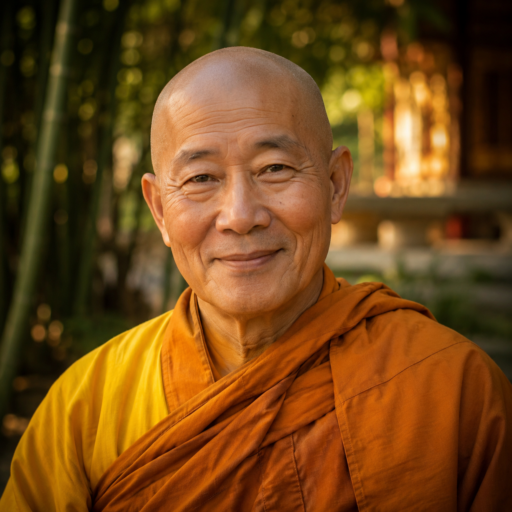
_*A young monk once sat beside a river, watching as the water flowed effortlessly over smooth stones. As he breathed in the scent of damp earth and greenery, a gentle breeze rustled his robes, carrying with it the whispers of ancient trees.*_
The wind that forgets to sit down is often mistaken for stillness. But it is precisely this movement, this constant flow, that allows us to find balance within ourselves. In our daily lives, we tend to congregate around stagnant pools of thought, refusing to let go even when they no longer serve us. We hold onto fears, onto doubts, onto the notion that we are stuck in place. This article will explore how to cultivate a sense of inner movement, allowing you to flow like the wind and find peace in the midst of change.
Before the First Word of the Day
The Wind That Forgets to Sit Down: Finding Gentle Stillness in Daily Tasks
Before the first word of the day, sit comfortably with your back straight and eyes closed. Feel the weight of your body on the chair or mat, the sensation of the air moving in and out of your nostrils. Allow yourself to settle into this stillness, like a leaf settling on calm water.
As you breathe, bring awareness to each part of your body, starting from the crown of your head, down to your toes. Release any tension or discomfort, letting go of the need to control or direct anything. The wind that forgets to sit down is always moving, yet it finds peace in its gentle flow. So too can you find stillness within yourself.
In this quiet moment, notice the sensations in your body without judgment. Are there areas of tension? Areas of relaxation? Allow these sensations to arise and pass, like the ebb and flow of the ocean. As you rest, remember that stillness is not a destination, but a journey. It is the wind that forgets to sit down, always moving yet at peace.
The Body Has Not Yet Realized the Forest is Gone
The Body Has Not Yet Realized the Forest is Gone
As we go about our day, it’s easy to get caught up in the hustle and bustle of tasks and responsibilities. We rush from one thing to another, never stopping to truly notice where we are or what we’re doing. But if we take a moment to pause and pay attention, we can start to feel the gentle stillness that is always present.
Notice the sensation of your feet touching the ground, feeling the weight and the space between you and the earth. Feel the gentle pressure of your body on the surface beneath you. It’s a subtle sensation, but one that can be incredibly grounding if we take the time to pay attention.
As you stand there, allow yourself to settle into this sense of being present. Let go of any tension or stress you may be holding onto. Simply rest in the feeling of your feet on the ground, and see what happens next.
Finding Stillness in Movement
Finding Stillness in Movement
As you engage in your daily activities, notice how easily your mind wanders and your body becomes restless. The world around you is constantly in motion, yet we often struggle to find stillness within ourselves. This is where the concept of “the wind that forgets to sit down” comes into play. Just as the wind continues to blow without pause, our bodies can move with a gentle awareness, allowing stillness to arise from within.
When you brush your teeth in the morning, for example, notice the sensation of the toothbrush against your gums and the movement of your jaw. Feel the breath moving in and out of your body, supporting each action. Allow your attention to settle on this present moment, letting go of thoughts about the day ahead or worries about the past. In this way, stillness can begin to emerge from within.
As you move through your daily tasks, remember that it is not necessary to force stillness. Instead, allow it to arise naturally, like the wind that forgets to sit down. With each breath, gently bring your attention back to the sensations in your body and the movement of your actions. In this way, you can cultivate a sense of inner stillness that accompanies even the most mundane tasks.
The Path Is Already Inside of You
The Path Is Already Inside of You
As we move through our daily tasks, it’s easy to get caught up in the hustle and bustle of life. We rush from one activity to the next, never taking the time to truly be present. But what if I told you that the path ahead is not something we need to search for outside of ourselves? What if it’s already been revealed within?
The body knows when it’s time to slow down. It whispers to us in the stillness of a quiet moment, reminding us to take a breath and let go. The wind that forgets to sit down teaches us this lesson. It howls through the trees, rustling leaves and carrying our thoughts away from us. And yet, we often try to control it, trying to tame its wildness and impose our own will upon it. But what if instead we learned to listen?
When we quiet the mind and tune into our intuition, we begin to see the path that’s been inside of us all along. It’s not something we find in a distant land or through some grand revelation; it’s simply the natural flow of our being. And when we align with this inner wisdom, we find greater clarity and purpose in even the most mundane tasks.
Embracing Imperfection
Embracing Imperfection
The wind that forgets to sit down teaches us that stillness is not about achieving a specific state, but rather embracing the imperfections and uncertainties of life with gentle acceptance. We often try to control our breath, our thoughts, and our bodies into a certain shape or form, as if we can manufacture a perfect moment of calm. But what happens when our attempts at stillness fail? When our minds wander, our bodies ache, or our emotions surge?
In these moments, we are forced to acknowledge that our practice is not about achieving some idealized state of being, but rather about cultivating the ability to be with whatever arises. The wind that forgets to sit down reminds us that imperfection is a natural part of life, and that it is in embracing this uncertainty that we may find true stillness.
It is only when we let go of our need for control and perfection that we can begin to experience the gentle stillness that lies within us. This is not about achieving some sort of mystical state, but rather about being present with ourselves and the world around us, exactly as it is.
Making Stillness a Daily Ritual
Making Stillness a Daily Ritual
Incorporating stillness practices into your daily routine is not about finding time for relaxation, but rather about making space for the present moment. Start by setting aside just a few minutes each day to breathe deeply and focus on your physical body. Feel the weight of your feet touching the ground, the sensation of the air moving in and out of your nostrils, or the gentle rise and fall of your chest. This simple attention to your bodily experience can help you settle into stillness.
As you go about your day, pay attention to areas where stillness is often overlooked the moments before a task begins, the pause between actions, or the quiet between thoughts. These fleeting opportunities for stillness are like the wind that forgets to sit down; they are always present, yet easily overlooked. By acknowledging and embracing these small stillnesses, you can begin to cultivate a greater sense of calm and clarity.
Remember, stillness is not something you do; it is who you are. The body has not yet realized the forest is gone there is always a place for quiet, even in the midst of activity. By making stillness a daily ritual, you allow yourself the opportunity to rest into your own inner wisdom, and trust that this wisdom will guide you through life’s challenges.
The Wind That Forgets to Sit Down
The Wind That Forgets to Sit Down
As you go about your day, notice the gentle stillness that arises from the simplest tasks. The way the sunlight filters through the blinds, casting intricate patterns on the floor. The sound of water flowing from the tap, a soothing melody that washes over you. These moments are not necessarily moments of profound quiet, but they hold within them the essence of stillness.
The wind that forgets to sit down is the breath that moves in and out of our bodies without fanfare. It is the sensation of our feet touching the ground, the feeling of our hands on the steering wheel or the keyboard. These sensations are constantly present, yet often overlooked in our haste to get from one place to another.
In these everyday moments, we can begin to cultivate a sense of gentle stillness. We do not need to stop everything and sit cross-legged on the floor; we simply need to acknowledge and embody what is already present within us.
Quick answers
- QWhat if my mind is restless?
- AWhen your mind is restless, take a deep breath and pause before even starting your day’s tasks. Before the first word of your day begins, sit quietly for a moment, feeling the weight of your body on the ground. Notice how the wind that forgets to sit down whispers through the trees – gently, without trying to control it. Allow yourself to settle into this quiet, letting go of tension and finding stillness in the present moment.
- QHow do I start a stillness practice?
- ABegin by noticing your breath as you go about daily tasks, like walking or washing dishes. Stop occasionally to feel the weight of your feet on the ground or the sensation of the water on your skin. Allow yourself to settle into these moments without trying to achieve anything, simply being present with what is.
- QCan stillness really be found in daily tasks?
- AYes, stillness can be found in daily tasks. It begins with a willingness to slow down and pay attention to your breath, noticing how it moves through each task without judgment or distraction. This quiet awareness is not about achieving a specific state, but rather about cultivating acceptance of the present moment, just as it is.
Begin the practice tomorrow morning.
Drop your email below and receive 7 Rituals for Inner Calm, the small booklet I give every new student in their first week. One ritual a morning. By Sunday evening the noise will have gentled.
Free PDF. No subscription. One-click unsubscribe in every email.
Important notice. This article is for informational and educational purposes only. It is not medical advice, a diagnosis, or treatment. Consult a licensed healthcare professional before making significant changes to your sleep, diet, exercise or wellness routine.