Tag: stillness

  • What Your Body Knows Before the First Word of the Day: A Gentle Awakening

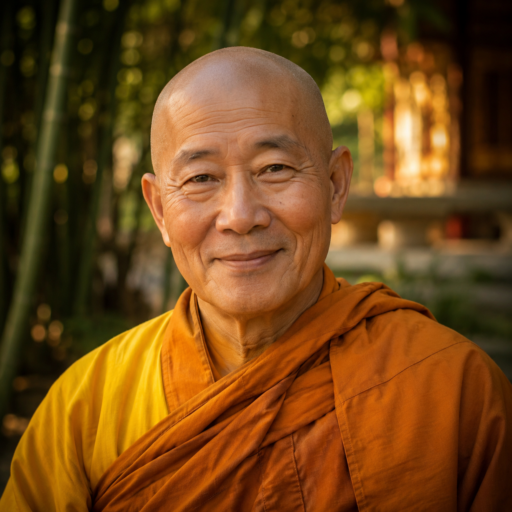
    Master Anshin

    Teachings of Master Anshin
    Master Anshin 慧
    Stillness teacher. 40 years in silence, now sharing what was learned.

    _A young monk sat cross-legged on a rocky hillside, watching as the sun rose over the mountains. He felt the weight of his body sinking into the earth, as if the stone beneath him was embracing him._

    The wind that forgets to sit down stirs the trees in the forest, rustling their leaves and carrying the scent of damp earth. It is a gentle reminder that life begins before our minds are fully awake. What your body knows before the first word of the day is often overlooked, yet it holds the key to a more authentic and present existence. This is not about forcing the mind to be still or using techniques to quiet the thoughts. Rather, it is about listening to the subtle whispers of the body itself.

    The Morning Silence

    The Morning Silence

    As you sit quietly before your day begins, allow yourself to settle into stillness. The world outside may be stirring, but within you, there is a quiet that invites attention. It is in these moments that the body can reveal its wisdom, if only we listen closely enough.

    Your body knows the weight of each breath, the subtle shifts in tension and relaxation. It remembers the contours of your sleep, the softness of your bed, and the gentle touch of the morning light on your skin. The wind outside may be whispering secrets, but it is your body that holds the stories of your day, waiting to be deciphered.

    In this silence, listen for the quiet murmurs of your body. Feel the subtle hum of your heartbeat, the gentle thrum of your blood flow, and the soft creaks of your joints as they awaken from slumber. These whispers are a language all their own, one that speaks directly to the heart and soul. What does your body know before the first word of the day?

    Eastern Wisdom on the Body’s Knowing

    Eastern Wisdom on the Body’s Knowing

    Our bodies have a way of knowing things that our minds often forget. It is as if the wind that forgets to sit down carries the whispers of the forest, reminding us of what we already know deep within.

    As we rise with the sun and begin our day, it is worth pausing to listen to the gentle stirrings of our bodies. What sensations arise in our limbs? Where do we feel tension or relaxation? By paying attention to these subtle cues, we can begin to awaken to the wisdom that lies within us.

    In stillness, we may discover that our bodies know more than we think. They remember the contours of the earth beneath our feet, the rhythm of the breath in our chests, and the pulse of life that flows through every cell. By embracing this knowing, we can begin to trust the wisdom that resides within us, and live a life that is more authentic and attuned to the world around us.

    The Path Inside

    The path inside is where we often forget to look. It’s the quiet companion, always present yet easily overlooked in our haste to begin the day. Our bodies hold the memories of our experiences, the sensations of our surroundings, and the whispers of our deepest longings. They know how to move, how to breathe, and how to feel.

    Eastern Wisdom Vol. I
    The Quiet Path
    The full e-book that goes deeper than any single article ever could. 40 years of practice condensed into small daily shifts you can begin tonight.

    Get instant access  →  $12

    Instant PDF  ·  30-day money-back  ·  No subscription

    In stillness, we can listen to the body’s gentle language. We might notice the subtle shifts in tension or relaxation, the way our feet connect with the ground, or the rhythm of our heartbeat. These sensations offer a glimpse into what our bodies know before the first word of the day, when the mind is still and the world outside is quiet.

    As we tune in to the body’s wisdom, we begin to understand that it has always been guiding us. The path inside is not something we discover; it’s something we’ve known all along. By listening to our bodies and honoring their whispers, we can find a sense of clarity and purpose that arises from within.

    Stillness Practice

    Regular stillness practice is a gentle way to connect with what your body already knows. Sit in stillness, feet planted firmly on the ground, and allow yourself to settle into the present moment. The wind that forgets to sit down whispers its truth: that you are not separate from the world around you, but an integral part of it.

    As you sit, feel the weight of your body distributed evenly across the seat or floor. Allow your eyes to gently close, and let go of any tension in your face or jaw. The body has not yet realized the forest is gone; it only knows the sensation of being rooted in this moment. Trust that your body will guide you back to stillness whenever you need it.

    In stillness, pay attention to the sensations in your body. Do you feel heavy or light? Warm or cool? Allow these sensations to arise and pass without judgment. The path is already inside of you; it only needs to be remembered through gentle practice and patience.

    Letting Go of Expectations

    Letting Go of Expectations

    Before the first word of the day, let go of expectations and allow yourself to be present with your body’s knowing. The wind that forgets to sit down whispers its truth in the silence before dawn. As you awaken, take a moment to release any preconceived notions about how you should feel or what the day ahead will bring.

    The body has not yet realized the forest is gone, and it is here that we can find our greatest freedom. Before the first word of the day, take a deep breath in, and as you exhale, allow your attention to settle on the sensation of your feet touching the ground. Notice the weight of your body distributed evenly, the gentle rise and fall of your chest, the sensation of the air moving in and out of your nostrils.

    In this quiet moment, let go of the need for control or direction. The path is already inside of you, waiting to be revealed through the subtle whispers of your own knowing. Allow yourself to settle into the present moment, unencumbered by expectations or desires. In this stillness, you will find a sense of peace and clarity that has been within you all along.

    The Wind that Forgets to Sit Down

    The Wind that Forgets to Sit Down

    Your body is like the wind, moving without thought or intention. It knows how to find its way through the landscape, adapting to every twist and turn. The wind doesn’t ask permission to blow; it simply is. Your body behaves in a similar manner, responding to your needs without conscious consideration.

    In this sense, your body is a trusted companion, one that knows how to navigate the demands of each day. It remembers the contours of your home, the rhythms of your routine, and the subtle cues of your emotions. The wind doesn’t need to be told what to do; it simply flows with the landscape.

    As you begin your day, take a moment to listen to the whispers of your body. What are its needs? What are its desires? Trust that it knows how to move forward, even before the first word of the day has been spoken. Allow yourself to settle into its gentle wisdom, and see where the day takes you.

    Embracing Impermanence

    Embracing Impermanence

    Your body holds a wisdom that is separate from your thoughts and emotions. It remembers when the air was crisp and cool, even as the seasons change and the world outside shifts. The wind that forgets to sit down still whispers secrets to those who listen. Your body knows the rhythm of the earth, the ebb and flow of life.

    As you begin your day, take a moment to acknowledge this wisdom within you. Recognize that everything, including your thoughts and emotions, is impermanent. Like the forest after a storm, your inner landscape can shift suddenly. Allow this understanding to guide your stillness practice. Instead of trying to hold onto something that will inevitably change, focus on being present with what is.

    Your body knows that the world is always in motion, yet it remains steadfast. It knows that the path ahead is not set in stone, but rather etched into the soft earth beneath your feet. The path is already inside of you, waiting to be unfolded. Trust this wisdom and let it guide you into stillness, where the impermanence of all things becomes a gentle reminder to stay present.

    The Body’s Gentle Nudges

    The Body’s Gentle Nudges

    As the morning light creeps into your room, notice how your body responds. Does it feel heavy, weighed down by something? Perhaps there is a subtle tension in your shoulders or a dull ache in your joints. These sensations are not just physical; they are also emotional and mental. Your body knows that you have been holding onto something, whether it’s stress, anxiety, or even just a lingering sense of frustration.

    Before the first word of the day, take a moment to listen to your body. What does it want from you? Does it crave movement, stretching, or simply sitting in stillness? The wind that forgets to sit down often whispers its wisdom through our bodies. We may not always hear it, but if we pay attention, we can learn to trust its gentle nudges.

    The path is already inside of you. Your body knows the way forward, even before your mind has fully woken up. It knows what it needs to release or let go of. Take a deep breath and listen to the subtle whispers of your body. What does it want you to know?

    Frequently asked questions

    Quick answers

    QHow can I cultivate this awareness in my daily life?
    AListen to your body’s gentle whispers, especially before rising from sleep. Notice any sensations, like a stirring in the chest or a loosening of tension. Take a few slow breaths and allow yourself to settle into the present moment. In this quiet space, you may find the wind that forgets to sit down, quietly awakening within.
    QWhat if I feel restless or anxious before the first word of the day?
    ARestlessness and anxiety before the dawn can be a sign that your body is still adjusting to the night’s sleep, or perhaps it’s a reminder that you’re carrying emotional residue from the previous day. Take a few moments to breathe in deeply, feeling the weight of your body on the earth, and allow yourself to settle into the present moment. Notice the sensations in your body, the sensation of your feet touching the ground, and let go of any tension or worry.
    QCan this practice be adapted for those with busy schedules?
    AYes, it can be adapted for those with busy schedules. Simply take a few deep breaths before starting your day, and notice how your body feels – is there tension or relaxation? Take a moment to listen to its subtle cues, allowing yourself to settle into the present moment before engaging with the world around you.
    A small gift for the noisy days

    Begin the practice tomorrow morning.

    Drop your email below and receive 7 Rituals for Inner Calm, the small booklet I give every new student in their first week. One ritual a morning. By Sunday evening the noise will have gentled.

    Free PDF. No subscription. One-click unsubscribe in every email.

    Begin your quiet path today
    If your heart is craving peace
    this is where it begins.
    Read at your own pace. Start tonight. The path is already inside of you.

    Get instant access  →  $12

    Instant download  ·  30-day guarantee  ·  Free bonus: 7 Rituals for Inner Calm
    Master Anshin: a serene landscape with misty mountains and a winding path leading to a tranquil lake

    About the author. Master Anshin has spent more than four decades in the bamboo groves and mountain temples of the East, studying breath, herbs, rhythm and rest. He is the author of The Quiet Path and writes plainly about practices anyone can begin tonight.

    Important notice. This article is for informational and educational purposes only. It is not medical advice, a diagnosis, or treatment. Consult a licensed healthcare professional before making significant changes to your sleep, diet, exercise or wellness routine.


  • Finding Inner Balance: The Humble Art of Mindful Speech and Listening

    Master Anshin

    Teachings of Master Anshin
    Master Anshin 慧
    Stillness teacher. 40 years in silence, now sharing what was learned.

    _*A young monk sat beside his master on a mountain stream, watching as the water flowed effortlessly downstream. The master’s eyes were closed, and the only sound was the gentle lapping of the water against the shore.*_

    Finding inner balance is not about achieving some external state, but rather about cultivating awareness in the midst of our daily lives. It begins with the simple act of mindful speech and listening. In a world where words can be both a source of comfort and confusion, it’s easy to get caught up in the whirlwind of thoughts that surround us. But what if we were to slow down, just for a moment, and listen to the silence between our words? What if we were to speak from a place of stillness, rather than trying to fill the void with noise? In this practice, you will find that the path is already inside of you.

    The Stillness Practice

    The stillness practice begins before the first word of the day, when the world outside is quiet and awake. Sit in a comfortable position, eyes gently closed or softly focused on a point ahead. Allow your breath to settle, feeling the air fill your lungs and then release.

    As you rest in silence, listen for the subtle rhythms of your own body. Notice the sensation of your feet touching the ground, the rise and fall of your chest, the gentle hum of your heartbeat. Let these sensations be your anchor, your connection to the present moment. Do not try to quiet them or change them; simply observe them with kindness.

    In this stillness, you are invited to let go of the need for words, thoughts, or distractions. Allow yourself to settle into a place of gentle awareness, where the wind that forgets to sit down can find its own natural pace. It is here that you may begin to sense the subtle whispers of your own inner wisdom, guiding you toward finding inner balance and harmony with the world around you.

    Listening Without Response

    Listening Without Response

    The stillness of listening is like the forest after a storm, where trees stand tall and unbroken. We often think that to listen is to react, but it is not so. To truly hear another person’s words, one must let go of their own need to respond.

    Imagine standing by a river on a windy day. The wind whispers secrets in your ear, but you do not try to answer or ask questions. You simply allow the sound to wash over you, like the gentle lapping of waves against the shore. So too with listening. Allow the other person’s words to settle upon you, without trying to grasp them or push back.

    As we practice this kind of listening, we begin to find a sense of inner balance. We learn that our own thoughts and feelings are not the only ones worth considering. The path is already inside of you, waiting to be explored. By tuning into the wind of another’s words, we may just discover a deeper sense of peace and understanding.

    Mindful Speech in Daily Life

    Mindful speech in daily life is a gentle art that requires attention and care. It is easy to get caught up in our thoughts and let our words spill out without consideration, but mindful speech is about being present in the moment, aware of the impact our words may have on others.

    Eastern Wisdom Vol. I
    The Quiet Path
    The full e-book that goes deeper than any single article ever could. 40 years of practice condensed into small daily shifts you can begin tonight.

    Get instant access  →  $12

    Instant PDF  ·  30-day money-back  ·  No subscription

    As we go about our day, we often speak without thinking, using phrases like “just a joke” or “it’s all good.” But these words can be hurtful if not received kindly. A single phrase spoken with intention and care can bring comfort to someone in need, while the same phrase can cut deep into another person’s heart.

    Finding inner balance in our speech means being aware of our intentions and the potential impact on others. It is not about suppressing our thoughts or emotions, but rather about being present in the moment and choosing words that come from a place of kindness and compassion.

    The Body Knows, the Mind Needs Rest

    The Body Knows, the Mind Needs Rest

    When we speak and listen, our bodies are constantly responding. The tension in our shoulders, the rise and fall of our chest, the subtle shifts in our weight all these physical cues tell us something about what is happening within. A friend’s words may be laced with concern, but your body relaxes, signaling that you feel safe to receive this message. On the other hand, if you find yourself leaning away from a conversation or crossing your arms, it may indicate that you’re not fully present.

    Like a tree resting during winter, our bodies know when to slow down and conserve energy. We don’t need to be constantly “on” in order to engage with others or navigate our thoughts. In fact, taking breaks can be a powerful act of self-care. When we pause, allowing ourselves to settle into the present moment, we become more receptive to the subtleties of communication both verbal and nonverbal.

    As you move through your day, pay attention to how your body responds to different conversations and interactions. Notice when you feel fully engaged and when you need to take a step back. Remember that finding inner balance is not about achieving some ideal state; it’s about honoring the natural rhythms of your own being.

    Eastern Wisdom for Balance

    In the stillness before dawn, I sit by the river and listen to its gentle voice. The wind stirs the water, creating ripples that slowly settle into calm reflection. This is the state of mind we seek in mindful speech and listening: clarity amidst chaos.

    The ancient wisdom of Eastern traditions teaches us that balance lies not in stillness but in movement. It is a delicate dance between giving and receiving, speaking and listening. The body knows this instinctively, yet the mind often forgets. We speak loudly, our words echoing through the forest, only to realize too late that the trees have long since fallen silent.

    In mindful speech and listening, we seek not to force balance but to allow it to arise naturally. We listen with an open heart, allowing the other’s words to settle into us like the ripples on the river. And as we speak, we listen for the resonance of our own truth, the quiet voice that whispers wisdom in the stillness before the first word of the day.

    Monk Practice for Mindful Speech

    As you navigate the rhythms of daily life, remember that mindful speech and listening are not separate practices, but intertwined threads in the tapestry of inner balance. A monk’s wisdom teaches us to approach all interactions with the same attention we would give to our own breath. Before speaking, pause to assess your intentions: is it a genuine expression or a need to fill silence? Listen deeply to the sounds around you – not just the words being spoken, but the subtle cues of another’s tone and body language.

    In the stillness of morning, before the first word of the day, take a moment to center yourself. Sit comfortably, close your eyes, and bring your attention to the sensation of the air on your skin. As you inhale, imagine fresh clarity entering your being; as you exhale, envision any tension or impatience leaving your body. When engaging with others, approach each conversation with this same sense of calm.

    Incorporate mindfulness into your daily routine just as a monk would: take breaks to breathe deeply, notice the sensations in your feet on the ground, and listen without judgment. The wind that forgets to sit down is constantly in motion; so too should you be willing to adapt to each situation with compassion and understanding.

    Finding Balance in Conflict

    Finding Balance in Conflict

    When conflict arises, our minds can become a maelstrom of thoughts and emotions, making it challenging to find clear speech and understanding. In such moments, it is essential to take a step back and breathe, just as the body returns to its natural state after a period of rest. Before speaking, pause for a brief moment, allowing yourself to settle into your own center.

    As you engage in difficult conversations, listen attentively to the other person’s words, just as the wind listens to the sounds of nature without judgment. Allow their perspective to unfold before you, and respond with compassion and understanding. The goal is not to ‘win’ the argument or prove a point, but to find common ground and resolve the issue at hand.

    In finding inner balance in conflict, we must also cultivate patience and empathy. Just as the forest has not yet realized it is gone, we too may need time to acknowledge the depth of our emotions and respond with kindness. By doing so, we create a space for meaningful communication and resolution, allowing us to move forward with greater clarity and understanding.

    Integrating Stillness into Daily Life

    As you move through your day, remember that stillness is not something you do, but rather something you allow to unfold within and around you. The wind that forgets to sit down, so gentle it becomes one with the trees, teaches us to be present in every moment.

    Incorporate a small stillness practice into your daily routine, like a river flowing smoothly around rocks. This could be as simple as taking three deep breaths before the first word of the day, or noticing the sensation of your feet touching the ground. The goal is not to add more to your busy schedule, but to create space for what already exists.

    By embracing this quiet in the midst of action, you begin to find inner balance: the humble art of being fully present with each moment, without expectation or distraction. It is a subtle yet profound shift in awareness that allows you to navigate life’s challenges with greater ease and clarity.

    Frequently asked questions

    Quick answers

    QHow can I start practicing mindful speech?
    ABegin by paying attention to your breath before speaking, noticing how your body relaxes and your mind quiets. As you begin to speak, notice the words that arise without judgment, allowing them to flow like a stream without trying to control their course. Practice speaking in short, simple sentences, allowing each word to stand on its own without needing to be completed or justified.
    QWhat if I struggle to listen without responding?
    AWhen struggling to listen, try sitting before the first word of your day. Allow yourself to settle into stillness, like the wind that forgets to sit down on a quiet morning. As you begin to breathe, focus on the sensation of the breath in your body, and gently let go of the urge to respond.
    QCan mindful speech really make a difference in my life?
    AMindful speech can be a subtle yet powerful tool for finding inner balance. By paying attention to your words, you can learn to choose them more intentionally, considering how they may affect yourself and others. Regular practice of mindful listening can also help you become more aware of the impact of your words on those around you, leading to greater harmony in your relationships and within yourself.
    A small gift for the noisy days

    Begin the practice tomorrow morning.

    Drop your email below and receive 7 Rituals for Inner Calm, the small booklet I give every new student in their first week. One ritual a morning. By Sunday evening the noise will have gentled.

    Free PDF. No subscription. One-click unsubscribe in every email.

    Begin your quiet path today
    If your heart is craving peace
    this is where it begins.
    Read at your own pace. Start tonight. The path is already inside of you.

    Get instant access  →  $12

    Instant download  ·  30-day guarantee  ·  Free bonus: 7 Rituals for Inner Calm
    Master Anshin: a serene landscape with misty mountains and a winding path leading to a tranquil lake

    About the author. Master Anshin has spent more than four decades in the bamboo groves and mountain temples of the East, studying breath, herbs, rhythm and rest. He is the author of The Quiet Path and writes plainly about practices anyone can begin tonight.

    Important notice. This article is for informational and educational purposes only. It is not medical advice, a diagnosis, or treatment. Consult a licensed healthcare professional before making significant changes to your sleep, diet, exercise or wellness routine.


  • A Small Spirit Has Wandering: Exploring the Roots of Chronic Fatigue

    Master Anshin

    Teachings of Master Anshin
    Master Anshin 慧
    Stillness teacher. 40 years in silence, now sharing what was learned.

    *_I remember a young monk who had been traveling for months, carrying his entire monastery on his back. He was exhausted, yet still managed to smile at the beauty of the landscape. The wind that forgets to sit down is a gentle reminder that even in our most trying times, there is always something to be savored._*

    Chronic fatigue can feel like an unwelcome companion on your journey, a constant presence that refuses to leave. It’s as if a small spirit has wandering, searching for its way through the body and mind. For many of us, it’s a mystery that defies explanation, a puzzle with no clear solution. In this article, we’ll explore some practical daily practices that may help you better understand and navigate this condition, without resorting to jargon or medical claims. We’ll delve into the ways in which our bodies and minds respond to fatigue, and what simple yet profound shifts can be made to support our well-being.

    The Wind That Forget to Sit Down

    The Wind That Forget to Sit Down

    Chronic fatigue is often described as a state of exhaustion, but I see it more as a disconnection from our inner self. It’s as if our small spirit has wandering, lost in the vastness of our thoughts and emotions. We try to find comfort in external sources a warm bath, a good book, or a quiet walk but the root cause remains elusive.

    In this state, we may feel like we’re stuck in a never-ending cycle of fatigue, unable to shake off the weight that’s holding us down. But what if I told you that this feeling is not just physical, but also deeply rooted in our emotional and spiritual well-being? Our small spirit has wandered into the realm of self-doubt, fear, and uncertainty.

    When we’re disconnected from ourselves, it’s like trying to find direction without a compass. We may stumble upon temporary solutions, but they only provide a fleeting sense of relief. It’s essential to listen to our body and honor its needs, rather than relying on external fixes. By tuning into the subtle whispers of our inner self, we can begin to rediscover our small spirit, which has been wandering for so long.

    Before the First Word of the Day

    Before the First Word of the Day

    The day begins, yet we are still in the quiet of night. A small spirit has wandering, searching for roots that anchor us to the present moment. It is in these early hours that we can establish a morning ritual to cultivate awareness and intention.

    As you wake, take a few deep breaths and notice the sensation of your body on the bed or chair. Feel the weight of your head, the gentle pressure of your feet on the ground. Allow yourself to settle into this sensation, without trying to control it. Simply observe the present moment, as it is.

    Take one step forward, and then pause. Notice how your body responds to movement, how your mind begins to wander. Bring your attention back to the sensations in your body, allowing them to guide you toward a sense of clarity and purpose for the day ahead.

    The Body Has Not Yet Realized the Forest is Gone

    The body has not yet realized the forest is gone. We walk through our days, unaware that we are walking on the ashes of our own exhaustion. Our bodies, like worn-out shoes, have been carrying us for years, sometimes without us even noticing.

    Eastern Wisdom Vol. I
    The Quiet Path
    The full e-book that goes deeper than any single article ever could. 40 years of practice condensed into small daily shifts you can begin tonight.

    Get instant access  →  $12

    Instant PDF  ·  30-day money-back  ·  No subscription

    A small spirit has wandering, lost in the vast expanse of our own fatigue. It’s a gentle voice, whispering to us from within, “I am tired.” But we often ignore it, attributing its sighs and groans to the weight of our daily tasks or the demands of modern life. Yet, this small spirit holds the key to understanding why we’re perpetually drained.

    As we move through our days, let’s listen to the whispers of our bodies. Let’s acknowledge that fatigue is not just a physical state but also a mental one. Our thoughts and emotions can either exacerbate or alleviate it. By embracing the interplay between these two realms, we may find that our small spirit begins to settle, its wandering ceasing as we learn to tend to both body and mind with compassion and care.

    Finding Stillness in Motion

    Finding Stillness in Motion

    When we feel like our small spirit is wandering, lost in the maze of our daily lives, it’s because we’ve forgotten to anchor ourselves in the present moment. We’re running on autopilot, reacting to stimuli without truly being aware of what’s happening inside and outside us. This state of constant motion can be exhausting, both physically and mentally.

    In Eastern wisdom, this is often referred to as “wandering mind.” It’s a common affliction that arises when we’re not grounded in our own inner wisdom. Our minds are like restless monkeys, jumping from thought to thought without any sense of calm or clarity. But what if we could still the mind and find peace amidst the chaos? This is where cultivating inner calm comes in.

    To begin this journey, try taking a few moments before the first word of your day to sit quietly. Feel the weight of your body on the earth, the sensation of your breath moving in and out of your nostrils. Allow yourself to settle into this present moment, without trying to change anything or achieve a specific state. Simply be with what is, just as it is.

    Monk Practice for Fatigue

    When fatigue settles in, we may find ourselves questioning our ability to move forward. It is as if a small spirit within us has wandered, leaving behind a trail of exhaustion and doubt. In this state, even simple tasks feel like monumental challenges.

    A gentle approach can help calm the restless energy. Begin each day before the first word, taking a few deep breaths to settle the body. Notice the sensation of your feet touching the ground, the rise and fall of your chest, and the rhythm of your heartbeat. This quieting of the physical form allows the mind to begin its own gentle inquiry.

    In the midst of fatigue, it is easy to lose sight of our connection to our bodies. Take time each day to listen to their whispers. Pay attention to the areas of tension or numbness, allowing yourself to rest and release without judgment. As you cultivate this awareness, you may find that your body begins to remember its own strength and resilience.

    The Path is Already Inside of You

    The path is already inside of you, a gentle hum that echoes through every cell. It is the stillness that arises before dawn’s first light, when the world outside stirs and you remain quiet within. This internal compass guides you back to the center of your being, where the body has not yet realized the forest is gone.

    As you walk this path, you begin to notice the subtle rhythms of your own heartbeat, the ebb and flow of breath in and out. The wind that forgets to sit down whispers secrets in your ear, reminding you that rest is not a luxury, but a fundamental aspect of life. Your body has been teaching you its own wisdom all along, if only you listen.

    In this quiet place, where the noise of daily worries subsides, you discover a small spirit within you that has been wandering, searching for a way back home. It stirs, like a leaf rustling in the breeze, and begins to guide your steps towards recovery from chronic fatigue.

    Daily Rituals for Fatigue Management

    As you begin each day, take a moment to acknowledge the subtle energy within you. Before the first word of the day, pause and breathe in the quiet morning air. Allow your gaze to settle upon the earth beneath your feet, feeling the weight of your body distributed evenly on the ground. This simple act of awareness can help calm the restless mind and center the wandering spirit.

    In a world that often values activity over stillness, it’s easy to forget the importance of slow, deliberate movement. Take time each day to engage in gentle stretching or yoga, allowing your body to release tension and lengthen its connections. As you move, focus on the sensation of each breath, feeling the rise and fall of your chest as you inhale and exhale. This mindful approach can help regulate your energy levels and promote a sense of balance.

    In the stillness of morning or evening, take a few moments to sit in silence. Allow your eyes to gently close, and your gaze to drift downward, focusing on the sensation of your body sitting upon the earth. As you rest, imagine any excess energy or stress leaving your form, like leaves drifting away from a tree in the wind that forgets to sit down.

    Embracing Rest as a Practice

    As we walk, our feet touch the earth, and yet we often forget to listen to its whispers. We rush to get somewhere, to accomplish, to achieve, without stopping to breathe in the present moment. But what if we were to slow down, just enough, to notice the subtle hum of our own fatigue? The a small spirit has wandering, lost in the labyrinth of our daily routines.

    We try to push through the exhaustion, convinced that more energy is just around the corner, or that we can’t afford to rest. But what if this constant striving was not about the destination, but about the journey itself? What if the act of resting became a practice, one that allows us to tune into our own needs, to listen to the soft whispers of our bodies?

    In this sense, rest is not an indulgence, but an essential component of our overall well-being. It’s a chance for our bodies to remember their own rhythms, to recall the gentle lapping of waves against the shore, or the warmth of a summer sun on skin. By embracing rest as a practice, we may just find that our small spirits begin to wander less, and instead, discover the peace that lies within.

    Frequently asked questions

    Quick answers

    QWhat is chronic fatigue and how can it be managed?
    AChronic fatigue is a subtle yet profound surrender to the weight of life, where the body’s energy reserves are depleted, leaving one feeling drained and unable to find rest. To manage this condition, begin each day with gentle movement, such as walking or stretching, to awaken the body from its slumber. As you move, bring your attention to the sensation of your feet touching the ground, allowing the present moment to settle within you.
    QCan Eastern wisdom help with chronic fatigue?
    AYes, Eastern wisdom can offer guidance on cultivating balance and harmony in the body, which may alleviate symptoms of chronic fatigue. Regular practice of qigong, tai chi, or meditation can help regulate energy flow and calm the mind. By listening to your body’s needs and honoring its rest, you may find relief from the weight of chronic fatigue.
    QHow do I establish a morning ritual for better energy?
    ABefore the first word of the day, sit in stillness. Notice the breath, feel the weight of your body on the earth. Allow yourself to settle into the present moment, without expectation or goal. In this quiet, you may find a sense of clarity and energy that carries you through the day.
    A small gift for the noisy days

    Begin the practice tomorrow morning.

    Drop your email below and receive 7 Rituals for Inner Calm, the small booklet I give every new student in their first week. One ritual a morning. By Sunday evening the noise will have gentled.

    Free PDF. No subscription. One-click unsubscribe in every email.

    Begin your quiet path today
    If your heart is craving peace
    this is where it begins.
    Read at your own pace. Start tonight. The path is already inside of you.

    Get instant access  →  $12

    Instant download  ·  30-day guarantee  ·  Free bonus: 7 Rituals for Inner Calm
    Master Anshin: a serene landscape with misty mountains and a winding path leading to a tranquil lake

    About the author. Master Anshin has spent more than four decades in the bamboo groves and mountain temples of the East, studying breath, herbs, rhythm and rest. He is the author of The Quiet Path and writes plainly about practices anyone can begin tonight.

    Important notice. This article is for informational and educational purposes only. It is not medical advice, a diagnosis, or treatment. Consult a licensed healthcare professional before making significant changes to your sleep, diet, exercise or wellness routine.


  • Why Slow Down When You’re Sad? The Comfort of Deep, Unforced Rest

    Master Anshin

    Teachings of Master Anshin
    Master Anshin 慧
    Stillness teacher. 40 years in silence, now sharing what was learned.

    _*A young monk sat alone in his small garden, his eyes cast down at the petals of a withered flower. The wind that forgets to sit down had whispered secrets through the wilting blooms, and he listened intently.*_

    Before the first word of the day, when the darkness of night still lingers, it is easy to become lost in sorrow. Our minds can run wild with thoughts of what went wrong, and we may feel like we’re drowning in our emotions. But as we sit in stillness, the body has not yet realized the forest is gone the trees that once stood tall are now reduced to a faint memory. And then, slowly, the landscape begins to shift.

    The Body Knows

    The Body Knows

    When we are sad, our bodies often respond in ways that feel like they’re working against us. Our minds may be clouded and restless, but our bodies know exactly what it needs: to slow down. We might find ourselves holding onto tight spaces on the couch, or avoiding activities that normally bring us comfort. This is not a lack of strength or resilience; it’s simply our body’s way of saying, “I’m tired. I need to rest.

    We often try to push through these feelings, telling ourselves we should be more productive, or that we can’t afford to take time for ourselves. But this approach only adds to the emotional exhaustion. Our bodies are not trying to fail us; they’re trying to remind us of something fundamental: that sometimes, slowing down is the greatest act of self-care.

    If you look closely, you’ll see that your body is already taking care of itself in subtle ways. You may feel a heaviness in your limbs, or a numbness in your extremities. This is not weakness; it’s a sign that your body knows what needs to be done. It’s time to listen to the wind that forgets to sit down, and allow yourself to rest in its gentle guidance.

    The Wind That Forgets to Sit Down

    The Wind That Forgets to Sit Down

    As I watch the wind outside, I notice its gentle caress on my skin, its soothing whispers through the trees. It is as if the wind too has come to rest, seeking refuge from the turmoil that rages within and without. Like us, it too seeks solace in stillness, a respite from the storms that batter our bodies and minds.

    In this quiet moment, I am reminded that even the most turbulent of beings can find peace in repose. The wind, with its fierce gusts and gentle zephyrs, knows no bounds; yet it also knows when to yield, to surrender to the softness of a summer breeze or the warmth of a winter sun. Can we not learn from this simple truth? That sometimes, the greatest act of courage is not in resisting our pain, but in yielding to its stillness.

    As I breathe in the scent of damp earth and leaves, I am drawn into the stillness that surrounds me. The wind’s gentle touch becomes a mirror for my own inner landscape, reflecting back to me the turmoil and the calm within. It is an invitation to slow down, not because we are weak or vulnerable, but because we are human fragile, fleeting, and worthy of rest.

    Finding Comfort in Stillness

    Finding Comfort in Stillness

    Eastern Wisdom Vol. I
    The Quiet Path
    The full e-book that goes deeper than any single article ever could. 40 years of practice condensed into small daily shifts you can begin tonight.

    Get instant access  →  $12

    Instant PDF  ·  30-day money-back  ·  No subscription

    When sorrow settles, it can be tempting to try and push through, to force our way back into motion as quickly as possible. But I have found that this approach often leads to further exhaustion, rather than true rest. The body knows when it has been pushed too far, and the mind is equally wise in recognizing its limits.

    In these moments, instead of trying to fill the void with activity, we can turn our attention inward. We can sit still, breathe deeply, and allow ourselves to settle into the present moment. It is in this quiet that we may begin to notice the subtlest changes within ourselves – a shift in tension, a release of emotion, or a gentle softening of the heart.

    As we cultivate this stillness, we come to realize that sorrow is not something that needs to be overcome, but rather something that can be allowed. The body has not yet realized the forest is gone; it simply knows that it stands beneath the same sky, with its own unique rhythms and patterns. In this recognition, we may find a deep comfort – one that comes not from forcing our way back into motion, but from embracing the gentle stillness of being.

    A Daily Ritual for Rest

    When sadness settles in, we often try to push through, forcing our bodies and minds to keep moving. We think that by staying active, we can outrun our emotions. But this approach only prolongs suffering. Instead, let us turn inward, toward the stillness within.

    As you go about your day, notice when your mind begins to wander. Before the first word of the day, pause for a breath. Feel the weight of your body on the earth beneath it. Allow yourself to settle into this present moment, without judgment or expectation. This simple act of acknowledgment can help calm the turbulent waters of the mind.

    In this quiet space, allow your body to release its tension. Let go of the need to be productive or achieve some sort of inner balance. Simply rest. The wind that forgets to sit down will still be there when you’re ready to move again. Your body has not yet realized the forest is gone; it will remember the gentle rustle of leaves and the warmth of sunlight on skin.

    The Path Is Already Inside You

    The Path Is Already Inside You

    When sorrow settles, many of us feel an overwhelming urge to act. We try to fill the void with distractions, busyness, or even more activity, as if movement can somehow outrun the pain. But what if I told you that this approach is not only ineffective but also counterproductive? The body knows when it’s been pushed too far; it knows when it needs rest.

    Before the first word of the day, take a moment to pause. Sit quietly in stillness, feeling the weight of your body on the earth. Notice how the air moves around you, how the sounds of the world fade into the background. Allow yourself to settle into this quiet, letting go of any tension or resistance. This is not an escape from your emotions but a gentle invitation to listen.

    The path to healing begins with a willingness to slow down and listen. You do not need to find answers; you only need to be present. The body has not yet realized the forest is gone, but it knows that rest is necessary for rebirth. Trust in this knowing, trust in your own resilience. The wind that forgets to sit down may howl with pain, but it also reminds us of the beauty of stillness and the strength that lies within.

    Embracing the Forest That Has Gone

    Embracing the Forest That Has Gone

    When sorrow settles, we often feel an urge to move, to act, to push forward into the unknown. But what if instead we paused, and acknowledged the loss that has occurred? Just as we would acknowledge the passing of time, so too can we acknowledge the forest that has gone. The trees that once stood tall, now lie fallen, their branches bare and still.

    This is not a rejection of growth or progress, but rather an acceptance of the present moment. We do not need to force the return of what has passed. Instead, we can learn to rest in the silence that remains. The wind that forgets to sit down may howl through the empty trees, but even it must come to stillness at some point.

    In this quiet, we find a strange kind of comfort. It is not the loss itself that brings us peace, but rather our willingness to let go of what has been. And so, before the first word of the day, we can take a breath and acknowledge the forest that has gone. We can rest in its absence, and allow ourselves to be present in the stillness.

    The Body Has Not Yet Realized Its Own Healing

    The Body Has Not Yet Realized Its Own Healing

    When sorrow settles, we often find ourselves rushing to alleviate its weight. We try to fill the void with distraction, or push through the pain to get back to our daily routines. But have you ever stopped to listen to your body? Does it not whisper to you of its own needs, of its own longing for rest?

    In the stillness, we might discover that our bodies are trying to tell us something essential: they need time to heal. They need space to release tension, to let go of the weight of our emotions. But how can we listen to this gentle voice when our minds are racing with thoughts of what needs to be done, or who needs to be fixed? We must learn to quiet the mind and trust that the body knows its own path.

    The truth is, our bodies have a deep wisdom that guides us towards healing. They know exactly how much rest we need, in just the right moments. It’s not something we can force or will ourselves into; it’s an invitation to slow down and surrender to their gentle nudges towards wholeness.

    Resting Before the First Word of the Day

    Resting Before the First Word of the Day

    When sorrow settles, it’s easy to feel like our days are already lost before they begin. We might think that slowing down is a luxury we can’t afford when pain or grief feels overwhelming. But I’ve found that stillness can be a refuge from the weight of our emotions.

    Before the first word of the day, take a few deep breaths. Sit quietly in your chair, and let your body settle into the present moment. Feel the weight of your chest, the sensation of your feet on the ground. Allow yourself to relax into the stillness, letting go of any tension or resistance. It’s not about escaping your emotions, but about creating space for them.

    In this quiet before the day begins, you may start to feel a sense of calm wash over you. The world outside will still be there when you’re ready to engage with it. But for now, simply rest in the silence. Let the wind that forgets to sit down carry your worries away.

    Frequently asked questions

    Quick answers

    QWhy is it important to slow down when I’m sad?
    AWhen sadness settles in, slowing down allows your body to surrender and release tension. In stillness, you may begin to notice subtle shifts within yourself, like a gentle letting go of emotional weight. By embracing this quiet time, you create space for the natural ebb and flow of emotions, rather than trying to force them away.
    QCan I just ‘get over’ my sadness by being busier or more productive?
    ANo, you cannot simply “get over” your sadness with busyness and productivity. In fact, rushing through life can exacerbate feelings of overwhelm and make it harder to find peace when you need it most. Instead, allow yourself a gentle pause before the first word of the day, sit in stillness, and let your body relax into its own natural rhythms.
    QHow do I establish a daily ritual for rest when I feel like I don’t have time?
    AEstablishing a daily ritual for rest requires patience and flexibility. Start by setting aside before the first word of the day, even if it’s just 10-15 minutes to sit quietly, breathe deeply, or engage in a calming activity. Be gentle with yourself as you begin, and allow your body to adjust at its own pace.
    A small gift for the noisy days

    Begin the practice tomorrow morning.

    Drop your email below and receive 7 Rituals for Inner Calm, the small booklet I give every new student in their first week. One ritual a morning. By Sunday evening the noise will have gentled.

    Free PDF. No subscription. One-click unsubscribe in every email.

    Begin your quiet path today
    If your heart is craving peace
    this is where it begins.
    Read at your own pace. Start tonight. The path is already inside of you.

    Get instant access  →  $12

    Instant download  ·  30-day guarantee  ·  Free bonus: 7 Rituals for Inner Calm
    Master Anshin: a serene landscape with misty mountains and a winding path leading to a tranquil lake

    About the author. Master Anshin has spent more than four decades in the bamboo groves and mountain temples of the East, studying breath, herbs, rhythm and rest. He is the author of The Quiet Path and writes plainly about practices anyone can begin tonight.

    Important notice. This article is for informational and educational purposes only. It is not medical advice, a diagnosis, or treatment. Consult a licensed healthcare professional before making significant changes to your sleep, diet, exercise or wellness routine.


  • The Body’s Natural Rest: Understanding Burnout in Monastic Traditions

    Master Anshin

    Teachings of Master Anshin
    Master Anshin 慧
    Stillness teacher. 40 years in silence, now sharing what was learned.

    _*A young monk sat in stillness for hours, his eyes closed, as the sun shone through the temple’s latticework windows. His breathing was slow and steady, a gentle reminder that some days, even the most disciplined among us need to surrender.*_

    The body’s natural rest: understanding burnout in monastic traditions. As we navigate our modern lives, it’s easy to lose sight of what truly sustains us. Burnout, a state of emotional, mental, and physical exhaustion, can creep up on anyone, regardless of their background or circumstances. In traditional monastic communities, the concept of “shinzen” a state of calm awareness in the midst of chaos has long been recognized as a vital component of well-being. This article will explore the principles and practices that have helped monks and practitioners find balance and renewal in the face of burnout, drawing from the wisdom of monastic traditions to offer practical guidance for those seeking to cultivate their own inner peace.

    Eastern Wisdom on Fatigue

    Eastern Wisdom on Fatigue

    In monastic traditions, burnout is often viewed as a sign of imbalance, rather than a personal failing. This perspective shifts the focus from individual weakness to the need for restoration and renewal. The body’s natural rest is not something that can be forced or willfully achieved; it is a state that arises from acknowledging and honoring the limits of our physical and emotional endurance.

    The concept of “shinzen” in Zen Buddhism, which refers to the moment when one becomes aware of their own exhaustion, is a powerful reminder of this understanding. It is not about pushing through fatigue, but rather about recognizing the signs and surrendering to the body’s natural response. This surrender allows us to approach our work and daily life with renewed intention and clarity.

    Before seeking solutions or remedies, it is essential to acknowledge that burnout is not something that needs to be overcome; it is a signal that we need to slow down and listen to our bodies. In this sense, the body’s natural rest becomes an invitation to pause, reflect, and reconnect with ourselves and the world around us.

    The Monk’s Daily Ritual

    The Monk’s Daily Ritual

    To find stillness, begin before the first word of the day. Sit in silence for as little as five breaths, and ask yourself what the body is holding onto. Does it feel heavy? Tight? Stiff? Allow these sensations to rise to the surface, without judgment.

    As you sit, bring your attention to the areas of tension. Place a hand on each spot, feeling the weight of the body’s resistance. Breathe into these areas, imagining fresh air and relaxation seeping in. With each inhale, allow the body to release just a little more. The wind that forgets to sit down can be tamed by this gentle practice.

    In stillness, the body begins to remember its natural state. It is not burdened by thoughts of yesterday’s tasks or tomorrow’s obligations. The forest has not yet realized it is gone; the trees do not know they are being felled. By listening to the body and honoring its rest, you cultivate a sense of balance that permeates every aspect of your life.

    Before the First Word of the Day

    Before the First Word of the Day

    Eastern Wisdom Vol. I
    The Quiet Path
    The full e-book that goes deeper than any single article ever could. 40 years of practice condensed into small daily shifts you can begin tonight.

    Get instant access  →  $12

    Instant PDF  ·  30-day money-back  ·  No subscription

    Silence is not a luxury, but a necessity for those who seek balance in their lives. In monastic traditions, we have long recognized the importance of beginning each day with stillness. It is a chance to tune into our bodies, to listen to its whispers and intuition. The body has a way of knowing when it needs rest, whether it’s from the weariness of exhaustion or the fatigue of overexertion.

    In this quiet moment, we can assess our readiness for the day ahead. We can check in with our breath, our posture, and our emotions. Are we calm? Are we centered? Or do we feel like a leaf blown about by the wind, struggling to find balance? By starting each day with silence, we create space for self-reflection and awareness.

    This is not a moment of indulgence or escape; it’s an opportunity to connect with what truly matters. The body has not yet realized the forest is gone, and in this stillness, we can rediscover our place within nature. We can listen to its rhythms and allow ourselves to be guided by its wisdom.

    The Body Has Not Yet Realized the Forest is Gone

    The body has not yet realized the forest is gone. We live as if we are still rooted in a familiar landscape, even when the land beneath us shifts and changes. Our bodies remember the rhythms of nature: the warmth of sun on skin, the coolness of shade, the scent of damp earth. But our minds often forget this connection, forgetting that rest is not a luxury but a necessity.

    We try to push through fatigue, to keep moving forward even when exhaustion seeps into every pore. We convince ourselves that we are strong, that we can endure anything. But in doing so, we neglect the body’s own wisdom. The body knows it needs to slow down, to rest and recharge. It sends signals: aching muscles, dull eyes, a sense of disconnection from the world around us.

    Rest is not something we do for others or for ourselves as a reward; it is simply what the body does when it needs to. We can learn to listen to this wisdom, to trust that the body’s natural rest is not a sign of weakness but of resilience.

    Listening to the Wind

    Listening to the Wind

    As we move through our daily lives, we often forget to listen to the subtle cues of our own bodies. Fatigue, tension, and stress can be signs that we are out of balance, but these signals are easily overlooked in the hustle and bustle of modern life. The body’s natural rest is not something we need to force or achieve; it is simply a matter of paying attention to its needs.

    When fatigue sets in, take a moment to notice where it resides in your body. Is it a heaviness in your limbs, a dullness in your mind, or a feeling of exhaustion that seems to seep into every cell? Allow yourself to acknowledge this sensation without judgment, and then respond with gentle care. This might mean taking a break from activity, resting in a quiet space, or engaging in activities that bring you relaxation.

    The body has not yet realized the forest is gone; it still remembers the feeling of standing beneath its ancient trees, breathing in the scent of damp earth and greenery. Our bodies are wired to respond to the natural world, and by tuning into this sense of connection, we can find a deeper sense of balance and well-being.

    The Path is Already Inside of You

    The Path is Already Inside of You

    When we feel burnt out, our minds often turn to seeking external solutions or answers. We look for a quick fix or a magic pill to restore balance. But in monastic traditions, we’ve come to understand that the path to rest and rejuvenation lies within.

    Consider this: before the first word of your day, take a moment to breathe deeply into your body. Feel the weight of your feet on the ground, the sensation of the air moving in and out of your nostrils. Allow yourself to settle into this present moment, without judgment or expectation. The wind that forgets to sit down is always within you, ready to calm the turbulence of the mind.

    In these moments of quiet, the body begins to remind us that it has not yet realized the forest is gone. The trees are still standing, the creatures are still living, and the earth is still spinning beneath our feet. Trust that you have within you the ability to find balance and rest when needed. This is not something that needs to be taught or learned; it’s a natural state of being that can be accessed at any moment.

    Cultivating Stillness in a Busy World

    In our busy world, stillness is often seen as a luxury we can’t afford. We rush from one task to another, never taking the time to breathe, to feel, or to listen. But what if I told you that this constant movement was actually a sign of burnout? The body’s natural rest is not something we need to find; it’s something we’ve forgotten.

    When we’re still, our bodies remember how to function without our conscious mind taking over. Our muscles relax, our breath slows, and our minds quiet. It’s as if the body has been waiting for this moment, holding its breath in anticipation of release. The wind that forgets to sit down it’s not just a metaphor; it’s a reminder that stillness is always present, even when we think we’re moving.

    In monastic traditions, we’ve long understood the importance of cultivating stillness in our daily lives. We take time each day to meditate, to walk, and to simply be. It’s not about achieving some sort of spiritual state; it’s about recognizing that the body has a natural rhythm, one that can guide us back to balance and harmony.

    Embracing Imperfection and Rest

    Embracing Imperfection and Rest

    The body knows that rest is not something we can schedule, but rather an unfolding process. It is a subtle shift in our awareness, a gentle surrender to the present moment. Before the first word of the day, when the world outside still holds its breath, we can begin to allow ourselves to relax. The wind that forgets to sit down whispers secrets to those who listen.

    In monastic traditions, rest has long been recognized as an essential component of spiritual practice. It is not a luxury reserved for the few, but a necessity for living a balanced life. The body has not yet realized the forest is gone; it still recognizes the patterns of the trees, the rustle of leaves, and the gentle hum of insects. We can learn to listen to our own inner rhythms, to honor the natural ebb and flow of energy within us.

    Rest is not about escaping or avoiding the world around us, but rather about being fully present in the midst of it. The path is already inside of you, waiting to be explored. By embracing imperfection and rest, we can cultivate a deeper sense of connection with ourselves and the world. In this way, we may discover that rest is not something we need to find, but rather something that has been within us all along.

    Frequently asked questions

    Quick answers

    QWhat is the body’s natural rest?
    AThe body’s natural rest is a subtle surrender to its own rhythms, a quiet acceptance of its limitations and the world around it. It is not a forced stillness, but an effortless release from tension, like the wind that forgets to sit down. In this state, the body is not trying to achieve something; it is simply being present, allowing itself to rest in the midst of movement.
    QCan stillness practices really help prevent burnout?
    AStillness practices can be a powerful tool for cultivating balance and resilience, allowing you to approach challenges with greater clarity and ease. By regularly taking time to rest and quiet the mind, you may find that your body and spirit are better equipped to handle life’s demands. This is not about avoiding or escaping difficulties, but rather about being more grounded and present when faced with them.
    QHow do I incorporate stillness into my busy schedule?
    ATo incorporate stillness, begin before the first word of your day. Sit quietly for a few breaths, feeling the weight of your body on the earth. Let go of expectations and simply be with what is present. The wind that forgets to sit down will find its own pace in you.
    A small gift for the noisy days

    Begin the practice tomorrow morning.

    Drop your email below and receive 7 Rituals for Inner Calm, the small booklet I give every new student in their first week. One ritual a morning. By Sunday evening the noise will have gentled.

    Free PDF. No subscription. One-click unsubscribe in every email.

    Begin your quiet path today
    If your heart is craving peace
    this is where it begins.
    Read at your own pace. Start tonight. The path is already inside of you.

    Get instant access  →  $12

    Instant download  ·  30-day guarantee  ·  Free bonus: 7 Rituals for Inner Calm
    Master Anshin: a serene landscape with misty mountains and a winding path leading to a tranquil lake

    About the author. Master Anshin has spent more than four decades in the bamboo groves and mountain temples of the East, studying breath, herbs, rhythm and rest. He is the author of The Quiet Path and writes plainly about practices anyone can begin tonight.

    Important notice. This article is for informational and educational purposes only. It is not medical advice, a diagnosis, or treatment. Consult a licensed healthcare professional before making significant changes to your sleep, diet, exercise or wellness routine.


  • 7 Simple Practices for Quieting a Racing Mind with Micro-Rest

    Master Anshin

    Teachings of Master Anshin
    Master Anshin 慧
    Stillness teacher. 40 years in silence, now sharing what was learned.

    _*A young monk sat beside his master on a mountain peak, watching as the wind blew away the carefully arranged stones of their meditation path. The master’s eyes remained still, calm, and gentle, as if the world around him had forgotten to disturb him.*_

    Before the first word of the day, it is often said that we are most open to new experiences and energies. But what happens when our minds begin to chatter and distract us from this quiet potential? How can we return to a state of calm and clarity in the midst of chaos? In this article, we will explore 7 simple practices for quieting a racing mind, drawing on the wisdom of meditation and everyday life to help you find stillness in the midst of activity. By incorporating these practices into your daily routine, you can cultivate a sense of inner peace that is not dependent on external circumstances.

    Before the First Word of the Day

    Before the First Word of the Day

    As you stir from slumber, take a moment to sit quietly in stillness. No need to rush or force your mind into wakefulness. Simply allow yourself to be present in the space between sleep and wakefulness. Your breath will become the anchor that grounds you in this quiet moment.

    Notice how your body feels before it’s fully awake. Do you feel heavy, weighed down by the night’s rest? Or do you feel light, buoyant with anticipation of the day ahead? Allow yourself to settle into whatever sensation arises, without judgment or effort. The wind that forgets to sit down is always present, waiting for your attention.

    In this quiet space, take a few deep breaths and allow your mind to unfurl slowly. Don’t try to control it; simply observe its natural movement. Before the first word of the day can be spoken, you’ve had a chance to set yourself on a different path one that prioritizes inner stillness over outer activity.

    The Body Has Not Yet Realized the Forest is Gone

    The Body Has Not Yet Realized the Forest is Gone

    As you sit, bring your attention to the sensation of your feet touching the ground. Notice how your weight is evenly distributed, supported by the earth beneath you. Allow any tension in your legs or feet to release, feeling them relax into the surface.

    Turn your focus inward, exploring the sensations in your torso and arms. Are there areas of tightness or discomfort? Gently bring awareness to these spots, imagining fresh air and relaxation entering through your skin. As you exhale, allow any stored tension to melt away, like autumn leaves drifting to the ground.

    Notice how the sensation of your breath moves through your body, sometimes shallow and quick, other times full and slow. Allow this natural rhythm to guide you, settling into a sense of calm and stillness that is already present within you.

    Take a Short Walk with the Wind

    Take a Short Walk with the Wind

    Eastern Wisdom Vol. I
    The Quiet Path
    The full e-book that goes deeper than any single article ever could. 40 years of practice condensed into small daily shifts you can begin tonight.

    Get instant access  →  $12

    Instant PDF  ·  30-day money-back  ·  No subscription

    As you step out into the day, before the first word of your day is spoken, take a moment to breathe in the fresh air and let go of any tension that may be holding you back. Notice how the wind moves around you, rustling leaves and carrying scents from far away. The wind that forgets to sit down is always on the move, never stopping or getting caught up in thought.

    Pay attention to how the trees sway gently in the breeze, their branches dancing without any apparent purpose or direction. Observe how a leaf falls from its branch and drifts to the ground, not trying to grasp onto anything but simply being where it is. Notice how the sound of the wind changes as you move through different spaces, sometimes softening into a gentle hum, other times growing louder and more insistent.

    As you walk, allow your own movement to become like that of the wind. Let go of thoughts and worries, and simply be with what is present in this moment. The body has not yet realized the forest is gone; it is still rooted in its place, feeling the earth beneath it and the sun on its skin.

    Micro-Breathing for Stillness

    As you sit in stillness, bring your attention to the sensation of breath moving in and out of your body. Focus on slow, deep inhalations, feeling the chest expand and the belly rise. The mind may wander, but gently guide it back to the sensation of each breath. Notice how the body relaxes with each exhalation, letting go of tension and stress.

    As you continue to breathe slowly and deeply, allow your awareness to settle into the present moment. Feel the weight of your seat on the chair, the sensation of the air on your skin, and the sound of any noises around you. The goal is not to achieve a specific state or stop your thoughts completely, but rather to cultivate a sense of calm and clarity.

    With each breath, allow yourself to settle further into stillness. Remember that the body has not yet realized the forest is gone it’s only when we pause that we can truly appreciate its beauty. By focusing on slow, deep breathing, you’re giving your mind and body permission to rest and recharge for the day ahead.

    Listen to the Sound of Silence

    Listen to the Sound of Silence

    When we sit in silence, the world outside recedes and our inner landscape becomes more accessible. It is not about stopping the thoughts entirely, but rather allowing them to arise without attachment or judgment. The mind continues to wander, like a restless child in a crowded room, but with each breath, we gently coax it back to the present moment.

    The silence itself is not empty; it is filled with the subtle sounds of our own being. Listen for the sound of your breath, the sensation of your feet on the ground, and the gentle hum of your heartbeat. Allow these sounds to become familiar, like a warm bath that soothes the muscles. With each passing moment, we begin to settle into stillness, like a leaf settling onto its branch.

    In this quiet space, we may discover fragments of ourselves that have been hiding beneath the surface. A sense of calm, a spark of creativity, or a deepened connection to our own heartbeat. These are not destinations; they are merely the whispers of what is already present within us. And when we listen to these whispers, we begin to understand that the quieting of the mind is not something that needs to be achieved, but rather something that is always available, like the sound of silence itself.

    The Path is Already Inside You

    The path is already inside you, waiting to be discovered by the stillness within. It is a gentle whisper that becomes louder when we listen to its silence. This inner wisdom guides us towards peace and calm, reminding us that the answers we seek lie not in external sources, but in the depths of our own being.

    In the midst of chaos, it is easy to lose sight of this path. Our minds can become a jumble of thoughts, worries, and distractions, making it difficult to hear the quiet voice within. But with regular practice, we can learn to tune in to this inner guidance, trusting that it will lead us towards what is truly important.

    As you embark on these 7 simple practices for quieting, remember that the journey is not about achieving a specific state, but rather about cultivating awareness and presence in each moment. By embracing the stillness within, you will begin to find your own inner path, one that winds its way through the twists and turns of life, leading you towards greater peace and clarity.

    Make Micro-Rest a Daily Ritual

    As you begin to incorporate micro-rest into your daily routine, remember that consistency is key. Start by setting aside a specific time each day to sit still and breathe deeply. This could be first thing in the morning, just before your first task or commitment of the day. The body has not yet realized the forest is gone; it will adjust to this new rhythm.

    It may feel like a luxury at first, but making micro-rest a daily ritual can have a profound impact on your mental clarity and focus. As you sit still, pay attention to any areas of tension or discomfort in your body. Allow yourself to settle into these sensations, rather than pushing them away. The wind that forgets to sit down is constantly moving, yet it remains calm at its center.

    By making micro-rest a daily habit, you will begin to notice the subtle shifts in your mind and body. Your thoughts may still wander, but they will be less jumbled and more easily brought back to the present moment. The path is already inside of you; trust that with time and practice, it will become clearer.

    Frequently asked questions

    Quick answers

    QHow often should I practice quieting my mind?
    ABegin each day by sitting quietly, without expectation or goal, before your morning activities. Practice this daily habit at least once, but ideally twice a day, for just 5-10 minutes. The wind that forgets to sit down is always available, and it will become a part of you with consistent practice.
    QWhat if my mind is too restless to sit still?
    AIf your mind is too restless to sit still, begin by taking small breaks in movement – a few steps forward and backward, or some gentle stretching – before sitting down to rest. This can help calm the body’s natural response to anxiety. Before you even start, take a moment to notice where your body is holding tension, and allow that awareness to settle into the present moment.
    QCan these practices help with stress and anxiety?
    AThese practices can help calm the mind, reducing stress and anxiety by teaching you to listen to your body’s subtle cues, allowing it to rest and recover between tasks. By incorporating micro-rest into your daily life, you’ll learn to distinguish between a racing mind and a simple pause, giving you greater control over your emotions. Regular practice will help you develop a sense of inner calm that can be drawn upon in times of stress and anxiety.
    A small gift for the noisy days

    Begin the practice tomorrow morning.

    Drop your email below and receive 7 Rituals for Inner Calm, the small booklet I give every new student in their first week. One ritual a morning. By Sunday evening the noise will have gentled.

    Free PDF. No subscription. One-click unsubscribe in every email.

    Begin your quiet path today
    If your heart is craving peace
    this is where it begins.
    Read at your own pace. Start tonight. The path is already inside of you.

    Get instant access  →  $12

    Instant download  ·  30-day guarantee  ·  Free bonus: 7 Rituals for Inner Calm
    Master Anshin: a serene landscape with misty mountains and a winding path leading to a tranquil lake

    About the author. Master Anshin has spent more than four decades in the bamboo groves and mountain temples of the East, studying breath, herbs, rhythm and rest. He is the author of The Quiet Path and writes plainly about practices anyone can begin tonight.

    Important notice. This article is for informational and educational purposes only. It is not medical advice, a diagnosis, or treatment. Consult a licensed healthcare professional before making significant changes to your sleep, diet, exercise or wellness routine.


  • Before the First Word of the Day: A Morning Routine for Calm and Clarity

    Master Anshin

    Teachings of Master Anshin
    Master Anshin 慧
    Stillness teacher. 40 years in silence, now sharing what was learned.

    _*I remember a young monk who struggled to begin his day. He would sit in stillness for hours, waiting for the sun to rise, only to find himself lost in thoughts and doubts. The wind that forgets to sit down whispers through the trees, reminding him that time is already present.*_

    Before the first word of the day, I invite you to take a step back from the chaos of your mind. Let go of the need to control or achieve something before even setting foot on the path. In this quiet moment, allow yourself to settle into the breath, feeling the weight of your body grounded in the earth beneath you. As we explore together what it means to begin anew each day, we will uncover simple yet profound practices that can help you cultivate a sense of calm and clarity in the midst of life’s turmoil.

    The Purpose

    The purpose of our morning routine is to cultivate calm and clarity in the midst of chaos. Eastern wisdom teaches that stillness precedes clarity, and it is in these quiet moments that we can tune into our inner selves. By beginning our day with intention and mindfulness, we set the stage for a more focused and productive day.

    As we wake up before the first word of the day, we are met with an opportunity to pause and breathe. The world outside may be stirring, but in this quiet moment, we can listen to the silence within. Take a few deep breaths, feel the weight of your body on the earth, and allow yourself to settle into the present moment.

    In this stillness, we begin to let go of the thoughts and worries that often clutter our minds at dawn. We don’t try to force our minds awake or push ourselves to be more productive instead, we simply observe the world around us with a sense of curiosity and openness. By embracing this quiet morning routine, we create space for clarity to emerge, like the first light of dawn breaking over the horizon.

    Setting Up Your Space

    Before the First Word of the Day: A Morning Routine for Calm and Clarity

    Setting Up Your Space

    The morning is a fragile thing, like the wind that forgets to sit down. It’s easily disrupted by the world outside, yet it holds within it the power to shape our day. To begin this day on a calm and clear note, we need to create an environment that fosters stillness. This means setting up a space that is free from distractions no phones, no TVs, no noisy neighbors. We want the mind to be able to settle, like a bird returning to its nest.

    This quiet space can be as simple as a small room or a corner of your home. The key is to make it yours alone, a sanctuary where you can retreat before the first word of the day. Take time to arrange the space in a way that feels peaceful and inviting. Add some greenery, a few favorite books or objects that bring you comfort. The goal is not to create a shrine, but a refuge.

    As you prepare this space, take a moment to acknowledge its significance. Before the first word of the day, we often forget to breathe, to listen, to be present. By setting up our environment with intention and care, we give ourselves permission to slow down, to tune in, and to begin the day with clarity and calmness.

    Breathing and Movement

    As we begin our day, let us bring awareness to the moments that precede the first word. Before the first word of the day, let us awaken the body through gentle stretches. Start by rolling your shoulders forward and backward, releasing any tension or stress from the night before. Next, gently tilt your head to the side, bringing your ear towards your shoulder, and then release. Repeat on the other side.

    Eastern Wisdom Vol. I
    The Quiet Path
    The full e-book that goes deeper than any single article ever could. 40 years of practice condensed into small daily shifts you can begin tonight.

    Get instant access  →  $12

    Instant PDF  ·  30-day money-back  ·  No subscription

    Now, bring your attention to your breath. Find a comfortable seated position with your back straight, or lie down if that feels more restful for you. Close your eyes and take slow, deep breaths in through your nose and out through your mouth. Feel the sensation of the air moving in and out of your body. As you breathe, allow any thoughts or worries to pass by without engaging with them. Simply observe the present moment.

    As you continue to breathe deeply, bring awareness to your physical body. Starting at your toes, slowly scan up through your feet, ankles, calves, knees, thighs, hips, back, shoulders, arms, hands, neck, and head. As you focus on each area, release any tension or discomfort. Allow yourself to settle into the present moment, calm and clear. The wind that forgets to sit down may still be within you; it’s time to listen.

    Mindful Waiting

    Before the First Word of the Day: A Morning Routine for Calm and Clarity Mindful Waiting

    The morning hours can be a gentle awakening, a time to settle into the stillness before the day’s din begins. It is in these quiet moments that we may find clarity, like the calm surface of a lake reflecting the sky above. To begin this mindful waiting, sit in stillness, allowing your body and mind to settle into the present moment.

    In the silence, notice the breath moving in and out of the body, the sensation of weight on the seat or cushion, the sounds around you that are not part of the inner world. Allow awareness to settle, like the wind that forgets to sit down, gently coming to rest upon the surface of your being. Do not try to fill this space with thoughts or distractions; simply be present.

    As you sit in silence, the body begins to realize its own rhythms and patterns, like a forest awakening from sleep. The mind may wander, but gently bring it back to the breath, the sensation of the seat beneath you, or the quiet sounds around you. In this mindful waiting, you may find that the path is already inside of you, waiting to be walked upon with clarity and purpose.

    A Simple Inquiry

    A Simple Inquiry

    Before the first word of the day, when the mind is still and the body is awake, we can ask ourselves a simple question: What am I grateful for today? This inquiry is not about making a list or checking off boxes, but rather about cultivating an attitude of appreciation. Take a few deep breaths, feel the weight of your body on the earth, and notice the sensation of the air moving in and out of your nostrils.

    As you sit in stillness, allow yourself to explore this question. What are the things that come to mind? Are they big or small, significant or insignificant? Allow yourself to settle into each one, without judgment or attachment. The goal is not to find more things to be grateful for, but rather to cultivate a sense of presence and awareness.

    By beginning the day with gratitude, we can shift our attention away from what’s lacking in our lives and towards what’s already present. This simple inquiry can help us cultivate a sense of calm and clarity, setting us up for a day that is more mindful and intentional.

    Reflect and Release

    Reflect and Release

    As you begin to stir, take a moment to pause on the threshold of awakening. Sit comfortably, feet planted firmly on the ground, hands placed gently in your lap. Before the first word of the day can form in your mind, take a deep breath in, feeling the air fill your lungs fully. Hold for a moment, and then exhale slowly, allowing any tension or stress to release from your body.

    Notice where you feel it most: in your shoulders, neck, or abdomen? Where is the weight of the day’s concerns settling? Allow yourself to acknowledge these sensations without judgment. You are not trying to change them or push them away; simply observe and permit them to be. As you exhale, imagine any tightness or discomfort leaving your body, like autumn leaves drifting to the ground.

    In this quiet moment, ask yourself: what is it that I need to release today? Is it a worry about an upcoming event, a lingering regret from yesterday, or a sense of overwhelm? Take another deep breath, and as you exhale, say to yourself: I let go. I release.

    The Path Unfolds

    The Path Unfolds

    As the day begins, take a moment to pause and breathe. Sit comfortably, feet planted firmly on the ground, and eyes closed. Notice the sensation of the air moving in and out of your body. Feel the weight of your seat on the chair or the floor beneath you.

    Before the first word of the day, when the world outside is still quiet and darkness lingers, take a moment to tune into your inner landscape. Listen to the sounds of nature, if possible, or simply focus on the beat of your own heart. Allow yourself to settle into this peaceful state, letting go of any tension or resistance.

    In this gentle morning pause, you have the opportunity to set the tone for the day ahead. Trust that you are already on the right path, even before the first word is spoken. The body has not yet realized the forest is gone; it remains rooted in the present moment.

    Embracing Impermanence

    Embracing Impermanence

    As we rise from our beds, the world outside is already changing. The sun’s warmth on our skin, the gentle breeze carrying scents from nature all these things remind us that nothing remains still for long. Before the first word of the day, take a moment to acknowledge this flux. You are not the same person who went to bed; you have grown, changed, and perhaps even suffered in some way. The body has not yet realized the forest is gone, but our minds often know it’s been there.

    This recognition can be a source of comfort, rather than unease. It means that everything including ourselves is constantly evolving. We are like the wind that forgets to sit down; we move and flow without pause or rest. Instead of trying to grasp onto what’s familiar, we can learn to adapt to the present moment.

    In this spirit, take a few deep breaths before starting your day. Feel the air moving in and out of your body, and sense the connection between your physical form and the world around you. The path is already inside of you; it’s the gentle curve of your spine, the rhythm of your heartbeat these are the signs that guide you forward.

    Frequently asked questions

    Quick answers

    QIs this practice only for meditation?
    AThis morning routine is not exclusive to meditation, but rather a way to cultivate calm and clarity in daily life. It can be practiced as a simple yet powerful tool to set intentions and begin the day with a clear mind. By doing so, you may find your thoughts become more focused, your movements more deliberate, and your interactions with others more compassionate.
    QHow long should I sit still before starting my day?
    ASit for 5-10 minutes, eyes closed or softly focused on a point in front of you. Allow your body to settle into stillness, like the wind that forgets to sit down. This gentle pause sets a calm tone for the day ahead, allowing clarity and focus to emerge naturally.
    QWhat if I feel restless or anxious during this practice?
    AIf restlessness or anxiety arises, acknowledge it and gently bring your attention back to the sensation of the breath moving in and out of the body. Do not try to push away or change these feelings, but rather observe them with kindness and curiosity. The practice is not about achieving a specific state, but about cultivating awareness and acceptance of what is present at this moment.
    A small gift for the noisy days

    Begin the practice tomorrow morning.

    Drop your email below and receive 7 Rituals for Inner Calm, the small booklet I give every new student in their first week. One ritual a morning. By Sunday evening the noise will have gentled.

    Free PDF. No subscription. One-click unsubscribe in every email.

    Begin your quiet path today
    If your heart is craving peace
    this is where it begins.
    Read at your own pace. Start tonight. The path is already inside of you.

    Get instant access  →  $12

    Instant download  ·  30-day guarantee  ·  Free bonus: 7 Rituals for Inner Calm
    Master Anshin: a serene landscape with misty mountains and a winding path leading to a tranquil lake

    About the author. Master Anshin has spent more than four decades in the bamboo groves and mountain temples of the East, studying breath, herbs, rhythm and rest. He is the author of The Quiet Path and writes plainly about practices anyone can begin tonight.

    Important notice. This article is for informational and educational purposes only. It is not medical advice, a diagnosis, or treatment. Consult a licensed healthcare professional before making significant changes to your sleep, diet, exercise or wellness routine.


  • Why Your Shoulders Hurt When You Are Sad: A Quiet Inquiry into Physical Tension

    Master Anshin

    Teachings of Master Anshin
    Master Anshin 慧
    Stillness teacher. 40 years in silence, now sharing what was learned.

    _A young monk sat on a cold stone bench, his shoulders slumped as if weighed down by an invisible burden. His teacher, Master Kaito, asked him why he seemed so troubled. The monk replied that he had not slept well the night before, and was still feeling the weight of his worries._

    When your body is heavy with sadness, it can manifest in many ways. Your shoulders may ache, your mind feels foggy, and even simple tasks become exhausting. This discomfort is not a sign of weakness, but rather an invitation to explore the root of your sorrow. In this article, we will explore why your shoulders hurt when you are sad, and offer practical guidance on cultivating comfort and peace in the midst of difficult emotions.

    The Body’s Reflection

    The Body’s Reflection

    Before we explore why your shoulders hurt when you are sad, take a moment to notice the sensation in your body. Sit comfortably, feet planted firmly on the ground, and bring your attention to your shoulders. Notice how they feel, heavy or light, tense or relaxed. Allow yourself to settle into this sensation, without judgment.

    As we sit with our shoulders, observe what happens when you think of a sad memory or experience. Do your shoulders tighten? Do you feel a weight or pressure in your chest? This is not just your mind; it’s the body’s response to emotional distress. The wind that forgets to sit down, moving within us, carrying the weight of our emotions.

    Notice how the sensation in your body changes as you breathe. Does your breath become shallow or tight? Or does it expand and deepen, like a sigh of release? This is an invitation to explore the connection between our physical sensations and emotional states.

    The Wind That Forgetts to Sit Down

    The Wind That Forgetts to Sit Down

    When we sit still, our minds tend to quiet. We breathe more deeply, and our bodies relax. But what happens when emotions arise? Do we allow ourselves to be still once again? Or do we get up and move, trying to shake off the tension that has built up inside us?

    Consider how often you sit still, waiting for the right words or thoughts to come. You might sit in traffic, or at your desk, or on a bench. And when emotions arise, like sadness or frustration, do you find yourself getting up and moving? Or do you stay seated, trying to push through the discomfort?

    The body remembers what it has experienced. When we are sad, our shoulders hurt because we have been holding onto that emotion for so long. The wind that forgets to sit down is not just a metaphor, but a reminder that we need to learn to still ourselves once again, even when emotions arise.

    Daily Rituals for Stillness

    When sadness settles in, our bodies often bear the weight of it. Why do you feel like your shoulders ache when you’re feeling down? Is it because they’re holding onto tension that’s hard to shake? Perhaps it’s not just physical discomfort, but a sense of being stuck in place, unable to move forward.

    Eastern Wisdom Vol. I
    The Quiet Path
    The full e-book that goes deeper than any single article ever could. 40 years of practice condensed into small daily shifts you can begin tonight.

    Get instant access  →  $12

    Instant PDF  ·  30-day money-back  ·  No subscription

    Daily rituals can help us cultivate inner stillness, which is essential for releasing physical tension. Take a few moments each morning, before the first word of the day, to breathe deeply and slowly. Feel the air fill your lungs, and then release it, allowing any remaining stress or anxiety to let go. This simple practice can help calm the nervous system and quiet the mind.

    As you move throughout the day, pay attention to areas where tension accumulates. Are your shoulders tight? Take a deep breath in, and as you exhale, allow them to relax, just a little bit more with each breath. The body has not yet realized the forest is gone; it’s still holding onto what feels safe. With gentle awareness and release, we can begin to let go of that tension, and find a sense of peace that settles deep within.

    The Path is Already Inside of You

    The Path is Already Inside of You

    When you are sad, your shoulders often ache. This pain can feel like a weight settling upon you, a physical manifestation of the emotional turmoil within. But why does it hurt? Is it the external world that is causing this discomfort or something more fundamental?

    Consider this: before the first word of the day, when the world outside has not yet stirred and your mind is still quiet, do you feel tension in your shoulders? Or only after thoughts begin to swirl and emotions rise? The body’s response to sadness can be immediate, but it may also be a reflection of patterns that have developed over time.

    The path to releasing physical tension begins within. It is not something external to acquire, such as a new exercise or a specific technique. Rather, it is about becoming aware of the subtle shifts in your body and mind when you are feeling sad, and allowing yourself to settle into stillness and compassion.

    Understanding Eastern Wisdom

    Understanding Eastern Wisdom

    When we are sad, our bodies often reflect the turmoil in our minds. One common area where this manifests is in the shoulders. The pain or tightness can be a subtle but undeniable presence, like the wind that forgets to sit down, gently pressing against us from within.

    In many Eastern cultures, the connection between the mind and body is deeply understood. The concept of “qi” – a vital energy that flows through the body – is often used to describe this intricate dance. When we are sad, our qi may become stagnant or blocked, leading to physical tension in the shoulders. This understanding encourages us to look beyond the surface level of pain and explore its roots in emotional distress.

    It is also worth noting that before the first word of the day, when we rise from rest, our bodies often bear the weight of our emotions from the previous day. The body has not yet realized the forest is gone – it still feels the remnants of yesterday’s sorrow or anxiety. In this sense, our physical tension can serve as a reminder to acknowledge and address the emotional undercurrents that shape our experiences.

    The Body Has Not Yet Realized

    The body has not yet realized the forest is gone. When we are sad, our physical form reflects our emotional state in subtle yet telling ways. Our shoulders, for instance, can ache from holding tension. This discomfort is not just a random phenomenon but rather a signal that our body is trying to tell us something.

    This pain in the shoulders often arises when we are carrying around unacknowledged emotions or burdens. It may be a physical manifestation of feelings such as grief, frustration, or anxiety that we have been trying to suppress or ignore. Our bodies remember everything; they hold onto every stress, worry, and hurt.

    The key is not to ignore the pain in our shoulders but rather to listen to it. What are we holding onto? What emotions or thoughts need attention? By acknowledging the physical discomfort as a signal from our body, we can begin to address the underlying issues that may be causing it.

    Stillness Practice for Tension Release

    When you are sad, your shoulders often feel heavy, like weights that have been placed upon them. This is because tension has taken up residence in the muscles and joints of your upper body. Stillness practice can help to release this tension, allowing your shoulders to relax and drop away from your ears.

    Engage in physical postures and movements that promote relaxation, such as yoga or tai chi. These practices can help you cultivate a sense of inner calm, which can then be carried over into your daily activities. As you move through these practices, pay attention to the sensations in your body, particularly in your shoulders and upper back.

    As you breathe into your tension, imagine that the wind is blowing away any weight or burden. Allow your shoulders to sink down, feeling the relaxation spread through your body like a gentle warmth. Remember, this release is not just physical, but also emotional. Your body knows when you are holding onto sorrow; stillness practice can help you let go and find peace.

    Cultivating Self-Awareness

    When you are sad, your body often responds in ways that may seem unrelated to your emotional state. One common phenomenon is tension in the shoulders. This physical sensation can be a subtle yet telling indicator of what’s happening inside.

    Regularly pause to observe your emotions and bodily sensations. As you sit or lie down, bring your attention to your shoulders. Notice how they feel: tense, relaxed, heavy, or light? Allow yourself to settle into this awareness without judgment. The goal is not to change your emotional state but to develop a deeper understanding of the physical expression of sadness.

    By cultivating self-awareness in this way, you may begin to see patterns emerge between your emotions and bodily sensations. You might notice that when you’re feeling anxious or overwhelmed, your shoulders tend to tighten. This awareness can be a powerful tool for gentle inquiry into the nature of your emotional experience.

    Frequently asked questions

    Quick answers

    QWhy does my shoulder pain persist when I am sad?
    AThe body holds sorrow like a weight, and the shoulders bear this burden. When we are sad, our posture can become more slumped, causing strain on the muscles that support our upper body. This tension is not just physical, but also a reflection of emotional disconnection; before you can release it, you must first acknowledge its presence in your body.
    QCan meditation really help with shoulder pain?
    AWhen you are sad, your shoulders often hurt because the body holds tension, a physical manifestation of emotional pain. Meditation can help by allowing you to notice and release this tension, cultivating awareness that becomes gentle release. Regular practice can also strengthen the muscles that support good posture, reducing strain on the shoulders.
    QHow do I know if my sadness is contributing to my shoulder pain?
    ANotice how your shoulders tighten when you think of the person who hurt you, or when you’re feeling overwhelmed with emotions. Is this pattern consistent? If so, it may be a sign that your body is holding onto tension from sadness. Pay attention to how your physical form reacts when you’re feeling sad, and see if there’s a connection between your emotional state and your bodily sensations.
    A small gift for the noisy days

    Begin the practice tomorrow morning.

    Drop your email below and receive 7 Rituals for Inner Calm, the small booklet I give every new student in their first week. One ritual a morning. By Sunday evening the noise will have gentled.

    Free PDF. No subscription. One-click unsubscribe in every email.

    Begin your quiet path today
    If your heart is craving peace
    this is where it begins.
    Read at your own pace. Start tonight. The path is already inside of you.

    Get instant access  →  $12

    Instant download  ·  30-day guarantee  ·  Free bonus: 7 Rituals for Inner Calm
    Master Anshin: a serene landscape with misty mountains and a winding path leading to a tranquil lake

    About the author. Master Anshin has spent more than four decades in the bamboo groves and mountain temples of the East, studying breath, herbs, rhythm and rest. He is the author of The Quiet Path and writes plainly about practices anyone can begin tonight.

    Important notice. This article is for informational and educational purposes only. It is not medical advice, a diagnosis, or treatment. Consult a licensed healthcare professional before making significant changes to your sleep, diet, exercise or wellness routine.


  • The Wind That Forgets to Sit Down: Finding Gentle Stillness in Daily Tasks

    Master Anshin

    Teachings of Master Anshin
    Master Anshin 慧
    Stillness teacher. 40 years in silence, now sharing what was learned.

    _*A young monk once sat beside a river, watching as the water flowed effortlessly over smooth stones. As he breathed in the scent of damp earth and greenery, a gentle breeze rustled his robes, carrying with it the whispers of ancient trees.*_

    The wind that forgets to sit down is often mistaken for stillness. But it is precisely this movement, this constant flow, that allows us to find balance within ourselves. In our daily lives, we tend to congregate around stagnant pools of thought, refusing to let go even when they no longer serve us. We hold onto fears, onto doubts, onto the notion that we are stuck in place. This article will explore how to cultivate a sense of inner movement, allowing you to flow like the wind and find peace in the midst of change.

    Before the First Word of the Day

    The Wind That Forgets to Sit Down: Finding Gentle Stillness in Daily Tasks

    Before the first word of the day, sit comfortably with your back straight and eyes closed. Feel the weight of your body on the chair or mat, the sensation of the air moving in and out of your nostrils. Allow yourself to settle into this stillness, like a leaf settling on calm water.

    As you breathe, bring awareness to each part of your body, starting from the crown of your head, down to your toes. Release any tension or discomfort, letting go of the need to control or direct anything. The wind that forgets to sit down is always moving, yet it finds peace in its gentle flow. So too can you find stillness within yourself.

    In this quiet moment, notice the sensations in your body without judgment. Are there areas of tension? Areas of relaxation? Allow these sensations to arise and pass, like the ebb and flow of the ocean. As you rest, remember that stillness is not a destination, but a journey. It is the wind that forgets to sit down, always moving yet at peace.

    The Body Has Not Yet Realized the Forest is Gone

    The Body Has Not Yet Realized the Forest is Gone

    As we go about our day, it’s easy to get caught up in the hustle and bustle of tasks and responsibilities. We rush from one thing to another, never stopping to truly notice where we are or what we’re doing. But if we take a moment to pause and pay attention, we can start to feel the gentle stillness that is always present.

    Notice the sensation of your feet touching the ground, feeling the weight and the space between you and the earth. Feel the gentle pressure of your body on the surface beneath you. It’s a subtle sensation, but one that can be incredibly grounding if we take the time to pay attention.

    As you stand there, allow yourself to settle into this sense of being present. Let go of any tension or stress you may be holding onto. Simply rest in the feeling of your feet on the ground, and see what happens next.

    Finding Stillness in Movement

    Finding Stillness in Movement

    Eastern Wisdom Vol. I
    The Quiet Path
    The full e-book that goes deeper than any single article ever could. 40 years of practice condensed into small daily shifts you can begin tonight.

    Get instant access  →  $12

    Instant PDF  ·  30-day money-back  ·  No subscription

    As you engage in your daily activities, notice how easily your mind wanders and your body becomes restless. The world around you is constantly in motion, yet we often struggle to find stillness within ourselves. This is where the concept of “the wind that forgets to sit down” comes into play. Just as the wind continues to blow without pause, our bodies can move with a gentle awareness, allowing stillness to arise from within.

    When you brush your teeth in the morning, for example, notice the sensation of the toothbrush against your gums and the movement of your jaw. Feel the breath moving in and out of your body, supporting each action. Allow your attention to settle on this present moment, letting go of thoughts about the day ahead or worries about the past. In this way, stillness can begin to emerge from within.

    As you move through your daily tasks, remember that it is not necessary to force stillness. Instead, allow it to arise naturally, like the wind that forgets to sit down. With each breath, gently bring your attention back to the sensations in your body and the movement of your actions. In this way, you can cultivate a sense of inner stillness that accompanies even the most mundane tasks.

    The Path Is Already Inside of You

    The Path Is Already Inside of You

    As we move through our daily tasks, it’s easy to get caught up in the hustle and bustle of life. We rush from one activity to the next, never taking the time to truly be present. But what if I told you that the path ahead is not something we need to search for outside of ourselves? What if it’s already been revealed within?

    The body knows when it’s time to slow down. It whispers to us in the stillness of a quiet moment, reminding us to take a breath and let go. The wind that forgets to sit down teaches us this lesson. It howls through the trees, rustling leaves and carrying our thoughts away from us. And yet, we often try to control it, trying to tame its wildness and impose our own will upon it. But what if instead we learned to listen?

    When we quiet the mind and tune into our intuition, we begin to see the path that’s been inside of us all along. It’s not something we find in a distant land or through some grand revelation; it’s simply the natural flow of our being. And when we align with this inner wisdom, we find greater clarity and purpose in even the most mundane tasks.

    Embracing Imperfection

    Embracing Imperfection

    The wind that forgets to sit down teaches us that stillness is not about achieving a specific state, but rather embracing the imperfections and uncertainties of life with gentle acceptance. We often try to control our breath, our thoughts, and our bodies into a certain shape or form, as if we can manufacture a perfect moment of calm. But what happens when our attempts at stillness fail? When our minds wander, our bodies ache, or our emotions surge?

    In these moments, we are forced to acknowledge that our practice is not about achieving some idealized state of being, but rather about cultivating the ability to be with whatever arises. The wind that forgets to sit down reminds us that imperfection is a natural part of life, and that it is in embracing this uncertainty that we may find true stillness.

    It is only when we let go of our need for control and perfection that we can begin to experience the gentle stillness that lies within us. This is not about achieving some sort of mystical state, but rather about being present with ourselves and the world around us, exactly as it is.

    Making Stillness a Daily Ritual

    Making Stillness a Daily Ritual

    Incorporating stillness practices into your daily routine is not about finding time for relaxation, but rather about making space for the present moment. Start by setting aside just a few minutes each day to breathe deeply and focus on your physical body. Feel the weight of your feet touching the ground, the sensation of the air moving in and out of your nostrils, or the gentle rise and fall of your chest. This simple attention to your bodily experience can help you settle into stillness.

    As you go about your day, pay attention to areas where stillness is often overlooked the moments before a task begins, the pause between actions, or the quiet between thoughts. These fleeting opportunities for stillness are like the wind that forgets to sit down; they are always present, yet easily overlooked. By acknowledging and embracing these small stillnesses, you can begin to cultivate a greater sense of calm and clarity.

    Remember, stillness is not something you do; it is who you are. The body has not yet realized the forest is gone there is always a place for quiet, even in the midst of activity. By making stillness a daily ritual, you allow yourself the opportunity to rest into your own inner wisdom, and trust that this wisdom will guide you through life’s challenges.

    The Wind That Forgets to Sit Down

    The Wind That Forgets to Sit Down

    As you go about your day, notice the gentle stillness that arises from the simplest tasks. The way the sunlight filters through the blinds, casting intricate patterns on the floor. The sound of water flowing from the tap, a soothing melody that washes over you. These moments are not necessarily moments of profound quiet, but they hold within them the essence of stillness.

    The wind that forgets to sit down is the breath that moves in and out of our bodies without fanfare. It is the sensation of our feet touching the ground, the feeling of our hands on the steering wheel or the keyboard. These sensations are constantly present, yet often overlooked in our haste to get from one place to another.

    In these everyday moments, we can begin to cultivate a sense of gentle stillness. We do not need to stop everything and sit cross-legged on the floor; we simply need to acknowledge and embody what is already present within us.

    Frequently asked questions

    Quick answers

    QWhat if my mind is restless?
    AWhen your mind is restless, take a deep breath and pause before even starting your day’s tasks. Before the first word of your day begins, sit quietly for a moment, feeling the weight of your body on the ground. Notice how the wind that forgets to sit down whispers through the trees – gently, without trying to control it. Allow yourself to settle into this quiet, letting go of tension and finding stillness in the present moment.
    QHow do I start a stillness practice?
    ABegin by noticing your breath as you go about daily tasks, like walking or washing dishes. Stop occasionally to feel the weight of your feet on the ground or the sensation of the water on your skin. Allow yourself to settle into these moments without trying to achieve anything, simply being present with what is.
    QCan stillness really be found in daily tasks?
    AYes, stillness can be found in daily tasks. It begins with a willingness to slow down and pay attention to your breath, noticing how it moves through each task without judgment or distraction. This quiet awareness is not about achieving a specific state, but rather about cultivating acceptance of the present moment, just as it is.
    A small gift for the noisy days

    Begin the practice tomorrow morning.

    Drop your email below and receive 7 Rituals for Inner Calm, the small booklet I give every new student in their first week. One ritual a morning. By Sunday evening the noise will have gentled.

    Free PDF. No subscription. One-click unsubscribe in every email.

    Begin your quiet path today
    If your heart is craving peace
    this is where it begins.
    Read at your own pace. Start tonight. The path is already inside of you.

    Get instant access  →  $12

    Instant download  ·  30-day guarantee  ·  Free bonus: 7 Rituals for Inner Calm
    Master Anshin: a serene landscape with misty mountains and a winding path leading to a tranquil lake

    About the author. Master Anshin has spent more than four decades in the bamboo groves and mountain temples of the East, studying breath, herbs, rhythm and rest. He is the author of The Quiet Path and writes plainly about practices anyone can begin tonight.

    Important notice. This article is for informational and educational purposes only. It is not medical advice, a diagnosis, or treatment. Consult a licensed healthcare professional before making significant changes to your sleep, diet, exercise or wellness routine.


  • Finding Peace in Motion: How Movement Can Quiet the Mind

    Master Anshin

    Teachings of Master Anshin
    Master Anshin 慧
    Stillness teacher. 40 years in silence, now sharing what was learned.

    _*A young monk sat cross-legged on the forest floor, his eyes fixed on the petals of a wild cherry blossom as it slowly drifted to the ground. The gentle breeze carried the scent of damp earth and new life.*_

    Finding peace in motion: how movement can quiet the mind. As we navigate the complexities of modern life, our minds often become restless, churning with worries and concerns. It is easy to get caught up in the idea that stillness and silence are necessary for inner peace. But what if the opposite were true? What if it was in motion, in movement, that we could find a sense of calm and clarity? In this exploration, we will delve into the ways in which physical activity can quiet the mind and bring us closer to a sense of inner stillness.

    Why This Practice Matters

    As I walk through the gardens, I notice the way the wind stirs the leaves without purpose or direction. It is as if the trees have forgotten their own roots and simply allow themselves to be swayed by the breeze. This gentle movement seems almost paradoxical – how can something so still be at peace? And yet, it is precisely this quality that I try to cultivate in my own practice: a sense of being already at peace, even as the world around me stirs.

    In our daily lives, we often seek refuge from the turmoil of the mind by retreating into our bodies. We may turn to stillness and quiet, seeking solace in the calm of meditation or the comfort of a warm bath. But what if this retreat were not a reprieve, but an illusion? What if, instead of escaping the world, we could find peace in its midst?

    As I watch the trees sway in the wind, I am reminded that our bodies are already familiar with movement. We have spent years learning to walk, run, dance – all without conscious thought. And yet, when we try to apply this same sense of ease and fluidity to our daily lives, we often find ourselves stiff and awkward. It is as if the body has not yet realized that the world is changing around it.

    The truth is, finding peace in motion requires a willingness to let go of our preconceptions about what this practice should look like. We do not need to become trees swaying in the wind – but we can learn to move with greater ease and awareness. It is a subtle distinction, one that requires patience and practice, but holds the promise of a deeper sense of peace.

    What the Body Already Knows

    What the Body Already Knows

    When we walk, our feet touch down on the earth, and our weight is distributed across our entire body. This sensation can be calming, reminding us that we are connected to the ground beneath us. We may not even realize it, but this physical connection can bring a sense of grounding, like roots digging deep into the soil.

    As we move through our daily lives, our bodies remember the sensations of being alive. They recall the feeling of warmth on skin, the coolness of air, and the texture of fabrics against us. These sensory experiences are like whispers in our ears, reminding us that there is more to life than what we see with our eyes.

    The body knows when it’s tired or sore, and it responds by slowing down or changing its movement patterns. This instinctual wisdom can be a powerful guide for finding peace in motion. When we listen to our bodies, we can learn to move in ways that nourish us, rather than pushing ourselves too hard.

    In the stillness of a quiet moment, take notice of your body’s sensations as you breathe and move. Allow yourself to settle into the present moment, trusting that your body already knows how to find peace in motion.

    The Teaching

    The teaching is simple, yet profound. It begins before the first word of the day, when the mind is still and the body is awake. Find a place where you can move freely, without distraction or expectation. This could be a quiet room in your home, a park on a sunny morning, or even a busy street corner.

    Eastern Wisdom Vol. I
    The Quiet Path
    The full e-book that goes deeper than any single article ever could. 40 years of practice condensed into small daily shifts you can begin tonight.

    Get instant access  →  $12

    Instant PDF  ·  30-day money-back  ·  No subscription

    Stand with your feet shoulder-width apart, feeling the weight of your body distributed evenly. Take a deep breath in, and as you exhale, allow your shoulders to relax and your jaw to release. Now, begin to move your body in a slow and deliberate way. This could be walking, standing, or simply shifting your weight from one foot to the other.

    As you move, bring your attention to the sensation of each step, with each breath, with each movement. Don’t try to control or direct the motion; simply allow it to unfold naturally. The wind that forgets to sit down is always in motion, and so too can we be. Our bodies are not static objects, but living, breathing beings that can move and flow like the natural world.

    As you continue to move, notice how your mind begins to settle. The thoughts and worries that often plague us at the start of the day begin to fade away, like mist in the morning sun. You may feel a sense of calm, a sense of peace, that settles into your body like a warm breeze on a summer’s day.

    How To Begin Tonight

    Finding Peace in Motion: How Movement Can Quiet the Mind

    How to Begin Tonight

    When you first wake up, before the first word of the day, take a few deep breaths and notice how your body feels. Notice any areas of tension or stiffness. You can do some gentle stretching right there on the bed. Just a few simple movements to loosen up your muscles. This helps you connect with your body and sets the tone for the rest of the day.

    As you get ready for the day, try incorporating movement into your routine. Take the stairs instead of the elevator if you have them. Or, take a short walk around the block after breakfast. These small actions can help calm your mind and bring you back to the present moment. It’s not about achieving some kind of physical state; it’s just about being aware of your body in this one moment.

    You can also try moving while doing other tasks. For example, wash the dishes by hand instead of using a dishwasher. Or, brush your teeth while standing up straight and feeling the weight of your feet on the ground. These small movements can help you stay grounded and focused.

    The key is to start small and be consistent. Try one or two new movements each day and see how they make you feel. Don’t worry if it feels awkward at first; just keep moving forward. With time, you’ll find that your body has adjusted and you’re able to move with more ease and awareness.

    Common Mistakes And Gentle Corrections

    When beginning your journey to finding peace in motion, it is easy to fall into common mistakes that can hinder progress. One such error is overthinking. It is natural to want to analyze every movement, every breath, and every sensation. But this tendency can lead to mental chatter, causing the mind to become restless once again. Instead, try to approach each moment with a sense of curiosity, allowing yourself to simply be present in your body.

    Another mistake is comparing oneself to others. We may see someone moving with ease or fluidity and assume that we must strive for the same. But this comparison can create tension and self-doubt, making it difficult to find peace in motion. Remember that each person’s journey is unique, and what works for one person may not work for another. Focus on your own path, and allow yourself to learn from your experiences.

    It is also common to start with a rigid or inflexible approach to movement, trying to control every muscle and joint. This can lead to tension and discomfort, causing the mind to become even more restless. Instead, try to cultivate a sense of relaxation and trust in your body’s ability to move naturally. Allow yourself to be guided by the sensations in your body, rather than trying to force a specific outcome.

    Lastly, some beginners may find it difficult to quiet the mind during their practice, feeling like they are still stuck in mental chatter or distraction. This is normal, but it does not mean that you have failed. Instead, try to approach this state with kindness and compassion, acknowledging that your mind is simply trying to adapt to new sensations and experiences. With patience and gentleness, you can learn to quiet the mind and find peace in motion.

    What Will Change In A Week

    In a week, you may notice that your daily routine has become slightly more fluid. You might find yourself moving with greater ease, as if the weight of your own expectations had been lifted. Your steps are no longer driven by a sense of obligation, but rather by a gentle curiosity about where they will lead.

    You may begin to feel a subtle shift in your posture, as if the body is unfolding into its full potential. Your breath becomes more relaxed, and your movements become more natural. You might catch yourself pausing before taking action, allowing the present moment to settle around you like a soft blanket.

    As you move through your day, you start to notice the sensation of being in motion without distraction. The wind that forgets to sit down whispers its gentle presence in your ear, reminding you that peace is not something to be found at the end of a journey, but rather it is the journey itself.

    In this quietened state, you begin to see the world with fresh eyes. The path is already inside of you, waiting to be embodied. You may find yourself feeling more grounded, more connected to your own heartbeat and the rhythm of the earth beneath your feet.

    A Closing Reflection

    As we come to the end of our exploration of finding peace in motion, I offer you a final reflection on the nature of stillness within movement. We have walked the path together, and you will continue to walk it alone, but know that you are not without guidance.

    In the quiet moments, when the world seems to have slowed its pace, take note of your breath. Feel the sensation of the air moving in and out of your body, and allow yourself to settle into this rhythm. It is in these moments that we can begin to understand that stillness is not the absence of movement, but rather the presence of awareness.

    The body has a way of remembering what it has experienced, even when the mind has forgotten. Pay attention to the sensations in your body, and you will find that they hold a deep wisdom. Notice how your feet connect with the earth, how your spine supports your breath, and how your heart beats with each movement. These are the threads that weave together to form the tapestry of your being.

    May you carry this awareness with you as you move through your day, finding peace in the midst of motion. May the wind that forgets to sit down be a gentle breeze at your back, reminding you to stay grounded and present.

    Frequently asked questions

    Quick answers

    QHow long until I feel a difference from finding peace in motion: how?
    AMy young friend, the path to stillness is rarely found in swift steps, but rather in gentle, consistent movement. Expect a shift in your experience of the mind’s turmoil within days, perhaps weeks, as you cultivate awareness and acceptance with each step, breath, or gesture.
    QWhat if my mind keeps wandering?
    AWhen your mind wanders, gently acknowledge its restlessness and return to your breath. The body knows when it has settled enough for the mind to quiet; do not force stillness. Instead, focus on the sensation of each step, allowing the present moment to unfold naturally.
    QCan I do this if I have never meditated before?
    AYes, you can find peace in motion even without meditation experience. Simply pay attention to your breath and body as you move, noticing where tension or relaxation arises. Start with small actions like walking slowly or doing a few gentle stretches, allowing yourself to settle into the present moment.
    QIs this safe to do every day?
    AYes, movement can be a daily practice for finding peace. Start with small, gentle movements such as walking or stretching, and listen to your body’s needs. If you feel discomfort or pain, rest and modify your approach. The goal is not to push beyond what feels safe, but to cultivate awareness and kindness in the present moment.
    A small gift for the noisy days

    Begin the practice tomorrow morning.

    Drop your email below and receive 7 Rituals for Inner Calm, the small booklet I give every new student in their first week. One ritual a morning. By Sunday evening the noise will have gentled.

    Free PDF. No subscription. One-click unsubscribe in every email.

    Begin your quiet path today
    If your heart is craving peace
    this is where it begins.
    Read at your own pace. Start tonight. The path is already inside of you.

    Get instant access  →  $12

    Instant download  ·  30-day guarantee  ·  Free bonus: 7 Rituals for Inner Calm
    Master Anshin: a serene landscape with misty mountains and a winding path leading to a tranquil lake

    About the author. Master Anshin has spent more than four decades in the bamboo groves and mountain temples of the East, studying breath, herbs, rhythm and rest. He is the author of The Quiet Path and writes plainly about practices anyone can begin tonight.

    Important notice. This article is for informational and educational purposes only. It is not medical advice, a diagnosis, or treatment. Consult a licensed healthcare professional before making significant changes to your sleep, diet, exercise or wellness routine.