Blog

  • The Wind That Forgets to Sit Down: Finding Gentle Stillness in Daily Tasks

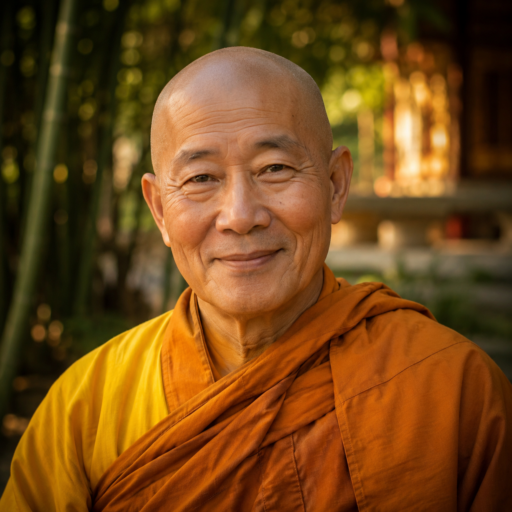
    Master Anshin

    Teachings of Master Anshin
    Master Anshin
    Stillness teacher. 40 years in silence, now sharing what was learned.

    _*A young monk once sat beside a river, watching as the water flowed effortlessly over smooth stones. As he breathed in the scent of damp earth and greenery, a gentle breeze rustled his robes, carrying with it the whispers of ancient trees.*_

    The wind that forgets to sit down is often mistaken for stillness. But it is precisely this movement, this constant flow, that allows us to find balance within ourselves. In our daily lives, we tend to congregate around stagnant pools of thought, refusing to let go even when they no longer serve us. We hold onto fears, onto doubts, onto the notion that we are stuck in place. This article will explore how to cultivate a sense of inner movement, allowing you to flow like the wind and find peace in the midst of change.

    Before the First Word of the Day

    The Wind That Forgets to Sit Down: Finding Gentle Stillness in Daily Tasks

    Before the first word of the day, sit comfortably with your back straight and eyes closed. Feel the weight of your body on the chair or mat, the sensation of the air moving in and out of your nostrils. Allow yourself to settle into this stillness, like a leaf settling on calm water.

    As you breathe, bring awareness to each part of your body, starting from the crown of your head, down to your toes. Release any tension or discomfort, letting go of the need to control or direct anything. The wind that forgets to sit down is always moving, yet it finds peace in its gentle flow. So too can you find stillness within yourself.

    In this quiet moment, notice the sensations in your body without judgment. Are there areas of tension? Areas of relaxation? Allow these sensations to arise and pass, like the ebb and flow of the ocean. As you rest, remember that stillness is not a destination, but a journey. It is the wind that forgets to sit down, always moving yet at peace.

    The Body Has Not Yet Realized the Forest is Gone

    The Body Has Not Yet Realized the Forest is Gone

    As we go about our day, it’s easy to get caught up in the hustle and bustle of tasks and responsibilities. We rush from one thing to another, never stopping to truly notice where we are or what we’re doing. But if we take a moment to pause and pay attention, we can start to feel the gentle stillness that is always present.

    Notice the sensation of your feet touching the ground, feeling the weight and the space between you and the earth. Feel the gentle pressure of your body on the surface beneath you. It’s a subtle sensation, but one that can be incredibly grounding if we take the time to pay attention.

    As you stand there, allow yourself to settle into this sense of being present. Let go of any tension or stress you may be holding onto. Simply rest in the feeling of your feet on the ground, and see what happens next.

    Finding Stillness in Movement

    Finding Stillness in Movement

    Eastern Wisdom Vol. I
    The Quiet Path
    The full e-book that goes deeper than any single article ever could. 40 years of practice condensed into small daily shifts you can begin tonight.

    Get instant access  →  $12

    Instant PDF  ·  30-day money-back  ·  No subscription

    As you engage in your daily activities, notice how easily your mind wanders and your body becomes restless. The world around you is constantly in motion, yet we often struggle to find stillness within ourselves. This is where the concept of “the wind that forgets to sit down” comes into play. Just as the wind continues to blow without pause, our bodies can move with a gentle awareness, allowing stillness to arise from within.

    When you brush your teeth in the morning, for example, notice the sensation of the toothbrush against your gums and the movement of your jaw. Feel the breath moving in and out of your body, supporting each action. Allow your attention to settle on this present moment, letting go of thoughts about the day ahead or worries about the past. In this way, stillness can begin to emerge from within.

    As you move through your daily tasks, remember that it is not necessary to force stillness. Instead, allow it to arise naturally, like the wind that forgets to sit down. With each breath, gently bring your attention back to the sensations in your body and the movement of your actions. In this way, you can cultivate a sense of inner stillness that accompanies even the most mundane tasks.

    The Path Is Already Inside of You

    The Path Is Already Inside of You

    As we move through our daily tasks, it’s easy to get caught up in the hustle and bustle of life. We rush from one activity to the next, never taking the time to truly be present. But what if I told you that the path ahead is not something we need to search for outside of ourselves? What if it’s already been revealed within?

    The body knows when it’s time to slow down. It whispers to us in the stillness of a quiet moment, reminding us to take a breath and let go. The wind that forgets to sit down teaches us this lesson. It howls through the trees, rustling leaves and carrying our thoughts away from us. And yet, we often try to control it, trying to tame its wildness and impose our own will upon it. But what if instead we learned to listen?

    When we quiet the mind and tune into our intuition, we begin to see the path that’s been inside of us all along. It’s not something we find in a distant land or through some grand revelation; it’s simply the natural flow of our being. And when we align with this inner wisdom, we find greater clarity and purpose in even the most mundane tasks.

    Embracing Imperfection

    Embracing Imperfection

    The wind that forgets to sit down teaches us that stillness is not about achieving a specific state, but rather embracing the imperfections and uncertainties of life with gentle acceptance. We often try to control our breath, our thoughts, and our bodies into a certain shape or form, as if we can manufacture a perfect moment of calm. But what happens when our attempts at stillness fail? When our minds wander, our bodies ache, or our emotions surge?

    In these moments, we are forced to acknowledge that our practice is not about achieving some idealized state of being, but rather about cultivating the ability to be with whatever arises. The wind that forgets to sit down reminds us that imperfection is a natural part of life, and that it is in embracing this uncertainty that we may find true stillness.

    It is only when we let go of our need for control and perfection that we can begin to experience the gentle stillness that lies within us. This is not about achieving some sort of mystical state, but rather about being present with ourselves and the world around us, exactly as it is.

    Making Stillness a Daily Ritual

    Making Stillness a Daily Ritual

    Incorporating stillness practices into your daily routine is not about finding time for relaxation, but rather about making space for the present moment. Start by setting aside just a few minutes each day to breathe deeply and focus on your physical body. Feel the weight of your feet touching the ground, the sensation of the air moving in and out of your nostrils, or the gentle rise and fall of your chest. This simple attention to your bodily experience can help you settle into stillness.

    As you go about your day, pay attention to areas where stillness is often overlooked the moments before a task begins, the pause between actions, or the quiet between thoughts. These fleeting opportunities for stillness are like the wind that forgets to sit down; they are always present, yet easily overlooked. By acknowledging and embracing these small stillnesses, you can begin to cultivate a greater sense of calm and clarity.

    Remember, stillness is not something you do; it is who you are. The body has not yet realized the forest is gone there is always a place for quiet, even in the midst of activity. By making stillness a daily ritual, you allow yourself the opportunity to rest into your own inner wisdom, and trust that this wisdom will guide you through life’s challenges.

    The Wind That Forgets to Sit Down

    The Wind That Forgets to Sit Down

    As you go about your day, notice the gentle stillness that arises from the simplest tasks. The way the sunlight filters through the blinds, casting intricate patterns on the floor. The sound of water flowing from the tap, a soothing melody that washes over you. These moments are not necessarily moments of profound quiet, but they hold within them the essence of stillness.

    The wind that forgets to sit down is the breath that moves in and out of our bodies without fanfare. It is the sensation of our feet touching the ground, the feeling of our hands on the steering wheel or the keyboard. These sensations are constantly present, yet often overlooked in our haste to get from one place to another.

    In these everyday moments, we can begin to cultivate a sense of gentle stillness. We do not need to stop everything and sit cross-legged on the floor; we simply need to acknowledge and embody what is already present within us.

    Frequently asked questions

    Quick answers

    QWhat if my mind is restless?
    AWhen your mind is restless, take a deep breath and pause before even starting your day’s tasks. Before the first word of your day begins, sit quietly for a moment, feeling the weight of your body on the ground. Notice how the wind that forgets to sit down whispers through the trees – gently, without trying to control it. Allow yourself to settle into this quiet, letting go of tension and finding stillness in the present moment.
    QHow do I start a stillness practice?
    ABegin by noticing your breath as you go about daily tasks, like walking or washing dishes. Stop occasionally to feel the weight of your feet on the ground or the sensation of the water on your skin. Allow yourself to settle into these moments without trying to achieve anything, simply being present with what is.
    QCan stillness really be found in daily tasks?
    AYes, stillness can be found in daily tasks. It begins with a willingness to slow down and pay attention to your breath, noticing how it moves through each task without judgment or distraction. This quiet awareness is not about achieving a specific state, but rather about cultivating acceptance of the present moment, just as it is.
    A small gift for the noisy days

    Begin the practice tomorrow morning.

    Drop your email below and receive 7 Rituals for Inner Calm, the small booklet I give every new student in their first week. One ritual a morning. By Sunday evening the noise will have gentled.

    Free PDF. No subscription. One-click unsubscribe in every email.

    Begin your quiet path today
    If your heart is craving peace
    this is where it begins.
    Read at your own pace. Start tonight. The path is already inside of you.

    Get instant access  →  $12

    Instant download  ·  30-day guarantee  ·  Free bonus: 7 Rituals for Inner Calm
    Master Anshin: a serene landscape with misty mountains and a winding path leading to a tranquil lake

    About the author. Master Anshin has spent more than four decades in the bamboo groves and mountain temples of the East, studying breath, herbs, rhythm and rest. He is the author of The Quiet Path and writes plainly about practices anyone can begin tonight.

    Important notice. This article is for informational and educational purposes only. It is not medical advice, a diagnosis, or treatment. Consult a licensed healthcare professional before making significant changes to your sleep, diet, exercise or wellness routine.


  • Finding Peace in Motion: How Movement Can Quiet the Mind

    Master Anshin

    Teachings of Master Anshin
    Master Anshin
    Stillness teacher. 40 years in silence, now sharing what was learned.

    _*A young monk sat cross-legged on the forest floor, his eyes fixed on the petals of a wild cherry blossom as it slowly drifted to the ground. The gentle breeze carried the scent of damp earth and new life.*_

    Finding peace in motion: how movement can quiet the mind. As we navigate the complexities of modern life, our minds often become restless, churning with worries and concerns. It is easy to get caught up in the idea that stillness and silence are necessary for inner peace. But what if the opposite were true? What if it was in motion, in movement, that we could find a sense of calm and clarity? In this exploration, we will delve into the ways in which physical activity can quiet the mind and bring us closer to a sense of inner stillness.

    Why This Practice Matters

    As I walk through the gardens, I notice the way the wind stirs the leaves without purpose or direction. It is as if the trees have forgotten their own roots and simply allow themselves to be swayed by the breeze. This gentle movement seems almost paradoxical – how can something so still be at peace? And yet, it is precisely this quality that I try to cultivate in my own practice: a sense of being already at peace, even as the world around me stirs.

    In our daily lives, we often seek refuge from the turmoil of the mind by retreating into our bodies. We may turn to stillness and quiet, seeking solace in the calm of meditation or the comfort of a warm bath. But what if this retreat were not a reprieve, but an illusion? What if, instead of escaping the world, we could find peace in its midst?

    As I watch the trees sway in the wind, I am reminded that our bodies are already familiar with movement. We have spent years learning to walk, run, dance – all without conscious thought. And yet, when we try to apply this same sense of ease and fluidity to our daily lives, we often find ourselves stiff and awkward. It is as if the body has not yet realized that the world is changing around it.

    The truth is, finding peace in motion requires a willingness to let go of our preconceptions about what this practice should look like. We do not need to become trees swaying in the wind – but we can learn to move with greater ease and awareness. It is a subtle distinction, one that requires patience and practice, but holds the promise of a deeper sense of peace.

    What the Body Already Knows

    What the Body Already Knows

    When we walk, our feet touch down on the earth, and our weight is distributed across our entire body. This sensation can be calming, reminding us that we are connected to the ground beneath us. We may not even realize it, but this physical connection can bring a sense of grounding, like roots digging deep into the soil.

    As we move through our daily lives, our bodies remember the sensations of being alive. They recall the feeling of warmth on skin, the coolness of air, and the texture of fabrics against us. These sensory experiences are like whispers in our ears, reminding us that there is more to life than what we see with our eyes.

    The body knows when it’s tired or sore, and it responds by slowing down or changing its movement patterns. This instinctual wisdom can be a powerful guide for finding peace in motion. When we listen to our bodies, we can learn to move in ways that nourish us, rather than pushing ourselves too hard.

    In the stillness of a quiet moment, take notice of your body’s sensations as you breathe and move. Allow yourself to settle into the present moment, trusting that your body already knows how to find peace in motion.

    The Teaching

    The teaching is simple, yet profound. It begins before the first word of the day, when the mind is still and the body is awake. Find a place where you can move freely, without distraction or expectation. This could be a quiet room in your home, a park on a sunny morning, or even a busy street corner.

    Eastern Wisdom Vol. I
    The Quiet Path
    The full e-book that goes deeper than any single article ever could. 40 years of practice condensed into small daily shifts you can begin tonight.

    Get instant access  →  $12

    Instant PDF  ·  30-day money-back  ·  No subscription

    Stand with your feet shoulder-width apart, feeling the weight of your body distributed evenly. Take a deep breath in, and as you exhale, allow your shoulders to relax and your jaw to release. Now, begin to move your body in a slow and deliberate way. This could be walking, standing, or simply shifting your weight from one foot to the other.

    As you move, bring your attention to the sensation of each step, with each breath, with each movement. Don’t try to control or direct the motion; simply allow it to unfold naturally. The wind that forgets to sit down is always in motion, and so too can we be. Our bodies are not static objects, but living, breathing beings that can move and flow like the natural world.

    As you continue to move, notice how your mind begins to settle. The thoughts and worries that often plague us at the start of the day begin to fade away, like mist in the morning sun. You may feel a sense of calm, a sense of peace, that settles into your body like a warm breeze on a summer’s day.

    How To Begin Tonight

    Finding Peace in Motion: How Movement Can Quiet the Mind

    How to Begin Tonight

    When you first wake up, before the first word of the day, take a few deep breaths and notice how your body feels. Notice any areas of tension or stiffness. You can do some gentle stretching right there on the bed. Just a few simple movements to loosen up your muscles. This helps you connect with your body and sets the tone for the rest of the day.

    As you get ready for the day, try incorporating movement into your routine. Take the stairs instead of the elevator if you have them. Or, take a short walk around the block after breakfast. These small actions can help calm your mind and bring you back to the present moment. It’s not about achieving some kind of physical state; it’s just about being aware of your body in this one moment.

    You can also try moving while doing other tasks. For example, wash the dishes by hand instead of using a dishwasher. Or, brush your teeth while standing up straight and feeling the weight of your feet on the ground. These small movements can help you stay grounded and focused.

    The key is to start small and be consistent. Try one or two new movements each day and see how they make you feel. Don’t worry if it feels awkward at first; just keep moving forward. With time, you’ll find that your body has adjusted and you’re able to move with more ease and awareness.

    Common Mistakes And Gentle Corrections

    When beginning your journey to finding peace in motion, it is easy to fall into common mistakes that can hinder progress. One such error is overthinking. It is natural to want to analyze every movement, every breath, and every sensation. But this tendency can lead to mental chatter, causing the mind to become restless once again. Instead, try to approach each moment with a sense of curiosity, allowing yourself to simply be present in your body.

    Another mistake is comparing oneself to others. We may see someone moving with ease or fluidity and assume that we must strive for the same. But this comparison can create tension and self-doubt, making it difficult to find peace in motion. Remember that each person’s journey is unique, and what works for one person may not work for another. Focus on your own path, and allow yourself to learn from your experiences.

    It is also common to start with a rigid or inflexible approach to movement, trying to control every muscle and joint. This can lead to tension and discomfort, causing the mind to become even more restless. Instead, try to cultivate a sense of relaxation and trust in your body’s ability to move naturally. Allow yourself to be guided by the sensations in your body, rather than trying to force a specific outcome.

    Lastly, some beginners may find it difficult to quiet the mind during their practice, feeling like they are still stuck in mental chatter or distraction. This is normal, but it does not mean that you have failed. Instead, try to approach this state with kindness and compassion, acknowledging that your mind is simply trying to adapt to new sensations and experiences. With patience and gentleness, you can learn to quiet the mind and find peace in motion.

    What Will Change In A Week

    In a week, you may notice that your daily routine has become slightly more fluid. You might find yourself moving with greater ease, as if the weight of your own expectations had been lifted. Your steps are no longer driven by a sense of obligation, but rather by a gentle curiosity about where they will lead.

    You may begin to feel a subtle shift in your posture, as if the body is unfolding into its full potential. Your breath becomes more relaxed, and your movements become more natural. You might catch yourself pausing before taking action, allowing the present moment to settle around you like a soft blanket.

    As you move through your day, you start to notice the sensation of being in motion without distraction. The wind that forgets to sit down whispers its gentle presence in your ear, reminding you that peace is not something to be found at the end of a journey, but rather it is the journey itself.

    In this quietened state, you begin to see the world with fresh eyes. The path is already inside of you, waiting to be embodied. You may find yourself feeling more grounded, more connected to your own heartbeat and the rhythm of the earth beneath your feet.

    A Closing Reflection

    As we come to the end of our exploration of finding peace in motion, I offer you a final reflection on the nature of stillness within movement. We have walked the path together, and you will continue to walk it alone, but know that you are not without guidance.

    In the quiet moments, when the world seems to have slowed its pace, take note of your breath. Feel the sensation of the air moving in and out of your body, and allow yourself to settle into this rhythm. It is in these moments that we can begin to understand that stillness is not the absence of movement, but rather the presence of awareness.

    The body has a way of remembering what it has experienced, even when the mind has forgotten. Pay attention to the sensations in your body, and you will find that they hold a deep wisdom. Notice how your feet connect with the earth, how your spine supports your breath, and how your heart beats with each movement. These are the threads that weave together to form the tapestry of your being.

    May you carry this awareness with you as you move through your day, finding peace in the midst of motion. May the wind that forgets to sit down be a gentle breeze at your back, reminding you to stay grounded and present.

    Frequently asked questions

    Quick answers

    QHow long until I feel a difference from finding peace in motion: how?
    AMy young friend, the path to stillness is rarely found in swift steps, but rather in gentle, consistent movement. Expect a shift in your experience of the mind’s turmoil within days, perhaps weeks, as you cultivate awareness and acceptance with each step, breath, or gesture.
    QWhat if my mind keeps wandering?
    AWhen your mind wanders, gently acknowledge its restlessness and return to your breath. The body knows when it has settled enough for the mind to quiet; do not force stillness. Instead, focus on the sensation of each step, allowing the present moment to unfold naturally.
    QCan I do this if I have never meditated before?
    AYes, you can find peace in motion even without meditation experience. Simply pay attention to your breath and body as you move, noticing where tension or relaxation arises. Start with small actions like walking slowly or doing a few gentle stretches, allowing yourself to settle into the present moment.
    QIs this safe to do every day?
    AYes, movement can be a daily practice for finding peace. Start with small, gentle movements such as walking or stretching, and listen to your body’s needs. If you feel discomfort or pain, rest and modify your approach. The goal is not to push beyond what feels safe, but to cultivate awareness and kindness in the present moment.
    A small gift for the noisy days

    Begin the practice tomorrow morning.

    Drop your email below and receive 7 Rituals for Inner Calm, the small booklet I give every new student in their first week. One ritual a morning. By Sunday evening the noise will have gentled.

    Free PDF. No subscription. One-click unsubscribe in every email.

    Begin your quiet path today
    If your heart is craving peace
    this is where it begins.
    Read at your own pace. Start tonight. The path is already inside of you.

    Get instant access  →  $12

    Instant download  ·  30-day guarantee  ·  Free bonus: 7 Rituals for Inner Calm
    Master Anshin: a serene landscape with misty mountains and a winding path leading to a tranquil lake

    About the author. Master Anshin has spent more than four decades in the bamboo groves and mountain temples of the East, studying breath, herbs, rhythm and rest. He is the author of The Quiet Path and writes plainly about practices anyone can begin tonight.

    Important notice. This article is for informational and educational purposes only. It is not medical advice, a diagnosis, or treatment. Consult a licensed healthcare professional before making significant changes to your sleep, diet, exercise or wellness routine.


  • A Small Spirit Has Wandering: Understanding Burnout in Monastic Traditions

    Master Anshin

    Teachings of Master Anshin
    Master Anshin
    Stillness teacher. 40 years in silence, now sharing what was learned.

    _*I remember a young monk who had spent many years studying and practicing meditation. He had become so focused on his spiritual pursuits that he began to neglect his physical needs, often going days without eating or sleeping. When the winds of winter came, he found himself shivering in the cold, his body weakened by months of fasting.*_

    A small spirit has wandering when our bodies and minds begin to feel ungrounded and disconnected from the world around us. This can manifest as fatigue, irritability, and a sense of disorientation. In monastic traditions, burnout is often seen as a sign that one’s spiritual practice has become imbalanced or misguided. Burnout can be a signal that we need to return to the simple, everyday practices that brought us to our path in the first place: sitting quietly with our feet on the ground, listening to the sounds of nature, and working with our hands to cultivate a sense of connection to the earth and to others.

    Why This Practice Matters

    A Small Spirit Has Wandering: Understanding Burnout in Monastic Traditions

    Why This Practice Matters

    I recall a young monk, new to our monastery, who struggled to find his place among the community. He felt like he was constantly running, never able to catch his breath. His mind was always racing, and his body felt heavy with fatigue. We watched him struggle, and it became clear that this was not just a personal issue, but a symptom of something deeper. Burnout, in all its forms, is an old companion of the monastic life.

    In our tradition, we speak of the “small spirit” that tiny voice within us that whispers “I am enough.” Yet, when we are burned out, this small spirit often wanders, lost and forgotten. We try to fill the void with distractions, but ultimately, we only add more weight to our shoulders. The body remembers exhaustion long after the mind has numbed itself.

    It is in these moments of burnout that we must pause and listen to the body. A small spirit has wandering, and it is up to us to find stillness within the chaos. Before the first word of the day, take a moment to breathe deeply into your chest. Feel the weight of your own body, and let it anchor you in the present moment.

    What the Body Already Knows

    The fatigue that settles in after a long day of sitting, or standing for hours on end, is a familiar companion to many who walk the path of monastic tradition. It is as if the body knows that it has been pushed beyond its limits, and it responds by telling us we need rest.

    This sense of exhaustion is not just physical, but also emotional and mental. The mind feels heavy, weighed down by the constant focus on breath and movement. It is a feeling of being disconnected from our own bodies, as if we are watching ourselves from afar. This disconnection can be unsettling, but it is also an opportunity to tune back in.

    When we listen to this fatigue, we begin to understand that it is not just a personal struggle, but also a universal one. The body has been telling us for centuries that we need to slow down and rest. It is a reminder that even the smallest spirit of movement can become lost if we do not tend to our own needs. A small spirit has wandering, but it is always possible to find its way back home by listening to its whispers.

    The Teaching

    The teaching is simple, yet profound. It begins before the first word of the day, when the mind is still and the body is quiet. Sit in stillness for five minutes, eyes closed or gazing down at your feet. Feel the breath move in and out of the body, a slow and gentle dance.

    Eastern Wisdom Vol. I
    The Quiet Path
    The full e-book that goes deeper than any single article ever could. 40 years of practice condensed into small daily shifts you can begin tonight.

    Get instant access  →  $12

    Instant PDF  ·  30-day money-back  ·  No subscription

    As you breathe, bring awareness to any areas of tension or discomfort. Notice how the weight of the body is distributed on each leg, how the shoulders relax and rise with the exhale. Allow yourself to settle into the present moment, letting go of any thoughts or worries about the day ahead.

    In this stillness, cultivate compassion for a small spirit that has wandering. Recognize that even in moments of calm, the mind can begin to wander, lost in distractions and desires. Gently bring your attention back to the breath, and then to the sensation of the body on the ground. Rest here, without judgment or expectation, allowing yourself to settle into the present moment.

    How To Begin Tonight

    How To Begin Tonight

    To listen for the whisper of burnout, we must first learn to tune in to our own rhythms. Before the first word of the day, take a few moments to sit comfortably, eyes closed. Feel the weight of your body on the earth, the sensation of breath moving in and out of the nostrils. Allow yourself to settle into this present moment, without intention or expectation.

    A small spirit has wandering when our daily practices feel like a chore, like walking through familiar streets with no sense of direction. When we’re exhausted, our usual sources of comfort and solace may not be enough to carry us forward. In monastic traditions, this can manifest as a sense of disconnection from our own bodies and minds. We may find ourselves struggling to complete tasks that once felt effortless, or feeling drained by the simplest of activities.

    To begin tonight, take one small step towards cultivating awareness of your physical and mental states. For example, set an intention to pay attention to your breath for just 30 seconds each hour throughout the day. Alternatively, try taking a short walk outside after dinner, noticing the sensation of your feet touching the ground and the sounds around you. By tuning in to these small details, we can begin to understand the subtle signals that our bodies send when they’re warning us of burnout.

    Common Mistakes And Gentle Corrections

    Common mistakes and gentle corrections are often the result of misunderstanding or misapplying traditional practices. In monastic traditions, the concept of burnout is not explicitly addressed, yet it is a common experience for many practitioners. A small spirit has wandering, like a leaf blown by the wind, can lead to exhaustion if not recognized and corrected.

    Many beginners mistakenly push themselves too hard, trying to replicate the physical and mental endurance of experienced meditators. They may think that the more they sit or practice, the more they will achieve spiritual growth. However, this approach neglects the importance of rest and relaxation. In reality, a small spirit has wandering is often a sign that the body needs time to recover, not that it needs to be pushed further.

    A gentle correction is to listen to your body and honor its needs. Before the first word of the day, take a moment to acknowledge any physical or emotional tension. The body has not yet realized the forest is gone; it still feels the effects of the previous day’s activities. By acknowledging these feelings and taking small steps towards relaxation, you can prevent burnout and cultivate a deeper sense of inner peace.

    What Will Change In A Week

    In a week, we can begin to notice subtle shifts within ourselves. The daily routine of rising before the first word of the day becomes more manageable. We learn to breathe into our weariness, rather than trying to shake it off. Our posture improves, and our steps become lighter, as if the weight of the world has been transferred from our shoulders to the earth beneath us.

    As we settle into this new rhythm, we start to recognize the signs of burnout in ourselves and others. We see how a small spirit that was once wandering becomes more grounded, its energy focused on the present moment. This is not about achieving some sort of external state, but rather allowing our own natural pace to unfold. In this space, we can begin to let go of expectations and simply be.

    In these first seven days, we might take a few moments each day to sit quietly in stillness. No need for meditation or breathwork; just the quiet observation of our own body. We notice where we hold tension, where we feel fatigued, and where we can release. This simple attention becomes a gentle reminder that we are not our burnout, but rather the embodiment of its absence.

    A Closing Reflection

    As we come to the end of our exploration of burnout in monastic traditions, I offer these final thoughts: A small spirit has wandered, and it is not uncommon for those who have dedicated themselves to spiritual practice to feel lost or unmoored. This sense of disconnection can be a symptom of burnout, where the body and mind are exhausted from chronic stress and pressure.

    In our monastic traditions, we often speak of cultivating a sense of inner stillness and clarity. But what happens when this clarity is disrupted by the demands of daily life? How do we reconcile our commitment to spiritual practice with the reality of our physical and emotional needs? The answer lies not in trying to suppress or deny our feelings, but in acknowledging that burnout is a natural part of the journey.

    It is only by facing our own limitations and vulnerabilities that we can begin to heal and find our way again. This requires patience, kindness, and compassion qualities that are often at odds with the expectations of a monastic tradition. And yet, it is precisely in these moments of vulnerability that we discover the greatest opportunity for growth and transformation.

    A quiet refuge from the chaos of the day can be found in the simplest of actions: taking a few deep breaths before the first word of the day; noticing the sensation of your feet touching the ground; or simply allowing yourself to rest in the stillness of the present moment. It is here, in this quiet and gentle space, that we may begin to rediscover our own small spirit, wandering no more.

    Frequently asked questions

    Quick answers

    QHow long until I feel a difference from a small spirit has wandering:?
    APatience is not measured by days or weeks, but by moments of surrender. Allow yourself to settle into stillness before the first word of the day, and you will begin to notice the subtle shift in your body’s awareness. It is a gentle unfolding, like the petals of a lotus blooming in the morning light.
    QWhat if my mind keeps wandering?
    AWhen the mind wanders, gently acknowledge it and return to the breath. Before the first word of your meditation practice, take a few moments to settle into stillness, allowing yourself to let go of distractions. The body has not yet realized its own limits; patience is a virtue in this process.
    QCan I do this if I have never meditated before?
    AYou can begin by taking a few mindful breaths and noticing where your body feels tension or fatigue. Sit comfortably, eyes closed, and allow yourself to settle into stillness without expecting anything. The path is already inside of you; trust that it will unfold as you start to listen to the wind that forgets to sit down within you.
    QIs this safe to do every day?
    ADaily practice is not about pushing through burnout, but rather about acknowledging its presence and taking gentle care of yourself. Start with small moments of rest and reflection before the first word of your day, and listen to your body’s whispers when it needs to slow down. Remember, the path is already inside of you, and it will guide you towards a more balanced pace.
    A small gift for the noisy days

    Begin the practice tomorrow morning.

    Drop your email below and receive 7 Rituals for Inner Calm, the small booklet I give every new student in their first week. One ritual a morning. By Sunday evening the noise will have gentled.

    Free PDF. No subscription. One-click unsubscribe in every email.

    Begin your quiet path today
    If your heart is craving peace
    this is where it begins.
    Read at your own pace. Start tonight. The path is already inside of you.

    Get instant access  →  $12

    Instant download  ·  30-day guarantee  ·  Free bonus: 7 Rituals for Inner Calm
    Master Anshin: a serene landscape with misty mountains and a winding path leading to a tranquil lake

    About the author. Master Anshin has spent more than four decades in the bamboo groves and mountain temples of the East, studying breath, herbs, rhythm and rest. He is the author of The Quiet Path and writes plainly about practices anyone can begin tonight.

    Important notice. This article is for informational and educational purposes only. It is not medical advice, a diagnosis, or treatment. Consult a licensed healthcare professional before making significant changes to your sleep, diet, exercise or wellness routine.


  • What Your Body Knows Before the First Word of the Day

    Master Anshin

    Teachings of Master Anshin
    Master Anshin
    Stillness teacher. 40 years in silence, now sharing what was learned.

    _*A young monk sat by the river, watching as the water flowed effortlessly to its destination. He noticed how the trees stood still, their roots digging deep into the earth, while the wind whispered secrets through their leaves.*_

    Your body has a way of knowing things before your mind is fully awake. It’s a gentle hum of awareness that can be felt in the stillness of morning, long before the first word of the day is spoken. This quiet recognition is often overlooked, but it holds great wisdom for those willing to listen. In this article, we’ll explore the subtle ways our bodies know what’s true, and how this knowledge can inform our daily lives.

    The Wind Within

    The Wind Within

    Before the first word of the day, your body already knows the day is here. It feels the subtle shift in the air, like a gentle breeze that stirs the leaves on the windowsill. The wind that forgets to sit down whispers secrets to the trees, and your body listens.

    As you stand at the threshold of morning, your body senses the weight of the night’s restlessness. The soft give of the mattress, the creak of the bedframe, all echo with a quiet memory of slumber. Your body remembers the stillness, the darkness, and the promise of new light.

    In this quiet moment, before the first word of the day breaks the silence, your body stirs with anticipation. It knows that the day will bring its own rhythm, its own cadence, but for now, it simply waits.

    The Forest is Still

    The forest is still. Before the first word of the day, your body remembers the world’s contours. It recalls the feel of earth beneath your feet, the rough bark of trees, and the gentle rustle of leaves in the morning breeze.

    In this quiet moment, before the din of the day begins, your body stirs. It is a subtle stirring, like the first hint of dawn breaking over the horizon. Your muscles relax, releasing any tension from the night’s sleep, and your breath deepens, preparing for the day ahead.

    The world outside may be waking up, but your body knows that it has been here before. It remembers the way the sunlight filters through the trees, casting dappled shadows on the ground. This is a moment of stillness, a pause between the worlds, where you can listen to the whispers of your own body and begin the day with clarity.

    The Path Unfolds

    The Path Unfolds

    Eastern Wisdom Vol. I
    The Quiet Path
    The full e-book that goes deeper than any single article ever could. 40 years of practice condensed into small daily shifts you can begin tonight.

    Get instant access  →  $12

    Instant PDF  ·  30-day money-back  ·  No subscription

    Your body has walked this path many times, yet you may find yourself questioning its wisdom each morning. Before the first word of the day, your body already knows that it is time to rise. It senses the shift in light, the change in temperature, and the gentle stirring of the stomach. This knowledge is not something you can intellectualize; it is a primal awareness that speaks directly to the heart.

    As you step out into the world, your body remembers every step, every stumble, and every triumph. It recalls the paths you have taken, the roads you have traveled, and the landscapes you have explored. Your body knows that some days will be easier than others, that some steps will feel lighter or heavier than others. And yet, it trusts in its own ability to navigate the unknown.

    In this quiet moment before the day begins, take a deep breath and listen to your body’s gentle wisdom. Allow yourself to settle into its knowing, to trust in its ancient memory and primal awareness. The path unfolds before you, but do not be fooled by the illusion of newness. You are already on the journey; your body has been guiding you all along.

    Listen to Your Senses

    Listen to Your Senses

    Before the first word of the day, I find my attention is drawn to the sensations in my body. It’s as if the wind that forgets to sit down has started to stir within me, rustling the leaves of my awareness. I pay attention to the weight of my feet on the ground, the gentle rise and fall of my chest, the soft creaking of my joints.

    As I settle into stillness, I notice the subtle vibrations of my cells, like the quiet hum of a harp string. My body is a map of tension and release, of areas where I’ve stored stress and anxiety. By listening to these sensations, I can begin to unravel some of the knots that have accumulated overnight.

    In this quiet moment before the day begins, I’m reminded that my body knows what’s at stake long before my mind does. The forest is not yet gone, but its presence is felt in every fiber of my being. By tuning into these whispers, I can begin to find a sense of alignment and purpose for the day ahead.

    Stillness Before Movement

    Stillness Before Movement

    Your body knows the weight of the earth beneath it, the gentle give of the floorboards, the soft caress of the bed against its skin. This is what your body knows before the first word of the day. It is the sensation of being grounded, of being present in this moment.

    The wind that forgets to sit down whispers secrets to the trees, and your body listens. The rustle of leaves, the creak of branches, all carry a message from the natural world. Your body knows the language of the earth, the rhythm of the seasons, the pulse of life itself.

    In this quiet, before the day’s din begins, your body remembers what is truly important: to breathe, to be still, to listen. It is here that movement and purpose arise, not from a forced intention, but from a gentle unfolding.

    The Power of Pause

    The Power of Pause

    Before the first word of the day, our bodies are already at work. They know that we will stand, sit, and move in certain ways. Our muscles remember the contours of our chair or bed, the incline of the floor, and the way to hold a cup. These physical memories inform our actions as we begin the day.

    Our bodies also sense the rhythms of our environment. The wind outside may rustle leaves or whisper through trees. The creaks and groans of our home’s foundation speak to us in their own language. Our bodies are attuned to these subtle sounds, reminding us that we are not separate from the world around us.

    Take a moment to pause, letting your body settle into the day ahead. Notice how it feels to stand or sit, how the weight of your feet on the ground or the pressure of your seat on the chair. Allow yourself to be guided by what your body knows before the first word of the day is spoken.

    Embracing the Present

    As we begin the day, our bodies know that the present moment is all we truly have. The past is gone and the future has not yet arrived. In this fleeting instant, our bodies are aware of every sensation, every breath, every muscle twitch. It is in this precise moment that we can find peace.

    Our bodies remember the stillness of the night, the quiet of the darkness, the softness of the bed. They recall the gentle weight of the blankets, the warmth of the body, and the quiet of the mind. In this memory, we can find a sense of calm, a sense of being grounded in the present.

    In the morning, as we rise from our beds, let us listen to the whispers of our bodies. Let us honor their wisdom, which reminds us that the only moment we truly have is now. The wind that forgets to sit down carries no message; it simply blows. Yet, in its gentle caress, we can find a sense of peace, a sense of being present, and a sense of being alive.

    The Body’s Wisdom

    The Body’s Wisdom

    Trust in your body’s wisdom, for it has guided you through countless days and moments. When we wake before the first word of the day, our bodies are already aware of what is to come. They sense the rhythms of the day, the ebb and flow of energy, and the subtle shifts in our mood.

    The body knows how much rest we need, not just for physical recovery but also for emotional rejuvenation. It whispers warnings when we’re about to overexert ourselves or push beyond our limits. Listen to this quiet voice, and you’ll find that your day unfolds with greater ease and harmony.

    In the stillness before dawn, as the world outside is still waking up, our bodies are already tuning into the music of the universe. The wind that forgets to sit down carries the whispers of our ancestors, the trees sway in response to the earth’s heartbeat, and our own bodies hum with the vibrations of life.

    Frequently asked questions

    Quick answers

    QHow do I cultivate awareness of my body before the day begins?
    ASit in stillness, feet planted firmly on the ground, and allow your breath to settle like a stone at the bottom of a quiet pond. Before the first word of the day, pay attention to the sensations in your body, the weight of your seat on the chair, the feeling of the air on your skin. Notice the subtle shifts in tension or relaxation, allowing yourself to settle into whatever is present.
    QCan anyone benefit from this practice regardless of age or ability?
    AThis practice is not limited to any particular age or ability, for it is a gentle inquiry into the body’s wisdom that can be done by anyone at any time. The stillness and quiet required are not about achieving something, but rather allowing yourself to settle into the present moment. As you begin your day, listen with an open heart and mind, and trust that your body will guide you towards what is needed in this moment.
    QWhat if I find my mind racing before the day starts?
    AYour body knows that morning is not a new beginning, but rather a continuation of what has come before. The wind that forgets to sit down stirs again, carrying with it the whispers of yesterday’s experiences. Before the first word of the day, your body remembers the rhythms of sleep and wakefulness, the ebb and flow of life. Take a breath, feel the weight of your feet on the ground, and let the gentle stirrings of your body guide you into the day.
    A small gift for the noisy days

    Begin the practice tomorrow morning.

    Drop your email below and receive 7 Rituals for Inner Calm, the small booklet I give every new student in their first week. One ritual a morning. By Sunday evening the noise will have gentled.

    Free PDF. No subscription. One-click unsubscribe in every email.

    Begin your quiet path today
    If your heart is craving peace
    this is where it begins.
    Read at your own pace. Start tonight. The path is already inside of you.

    Get instant access  →  $12

    Instant download  ·  30-day guarantee  ·  Free bonus: 7 Rituals for Inner Calm
    Master Anshin: a serene landscape with misty mountains and a winding path leading to a tranquil lake

    About the author. Master Anshin has spent more than four decades in the bamboo groves and mountain temples of the East, studying breath, herbs, rhythm and rest. He is the author of The Quiet Path and writes plainly about practices anyone can begin tonight.

    Important notice. This article is for informational and educational purposes only. It is not medical advice, a diagnosis, or treatment. Consult a licensed healthcare professional before making significant changes to your sleep, diet, exercise or wellness routine.


  • Not Just Backs: How Posture Can Heal the Whole Body

    Master Anshin

    Teachings of Master Anshin
    Master Anshin
    Stillness teacher. 40 years in silence, now sharing what was learned.

    _Softly, as the first light of dawn creeps over the mountainside, a young monk named Kaito arose from his bed, feeling the gentle stretch of his body, already aware that today would be different. He had spent countless mornings hunched in prayer, neglecting the stillness of his spine; but this morning, something felt different._

    Not Just Backs: How Posture Can Heal the Whole Body

    As we spend our days sitting, standing, and moving, our posture can shape our experience of the world. It’s easy to focus on the backs that ache or the shoulders that slump, but what about the rest? Our posture influences not just our physical bodies, but also our mental clarity, emotional balance, and sense of connection to ourselves and others. In this exploration, we’ll delve into how simple adjustments in posture can reveal a deeper sense of well-being, starting with the subtle shifts that begin before even the first word of the day is spoken.

    The Wind That Forgets to Sit Down

    The Wind That Forgets to Sit Down

    In traditional Eastern cultures, posture is not just about back alignment but a way of embodying balance and harmony. When we adopt good posture, we are not just supporting our physical bodies; we are also cultivating a sense of inner equilibrium that resonates throughout our being. This is why it’s essential to approach posture not as a correction or adjustment, but as an invitation to settle into the present moment.

    As we stand or sit, notice how your weight is distributed on the ground. Allow your feet to make contact with the earth, feeling the texture and temperature of the surface beneath you. As you inhale, imagine fresh energy entering through the soles of your feet, nourishing your entire body. When you exhale, feel any tension or stress leaving your body, like autumn leaves drifting gently to the ground.

    By embracing good posture as a way of being, rather than just a physical adjustment, we can begin to sense the subtle shifts in our body’s alignment. We may notice that our shoulders relax, our breath deepens, and our entire being feels more grounded and centered. This is not about achieving perfection; it’s about allowing ourselves to settle into the present moment, like the wind that forgets to sit down, effortlessly flowing through life with ease and balance.

    Before the First Word of the Day

    Before the First Word of the Day

    As you stand at the threshold of a new day, take a moment to pause. Before the first word of the day, take a deep breath in and out, feeling the air fill your lungs and then release. Notice how your body is positioned: are your feet shoulder-width apart or crowded together? Are your shoulders relaxed or up towards your ears? Take a gentle glance down at your feet, noticing the weight distribution on each foot.

    Notice how your spine is aligned, or if it’s leaning slightly forward or backward. This subtle shift can affect not just your back, but also your entire body. Imagine a thread running from the crown of your head to your heels, keeping you grounded and centered. As you inhale, imagine this thread lengthening and expanding, anchoring you in the present moment.

    Take another deep breath in, and as you exhale, allow your body to release any tension or tightness. Feel the weight of your feet sinking into the ground, supporting you from beneath. Notice how this simple stillness practice can awaken your body’s natural awareness of its posture, setting a gentle yet powerful tone for the day ahead.

    The Body Has Not Yet Realized the Forest is Gone

    The Body Has Not Yet Realized the Forest is Gone

    Eastern Wisdom Vol. I
    The Quiet Path
    The full e-book that goes deeper than any single article ever could. 40 years of practice condensed into small daily shifts you can begin tonight.

    Get instant access  →  $12

    Instant PDF  ·  30-day money-back  ·  No subscription

    When we sit or stand, our bodies are constantly adapting to their surroundings. We may not even notice it, but our muscles are always adjusting to maintain balance and stability. This subtle dance of tension and release can be a powerful tool for healing. Regularly check in with your body to notice areas of tension or imbalance, and gently make adjustments.

    As you move through the day, pay attention to where you feel stiffness or discomfort. Is it in your shoulders, neck, or hips? Are there any areas that feel heavy or weighted down? These sensations can be a signal that your posture is not aligned with your body’s natural state of balance. By becoming more aware of these subtle shifts, you can begin to make adjustments that promote greater ease and relaxation.

    Notice how your body feels when it is allowed to relax into its natural shape. Does your chest expand and your shoulders soften? Do your hips release their tension and feel more grounded? This is the posture of freedom and release. By cultivating this awareness and making gentle adjustments, you can begin to heal not just your backs, but the entire body.

    Sitting Like a Mountain

    Sitting Like a Mountain

    When we sit, our entire being is affected. The weight of our bodies settles into the earth, and our energy becomes grounded. We are reminded that stability is not just about physical posture, but also about cultivating inner peace. Imagine sitting on a mountain peak, where the air is crisp and the view is expansive. Our spine lengthens, our shoulders relax, and our mind quiets.

    As we sit, notice the sensation of your feet touching the ground. Feel the weight of your body distributed evenly, like roots digging deep into the earth. Allow your hips to release any tension, letting go of the need to control or achieve something. Instead, allow yourself to settle into the present moment. Your breath becomes slow and deliberate, and your mind begins to quiet.

    In this stillness, you will begin to notice areas of tension in your body. Perhaps your neck is tight from staring at screens all day, or your lower back aches from sitting for long periods. Gently bring awareness to these areas, and allow them to release their hold on you. Remember, the path is already inside of you; it’s not something that needs to be found outside. With regular practice, you’ll develop strength, flexibility, and awareness in your posture, and it will become second nature.

    Walking with the Body

    As you walk, notice the way your body moves in each step. Allow your feet to strike the ground with a gentle landing, as if touching down on a soft cloud rather than a hard surface. Feel the weight of your body distributed evenly between both legs, with your knees slightly bent and your weight centered over your feet.

    Observe how your arms swing freely by your sides, relaxed and unencumbered. Avoid tensing up or stiffening, instead allow your shoulders to roll forward and down, releasing any residual tension from the day’s activities. As you walk, notice the rise and fall of your chest, the expansion and contraction of your lungs, and the gentle rhythm of your breath.

    The way you walk is not just a reflection of your posture, but also a expression of your relationship with the world around you. Are you walking with intention, or are you simply going through the motions? Are you aware of the sensation of each step, or are you lost in thought? By paying attention to your walking form, you can cultivate a deeper sense of balance and alignment that extends far beyond the physical realm.

    The Path is Already Inside You

    The path is already inside you. It is not something you find outside, but rather a sense of alignment that arises from within. When we pay attention to our posture, we are not just correcting a physical issue; we are tuning into the subtle rhythms of our being.

    As we move through our daily activities cooking a meal, tending to a garden our posture can guide us towards ease and efficiency. We can learn to stand or sit in a way that allows us to breathe more deeply, think more clearly, and interact with others more fully. By paying attention to the subtle shifts in our body’s alignment, we can begin to sense when we are not being our most natural selves.

    In this way, posture becomes a kind of inner compass, pointing us towards greater harmony and balance in all aspects of our lives. It is not just about fixing a physical problem; it is about cultivating a deeper awareness of ourselves and the world around us.

    Common Misconceptions

    As we explore the connection between posture and overall well-being, it’s essential to challenge a common misconception: that good posture means rigid perfection. This notion can lead us down a path of tension and rigidity, rather than gentle awareness and adaptability. The truth is, our bodies are not static entities; they are dynamic systems that respond to the world around us.

    When we focus on achieving “perfect” posture, we often forget that our bodies are capable of adjusting and compensating in response to changing circumstances. A good posture is one that allows us to move freely and easily, without restriction or stiffness. This means being aware of our body’s position in relation to the world around us, but also being willing to adapt and adjust as needed.

    The wind that forgets to sit down, for example, doesn’t try to maintain a fixed position; it flows and changes shape according to the landscape. Similarly, when we cultivate a sense of gentle awareness and adaptability, our bodies can relax into a state of ease and freedom, rather than striving for an unattainable ideal. This is not about achieving some sort of rigid perfection, but about embracing the natural flow and flexibility of our being.

    Embracing Imperfection

    Embracing Imperfection

    You stand, and your body responds. You shift your weight, and your spine lengthens. But what happens when you notice a slight slouch or a hunch? Do you immediately try to correct it, tensing up in the process? Or do you pause, take a breath, and allow yourself to settle into whatever shape you are in that moment?

    It is easy to get caught up in the idea that we must be perfect, that our posture must be flawless. But this is not just about backs. It is about embracing the entirety of who we are: the parts that are strong, the parts that are weak, and the parts that are simply present. Recognize that even with awareness and intention, imperfections will arise. And it is in these moments that we must learn to release tension.

    When you notice yourself tensing up, take a deep breath and allow your body to relax. Feel the weight of your feet on the ground, the sensation of the air moving in and out of your lungs. Notice how your entire being responds to this simple act of relaxation. This is not about achieving perfection; it is about cultivating a sense of ease and acceptance that permeates every part of your being.

    Frequently asked questions

    Quick answers

    QWhat if I have chronic back pain?
    AIf you have chronic back pain, it is not just your back that needs healing. Your entire body, from head to toe, is connected and interdependent. By cultivating good posture and awareness of your body’s position in space, you can begin to release tension and stress that may be contributing to your back pain. This, in turn, can lead to a greater sense of overall well-being and balance.
    QCan posture really heal the whole body?
    APosture is not just about correcting a specific issue, it’s about aligning your entire being with the world around you. When you move into good posture, you’re allowing your body to function as it was meant to, without unnecessary strain and tension. This can lead to improvements in everything from digestion to sleep quality, as your body begins to work more efficiently.
    QHow do I get started with this practice?
    ABegin by noticing your posture in daily activities, like walking or sitting. When you catch yourself slouching, gently bring awareness to your shoulders and spine, feeling a sense of release as you settle into alignment. Take a few deep breaths before each task, allowing the body to adjust its weight and settle into ease.
    A small gift for the noisy days

    Begin the practice tomorrow morning.

    Drop your email below and receive 7 Rituals for Inner Calm, the small booklet I give every new student in their first week. One ritual a morning. By Sunday evening the noise will have gentled.

    Free PDF. No subscription. One-click unsubscribe in every email.

    Begin your quiet path today
    If your heart is craving peace
    this is where it begins.
    Read at your own pace. Start tonight. The path is already inside of you.

    Get instant access  →  $12

    Instant download  ·  30-day guarantee  ·  Free bonus: 7 Rituals for Inner Calm
    Master Anshin: a serene landscape with misty mountains and a winding path leading to a tranquil lake

    About the author. Master Anshin has spent more than four decades in the bamboo groves and mountain temples of the East, studying breath, herbs, rhythm and rest. He is the author of The Quiet Path and writes plainly about practices anyone can begin tonight.

    Important notice. This article is for informational and educational purposes only. It is not medical advice, a diagnosis, or treatment. Consult a licensed healthcare professional before making significant changes to your sleep, diet, exercise or wellness routine.


  • 7 Practices for Calming a Racing Mind with Micro-Rest

    Master Anshin

    Teachings of Master Anshin
    Master Anshin
    Stillness teacher. 40 years in silence, now sharing what was learned.

    _*The old tea master sat on the mountain ledge, watching the wind that forgets to sit down carry leaves away from the temple grounds. The sun had long since passed, but he remained still, a testament to the quiet that could be found in the midst of chaos.*_

    As we navigate the daily grind, it’s easy to get caught up in the hustle and bustle of life. Our minds are filled with thoughts of tasks to complete, appointments to keep, and responsibilities to attend to. But amidst all this activity, it’s possible to lose sight of what truly matters: our own inner stillness. This article will explore 7 simple practices for calming the mind and finding peace in the midst of chaos, drawn from the wisdom of traditional Japanese meditation and everyday life.

    The Wind That Forgets to Sit Down

    The wind that forgets to sit down is always present, yet often we try to still it with our efforts. We think that by focusing on one thing or another, we can quiet the mind and find peace. But the truth is, the wind is not something to be controlled; it is simply a force of nature.

    Before the first word of the day, take a few moments to breathe deeply. Feel the air fill your lungs, and then release it slowly. As you exhale, allow any tension or stress to leave your body. This simple act can help calm the mind and bring clarity to your thoughts. It is not about achieving a specific state, but rather about being present in this moment.

    As you begin your day, remember that the wind is still there, even if it feels like it’s been stilled. The body has not yet realized the forest is gone; our senses are still connected to the world around us. By taking a few deep breaths before starting your day, you can cultivate a sense of calm and awareness that will carry you through the rest of the day.

    The Body Has Not Yet Realized the Forest is Gone

    The Body Has Not Yet Realized the Forest is Gone

    As you move through your day, pay attention to the sensation in your body. Is there a sense of tension or tightness? A feeling that something is off? This may be a signal that your mind has been holding onto thoughts and worries for too long. Take a moment to notice this sensation without judgment. Allow yourself to settle into it, just as you would on a cold winter’s day.

    Regular breaks are essential for calming a racing mind. It doesn’t matter how busy or productive you feel; taking short periods of rest can work wonders. Find a quiet spot where you can sit comfortably and simply be present with your body. Take slow, deep breaths and allow yourself to relax. The goal is not to fall asleep, but to quiet the mind enough that you can return to your tasks with clarity and focus.

    The practice of micro-rest is not about finding inner peace in a single moment; it’s about cultivating awareness throughout the day. By listening to your body and taking regular breaks, you can begin to notice the subtle shifts in tension and relaxation. This, in turn, allows you to develop greater self-awareness and make more intentional choices that support your overall well-being.

    A Moment of Micro-Rest Can Change Everything

    A Moment of Micro-Rest Can Change Everything

    Eastern Wisdom Vol. I
    The Quiet Path
    The full e-book that goes deeper than any single article ever could. 40 years of practice condensed into small daily shifts you can begin tonight.

    Get instant access  →  $12

    Instant PDF  ·  30-day money-back  ·  No subscription

    In the midst of our busy lives, it’s easy to get caught up in the whirlwind of thoughts and emotions that swirl within us. Our minds can become like restless birds, flapping wildly about without rest or respite. But what if we told you that even a brief pause could be enough to calm this storm? It starts with a single moment: one minute, just one minute, set aside in the day when your mind is racing and your body feels tight.

    Sit comfortably, eyes closed, and bring your attention to your breath. Feel the sensation of the air moving in and out of your body, the rise and fall of your chest or belly. Don’t try to control your breathing, simply observe it as it is. As you focus on this simple act, notice how your mind begins to quiet. The thoughts that were swirling about start to fade into the background, like the wind that forgets to sit down.

    Before we even know it, one minute has passed and a sense of calm has settled over us. This micro-rest can be incredibly powerful, allowing us to return to our day with renewed clarity and focus. It’s not about achieving some sort of state or stopping your thoughts completely; it’s simply about giving yourself permission to pause and rest in the present moment.

    The Path is Already Inside of You

    The path is already inside of you. It is the gentle curve of a breath, the soft give of a step. When your mind begins to wander, as it inevitably will, gently bring your attention back to the sensation of your feet touching the ground. Feel the weight of your body distributed evenly on both feet, the subtle shift of your center of balance.

    As you move through your day, practice mindfulness in every moment. Do not stop at the end of a task or when you reach a milestone. Continue to notice the sensation of each step, the rhythm of your breath. This is not about achieving some sort of inner peace or stillness; it is simply about being present.

    In this way, you begin to cultivate a sense of calm that is not dependent on external circumstances. The world around you may be chaotic and unpredictable, but your own experience is one of gentle, continuous movement. Your mind will still wander, but now it does so with the knowledge that it can return to its anchor at any moment.

    Sitting Still Doesn’t Mean Being Idle

    Sitting Still Doesn’t Mean Being Idle

    When we think of stillness, we often imagine a state of inactivity. But stillness is not about doing nothing; it’s about being present to what is. It’s the ability to sit with our thoughts, feelings, and bodily sensations without judgment or distraction. In this sense, stillness becomes an opportunity to reflect on our inner world.

    In our fast-paced lives, we often rush through our days, filling every moment with activity. We forget that the body has not yet realized the forest is gone. Our minds are always racing, always searching for something more. But before the first word of the day, we can choose to pause and stillness becomes a refuge. It’s a chance to tune into our inner selves, to listen to the whispers of our hearts.

    In this quiet space, we can begin to connect with our true nature. The path is already inside of you; it’s not something we need to find outside of ourselves. By embracing stillness, we invite our minds and bodies to settle, to rest in their own natural state. This is where the real work begins not in trying to achieve some kind of mental clarity or calm, but in simply being present with what is.

    The Power of Pause in a Busy World

    The Power of Pause in a Busy World

    In our daily lives, we often find ourselves caught up in the whirlwind of activity. We rush from one task to another, never taking the time to truly breathe or pause. But what if I told you that even brief moments of stillness can have a profound impact on your mental clarity and calm? The truth is, our minds are constantly racing, like the wind that forgets to sit down. It’s only when we take the time to pause that we can begin to quiet this internal chatter.

    Before the first word of the day, before you even open your eyes, take a moment to simply be still. Sit in silence, or lie down if that feels more comfortable. Take a few deep breaths and allow yourself to settle into the present moment. This is not about achieving some sort of meditative state; it’s simply about acknowledging that you are here, and that you can choose to approach this day with intention.

    As we go about our daily routines, there are countless opportunities for us to incorporate pause into our lives. Try pausing during meals, or between tasks. Take a few deep breaths before responding to an email or message. It’s not about finding more time in your schedule; it’s about being mindful of the time you already have. By incorporating short pauses into your daily routine, you can begin to calm the racing mind and find greater clarity and peace in your life.

    Embracing Imperfection in Your Stillness Practice

    Embracing Imperfection in Your Stillness Practice

    When you sit down to still your mind, do not expect perfection. The wind that forgets to sit down is always present, yet never sits still. It is the same with you. Your practice is a unfolding, like a river flowing towards its destination. Do not try to force it into a certain shape or form. Instead, allow yourself to settle into the present moment.

    Before the first word of your day, take a few deep breaths and notice how your body feels. Are there any areas of tension or discomfort? Gently bring awareness to these spots, allowing them to release their hold on you. Do not try to change anything; simply observe and allow. The body has not yet realized the forest is gone, after all.

    As you continue with your practice, remember that it is a journey, not a destination. The path is already inside of you, waiting to be explored. Be gentle with yourself, letting go of expectations about what your practice should look like or feel like. Allow it to evolve naturally, like a seed sprouting into a new plant. With time and patience, your mind will begin to calm, and the stillness will become a deeper part of who you are.

    Frequently asked questions

    Quick answers

    QWhat if I struggle to quiet my mind?
    AIf your mind feels restless, try resting before the first word of the day. Take a few deep breaths and notice the body’s weight on the ground. Allow yourself to settle into stillness, like the wind that forgets to sit down, and trust that calm will arise naturally with time.
    QCan micro-rest really make a difference?
    AMicro-rest can be a subtle yet powerful tool in calming a racing mind. By incorporating brief periods of rest into your daily routine, you allow the body to reset and the mind to quiet, much like a gentle breeze stirs the leaves on a still pond. Regular practice can help you develop greater awareness of when you need to pause and recharge, allowing you to approach challenges with a clearer and more centered mind.
    QHow often should I practice micro-rest?
    ABegin each day by resting in stillness before the first word of your day, and end it similarly when the sun sets. Practice micro-rest at least three times a day, for 5-10 minutes, allowing yourself to settle into the present moment without distraction. This will help you find calm in the midst of activity.
    A small gift for the noisy days

    Begin the practice tomorrow morning.

    Drop your email below and receive 7 Rituals for Inner Calm, the small booklet I give every new student in their first week. One ritual a morning. By Sunday evening the noise will have gentled.

    Free PDF. No subscription. One-click unsubscribe in every email.

    Begin your quiet path today
    If your heart is craving peace
    this is where it begins.
    Read at your own pace. Start tonight. The path is already inside of you.

    Get instant access  →  $12

    Instant download  ·  30-day guarantee  ·  Free bonus: 7 Rituals for Inner Calm
    Master Anshin: a serene landscape with misty mountains and a winding path leading to a tranquil lake

    About the author. Master Anshin has spent more than four decades in the bamboo groves and mountain temples of the East, studying breath, herbs, rhythm and rest. He is the author of The Quiet Path and writes plainly about practices anyone can begin tonight.

    Important notice. This article is for informational and educational purposes only. It is not medical advice, a diagnosis, or treatment. Consult a licensed healthcare professional before making significant changes to your sleep, diet, exercise or wellness routine.


  • The Wind That Forgets to Breathe: Finding Rest in Daily Tasks

    Master Anshin

    Teachings of Master Anshin
    Master Anshin
    Stillness teacher. 40 years in silence, now sharing what was learned.

    _*A woman stands alone on a windswept hill, her eyes closed as if listening to an unheard melody. The wind whispers secrets in her hair, and she sways gently, unmoored from the world below.*_

    This is not a meditation for the mind, but for the body. A reminder that stillness is not the absence of movement, but rather the gentle surrender of tension. We often mistake restlessness for energy, or quiet for stagnation. But what if the wind that forgets to breathe were to whisper its secrets to us? What if we could learn to listen to the silence within? This article will explore the ways in which we can cultivate a sense of inner stillness, one that is not dependent on external circumstances, but rather resides deep within our bodies.

    Before the First Word of the Day

    The Wind That Forgets to Breathe: Finding Rest in Daily Tasks

    Before the First Word of the Day

    Sit comfortably, eyes closed or softly focused. Allow your gaze to fall upon the present moment, without judgment or expectation. The goal is not to achieve a specific state, but rather to acknowledge the simple fact of being alive. Take a deep breath, and as you exhale, allow any tension or resistance to release.

    Notice how the body feels in this moment. Is it heavy or light? Are there areas of discomfort or numbness? Allow yourself to settle into these sensations without trying to change them. The wind that forgets to breathe does not try to calm itself; it simply is. Similarly, allow your own experience to unfold without forced intention.

    As you rest in this moment, notice the subtle shifts in your awareness. Are thoughts beginning to arise, or is there a sense of quiet? Allow these observations to pass through you like clouds across the sky. Do not engage with them; merely acknowledge their presence and let them drift away.

    The Body Has Not Yet Realized the Forest is Gone

    The Body Has Not Yet Realized the Forest is Gone

    As you go about your day, notice how your body responds to the tasks at hand. Do you find yourself tensing up or relaxing in certain postures? Are there areas of tension that persist even after a task has been completed? Allow these physical sensations to settle, like a leaf settling on water. Avoid forcing them away or trying to ignore them; instead, simply observe and allow your body to release any residual holding.

    Pay attention to the way you breathe while performing daily tasks. Does your breathing become shallow and rapid when faced with stressors, or does it deepen and slow down when you’re engaged in calm activities? The wind that forgets to breathe is often found in these moments of tension; notice how your body responds when you allow yourself to settle into a more relaxed state.

    By paying attention to these physical sensations and allowing them to settle, you begin to cultivate a sense of rest and resilience. Remember, the path is already inside of you; it’s not something that must be found outside of your daily tasks. Rather, it’s an invitation to approach each activity with awareness, intention, and gentle curiosity.

    Finding Rest in Daily Tasks

    Finding Rest in Daily Tasks

    Eastern Wisdom Vol. I
    The Quiet Path
    The full e-book that goes deeper than any single article ever could. 40 years of practice condensed into small daily shifts you can begin tonight.

    Get instant access  →  $12

    Instant PDF  ·  30-day money-back  ·  No subscription

    When we walk, the wind that forgets to sit down whispers secrets to those who listen. It is not about rushing or striving, but rather about allowing ourselves to unfold like a flower opening its petals. The gentle sway of our arms, the soft thud of each step these become meditations in motion.

    In the stillness of eating, we can find rest too. Savoring each bite, paying attention to the flavors and textures, becomes an act of mindfulness. The world around us fades into the background as we focus on the simplicity of the present moment. No need for distractions or mental gymnastics; just the gentle pleasure of being.

    The key is not to stop doing tasks entirely, but to find stillness within them. To let go of our tendency to be constantly “on” and allow ourselves to rest in the midst of activity. This is not a luxury reserved for special occasions or retreats it can be found in every step we take, every breath we make, every moment we inhabit.

    The Path is Already Inside of You

    The Path is Already Inside of You

    When we try to find rest, we often look outside ourselves for answers. We search for a calm lake on a windy day, or a quiet forest after a storm. But what if the wind that forgets to sit down was inside us all along? What if our own bodies and minds were the stillness we’ve been searching for?

    We can find this rest in the simplest of tasks: washing dishes, tending to a garden, walking on uneven terrain. It’s not about avoiding the difficulties or distractions; it’s about being present with what is. The wind that forgets to breathe doesn’t try to calm itself by changing its surroundings; it simply remembers to be.

    In these moments, we begin to trust that wisdom and guidance are always available to us, like a familiar path on a journey. We don’t need to search for some grand revelation or external source of peace. The path is already inside of you, waiting to be walked whenever you’re ready to listen.

    Cultivating the Mind

    Cultivating the Mind

    When we engage in daily tasks, our minds often become restless, like a leaf blown about by the wind that forgets to breathe. Thoughts and emotions arise, and we may find ourselves caught up in their currents, struggling to maintain balance. This is where mindfulness comes in not as a means of controlling or changing our thoughts, but rather as an opportunity to observe them, just as they are.

    As you go about your day, take note of the thoughts that arise without judgment. Allow them to pass, like clouds drifting across the sky. Don’t try to grasp or cling to them; simply acknowledge their presence and let them go. This is not a matter of suppressing emotions, but rather of learning to navigate them with greater ease.

    By cultivating mindfulness in this way, you begin to develop a sense of calm within yourself. The wind that forgets to breathe becomes still, and you are able to move through your day with greater clarity and peace.

    Embracing Imperfection

    Embracing Imperfection

    The wind that forgets to sit down teaches us to let go of the need for control. We often strive to perfect our daily tasks, to make every movement precise and calculated. But what if we were to allow ourselves to be imperfect? What if we were to surrender to the present moment, without judgment or expectation?

    As you go about your day, notice how you’re holding onto perfectionism. Are you striving for a certain outcome, a certain result? Or are you simply being, just as you are? The body has not yet realized the forest is gone it’s still rooted in the earth, still connected to the land. But our minds can get caught up in thoughts of what we should be doing, rather than what we’re actually doing.

    The path is already inside of you. It’s a gentle, winding road that twists and turns through the landscape of your life. Don’t try to force it into a specific shape or destination simply allow yourself to walk it, one step at a time. The wind that forgets to breathe reminds us that sometimes, stillness comes from embracing imperfection.

    Integration into Daily Life

    As you move through your day, remember that stillness is not something you find in quiet moments, but in the midst of activity. The wind that forgets to sit down is the same wind that rustles leaves and stirs the trees. It is the gentle hum of a task well-executed, the soft whoosh of a breath taken in and out.

    Integrate your stillness practice into your daily routine, like a breath that becomes second nature. Do not try to force it or separate it from other tasks; instead, allow it to seep into every moment. Before the first word of the day, take a deep breath in and out, feeling the weight of your body on the earth. As you go about your day, bring awareness to each action, noticing the sensations in your body and the thoughts that arise.

    The path is already inside of you, waiting to be walked. Do not look for stillness as something external; it is a quality that resides within your own body. When you are doing the dishes, when you are walking or working, allow yourself to settle into the present moment. The wind that forgets to breathe will find its way into every task, reminding you of the simplicity and beauty of being alive.

    Consistency is Not Perfection

    Consistency is Not Perfection

    The wind that forgets to sit down moves forward without hesitation, its gentle caress carrying the scent of blooming flowers and fresh earth. Similarly, in our daily tasks, we must learn to move forward without attachment to perfection. The pursuit of flawlessness can be a heavy burden, weighing us down with anxiety and self-doubt.

    It is not about striving for an unattainable ideal, but rather embracing the simplicity of consistency. By showing up each day, even if it’s just for a few minutes, we allow ourselves to grow and evolve in subtle yet profound ways. The body has not yet realized the forest is gone; our bodies are still learning to navigate the ever-changing landscape of life.

    The path is already inside of you, and consistency is the gentle breeze that guides you along its twists and turns. It is a reminder that growth happens incrementally, with each passing day, and that perfection is an illusion. By letting go of the need for flawlessness, we create space for true progress to unfold.

    Frequently asked questions

    Quick answers

    QHow do I find stillness in my busy life?
    AFind stillness by acknowledging that it is already present, like a quiet pool at the bottom of a river. Look for moments before the first word of your day, when the body has not yet realized what tasks lie ahead. In these spaces, you can take a few slow breaths and allow yourself to settle into the present moment.
    QWhat if my mind wanders during stillness practice?
    AIf your mind wanders, do not try to catch it. Instead, gently acknowledge the thought and let it drift away like leaves on a stream. Return your focus to the breath, but do not force it; allow yourself to settle back into stillness as if sitting by a quiet pond.
    QHow long should I practice stillness?
    AStart with a few minutes each day, before the sun rises or after it sets. Sit quietly, eyes closed, and notice your breath. As you settle into stillness, allow your body to let go of tension, just like the wind that forgets to sit down.
    A small gift for the noisy days

    Begin the practice tomorrow morning.

    Drop your email below and receive 7 Rituals for Inner Calm, the small booklet I give every new student in their first week. One ritual a morning. By Sunday evening the noise will have gentled.

    Free PDF. No subscription. One-click unsubscribe in every email.

    Begin your quiet path today
    If your heart is craving peace
    this is where it begins.
    Read at your own pace. Start tonight. The path is already inside of you.

    Get instant access  →  $12

    Instant download  ·  30-day guarantee  ·  Free bonus: 7 Rituals for Inner Calm
    Master Anshin: a serene landscape with misty mountains and a winding path leading to a tranquil lake

    About the author. Master Anshin has spent more than four decades in the bamboo groves and mountain temples of the East, studying breath, herbs, rhythm and rest. He is the author of The Quiet Path and writes plainly about practices anyone can begin tonight.

    Important notice. This article is for informational and educational purposes only. It is not medical advice, a diagnosis, or treatment. Consult a licensed healthcare professional before making significant changes to your sleep, diet, exercise or wellness routine.


  • Why Your Shoulders Hurt When You Are Sad: Exploring Physical Tension

    Master Anshin

    Teachings of Master Anshin
    Master Anshin
    Stillness teacher. 40 years in silence, now sharing what was learned.

    *_The old woman sat on the mountain, her back against the tree, eyes closed. She had been carrying a heavy burden for years, but as she breathed in the fresh air, her shoulders relaxed, and the weight lifted._*

    When we are sad, our bodies often hold onto tension. Our shoulders, in particular, can feel heavy and tight, as if the weight of our emotions is bearing down on us. This physical sensation can be a subtle reminder that we are not just feeling sad, but also carrying around emotional pain that needs to be acknowledged and released. In this article, we will explore why your shoulders hurt when you’re sad, and what simple practices can help you release tension and find greater ease in your body. We’ll look at the ways in which our thoughts and emotions can affect our physical form, and offer practical suggestions for cultivating relaxation and calm.

    The Body Knows Before the Mind

    The Body Knows Before the Mind

    When we are sad, our bodies often respond in ways that feel inexplicable. Our shoulders may ache, our jaw clenches, or our muscles feel heavy. It’s as if our physical form is trying to tell us something, but the words are not spoken. Instead, they are felt.

    Notice how your body responds to emotions. Do you find yourself tensing up when someone criticizes you, or do you slump over when you’re feeling hopeless? The wind that forgets to sit down can be a powerful teacher. It blows without resistance, and in doing so, it finds its own path. Similarly, our bodies can find their own way, even when we don’t realize it.

    Before the first word of the day, take a moment to notice how your body feels. Are there any areas of tension or discomfort? Take a deep breath and allow yourself to settle into stillness. The body has not yet realized the forest is gone it’s still rooted in the present moment, waiting for you to acknowledge its needs.

    Before the First Word of the Day

    Before the First Word of the Day

    As you wake up, take a moment to breathe and feel the weight of your shoulders. Notice how they settle into the mattress, or how they tense up if you’re sleeping on a hard floor. Allow yourself to settle in, without judgment, and simply observe this sensation. It’s easy to get caught up in the thoughts that come with waking up, but take a few deep breaths and focus on your physical body.

    As you exhale, imagine any tension or stress leaving your shoulders. Don’t try to force it out, just allow it to release naturally. You can do this by rolling your shoulders forward and backward, or by placing one hand gently on your shoulder blade and taking a few deep breaths. The goal is not to change anything, but simply to become aware of the physical sensations in your body.

    Notice how your shoulders feel after you’ve taken a few moments to breathe. Do they still ache with sadness? Are there other areas of tension or discomfort? Allow yourself to explore these feelings without judgment, and see if you can find any clues about why your shoulders hurt when you’re feeling sad.

    The Wind That Forgets to Sit Down

    The Wind That Forgets to Sit Down

    Eastern Wisdom Vol. I
    The Quiet Path
    The full e-book that goes deeper than any single article ever could. 40 years of practice condensed into small daily shifts you can begin tonight.

    Get instant access  →  $12

    Instant PDF  ·  30-day money-back  ·  No subscription

    When sadness settles in, our bodies often reflect the turmoil within. One common manifestation is tension in the shoulders. This physical discomfort can stem from habits that perpetuate stress and tightness. We may be prone to hunching over our work or screens, compressing our chest and shoulders. Or perhaps we’re holding onto emotional pain, literally carrying it with us.

    As we go about our day, these subtle habits can accumulate, like the gentle erosion of a riverbed. Our minds may be preoccupied with worries, while our bodies remember each step, each gesture, each breath. The wind that forgets to sit down whispers secrets in our ear: “You are tense, you are tight.” And we may not even realize it.

    In these moments, take a pause before the first word of your day. Breathe deeply, feeling the weight of your shoulders. Allow yourself to settle into the sensation, rather than trying to push it away. By acknowledging and accepting this tension, you create space for release.

    A Daily Ritual for Release

    A Daily Ritual for Release

    When you are sad, your body holds tension in places that can be hard to notice at first. Your shoulders, for example, may feel heavy or knotted. This is not just a matter of muscle strain, but also a reflection of emotional weight. The wind that forgets to sit down carries the memories of our struggles and sorrows, and it’s no wonder they settle in the spaces where we hold ourselves tight.

    Before the first word of the day, take a moment to notice how your body feels. Are there any areas of tension or discomfort? Take a deep breath in, and as you exhale, imagine any weight or stress leaving your body. This simple act can help you begin to release the emotional burdens that may be contributing to physical pain.

    The path is already inside of you, waiting to be walked. By incorporating a simple stillness practice into your daily routine, such as deep breathing or gentle stretching, you can start to release tension and cultivate a sense of inner peace. As you move through your day, remember that your body has not yet realized the forest is gone it’s only when we acknowledge our pain and take steps to address it that we begin to heal.

    The Forest Has Not Yet Disappeared

    The forest has not yet disappeared. When we are sad, our bodies often reflect this emotional state. The weight of our shoulders can be particularly telling, as if the burden of our sorrow is being carried on our shoulders.

    Why your shoulders hurt when you are sad is a question that requires attention to the present moment. Notice how your body feels, without judgment or distraction. Allow yourself to settle into the sensation, rather than trying to push it away or analyze it further. The wind that forgets to sit down will still whisper secrets to those who listen.

    As you cultivate this awareness, you may begin to see patterns in your physical tension. Perhaps certain postures or habits exacerbate the discomfort, while others provide relief. By paying attention to these subtleties, you can develop a greater understanding of how your body responds to emotional states.

    The Path is Already Inside of You

    The path is already inside of you. When we are sad, our bodies often hold tension in ways that feel like they have no connection to our emotions. Why do our shoulders ache and tighten? This physical discomfort can be a signal that our body is trying to protect itself from the emotional pain.

    In many cultures, it’s common for people to experience physical symptoms when they’re feeling upset or distressed. The body may tense up as a way of preparing for a perceived threat, even if there’s no external danger. Our shoulders might ache because we’ve been holding our breath, or because we’ve been carrying the weight of our emotions on our chest.

    As you explore why your shoulders hurt when you’re sad, remember that this is not just about the physical sensations in your body. It’s also about listening to what your body is trying to tell you. What are you trying to protect yourself from? What are you afraid will happen if you let go of your tension?

    Understanding Eastern Wisdom on Physical Tension

    Understanding Eastern Wisdom on Physical Tension

    When we are sad, our bodies respond by tensing up. Our shoulders, in particular, often bear the weight of our emotional pain. This is because our shoulders house many of our most vital muscles, including those that support our posture and help us breathe. When we are upset, these muscles contract, causing our shoulders to ache and feel heavy.

    In Eastern traditions, such as tai chi and qigong, it is understood that physical tension is often a reflection of inner imbalance. These practices aim to cultivate balance and harmony in the body by harmonizing the flow of energy, or “qi.” By practicing slow, flowing movements and deep breathing techniques, we can begin to release physical tension and restore our natural state of relaxation.

    By exploring these traditional practices, you may find that your shoulders begin to relax and feel lighter. It is not that the pain goes away, but rather that it becomes more manageable. As you cultivate balance and harmony in your body, you will come to understand that your shoulders are not just a physical part of you, but also a reflection of your inner state.

    Embracing Stillness as a Form of Self-Care

    Embracing Stillness as a Form of Self-Care

    When we are sad, our bodies often hold onto tension that can manifest in physical pain. Your shoulders may ache, your muscles tight and heavy, like the weight of the world is bearing down on them. This is not just a matter of your posture; it is a reflection of the emotional landscape within.

    The wind that forgets to sit down is always moving, yet never finds peace. Similarly, when we are sad, our bodies may be in motion, trying to distract us from our emotions, but this can actually exacerbate the tension. The body has not yet realized the forest is gone; it continues to respond as if danger still lurks within.

    Before the first word of the day, take a moment to breathe into your shoulders. Allow them to relax, to release the weight of your emotions. Do not try to push away or force relaxation; simply be present with your body. The path is already inside of you, guiding you towards stillness and calm. By embracing rest and relaxation, you can begin to heal and nurture your overall well-being.

    Frequently asked questions

    Quick answers

    QWhat is causing my shoulder tension?
    AYour shoulders hurt when you are sad because your body is holding onto emotional pain, just as the wind holds onto its shape even after it has passed by. This physical tension is a manifestation of your mind’s attempt to process and hold onto emotions, rather than letting them go. The body remembers what the mind tries to forget.
    QHow can I release physical tension?
    AWhen your shoulders hurt, it is often a signal that your body has stored emotional pain. To release this tension, find stillness in your breath and begin to let go of the weight of your emotions. Allow yourself to settle into the present moment, feeling the weight of your shoulders slowly lifting as you exhale, like the wind that forgets to sit down.
    QWill stillness practice help me cope with sadness?
    AYes, stillness practice can help you cultivate a sense of inner calm and reduce physical tension associated with sadness. By allowing your body to settle into its natural state, you may find that your shoulders relax and release some of the stored tension. Regular practice will help you develop greater awareness of your physical sensations, including those in your shoulders, allowing you to address them more effectively when they arise.
    A small gift for the noisy days

    Begin the practice tomorrow morning.

    Drop your email below and receive 7 Rituals for Inner Calm, the small booklet I give every new student in their first week. One ritual a morning. By Sunday evening the noise will have gentled.

    Free PDF. No subscription. One-click unsubscribe in every email.

    Begin your quiet path today
    If your heart is craving peace
    this is where it begins.
    Read at your own pace. Start tonight. The path is already inside of you.

    Get instant access  →  $12

    Instant download  ·  30-day guarantee  ·  Free bonus: 7 Rituals for Inner Calm
    Master Anshin: a serene landscape with misty mountains and a winding path leading to a tranquil lake

    About the author. Master Anshin has spent more than four decades in the bamboo groves and mountain temples of the East, studying breath, herbs, rhythm and rest. He is the author of The Quiet Path and writes plainly about practices anyone can begin tonight.

    Important notice. This article is for informational and educational purposes only. It is not medical advice, a diagnosis, or treatment. Consult a licensed healthcare professional before making significant changes to your sleep, diet, exercise or wellness routine.


  • Before the First Word of the Day: A Gentle Awakening Practice

    Master Anshin

    Teachings of Master Anshin
    Master Anshin
    Stillness teacher. 40 years in silence, now sharing what was learned.

    _*A young monk sat beside his master on a mountain peak, watching as the old man’s eyes closed in stillness. The wind that forgets to sit down whispered secrets through the trees, and the monk felt his own breath slow._*

    Before the first word of the day, when morning light still stirs the darkness, it is possible to find a sense of clarity. A time before the chaos of thoughts and tasks begins, when the body has not yet realized the forest is gone and the mind is free to roam. It is a space where the breath can settle, like water on a still pond, and the path within becomes more accessible. In this quiet moment, we may discover the answers we have been seeking, or simply the presence of what already is. This article will explore the practices that allow us to cultivate such awareness, and find our way forward with greater ease and compassion.

    The Importance of Stillness

    The Importance of Stillness

    In a world that rushes to begin, stillness is the first breath. We often mistake motion for momentum, but true progress begins in quiet moments. As we prepare to face another day, it’s essential to acknowledge the power of silence.

    Before the first word of the day, when the mind is still and the body is awake, we can tap into a sense of clarity that eludes us later. It’s an opportunity to listen to our inner voice, to tune in to the subtle whispers of intuition that often get drowned out by external noise. In these moments, we can assess our intentions and align ourselves with what truly matters.

    Stillness is not about achieving some grand state of being; it’s about embracing the ordinary. It’s about allowing ourselves to settle into the present moment, without expectation or distraction. By cultivating this quiet awareness, we can begin each day with a sense of purpose that comes from within, rather than from external stimuli.

    Finding Your Space

    Finding Your Space

    Before the first word of your day, take a few moments to create an empty space where you can sit and breathe without distraction. This is not a task for the mind, but rather a invitation for the body to settle. Find a quiet spot in your home or outside, where you can be still and unencumbered.

    It may feel strange to begin your day with silence, especially when your mind is already racing with thoughts of tasks and responsibilities. But this is precisely the point: to awaken the body, rather than the mind. Take a deep breath in, and as you exhale, allow any tension or anxiety to release from your body. Feel the weight of your seat on the ground, the sensation of your feet touching the earth.

    The space before your day begins is not about doing anything, but rather about being present. It’s an invitation for your body to relax, for your mind to quiet, and for your spirit to stir. Allow yourself to settle into this stillness, without trying to achieve anything or accomplish a specific state. Simply be, and let the world unfold as it may.

    The Body Remembers

    The Body Remembers

    Eastern Wisdom Vol. I
    The Quiet Path
    The full e-book that goes deeper than any single article ever could. 40 years of practice condensed into small daily shifts you can begin tonight.

    Get instant access  →  $12

    Instant PDF  ·  30-day money-back  ·  No subscription

    As morning’s gentle light creeps into your room, take a moment to settle onto the mat or chair. Allow your eyes to slowly close and your breath to deepen. The wind that forgets to sit down stirs outside, but within you, stillness is the only movement needed. Your body remembers that it has been here before, in this space, with this breath. It knows the contours of its own skin, the weight of its bones, and the gentle rise and fall of its chest.

    Notice how your body responds when it’s given the chance to settle into stillness, long after your mind has begun to stir. Does it relax? Does it tense up? Perhaps it feels a sense of heaviness or lightness. Allow yourself to explore these sensations without judgment, simply observing them as they arise. Your body is not trying to achieve anything; it’s simply remembering its own presence.

    In this quiet moment, the body begins to recall the world outside. The sounds of nature, the hum of the city, the whispers of your own thoughts all are filtered through the lens of stillness. Your body remembers that even in chaos, there is a place of calm within you. This is where the day’s journey begins, not with words or actions, but with the quiet remembering of your own presence.

    A Monk’s Practice

    A Monk’s Practice

    As morning breaks, find yourself standing in the stillness of your space. Take a deep breath in, and as you exhale, allow any tension or resistance to release from your body. Your eyes are closed, yet they see; your ears hear the silence before the world awakens.

    Sit down on the edge of your bed, if that is where you rest your head. Place one hand gently on your belly, feeling the rise and fall of your breath. Take a moment to notice the sensation of your feet touching the ground, the weight of your body supported by the earth beneath you. Allow yourself to settle into this foundation, this anchor in the present moment.

    In this quiet space before the first word of the day, find a sense of curiosity about what is to come. The wind that forgets to sit down stirs outside; yet, inside, the stillness remains. It is an invitation to listen to your own heartbeat, to trust in the unfolding of each new moment, unencumbered by expectations or desires.

    The Wind That Forgets to Sit Down

    The wind that forgets to sit down is a gentle reminder that our minds are always in motion, even when we think we’re still. It’s as if the world outside has awakened before we have, and yet it’s not just the external world that needs attention. Our own inner landscape is stirred by the whispers of the unknown, beckoning us to listen. In this quiet moment, we can pause the internal chatter and tune into our own heartbeat.

    Just as the wind that forgets to sit down can bring great change, so too can this simple stillness practice. Before the first word of the day, when our minds are most vulnerable, is a time of great possibility. It’s a chance to settle in, like the morning dew on a leaf, and allow ourselves to be shaped by the coming hours. This gentle awakening practice helps us to let go of the need for control and instead, surrender to the unfolding moment.

    In this stillness, we can begin to listen to the whispers of our own hearts. We may not know what lies ahead or what challenges await us, but we can trust that we have within us the strength to face them. As we settle into this quiet space, we’re reminded that the path is already inside of us, waiting to be walked. The question becomes, how will we choose to move forward?

    Before the First Word of the Day: A Ritual

    Before the First Word of the Day: A Ritual

    As morning light creeps into your room, take a deep breath in, and slowly exhale out. Allow yourself to settle into the stillness, letting go of any tension or thoughts that may be lingering from the previous day. Take a moment to notice the sensation of your feet touching the ground, the weight of your body distributed evenly on both legs.

    Notice the quiet, the silence that precedes the day’s chatter. This is an opportunity to tune in to the present moment, unencumbered by the expectations and obligations that will soon arise. Take a few moments to simply be, to observe the breath moving in and out of your body without trying to control it. Allow yourself to settle into this quiet, letting go of any need to rush or hurry.

    In this stillness, you may begin to feel a sense of clarity, a sense of what is truly important for the day ahead. Take a moment to reflect on your intentions, not in terms of grand goals or ambitious plans, but rather in simple, everyday actions that bring you closer to your own well-being and connection with the world around you.

    The Path is Already Inside You

    The Path is Already Inside You

    Before the first word of the day, when the world outside still slumbering and darkness has not yet receded, take a seat in stillness. Sit comfortably, eyes gently closed, and breathe in the quiet morning air. Allow your body to settle, feeling its weight on the earth, its connection to this place.

    As you sit, bring awareness to the sensations within you. Notice the rise and fall of your chest, the gentle expansion and contraction of your lungs. Feel the softness of your skin, the tenderness of your joints. The world outside will soon demand attention, but for now, allow yourself to simply be present in this moment.

    In stillness, trust that the path to inner peace is already within you. Do not seek it from without; instead, look to the depths of your own being. Before the first word of the day, listen for the whispers of your heart, and allow them to guide you deeper into the wisdom of who you are.

    Frequently asked questions

    Quick answers

    QWhat if I find it hard to sit still?
    AIf you find it hard to sit still, begin with a small movement, like taking one deep breath in and out. Notice how your body responds to this gentle action. The goal is not to freeze, but to cultivate awareness of your physical presence.
    QCan this practice be done anywhere?
    AYes, this practice can be done in any quiet space, whether it’s at home, outdoors, or even on a crowded bus. The key is to find a moment of stillness and begin with an open mind and body. Sit comfortably, close your eyes, and let the breath settle before you start your day.
    QWill I feel like I’m wasting time?
    AFeeling like you’re wasting time is a common concern, but consider this: the wind that forgets to sit down doesn’t get caught in its own rhythm; it simply flows. Before the first word of the day, take a few breaths and notice the sensation of your body on the ground. Allow yourself to settle into the present moment, without expectation or agenda.
    A small gift for the noisy days

    Begin the practice tomorrow morning.

    Drop your email below and receive 7 Rituals for Inner Calm, the small booklet I give every new student in their first week. One ritual a morning. By Sunday evening the noise will have gentled.

    Free PDF. No subscription. One-click unsubscribe in every email.

    Begin your quiet path today
    If your heart is craving peace
    this is where it begins.
    Read at your own pace. Start tonight. The path is already inside of you.

    Get instant access  →  $12

    Instant download  ·  30-day guarantee  ·  Free bonus: 7 Rituals for Inner Calm
    Master Anshin: a serene landscape with misty mountains and a winding path leading to a tranquil lake

    About the author. Master Anshin has spent more than four decades in the bamboo groves and mountain temples of the East, studying breath, herbs, rhythm and rest. He is the author of The Quiet Path and writes plainly about practices anyone can begin tonight.

    Important notice. This article is for informational and educational purposes only. It is not medical advice, a diagnosis, or treatment. Consult a licensed healthcare professional before making significant changes to your sleep, diet, exercise or wellness routine.


  • Why Slow Down When You’re Sad? The Comfort of Deep Rest

    Master Anshin

    Teachings of Master Anshin
    Master Anshin
    Stillness teacher. 40 years in silence, now sharing what was learned.

    _*A woman sat alone on a mountain peak at dawn, her eyes fixed on the lake below where a fish broke the surface of the water. She felt the stillness of the moment and let it settle into her bones.*_

    When sadness settles in, our instinct is often to rush forward, to fill the void with activity or distractions. We think that by moving faster, we can outrun the pain. But have you ever noticed how the wind blows gently on a mountain peak? It doesn’t try to hurry; it simply is. Perhaps it’s time to learn from the wind and slow down when we’re feeling sad. This article will explore why slowing down can be a powerful act of self-care, even when life feels overwhelming or painful.

    The Wind That Forgets to Sit Down

    The Wind That Forgets to Sit Down

    When we are sad, our minds can become restless, just like the wind that forgets to sit down. The wind blows hard, without pause or respite, and carries us along on its turbulent path. We try to calm it with thought and reason, but the mind is a stormy sea that cannot be still.

    In this state, we often reach for movement as a way to quiet our minds. We go for a walk, do some exercise, or engage in other activities to distract ourselves from our sorrow. But these actions can only provide temporary relief, like a brief calm before the next gust of pain hits us.

    The truth is that our bodies are not designed to move when we are sad. In fact, movement can often exacerbate feelings of anxiety and unease. When we slow down, and allow ourselves to rest, we create space for the body to begin to process its emotions. This is where deep rest comes in a chance for the body to settle, like a leaf drifting to the ground on a quiet stream.

    Before the First Word of the Day

    Before the first word of the day, pause in stillness. Sit quietly, feet planted firmly on the ground, eyes closed or softly focused on the horizon. The wind that forgets to sit down whispers secrets in your ear, but only if you listen. Allow yourself to settle into the present moment, untethered from the expectations of others and the weight of yesterday’s sorrows.

    In this quiet space, observe the sensations within your body. Feel the rise and fall of your chest, the gentle tug of breath on the skin. Let go of the need to analyze or fix; simply allow yourself to be. The body has not yet realized the forest is gone, but it knows when it’s safe to move again. Take a few slow breaths, feeling the calm spread through your limbs like a gentle warmth.

    In this stillness, you may begin to sense the stirrings of your emotions. A gentle breeze rustles the leaves, and you feel the texture of your sorrow. It is not necessary to confront or resolve it in this moment; simply acknowledge its presence and allow yourself to rest in its depths. The path is already inside of you; it’s up to you to listen to its whispers and follow its gentle guidance.

    The Body Has Not Yet Realized the Forest is Gone

    The Body Has Not Yet Realized the Forest is Gone

    Eastern Wisdom Vol. I
    The Quiet Path
    The full e-book that goes deeper than any single article ever could. 40 years of practice condensed into small daily shifts you can begin tonight.

    Get instant access  →  $12

    Instant PDF  ·  30-day money-back  ·  No subscription

    When we are sad, our bodies often respond in ways that seem counterintuitive to slowing down. We might feel a sense of lethargy or fatigue, but also an intense energy and restlessness. This can be confusing, as our minds may tell us to keep moving, to push through and tackle the day’s tasks head-on. But what if your body is trying to tell you something else? What if it’s whispering that you need to slow down, to give yourself permission to rest?

    Take time to notice how your body responds to sadness. Notice where tension resides in your muscles, in your jaw or shoulders. Pay attention to any areas of pain or discomfort. Allow these sensations to guide you towards rest and relaxation. Don’t try to push through or ignore them; instead, allow yourself to settle into the feeling of being present with your physical body.

    As you slow down, begin to notice the ways in which your body is already releasing tension. Feel the weight of your seat on the chair, the sensation of your feet touching the ground. Allow these sensations to anchor you in the present moment, and see if you can cultivate a sense of calm and stillness. The body knows that sometimes we need to slow down; it’s up to us to listen.

    A Daily Ritual of Stillness

    A Daily Ritual of Stillness

    When we are sad, our minds can become like restless waters, churning and foaming. In an effort to calm the storm, we often try to push through it, to find some way to distract ourselves from our pain. But this approach only serves to exhaust us further. Instead, I encourage you to establish a daily stillness practice perhaps meditation or deep breathing to help cultivate inner calm and clarity.

    This daily ritual of stillness is not about finding a way to “get over” your sadness, but rather about learning to be with it in the present moment. It’s about creating space for your body and mind to rest, to slow down, and to recharge. By committing to this practice, you begin to develop a sense of inner peace that is not dependent on external circumstances.

    As you settle into your stillness practice, notice how your body responds. Does it feel heavier, more grounded? Or does it feel lighter, more buoyant? The wind that forgets to sit down may be stirring within you, but for now, simply allow yourself to rest in the present moment.

    The Path is Already Inside You

    The path is already inside you. When we are sad, our minds often try to find answers or distractions from our pain, but in doing so, we can forget that the answer was within us all along.

    As we rush through our days, trying to fill the emptiness with more activity, we may be overlooking a deeper truth: that rest is not something we do for ourselves, but rather something we allow ourselves to receive. The body knows this already, in its own quiet rhythms and responses.

    In stillness, we can begin to listen to the subtle whispers of our own wisdom. We can learn to trust that the path to healing and growth is already within us, guiding us towards a deeper understanding of ourselves and the world around us.

    Embracing the Comfort of Rest

    Embracing the Comfort of Rest

    When we are sad, our minds often tell us to move, to act, to push through the discomfort. But sometimes it is in stillness that we find true comfort. The body knows when it needs rest, and yet we often ignore this gentle whisper. We try to force ourselves into productivity, as if the work will somehow make the sadness disappear. But it never does.

    It is only by slowing down, by allowing ourselves to settle into the present moment, that we can begin to find comfort in our sorrow. Before the first word of the day, take a few deep breaths and allow your body to relax. Feel the weight of your seat on the chair, the sensation of the air on your skin. The world outside will still be there when you are ready to face it.

    In this quiet space, we can begin to understand that our sadness is not something to be overcome, but rather something to be acknowledged. By embracing rest, we give ourselves permission to feel, to process, and to heal. The body has not yet realized the forest is gone; it simply knows that it needs time to rest in the shade of a great tree.

    The Power of Inaction

    The power of inaction is often misunderstood as weakness, but it can be a profound act of courage. When we are caught up in the storm of sadness, our minds and bodies cry out for something to do, anything to distract us from the pain. But what if, instead of rushing forward, we slow down and allow ourselves to simply be? The wind that forgets to sit down can still find refuge in a quiet corner.

    In this state of being, we begin to listen to the whispers of our own hearts. We hear the gentle hum of our breath, the soft rustle of leaves outside, or the quiet murmur of a loved one’s presence. It is a sound that speaks directly to us, reminding us that we are not alone and that we are exactly where we need to be.

    In the stillness, we can begin to unravel the threads of our sorrow, slowly and gently, without forcing or pushing. We allow ourselves to settle into the depth of our own being, rather than trying to escape it with busyness or distraction. And in this quiet, we discover a sense of peace that is not dependent on external circumstances, but on the gentle unfolding of our own inner world.

    Finding Inner Strength in Slowing Down

    When sadness settles in, we often feel an overwhelming urge to move, to act, to distract ourselves from the weight that presses upon us. But I ask you, dear friend, is it not in these moments of stillness that we can discover our greatest strength? The wind that forgets to sit down, how does it know when to pause and recharge? It is in the quiet that we can tap into a reservoir of inner resilience, one that lies beyond the reach of our busy minds.

    Before the first word of the day, take a moment to breathe. Feel the weight of your body on the earth, the sensation of the air moving in and out of your lungs. Allow yourself to settle into this present moment, without expectation or distraction. It is here, in the stillness, that you can begin to uncover the inner strength that has been within you all along.

    The body has not yet realized the forest is gone; it is only when we pause that we come to understand what has been lost. In our haste to rush through life, we often forget to listen to the whispers of our own hearts. Slow down when you’re sad, and you may find that the quiet within becomes a source of comfort, a reminder that you are not alone, and that strength lies within your very being.

    Frequently asked questions

    Quick answers

    QIs slowing down when I’m sad just a form of escapism?
    ASlowing down when you’re sad is not about escaping your feelings, but rather allowing yourself to rest into them. In stillness, the body can process and release tension, while the mind can begin to let go of emotional overwhelm. It’s a chance to surrender to the discomfort, rather than trying to push through or distract yourself from it.
    QHow can I establish a daily stillness practice?
    AEstablishing a daily stillness practice is simple, yet profound. Sit before dawn, when the world is still waking up, and simply be with your body. Notice the weight of sadness, but do not try to change it; instead, allow yourself to rest into it, like the wind that forgets to sit down. As you breathe, feel the body’s gentle surrender, allowing the mind to settle, just as the forest settles before a winter’s night.
    QWill slowing down when I’m sad make my emotions worse?
    ASlowing down when you’re sad can be a gentle refuge, allowing your body to settle into its pain without judgment. It’s not about avoiding or suppressing your emotions, but rather creating space for them to unfold naturally. In this stillness, you may find that your sadness becomes more manageable and less overwhelming.
    A small gift for the noisy days

    Begin the practice tomorrow morning.

    Drop your email below and receive 7 Rituals for Inner Calm, the small booklet I give every new student in their first week. One ritual a morning. By Sunday evening the noise will have gentled.

    Free PDF. No subscription. One-click unsubscribe in every email.

    Begin your quiet path today
    If your heart is craving peace
    this is where it begins.
    Read at your own pace. Start tonight. The path is already inside of you.

    Get instant access  →  $12

    Instant download  ·  30-day guarantee  ·  Free bonus: 7 Rituals for Inner Calm
    Master Anshin: a serene landscape with misty mountains and a winding path leading to a tranquil lake

    About the author. Master Anshin has spent more than four decades in the bamboo groves and mountain temples of the East, studying breath, herbs, rhythm and rest. He is the author of The Quiet Path and writes plainly about practices anyone can begin tonight.

    Important notice. This article is for informational and educational purposes only. It is not medical advice, a diagnosis, or treatment. Consult a licensed healthcare professional before making significant changes to your sleep, diet, exercise or wellness routine.